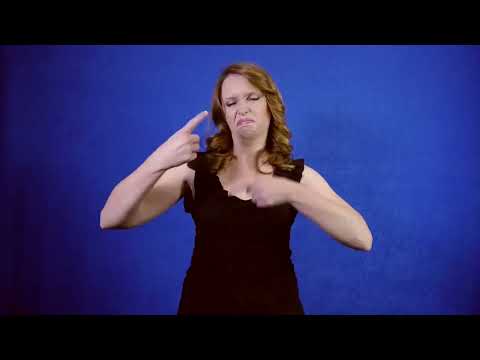
Sign for VERBAL FIGHT in ASL | ASL Dictionary

Definition: An argument involving spoken words. Sign for VERBAL FIGHT in ASL
YouTube player

Practice Activities

To master the sign for VERBAL FIGHT in ASL, consistent and varied practice is essential. Start by practicing in front of a mirror to ensure your handshapes, facial expressions, and body movements accurately represent the sign. This visual feedback helps you self-correct and internalize the nuances of the sign for VERBAL FIGHT in ASL. Record yourself signing regularly. Watching your own videos will allow you to analyze your fluency and precision. Try signing short phrases or sentences that include the sign for VERBAL FIGHT in ASL, such as “They had a verbal fight yesterday” or “We need to avoid verbal fights.” Use the sign in real-world contexts. Sign with friends, classmates, or language partners and create role-play situations where a verbal disagreement might happen. This helps you understand how and when to use the sign in natural conversation. Advanced learners can challenge themselves with speed drills, contrasting similar signs, and incorporating the sign for VERBAL FIGHT in ASL into longer narratives. Try interpreting heated conversations from movies or books into ASL, focusing on expressive accuracy.

SEO Cultural Context

In Deaf culture, communication norms emphasize clarity, expression, and respect. The sign for VERBAL FIGHT in ASL is an important concept that reflects disagreement or conflict through spoken words, rather than physical altercations. This sign is used to describe situations like arguments, debates, or intense discussions. Understanding the cultural context of this sign helps learners use it appropriately. In Deaf communities, directness and visual storytelling are valued, so the sign for VERBAL FIGHT in ASL often includes strong facial expressions to convey emotional intensity. Over-exaggeration or underplaying the emotion could lead to misunderstandings. There can be slight regional variations in how the sign is produced. Some communities might prefer a two-handed sign that mimics talking with aggression, while others might use a more abstract representation of conflict. Regardless of the variation, the core meaning remains the same, and your facial expression is just as important as the hand movement. This sign is commonly used in educational settings, social conversations, and even in interpreting news or media. It’s vital to remember that the sign for VERBAL FIGHT in ASL is not a joke or insult; it carries emotional weight and should be used respectfully.

Extended Definition

The sign for VERBAL FIGHT in ASL usually combines the signs for TALK or COMMUNICATE with the sign for FIGHT or CONFLICT. Typically, it involves using both index fingers in a forward, alternating motion to indicate talking, followed by fists or clawed hands clashing to represent fighting. This sign is conceptually accurate, meaning it visually conveys the idea of a verbal battle. It’s not a direct translation of English words but a representation of the concept behind them. The sign for VERBAL FIGHT in ASL is an example of how ASL uses spatial and expressive elements to build meaning. Learners often confuse this sign with the signs for ARGUE, DEBATE, or DISCUSS. While related, these signs have different intensities and contexts. ARGUE often uses pointed fingers jabbing toward each other, whereas DISCUSS uses open hands. The sign for VERBAL FIGHT in ASL is more emotionally charged and suggests a heated exchange. Another common mistake is failing to include the appropriate facial expressions. An intense, frustrated, or angry expression helps convey the emotional context of a verbal altercation. Without that, the sign may lose its impact or be misinterpreted as a simple discussion.

Tips for Beginners

Beginners learning the sign for VERBAL FIGHT in ASL should focus on accuracy and emotion. Start by learning the individual components—such as the signs for TALK and FIGHT—before combining them. Practice them separately and then integrate them with expressive facial grammar. Don’t worry if your first attempts feel awkward. Many new signers forget to include facial expressions or over-pronounce hand movements. Watch native signers or Deaf content creators to see how the sign for VERBAL FIGHT in ASL is used naturally. A common mistake is signing too quickly or too softly. This can make your signing unclear or reduce emotional impact. Take your time and ensure each movement is deliberate. Another helpful tip is to think about real-life situations where you might use the sign. Imagine arguments or disagreements you’ve seen or experienced, and try to describe them using ASL. This contextual learning helps solidify your understanding of when and how to use the sign for VERBAL FIGHT in ASL correctly.

Connections to Other Topics

The sign for VERBAL FIGHT in ASL connects closely with the sign for ARGUE. Both involve conflict, but verbal fight carries more emotional intensity. Understanding the subtle differences helps you choose the right sign for the situation. Another related sign is DEBATE. While debate may seem similar, especially in English, the ASL version of DEBATE is more structured and formal in tone. It lacks the emotional tension found in the sign for VERBAL FIGHT in ASL. The concept of EXPRESS is also thematically linked. In ASL, expressing emotion through facial grammar and body language is essential. Practicing how to express disagreement or frustration can enhance your use of the sign for VERBAL FIGHT in ASL. The sign for DISCUSS is a more neutral counterpart. It conveys the idea of sharing ideas or talking things through calmly. Comparing DISCUSS and VERBAL FIGHT helps learners understand the spectrum of conversational intensity in ASL. Lastly, the sign for EMOTION is useful when studying this topic. Emotional clarity is key in ASL, especially with signs that involve conflict or high tension. When using the sign for VERBAL FIGHT in ASL, your emotional expression should match the tone of the conversation.

Lengthy Summary

The sign for VERBAL FIGHT in ASL is a powerful and emotionally expressive sign. It combines elements of communication and conflict to visually convey the idea of a heated argument or verbal clash. Unlike English, which relies on tone and word choice, ASL uses handshape, movement, facial expression, and body language to create meaning. Learning this sign involves more than memorizing hand movements. It requires understanding its cultural context within the Deaf community, where communication is direct and visually rich. The sign for VERBAL FIGHT in ASL is not just about showing disagreement—it’s about expressing emotional intensity and interpersonal dynamics. Beginners should focus on foundational skills like clear handshapes, accurate movement, and expressive facial grammar. Practicing in front of a mirror, recording your signing, and using the sign in real-life contexts will help you build fluency. Studying related signs like ARGUE, DISCUSS, and DEBATE can deepen your understanding of conversational nuances in ASL. Culturally, it’s important to use the sign respectfully and thoughtfully. It’s one thing to describe a disagreement and another to mimic or mock emotional exchanges. Always consider the emotional weight carried by the sign for VERBAL FIGHT in ASL when using it in conversation or storytelling. Continue practicing regularly. Challenge yourself with expressive storytelling and real-life scenarios. The more comfortable you become with emotional signs like this, the more natural and confident your ASL communication will be. Keep signing, keep learning, and let your hands and face tell the full story. Synonyms: argument, quarrel, dispute, debate, squabble Educational resources: Find related learning materials in our course bank! Want more? Check out some of our popular learning activities on the homepage! Need to look up a sign? Use our highly rated dictionary: https://aslinteractive.com/best-asl-dictionary/ Follow us on tiktok: https://www.tiktok.com/@aslinteractive. More social media links at the bottom of this page! Long-tail Keywords: Categories: tags: arguments in ASL, conflict signs in ASL, fighting vocabulary in ASL, emotional expressions in ASL, interpersonal communication in ASL

Want more? Check out some of our popular learning activities!

ASL Interactive Resources

ASLInteractive YouTube Channel

Follow us on tiktok: @aslinteractive.com

Follow us on Instagram: aslinteractive

Facebook page: aslinteractive

Facebook group: aslinteractive

LInkedIn: ASL Interactive LLC

Twitter: @ASL_interactive

*Some information on this page is AI-generated. AI can make mistakes. Please check the information.  

Responses