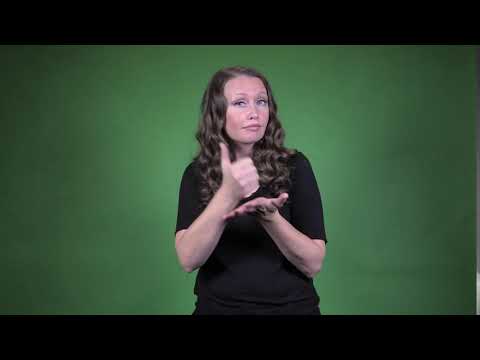
Sign for WANT TO HELP in ASL | ASL Dictionary

Definition: To desire to assist someone. Sign for WANT TO HELP in ASL
YouTube player

Practice Activities

To become fluent in the sign for WANT TO HELP in ASL, regular and varied practice is essential. Start by practicing in front of a mirror to ensure handshapes, palm orientation, and facial expressions match the correct form. Mirror work helps you develop confidence and become aware of unintentional movements that could alter the meaning of the sign. Record yourself signing the phrase in different sentences. Watch the video back to evaluate clarity, speed, and accuracy. This method allows you to spot areas where you might be unclear or inconsistent with the sign for WANT TO HELP in ASL. Incorporate the sign into real-life contexts. For example, when someone drops something, sign “WANT TO HELP?” to offer assistance. Practicing in context strengthens your memory and increases your comfort using the sign naturally. Advanced drills can include speed drills, combining the sign for WANT TO HELP in ASL with other frequently used signs like NEED, GIVE, or PLEASE. Try signing the phrase while changing facial expressions to match different emotions or intentions—such as excitement, urgency, or calmness. You can also play flashcard games with a partner, where you are asked to sign phrases on the spot. This improves your reaction time and strengthens your recall under conversational pressure.

SEO Cultural Context

The sign for WANT TO HELP in ASL carries more than just a literal meaning. In Deaf culture, offering help is a valued and respectful gesture, but it must be done with cultural sensitivity. Uninvited help can sometimes be seen as intrusive, so timing and context are vital. In ASL, facial expressions and body language play a critical role in conveying intention. When signing WANT TO HELP, your facial grammar should show sincerity and openness. This ensures that your offer to assist is interpreted as genuine and not forceful. Regional variations may affect how the signs for WANT and HELP are produced. In some parts of the United States, HELP may be signed with slightly different hand placements or movements. Always follow the version most common in your local Deaf community or the one taught by your instructor. The sign for WANT TO HELP in ASL is frequently used in everyday interactions, especially in community settings like Deaf events, classrooms, or volunteer efforts. It’s also a foundational phrase in interpreting, advocacy, and caregiving contexts. Knowing how and when to use this sign respectfully builds trust and rapport within the Deaf community.

Extended Definition

The sign for WANT TO HELP in ASL combines two separate concepts: WANT and HELP. For WANT, both hands are open, palms facing up, and then pulled toward the body with a slight grasping motion, as if drawing something in. For HELP, one hand forms the letter A (a closed fist with a thumb extended), resting on the flat palm of the opposite hand. Both hands then move upward together, symbolizing the act of assistance. When these two signs are combined into the phrase WANT TO HELP, they are usually signed in quick succession, but each retains its individual structure. Some learners mistakenly merge the two signs into one motion, which can confuse the meaning. It’s important to keep them distinct to maintain clarity. Another common error is incorrect palm orientation. For example, signing WANT with the palms downward instead of upward can distort the intended message. Likewise, failing to move both hands upward when signing HELP may change the meaning or weaken its impact. Sometimes, learners confuse the sign for HELP with GIVE or SUPPORT. While these signs are related in meaning, they differ in handshape and movement. Understanding this distinction is crucial to mastering the sign for WANT TO HELP in ASL.

Tips for Beginners

Learning the sign for WANT TO HELP in ASL can feel complex at first, but it’s very manageable with consistent effort. Start by focusing on each component sign separately. Master the signs for WANT and HELP individually before combining them into a phrase. One of the most common beginner mistakes is rushing through the signs, which can blur the meaning. Take your time and pay attention to each movement. Use slow, deliberate motions until the muscle memory forms naturally. Don’t underestimate the power of facial expression. A flat or neutral face can make your offer to help seem insincere or uninterested. Practice smiling or raising your eyebrows when signing WANT TO HELP to convey genuine intent. Another helpful tip is to watch fluent signers use the phrase. Whether through videos, Deaf events, or classes, exposure to native signers will deepen your understanding of how the sign for WANT TO HELP in ASL is used in real conversations. Lastly, be patient with yourself. Everyone makes mistakes when learning a new language. Use each slip-up as a learning opportunity and continue practicing with confidence.

Connections to Other Topics

The sign for WANT TO HELP in ASL naturally connects to several other foundational signs and grammatical structures. One key related sign is NEED, which often appears in similar contexts, such as NEED HELP or NEED TO GO. Understanding how WANT and NEED differ helps learners express subtle shades of urgency or preference. Another related sign is GIVE, which shares handshape similarities with HELP but moves differently. Practicing both helps you avoid confusing them in conversation. GIVE is often used in phrases like GIVE HELP or GIVE SUPPORT, making it useful in tandem with the sign for WANT TO HELP in ASL. The sign for PLEASE also complements this phrase. For example, WANT TO HELP PLEASE adds politeness when making an offer. Including such etiquette markers aligns with respectful communication in both Deaf and hearing cultures. Additionally, the concept of directional verbs is important. HELP is a directional verb, meaning its movement can show who is helping whom. Signing HELP-me versus HELP-you changes depending on your palm orientation and direction. Understanding this grammar structure enhances your use of the sign for WANT TO HELP in ASL. Finally, the sign for VOLUNTEER or OFFER is related in meaning and sometimes overlaps in context. However, OFFER uses a different handshape and is more formal. Knowing when to use each adds nuance to your signing.

Lengthy Summary

Mastering the sign for WANT TO HELP in ASL opens doors to meaningful communication, especially in settings where empathy and support are valued. This phrase combines two key signs—WANT and HELP—that each carry their own grammatical rules, handshapes, and cultural weight. When used together, they create a powerful and respectful offer of assistance. By engaging in mirror work, recording your signing, and practicing in real-life situations, you develop the muscle memory and expressive clarity necessary for fluent signing. Drills that focus on speed, facial expression, and contextual use further refine your skills. Cultural awareness plays a large role in how the sign for WANT TO HELP in ASL is interpreted. In Deaf culture, offering help must come from a place of respect and awareness. Using appropriate facial grammar, understanding regional variations, and being mindful of when to offer assistance all contribute to effective and respectful communication. A deep understanding of each individual sign helps avoid common pitfalls. Beginners should resist the urge to rush, instead focusing on accuracy and clarity. Watching fluent signers, practicing regularly, and being open to feedback will accelerate your learning. The sign for WANT TO HELP in ASL also connects with broader ASL grammar and vocabulary. From directional verbs to polite expressions like PLEASE, building your knowledge in these areas strengthens your overall fluency. In essence, learning the sign for WANT TO HELP in ASL is more than just memorizing motions—it’s about cultivating sensitivity, cultural knowledge, and expressive power. Keep practicing, stay curious, and let each interaction be a step toward greater fluency. Synonyms: eager to assist, willing to support, ready to help, interested in aiding, inclined to assist Educational resources: Find related learning materials in our course bank! Want more? Check out some of our popular learning activities on the homepage! Need to look up a sign? Use our highly rated dictionary: https://aslinteractive.com/best-asl-dictionary/ Follow us on tiktok: https://www.tiktok.com/@aslinteractive. More social media links at the bottom of this page! Long-tail Keywords: Categories: tags: help-related signs, ASL phrases for offering assistance, American Sign Language expressions, ASL dictionary for helping words, learning ASL for communication

Want more? Check out some of our popular learning activities!

ASL Interactive Resources

ASLInteractive YouTube Channel

Follow us on tiktok: @aslinteractive.com

Follow us on Instagram: aslinteractive

Facebook page: aslinteractive

Facebook group: aslinteractive

LInkedIn: ASL Interactive LLC

Twitter: @ASL_interactive

*Some information on this page is AI-generated. AI can make mistakes. Please check the information.  

Responses