Practice Activities
To master the sign for WHY RHETORICAL QUESTION in ASL, learners should start by practicing in front of a mirror. This allows you to monitor both your facial expressions and handshape, which are equally important in conveying rhetorical intent. Recording yourself signing is another powerful tool. Watch the playback to observe if your non-manual signals match the meaning of the sign for WHY RHETORICAL QUESTION in ASL. Facial expression is crucial; you should appear inquisitive but not genuinely questioning, since the rhetorical form implies the answer is already known or unnecessary. Use the sign in context by integrating it into short dialogues or monologues. For instance, practice storytelling or explaining simple ideas where rhetorical questions might naturally occur. This helps reinforce the grammatical structure and narrative rhythm. Advanced learners can engage in drills where they switch between genuine and rhetorical questions. This contrast builds fluency and helps highlight the nuanced use of the sign for WHY RHETORICAL QUESTION in ASL. Partner work and live feedback from Deaf ASL users is highly recommended at this stage.
SEO Cultural Context
Understanding the cultural context behind the sign for WHY RHETORICAL QUESTION in ASL is essential. In Deaf culture, rhetorical questions are a common and powerful part of communication. They are used not to seek information, but to emphasize a point, structure a narrative, or express emotion. In ASL, rhetorical questions are marked not just by the sign for WHY but also by specific facial expressions—typically raised eyebrows and a slight head tilt. This signals to the viewer that the question is rhetorical and not meant to be answered. Deaf storytelling, especially in poetry and performance, heavily incorporates rhetorical questions. The sign for WHY RHETORICAL QUESTION in ASL plays a key role in this expressive tradition. It helps build suspense, clarify explanations, and guide the listener through the narrative flow. Regional variations can occur. Some signers may use slightly different movements or intensity depending on their community or stylistic preference. However, the use of non-manual markers is universally critical to distinguish the rhetorical form.
Extended Definition
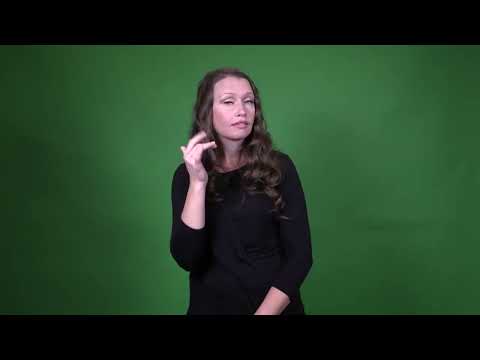
The sign for WHY RHETORICAL QUESTION in ASL combines the standard sign for WHY with specific facial grammar. The handshape typically involves the middle finger brushing the forehead and flicking outward. But what makes it rhetorical is the facial expression—eyebrows raised and a knowing look. This differs from a genuine WHY question, where the eyebrows are furrowed and the signer appears to seek information. The rhetorical version implies the answer is obvious or that the speaker is making a point rather than asking. It’s important not to confuse this with a WH-question in ASL, such as WHO or WHAT, which also rely heavily on facial signals. The sign for WHY RHETORICAL QUESTION in ASL is unique in that it combines lexical content with an abstract grammatical function. Common errors include using the wrong facial expression, which can completely change the perceived meaning. Another mistake is over-signing or adding unnecessary signs that dilute the rhetorical effect. Keep it clean, intentional, and expressive.
Tips for Beginners3>
For beginners learning the sign for WHY RHETORICAL QUESTION in ASL, patience and practice are key. Start by mastering the standard sign for WHY, then layer in the facial expression that marks it as rhetorical. One of the most frequent mistakes is using the wrong non-manual signal. A furrowed brow instead of a raised eyebrow can turn a rhetorical question into a genuine one. Practice in front of a mirror to get this right. Don’t be discouraged if it feels unnatural at first. The sign for WHY RHETORICAL QUESTION in ASL is as much about emotion and tone as it is about handshape. Watch native signers on video to see how they incorporate this sign into fluid conversation. Another helpful tip is to mentally translate rhetorical questions from English into ASL structure. Think about how the rhetorical WHY functions in speech, then mimic that intention in your signing.
Connections to Other Topics
The sign for WHY RHETORICAL QUESTION in ASL is closely related to the broader topic of rhetorical questions in general. Other signs like HOW, WHAT, and WHO can also be used rhetorically with the correct facial expressions. It connects strongly to non-manual markers in ASL. Understanding how eyebrows, head position, and eye gaze contribute to grammar is essential for mastering rhetorical forms. This sign also ties into ASL storytelling techniques. Rhetorical questions are often used as transitions or emphasis tools in narratives, adding drama and guiding listener attention. Grammar in ASL is another important link. The sign for WHY RHETORICAL QUESTION in ASL highlights how ASL uses space, movement, and facial grammar to indicate sentence type, much differently than spoken English. Lastly, it relates to ASL discourse strategies. Rhetorical questions help organize information, clarify points, and engage the audience—a skill essential for advanced signers and interpreters alike.
Lengthy Summary
The sign for WHY RHETORICAL QUESTION in ASL serves a unique grammatical and expressive function in American Sign Language. Unlike standard WH-questions, rhetorical questions are not meant to be answered. Instead, they serve to emphasize a point or structure a narrative. This makes them especially important in storytelling, teaching, and persuasive signing. To accurately produce the sign for WHY RHETORICAL QUESTION in ASL, you must combine manual and non-manual elements. The hand flicks away from the forehead, but it’s the raised eyebrows and confident expression that make it rhetorical. Without the right facial grammar, the sign loses its intended meaning. Culturally, rhetorical questions are a staple of Deaf communication. They convey emphasis, emotion, and structure, making them a rich area of exploration for learners. Practicing this sign develops not just vocabulary, but also an intuitive understanding of ASL grammar and communication style. For learners, especially beginners, it’s important to focus on both handshape and facial expression. Use mirrors, recordings, and real-life conversation practice to develop fluency. Advanced learners can challenge themselves by incorporating the sign into complex narratives or switching between genuine and rhetorical forms. The sign for WHY RHETORICAL QUESTION in ASL also opens the door to related concepts like other rhetorical question forms, ASL grammar, and storytelling techniques. These connections deepen your understanding and enhance your signing across many contexts. Keep practicing, keep watching fluent signers, and don’t shy away from feedback. The more you use the sign for WHY RHETORICAL QUESTION in ASL in natural conversation, the more instinctive and expressive it will become. ✨ Keep signing and keep growing! Synonyms: Here are five potential synonyms or variations for “why rhetorical question”: 1. What is the reason? 2. What purpose does it serve? 3. What are the intentions behind it? 4. What’s the point of it? 5. What’s the explanation for that? Educational resources: Find related learning materials in our course bank! Want more? Check out some of our popular learning activities on the homepage! Need to look up a sign? Use our highly rated dictionary: https://aslinteractive.com/best-asl-dictionary/ Follow us on tiktok: https://www.tiktok.com/@aslinteractive. More social media links at the bottom of this page! Long-tail Keywords: Categories: tags: rhetorical questions in ASL, ASL grammar, ASL question types, ASL sentence structure, rhetorical techniques in sign language
Want more? Check out some of our popular learning activities!
ASL Interactive Resources
ASLInteractive YouTube Channel
Follow us on tiktok: @aslinteractive.com
Follow us on Instagram: aslinteractive
Facebook page: aslinteractive
Facebook group: aslinteractive
LInkedIn: ASL Interactive LLC
Twitter: @ASL_interactive
*Some information on this page is AI-generated. AI can make mistakes. Please check the information.
Responses