
Practice Activities
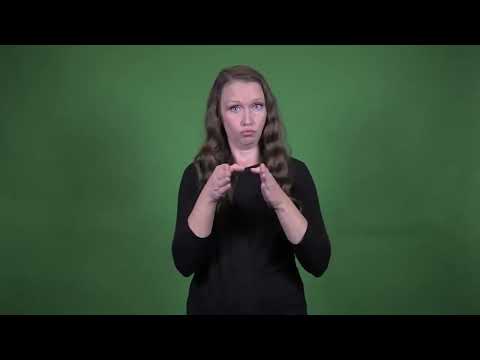
To master the sign for WINDING COUNTRY ROAD in ASL, start with mirror work. This allows you to observe your handshape, movement, and facial expressions in real-time. Focus on the fluid motion that mimics a winding path, which is central to the meaning of the sign. Record yourself signing the sign for WINDING COUNTRY ROAD in ASL and compare it with fluent signers in video dictionaries or ASL tutorials. Slow down playback to check for accuracy in the directional and spatial elements of the sign. This method improves self-awareness and fosters independent correction. Practice the sign in context by incorporating it into full sentences. For example, you might sign “Yesterday, I drove on a winding country road” to build fluency. Contextual use helps reinforce the meaning and improves memory retention. For advanced learners, try creating short stories or narratives that involve rural travel or scenic drives. Use the sign for WINDING COUNTRY ROAD in ASL along with other descriptive signs to create vivid visual scenes. This builds expressive skills and deepens your understanding of how classifiers and spatial referencing work together. Pair up with a study partner and quiz each other using flashcards or scenario-based drills. Describe different types of roads and ask your partner to identify or produce the correct sign. This collaborative practice strengthens comprehension and expressive accuracy.
SEO Cultural Context
The sign for WINDING COUNTRY ROAD in ASL holds cultural significance in storytelling and daily conversation within the Deaf community. Roads, especially rural ones, often appear in narratives about travel, family visits, or scenic experiences. These stories are rich in visual language and spatial mapping, making the sign especially useful for expressive storytelling. Deaf culture values visually engaging and spatially accurate communication. The sign for WINDING COUNTRY ROAD in ASL reflects this by incorporating movement that mimics the curves and turns of an actual road. Knowing how to use this sign correctly demonstrates respect for the visual-spatial nature of ASL. While there is a general sign for WINDING COUNTRY ROAD in ASL, regional variation may affect how it’s produced. Some signers might emphasize the winding motion more dramatically, while others may use classifiers to illustrate the road’s path differently. Exposure to native signers from multiple regions can help you recognize and appreciate these variations. This sign is commonly used when giving directions, recalling past experiences, or describing routes on a road trip. It’s also popular in ASL poetry and visual storytelling, where the curves of the road can symbolize life’s journey or emotional experiences. Understanding its cultural and narrative use enhances your fluency and cultural competence.
Extended Definition
The sign for WINDING COUNTRY ROAD in ASL is typically constructed using classifiers. Most often, it involves the use of both hands as CL:1 handshapes (representing a narrow road or vehicles) that move in a winding, side-to-side motion away from the signer, indicating a curvy path. The movement and directionality are essential for communicating that the road is not straight. This sign is a compound visual concept. “WINDING” is shown through the motion of your hands, while “COUNTRY ROAD” is often conveyed through classifiers and sometimes by adding the sign for “COUNTRY” before or after. The sign must flow smoothly to reflect the meandering nature of a road through rural areas. Learners often confuse the sign for WINDING COUNTRY ROAD in ASL with signs for “highway” or “street,” which are straighter and more rigid in movement. A common mistake is making the movement too stiff or too fast, which can change the meaning entirely. Slow, deliberate, and curved motion is essential to accurately represent the concept. Another error is incorrect handshape. Using a flat hand instead of the CL:1 handshape can confuse the viewer and distort the message. It’s important to keep the index fingers upright and maintain spacing between the hands to show the width and direction of the road.
Tips for Beginners
If you’re new to ASL, don’t worry if the sign for WINDING COUNTRY ROAD in ASL feels tricky at first. This sign involves both hand movement and spatial awareness, which can take time to master. Be patient with your progress and focus on consistency before speed. One helpful trick is to visualize the road as you sign it. Imagine the curves and turns your hands are tracing in the air. This mental image helps guide your movement and keeps your sign from becoming too mechanical or stiff. Practice in front of a mirror to check alignment and handshape. Make sure both index fingers are upright and parallel, with your hands moving in sync. Beginners often make the mistake of letting one hand lag behind, which breaks the visual flow of the sign. Another common mistake is forgetting to use facial expressions. In ASL, your face provides vital context. When signing the sign for WINDING COUNTRY ROAD in ASL, a slight expression of concentration or calmness can help convey the slow, scenic nature of the road. Don’t get discouraged by early mistakes. Everyone learns at their own pace. Keep practicing regularly, especially in full sentences or short conversations. The more you use the sign in real-life scenarios, the more natural it will become.
Connections to Other Topics
The sign for WINDING COUNTRY ROAD in ASL connects closely with the broader category of directional and spatial signs. It shares elements with signs like “HIGHWAY,” “STREET,” and “TRAIL.” Each of these uses classifiers and movement to depict the layout of physical space. Another related concept is the use of classifiers, particularly CL:1 and CL:3. These handshapes represent people, vehicles, and paths, and they’re essential for showing how objects move through space. Understanding classifiers is key to perfecting the sign for WINDING COUNTRY ROAD in ASL. This sign also links to narrative structure in ASL. When telling stories about travel or journeys, spatial referencing plays a big role. You establish a location in the signing space and then show how the road winds through it. This enhances your storytelling clarity and visual impact. Grammatical features like role shifting and eye gaze are also important. When describing a journey on a winding road, you might shift your body or eyes to indicate changes in direction or perspective. Mastering these techniques improves the way you present this sign in visual narratives. Finally, the sign for WINDING COUNTRY ROAD in ASL ties into themes of rural life, travel, and nature. It’s often used in conversations about vacations, countryside visits, or scenic drives. Learning this sign opens the door to richer, more detailed conversations in these contexts.
Lengthy Summary
The sign for WINDING COUNTRY ROAD in ASL is a visually rich and culturally expressive sign that combines directional movement, spatial awareness, and classifier use. It is typically formed using CL:1 handshapes to represent the road’s narrow, winding path. The movement must be fluid and curved to accurately convey the idea of a road that turns through the countryside. This sign is more than just vocabulary—it’s a tool for storytelling, description, and cultural connection. In Deaf culture, visual communication is king. The sign for WINDING COUNTRY ROAD in ASL captures both literal and metaphorical journeys, making it a powerful element in narratives and conversations. Learners should focus on mirror work, video recordings, and contextual practice to internalize the sign. Avoid common mistakes like rigid movement, mismatched hand shapes, or lack of facial expression. These details matter in ASL, where clarity and visual accuracy are essential. Understanding related signs like “HIGHWAY,” “TRAIL,” and “STREET” adds to your vocabulary and helps you see how classifiers and spatial grammar work together. The sign for WINDING COUNTRY ROAD in ASL is an excellent example of how ASL uses space and movement to build meaning. Beginners should remember that fluency comes with time and consistent practice. Use the sign in real-life situations, such as when telling stories or describing trips. Try to incorporate it into your daily signing routine to increase retention and natural use. By mastering the sign for WINDING COUNTRY ROAD in ASL, you’re not only adding a useful word to your vocabulary, but also enhancing your ability to describe complex spatial ideas. Keep practicing, stay curious, and enjoy the journey—just like a winding country road, your ASL learning path may have twists and turns, but it leads to beautiful destinations . Synonyms: Curvy Road, Twisty Path, Circuitous Route, Meandering Road, Snaky Trail Educational resources: Find related learning materials in our course bank! Want more? Check out some of our popular learning activities on the homepage! Need to look up a sign? Use our highly rated dictionary: https://aslinteractive.com/best-asl-dictionary/ Follow us on tiktok: https://www.tiktok.com/@aslinteractive. More social media links at the bottom of this page! Long-tail Keywords: Categories: tags: travel signs, ASL road signs, outdoor scenery in ASL, nature signs in ASL, directions in ASL
Want more? Check out some of our popular learning activities!
ASL Interactive Resources
ASLInteractive YouTube Channel
Follow us on tiktok: @aslinteractive.com
Follow us on Instagram: aslinteractive
Facebook page: aslinteractive
Facebook group: aslinteractive
LInkedIn: ASL Interactive LLC
Twitter: @ASL_interactive
*Some information on this page is AI-generated. AI can make mistakes. Please check the information.
Responses