Practice Activities
One effective way to learn the sign for YOURSELF in ASL is by practicing in front of a mirror. This helps you observe your facial expressions, handshape, and placement to ensure clarity and accuracy. Repeating the motion while focusing on consistent palm orientation and movement will help you internalize the sign more naturally. Another powerful method is recording yourself signing. Record short videos where you use the sign for YOURSELF in ASL in complete sentences. Play them back to evaluate your performance and track your progress over time. This also helps you become more aware of any unintentional habits that may interfere with fluency. Use the sign in context as much as possible. Build practice sentences such as “You need to believe in yourself” or “Do it yourself.” These real-world uses of the sign for YOURSELF in ASL will help you understand its role in conversation and reinforce appropriate usage. For advanced learners, try signing monologues or dialogues with the sign for YOURSELF in ASL embedded naturally. Challenge yourself to use it in spontaneous storytelling or during role-playing scenarios. Incorporate it into various grammatical structures and emotional tones to deepen your expressive range. Group activities also help. Partner with another learner and take turns signing affirmations or instructions that include YOURSELF. Peer feedback is a valuable part of mastering the sign for YOURSELF in ASL and strengthens both your skills and your confidence.
SEO Cultural Context
The sign for YOURSELF in ASL carries more than just grammatical meaning—it reflects values within the Deaf community such as independence, self-advocacy, and personal responsibility. In Deaf culture, direct communication and clarity are highly valued, making it important to use signs like YOURSELF appropriately and precisely. This sign is frequently used in everyday conversation, particularly when emphasizing individual effort or responsibility. You might see it used in classroom discussions, storytelling, or in personal narratives where someone is discussing their own actions or experiences. The sign for YOURSELF in ASL helps emphasize the subject, reinforcing that the action is done by or for the person themselves. There is some regional variation in how this sign is executed. In some areas, the sign is made with a firm single motion, while in others, it may include a slight repetition or stress to add emphasis. Facial expressions also play a key role in conveying intensity or emotional context when using the sign for YOURSELF in ASL. Respecting cultural norms when using this sign is essential. Overuse or misuse can come across as awkward or unclear, especially if the sign is used in the wrong part of a sentence or without proper non-manual signals. In Deaf culture, fluency is not just about knowing signs—it’s about using them naturally and respectfully in context.
Extended Definition
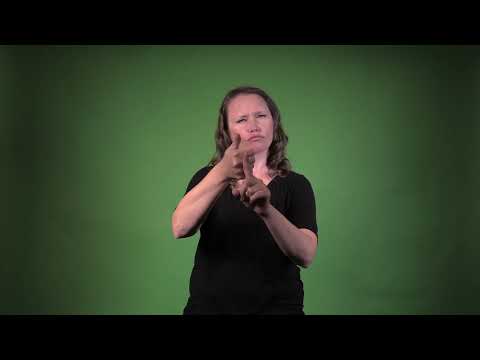
The sign for YOURSELF in ASL is made using the dominant hand in an “A” handshape (a closed fist with the thumb extended). The thumb is tapped once or twice against the center of the chest in a firm and deliberate motion. This sign is a reflexive pronoun and is used to refer back to the subject of the sentence. It is different from the sign for YOU, which simply points toward the person being addressed. The sign for YOURSELF in ASL adds emphasis and clarity, often used to stress that an action is personal or self-directed. For example, “You can do it” versus “You can do it yourself” differ in meaning and require different signs. One common error is confusing YOURSELF with MYSELF or HIMSELF. These signs are similar but depend on the location and context. MYSELF is signed in the same way but tapped on your own chest, while HIMSELF is directed slightly away from your own body toward the individual being referenced. Accuracy in placement is critical. Another mistake is using the wrong handshape or weak movement. The “A” handshape should be firm, and the tap should be clear and intentional. Sloppy execution can lead to confusion. Also, avoid unnecessary repetition unless you’re adding emphasis. Practice helps ensure that the sign for YOURSELF in ASL is both grammatically correct and visually clear.
Tips for Beginners3>
If you’re new to ASL, learning the sign for YOURSELF in ASL can feel a bit challenging at first, especially since it involves body placement and emphasis. But don’t worry—everyone starts somewhere, and this is a great sign to practice because it appears frequently in both casual and formal conversation. Start by mastering the “A” handshape. Practice holding your hand in a firm, natural position. Then, get comfortable with the motion: a solid tap against the center of your chest with your thumb. Use a mirror to check your form and ensure the movement looks deliberate and confident. Don’t rush. It’s tempting to try to sign quickly, but clarity is more important. Take your time when practicing the sign for YOURSELF in ASL, and focus on muscle memory. Over time, speed and flow will come naturally. A common beginner mistake is using the wrong location for the sign. Make sure the thumb taps the center of your chest—not your shoulder or stomach. Also, be mindful of your facial expression. A neutral or affirming expression works best for most uses of this sign. With practice, you’ll find the rhythm and comfort needed to use it fluently.
Connections to Other Topics
The sign for YOURSELF in ASL connects closely with other reflexive pronouns like MYSELF, HIMSELF, and OURSELVES. These signs share similar handshapes and movements but vary in placement depending on the subject. Learning these together can help you understand how ASL expresses reflexive ideas. It also relates to the concept of emphasis in ASL. Using the sign for YOURSELF in ASL adds intensity to a sentence, much like vocal stress in spoken English. Understanding how to emphasize concepts visually is key to mastering ASL grammar and storytelling. Another related concept is spatial referencing. The sign for YOURSELF in ASL often requires awareness of who and where the subject is located in your signing space. As you become more advanced, you’ll learn how to shift your body and gaze to reflect different referents. Personal responsibility and independence are frequent discussion themes in ASL storytelling and community dialogue. The sign for YOURSELF in ASL plays a significant role in these conversations, helping signers articulate self-determination and agency. Finally, this sign is connected to ASL sentence structure. Reflexive pronouns like YOURSELF typically follow the verb or are used for emphasis at the end of a clause. Studying this will deepen your understanding of how ASL differs structurally from English and how to construct grammatically correct sentences.
Lengthy Summary
Mastering the sign for YOURSELF in ASL is a valuable step in developing fluency and expressive ability. This sign, created with a deliberate tap of the “A” handshape on the chest, serves as a reflexive pronoun and adds depth and clarity to your communication. It is not only functional but also a reflection of cultural values like personal responsibility and independence. From mirror work and video recordings to contextual practice and advanced drills, there are many ways to practice this sign effectively. Each method helps reinforce muscle memory and build confidence. Using the sign for YOURSELF in ASL in a variety of contexts will help you understand its grammatical role and cultural significance. Understanding the cultural context is just as important as handshape and motion. In the Deaf community, clarity, facial expression, and appropriate usage are crucial. This sign often appears in discussions about self-advocacy, personal experiences, or instructions that emphasize individual effort. It’s a sign that communicates more than just grammar—it signals respect, identity, and empowerment. Beginners should approach this sign with patience and curiosity. Focus on the basics—handshape, placement, and movement—while also learning how to incorporate emotion and intention. Be aware of common mistakes like misplacement or overuse, and take time to observe native signers. The sign for YOURSELF in ASL connects naturally to other reflexive pronouns, concepts of emphasis, spatial awareness, and grammatical structure. By exploring these connected areas, you deepen your overall understanding of ASL as a rich, visual language. In summary, learning the sign for YOURSELF in ASL opens the door to more expressive and authentic communication. It’s a small sign with a big impact, useful in everyday conversation, storytelling, and academic settings. Keep practicing, stay engaged with the Deaf community, and remember that every sign you learn brings you closer to fluency. Keep signing, keep growing Synonyms: Yourself, You Alone, Self, Own Self, Individual Educational resources: Find related learning materials in our course bank! Want more? Check out some of our popular learning activities on the homepage! Need to look up a sign? Use our highly rated dictionary: https://aslinteractive.com/best-asl-dictionary/ Follow us on tiktok: https://www.tiktok.com/@aslinteractive. More social media links at the bottom of this page! Long-tail Keywords: Categories: tags: ASL pronouns, self-identification in ASL, reflexive signs in ASL, ASL vocabulary for personal reference, learn ASL basics
Want more? Check out some of our popular learning activities!
ASL Interactive Resources
ASLInteractive YouTube Channel
Follow us on tiktok: @aslinteractive.com
Follow us on Instagram: aslinteractive
Facebook page: aslinteractive
Facebook group: aslinteractive
LInkedIn: ASL Interactive LLC
Twitter: @ASL_interactive
*Some information on this page is AI-generated. AI can make mistakes. Please check the information.
Responses