
Definition: A celebration of the anniversary of one’s birth (fourth instance).
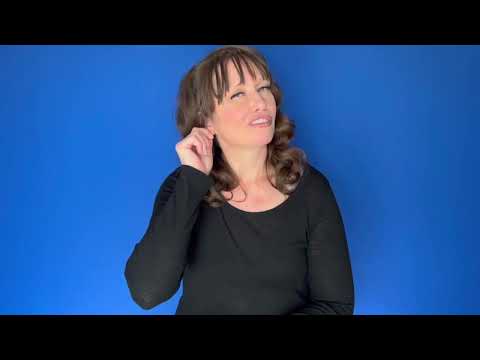
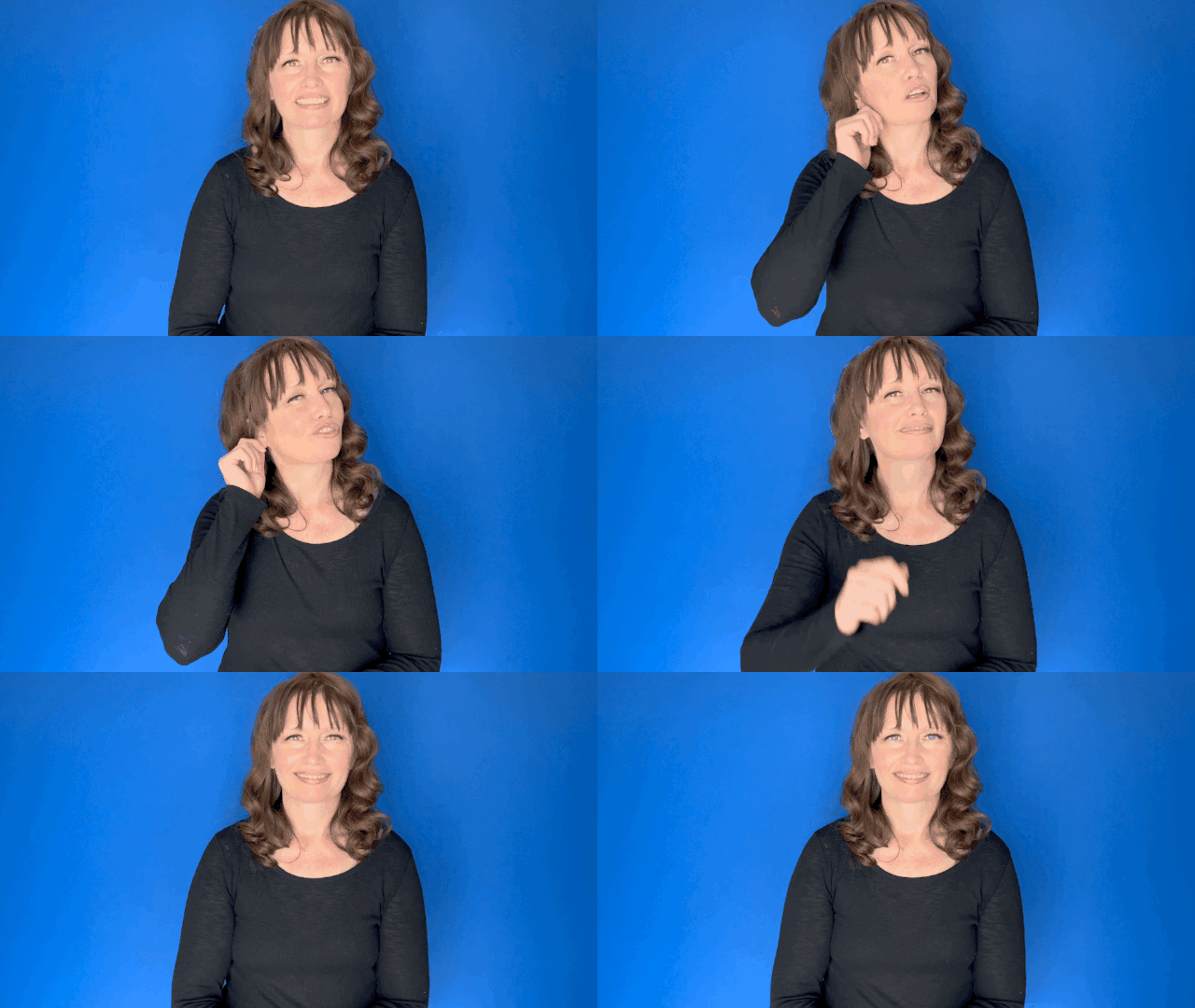
Sign for BIRTHDAY 4 in ASL
Practice Activities:
To build confidence using the sign for BIRTHDAY 4 in ASL, start by practicing the sign in front of a mirror. Focus on handshape, movement, and facial expression. Practice slowly at first, then increase speed as you become comfortable. Repeat the sign by itself several times, using both hands to alternate and reinforce muscle memory.
Work on incorporating the sign into full sentences. Try simple examples like “Today is my birthday,” “Happy birthday to you,” and “Her birthday is in June.” Sign each sentence with appropriate facial expression and emotion. Record yourself and watch it to check for accuracy and clarity.
Engage in short storytelling prompts using the sign for BIRTHDAY 4 in ASL, such as describing a birthday party. For example, sign about who was there, what kind of cake there was, and what gifts were given. Use classifiers to show party details like balloons, decorations, and people sitting around the table.
Practice with a partner by role-playing birthday scenarios. One person can act out planning a birthday party while the other responds with questions or suggestions. Switch roles and include as many related signs as possible, like “cake,” “gift,” “party,” and “friends.”
Use flashcards that mix in the sign for BIRTHDAY 4 in ASL with other vocabulary. This will help with quick recognition and recall. Time yourself to improve speed and accuracy over multiple rounds.
Create a short story or personal narrative about your best birthday. Include information about your age, who celebrated with you, and what you did that made it special. Sign your story in full ASL and share it with a classmate, tutor, or record it to self-evaluate. Use this practice to connect the sign to personal experiences.
Cultural Context:
In American Sign Language (ASL), numbers often play an essential role when combined with specific concepts. The sign for BIRTHDAY 4 in ASL is a good example of how number incorporation interacts with cultural context, particularly when discussing age or milestones. This specific term may arise when someone is referring to a child’s fourth birthday.
Birthdays are widely celebrated in Deaf culture just as they are in hearing communities. The sign for BIRTHDAY 4 in ASL becomes especially significant in family gatherings, school events, and community interactions. It highlights chronological development using both number and concept, offering a visual, language-specific method of communication that’s culturally rich.
When celebrating a fourth birthday, whether it’s a family member, student, or friend, the sign for BIRTHDAY 4 in ASL communicates both the occasion and the age simultaneously. This keeps communication fluid and visually clear, particularly important in environments where social context is built visually rather than auditorily.
The number handshape for 4 is often incorporated into the birthday sign when the age is the focus. The sign for BIRTHDAY 4 in ASL is especially useful during birthday cards presented in video format, at schools for Deaf children, or during community events. These signs are also commonly seen in videos, vlogs, and social media posts when parents wish their Deaf children a happy fourth birthday.
Understanding the cultural context of using signs like BIRTHDAY 4 in ASL gives deeper meaning to communication. It’s not just about relaying facts—it’s about visually expressing experiences that are personally and socially meaningful. In Deaf culture, where visual is central, signing the correct age alongside an event ensures clarity, respect, and connection.
The sign for BIRTHDAY 4 in ASL may also appear in storytelling situations where a narrative includes a memorable fourth birthday. It adds context and timelines for the viewer, making the story more engaging and easier to follow. Whether it’s a historical retelling or a fun family anecdote, incorporating that sign helps link emotions, memory, and age.
In many Deaf families, using ASL from birth ensures children grow up with complete language access, including celebrating special milestones. A child’s fourth birthday might be the first they remember, making the sign for BIRTHDAY 4 in ASL especially cherished by family members. Signing this accurately recognizes their growth and makes the celebration deeply inclusive.
Community events focused on young children’s development often use signs like BIRTHDAY 4 in ASL to promote early language skills
Extended Definition:
The sign for birthday 4 in ASL is a variation used to represent the number four in the context of someone’s birthday. This sign combines the concept of age with the traditional sign for birthday, making it clear that someone is turning four years old. It’s commonly used when talking about very young children and their birthdays, especially in conversations with or about toddlers.
To make the sign for birthday 4 in ASL, you start with the standard sign for “birthday,” which usually involves touching the middle finger of one hand to the chin and then to the chest. Then, you add the sign for the number four by holding up four fingers. You perform both signs together in a smooth combination to show the meaning clearly.
Because the number four is involved, it’s important to make sure the handshape is accurate and visible. Facial expressions also play a large role in ASL communication. When talking about a birthday, smiling and showing excitement can help convey the significance of the occasion, especially when it’s for a child.
The sign for birthday 4 in ASL is often used during birthday parties, educational settings, and everyday conversations. For instance, a parent might use this sign when telling someone their child is turning four years old. Teachers and interpreters can also use this sign when teaching numbers and age-related vocabulary to young learners.
Understanding how to use this sign properly helps build a better vocabulary in American Sign Language. It also supports clearer communication about milestones and important life events. When using ASL, combining number signs and everyday concepts allows individuals to express ideas naturally and effectively.
It’s worth noting that regional and personal variations may affect how people sign birthday 4 in ASL. Some may integrate the number sign more fluidly depending on signing style. However, as long as the meaning is clear and the sign is understood by the other person, small differences are usually acceptable.
Visual context is especially helpful for learning the sign for birthday 4 in ASL. Watching videos, practicing with fluent signers, or reviewing sign language dictionaries can make it easier to remember the movement and handshape. Repetition and practical use are key to mastering it.
ASL learners often focus on combining number signs with other vocabulary words to expand their fluency. The sign for birthday 4 in ASL is an example of how numbers and events come together. Practicing this combination helps improve sentence structure and overall communication skills.
This sign also shows how ASL can adapt to different scenarios. Whether it’s a cartoon character’s birthday or
Synonyms: celebration, anniversary, commemoration, natal day, special day
Educational resources: Find related learning materials in our course bank!
Want more? Check out some of our popular learning activities on the homepage!
Need to look up a sign? Use our highly rated dictionary: https://aslinteractive.com/best-asl-dictionary/
Follow us on tiktok: https://www.tiktok.com/@aslinteractive. More social media links at the bottom of this page!
Long-tail Keywords: what is the sign for birthday in ASL, how do you sign birthday in American Sign Language, learn how to sign birthday in ASL
Categories:
tags: Birthday, Occasions, Celebration, Party, Life milestones
Parameters
*Handshape*:
The handshape for the Sign for BIRTHDAY 4 in ASL begins with the middle finger of the dominant hand extended and slightly bent while the remaining fingers are loosely extended or relaxed. The fingertips may gently touch the chin and then move to the chest area in a light tapping motion. This handshape varies slightly based on regional usage, but it retains the same motion for the Sign for BIRTHDAY 4 in ASL .
*Palm Orientation*:
The palm orientation for the Sign for BIRTHDAY 4 in ASL typically begins with the dominant hand in a flat “5” shape, palm facing inward toward the chest. The movement starts with the middle finger touching the chin and then moves downward to touch the chest, maintaining palm-in orientation throughout.
In this variation of the Sign for BIRTHDAY 4 in ASL, the inward-facing palm promotes a natural flow from the face to the torso, enhancing clarity. Consistent palm orientation helps distinguish it from other similar signs.
*Location*:
The sign for BIRTHDAY 4 in ASL is produced near the upper chest area, specifically starting at the chin or the lips and moving toward the chest. This location helps distinguish it from other signs by anchoring the motion clearly on the upper torso.
Staying close to the face and upper body is crucial for clarity when performing the sign for BIRTHDAY 4 in ASL . The handshape transitions and touchpoints emphasize the celebratory and personal nature of the concept depicted.
*Movement*:
To perform the sign for BIRTHDAY 4 in ASL, use your middle finger and touch it first to your chin and then to your chest. The movement should be smooth and deliberate, with the middle finger representing a modified “25” handshape as it touches both points.
This version of the sign for BIRTHDAY 4 in ASL includes slight emphasis on the down-then-up motion, giving the sign clarity and meaning. The non-dominant hand remains at rest while your facial expression stays neutral or pleasant .
*Non-Manual Signals*:
When demonstrating the sign for BIRTHDAY 4 in ASL, a neutral or mildly pleased facial expression is common . Slight head movement may accompany the sign, often tilting slightly depending on the hand’s position shift from chin to chest.
Your eyes should stay focused on the receiver or the movement of your own hand. Non-manual markers help distinguish the sign for BIRTHDAY 4 in ASL from other variations or similar signs.
*Prosody, Dominant/Non-Dominant Hand*:
The dominant hand in the sign for BIRTHDAY 4 in ASL uses the middle finger to touch the chin and then moves down to touch the chest. This motion mimics the sign for BIRTHDAY, focusing on the personal connection of the date to the body. The non-dominant hand is typically not used.
The sign for BIRTHDAY 4 in ASL involves smooth, deliberate movement, with facial expression contributing to the natural prosody of the sign. This version helps clarify the context of BIRTHDAY when multiple variations are used.
Tips for Beginners:
When learning the sign for BIRTHDAY 4 in ASL, it’s important to focus on your handshape and facial expressions. This version may vary slightly depending on regional preferences, so consistency is key. Watch native signers or reliable ASL video dictionaries online and mimic their exact motion and body orientation until it feels natural. Make a note of your facial expression—adding a slight smile can help make your communication feel warmer and more engaging .
A common pitfall many beginners encounter when practicing the sign for BIRTHDAY 4 in ASL is hand placement. Make sure your dominant hand correctly moves from the chin area down to the chest if that’s the motion used in this version. Double-check that your fingers hit the correct locations gently but deliberately to avoid making it look like a different sign. Using a mirror while practicing can help you compare your signing to models you’ve studied.
Try recording yourself while practicing this sign. Reviewing your own videos can help you spot errors like vague hand movements or angles that obscure clarity. Consistency in motion is especially important in the sign for BIRTHDAY 4 in ASL. Any alteration in speed or direction might confuse the viewer or cause the sign to resemble a different concept entirely.
When in doubt, fingerspell the word if you’re not sure whether you’re signing the right variation. Native signers will appreciate the effort and can help clarify any confusion. Also, ask your Deaf friends or instructors for feedback—they’ll often catch small things you might miss. Patience and repetition are key when locking in subtle sign variants like the sign for BIRTHDAY 4 in ASL. Keep your movements fluid, review often, and don’t be afraid to ask for guidance. Practice with real people if you can—conversation builds both fluency and confidence!
Connections to Other topics:
The sign for BIRTHDAY 4 in ASL connects closely with temporal and celebratory vocabulary in ASL. It fits into a broader category of signs involving personal milestones, such as ANNIVERSARY, HOLIDAY, and CELEBRATE, all of which often appear in narratives about family or social life. Knowing how to incorporate the sign for BIRTHDAY 4 in ASL into those narrative frameworks helps build fluency.
Compound signs and contextual usage are also essential. For instance, pairing BIRTHDAY with the sign for PARTY supports more detailed expressions like “birthday party.” Verb agreement and inflection may also come into play when someone says “I celebrated your BIRTHDAY.” The sign for BIRTHDAY 4 in ASL can be part of larger phrases that describe age-related scenarios, such as “turning twelve” or “getting a birthday gift.”
This sign also shares visual classifiers and movement patterns with signs such as GIFT or CAKE. Classifier usage is helpful in depicting scenes like presenting a birthday cake or opening presents. These connections allow storytellers to create vivid, engaging scenes around the concept of a birthday.
Understanding the structure behind the sign for BIRTHDAY 4 in ASL also helps when discussing dates and life events. It’s connected to the sign for AGE, because age is often discussed during birthdays. Additionally, ASL users might connect this sign with CALENDAR or DATE to express when a birthday occurs.
Those learning ASL can benefit from linking signs like BIRTHDAY to family vocabulary such as MOTHER, FATHER, and CHILD, since birthday conversations often evolve around family members. By using the sign for BIRTHDAY 4 in ASL in realistic conversations about family events, learners build practical language skill and deepen contextual knowledge.
Summary:
The sign for BIRTHDAY 4 in ASL differs slightly from other birthday variations, highlighting how nuanced sign language can be. To perform this version, the sign begins with the middle finger of the dominant hand touching the chin and then transitioning to touch the chest over the heart area.
This middle finger movement indicates a derivative of the sign for FAVORITE or TASTE but transfers location to involve the chest, personalizing the concept. That layering of tactile reference points allows ASL to indicate more than surface meaning—it invokes emotion and connection with the person whose birthday is being celebrated.
In the sign for BIRTHDAY 4 in ASL, keeping the dominant hand open in a five-hand shape, with the middle finger slightly extended, is essential. The middle finger briefly touches the chin and then taps over the heart, suggesting both physical age and internal celebration.
Culturally, birthdays in Deaf communities often hold different significance than in hearing cultures. While hearing people may emphasize celebratory speech or singing, Deaf communities rely on visual cues, shared signs, and communal gatherings expressed in ASL.
Within grammar, this sign functions as a noun, used in both present and past-tense discussions. It often appears in contexts focusing on personal milestones, yearly traditions, or planning future celebrations like surprises or gift-giving events.
Facial expressions are crucial when using the sign for BIRTHDAY 4 in ASL. A bright facial expression can indicate positive feelings. Conversely, a neutral or sad expression might shift the implied meaning, such as talking about a forgotten or missed birthday.
This version distinguishes itself from others such as the sign that uses a tapping of the number one finger to the chin and then the chest. Each variation potentially aligns with regional or generational dialects within ASL, suggesting subtle influences across Deaf communities nationwide.
ASL dialectology is a fascinating lens through which signs like this can be studied. It reflects regional, racial, and cultural differences. The sign for BIRTHDAY 4 in ASL could be more common in some areas and completely foreign in others, even if the concept extends universally.
Related signs include CELEBRATE, GIFT, CAKE, or PARTY. These are often grouped together while storytelling or describing a birthday experience in ASL. The sign for PARTY, for instance, is dynamic and festive, pairing well visually with the serene motion of BIRTHDAY 4.
Linguistically, this sign demonstrates how ASL uses space and touch to prime associations. The middle finger, already iconic in signs for feel and preference, becomes the perfect finger to evoke a personal day of importance.
Many students learning ASL appreciate signs like this because they are intuitive yet rich. From an applied linguistics standpoint, this sign offers tactile mapping and memorability due to its emotive nature.
Visual storytelling often sees the sign for BIRTHDAY 4 in ASL set within detailed narratives. Signers may incorporate body shifts to represent different people involved in the birthday gathering or gift process, suggesting subjects and objects purely through posture.
Timing and sequencing offer further insight into this sign’s depth. Signers may refer to age first, then build toward the birthday moment using this sign, then culminate with describing the celebration in a spatial arc around the signing space.
The absence of vocal elements in ASL magnifies how such signs are communicated. The tactile sign for BIRTHDAY 4 in ASL focuses on touch points that represent both speech and spirit—where the words would be spoken and where the meaning is felt.
The concept of personal identity is central here. A birthday signifies one’s entrance into the world as a unique individual. ASL celebrates this not only through exact signs but through its overall linguistic structure, which elevates visualization and human connection.
Children learning this sign in ASL often learn it early because birthdays are frequent discussion topics. Family events, school celebrations, and age progression all become significant conversational centers involving this specific sign.
Teaching the sign for BIRTHDAY 4 in ASL also includes explaining how meaning is constructed. Teachers tend to scaffold the lessons by first introducing facial grammar, touch points, and related celebratory signs to build a thematic vocabulary base.
Deaf elders sometimes exhibit yet different versions of this sign, echoing historical shifts in ASL usage. Subtle differences from older generations show how language evolves and how cultural values are preserved within those changes.
A fascinating aspect of the sign for BIRTHDAY 4 in ASL lies in sign rotation and economy. The natural flow from chin to chest enhances fluency, avoiding extra or stiff movements that novice signers sometimes attempt unnecessarily.
Like poetry, this sign can be stylized. In performance ASL or storytelling setups, the sign can vary slightly in delivery—with expanded mouth morphemes, exaggerated movement, or repeated motion to create rhythm and tone.
From a semantic standpoint, the dual contact points in this sign offer an embodied metaphor. The head symbolizes consciousness or thought, while the chest is often linked to feeling
Want more? Check out some of our popular learning activities!
ASL Interactive Resources
ASLInteractive YouTube Channel
Follow us on tiktok: @aslinteractive.com
Follow us on Instagram: aslinteractive
Facebook page: aslinteractive
Facebook group: aslinteractive
LInkedIn: ASL Interactive LLC
Twitter: @ASL_interactive
*Some information on this page is AI-generated. AI can make mistakes. Please check the information.
Responses