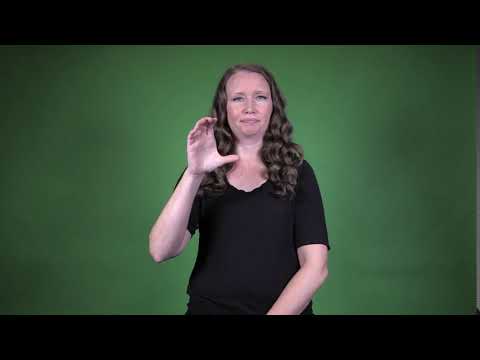
Definition: A medical doctor 2.
Sign for DOCTOR 2 in ASL
Practice Activities:
To practice the sign for DOCTOR 2 in ASL, begin with isolated repetitions in front of a mirror. Focus on the correct handshape and movement, especially how the dominant hand taps on the wrist of the non-dominant hand. Use slow and deliberate repetitions to build muscle memory, signing it at least 10 times in a row to engrain the motion.
Next, incorporate the sign for DOCTOR 2 in ASL into simple sentences. Examples include: “I need to see a doctor,” “The doctor helped my sister,” or “Where is the doctor?” Try signing these while watching yourself or recording on video to evaluate accuracy. Repetition in context helps reinforce understanding and expressive skills.
Create a mini-story using the concept of a doctor. Describe a visit to a clinic using both the sign for DOCTOR 2 in ASL and supportive signs like help, sick, wait, and medicine. For example, “Yesterday, I was sick. I went to see the doctor. She gave me medicine.” Practice telling this story to a practice partner or interpreter tutor.
Work with a partner for comprehension game-style drills. One person can describe a scenario using signs such as hospital, doctor, check, nurse, and the other responds with related signs or questions. This type of interactive use builds signing fluency and comprehension in a conversation-like setting.
Flashcard drills can also help. Create cards with images of different medical professionals, and sign the correct ASL term with focus on the sign for DOCTOR 2 in ASL when appropriate. Thoughtfully comparing this variation with other professional signs can solidify sign differentiation skills.
Practice with role-play can increase comfort with real-life applications. Take turns acting as the doctor and patient using the sign for DOCTOR 2 in ASL, adding detail using facial expressions and patient-doctor interaction vocabulary. This builds real-world signing confidence.
Cultural Context:
In American Sign Language, the sign for DOCTOR 2 in ASL represents more than just a profession; it reflects the respect and trust placed in healthcare professionals within the Deaf community. The sign for DOCTOR 2 in ASL is often used in a variety of contexts, including discussions about checkups, emergencies, and health education. It’s a common sign in both everyday conversations and more formal medical dialogues.
The cultural importance of the sign for DOCTOR 2 in ASL also lies in its connection to access and inclusivity. Historically, Deaf individuals have faced barriers when it comes to medical care, primarily due to communication challenges. The sign for DOCTOR 2 in ASL plays a crucial role in bridging this gap, empowering the Deaf community to advocate for themselves in clinical settings.
In Deaf culture, clear and respectful communication is vital, especially in medical situations where misunderstandings can lead to serious consequences. Using the sign for DOCTOR 2 in ASL ensures that information is conveyed accurately, helping patients understand diagnoses and treatment options. It also promotes autonomy and informed decision-making among Deaf individuals.
The sign for DOCTOR 2 in ASL can be seen in both one-on-one interactions and large group educational settings. For example, it appears in ASL health workshops and videos designed to teach healthcare vocabulary. These resources help standardize signs across regions while honoring the linguistic richness of ASL.
There are also variations of signs within ASL, depending on location, age, or personal background. While the sign for DOCTOR 2 in ASL is widely recognized, some users might choose alternate versions or combine it with facial expressions for added meaning. This flexibility is a hallmark of ASL’s visual and expressive nature.
Deaf professionals in healthcare often use the sign for DOCTOR 2 in ASL to represent their own titles and inspire others in the community. Seeing someone sign DOCTOR 2 can be a source of pride and motivation, especially for younger Deaf individuals who aspire to join the medical field. It reinforces the idea that Deaf people can hold important roles in society, including in health and science.
Within Deaf families and social gatherings, using the sign for DOCTOR 2 in ASL is common when talking about scheduled appointments, illnesses, or stories involving medical care. It keeps the conversation flowing naturally without needing to switch languages. This seamless communication strengthens community bonds and reduces dependence on interpreters in casual situations.
Educators and interpreters also place emphasis on teaching the correct use of the
Extended Definition:
The sign for doctor 2 in ASL is a variation commonly used within specific ASL communities and regions. American Sign Language often includes multiple signs for a single concept, and doctor 2 is one such alternate version of the mainstream medical professional sign. This version may differ slightly in handshape or placement but still conveys the same concept clearly.
To produce the sign for doctor 2 in ASL, your dominant hand typically forms a modified “flat” hand or “open B” handshape and gently taps the wrist of your non-dominant hand. This sign is meant to symbolize checking a pulse, which relates directly to the medical profession. Some variations may adjust the tapping motion or hand orientation depending on context or regional preference.
The sign for doctor 2 in ASL is often used when referring directly to medical doctors, such as physicians, pediatricians, or general practitioners . It may also be used in storytelling or educational contexts when emphasizing traditional or clinical roles within the healthcare system. Understanding the context of the conversation helps select the appropriate version of the sign for clarity.
Both deaf and hearing communities that use ASL benefit from knowing different versions of the sign for doctor. The sign for doctor 2 in ASL may feel more formal or specific, and users may choose it depending on who they’re talking to and where they are geographically. Showing familiarity with this variant can help improve communication and cultural fluency in ASL.
Children learning ASL through schools that use Signed Exact English or modified systems may also encounter the sign for doctor 2 in ASL. Teachers often introduce both mainstream and variant signs to help students better understand and navigate the diversity of sign language use. Visual learners respond especially well to seeing multiple authentic versions.
The sign for doctor 2 in ASL is part of the evolving nature of language within the deaf community. As medical fields expand and public interaction with healthcare professionals increases, it’s important that signs like this one keep pace with real-world communication needs ⏱️. Knowing more than one version provides flexibility and encourages richer expression in ASL.
In videos or visual ASL dictionaries, you may see slight differences in facial expressions or speed when demonstrating the sign for doctor 2 in ASL. These supporting cues are important in conveying mood, tone, and urgency, especially during medical emergencies. Practicing with a fluent signer or video resource can help improve accuracy and confidence.
Parents, interpreters, and medical staff interacting with the deaf community also benefit from knowing the sign
Synonyms: physician, medic, general practitioner, healthcare provider, medical practitioner
Educational resources: Find related learning materials in our course bank!
Want more? Check out some of our popular learning activities on the homepage!
Need to look up a sign? Use our highly rated dictionary: https://aslinteractive.com/best-asl-dictionary/
Follow us on tiktok: https://www.tiktok.com/@aslinteractive. More social media links at the bottom of this page!
Long-tail Keywords: what is the sign for doctor in ASL, how do you sign doctor in American Sign Language, what is the ASL sign for doctor
Categories:
tags: Health, Occupations, People, Language Learning, Facilities and other locations/needs
Tips for Beginners:
When learning the sign for DOCTOR 2 in ASL, it’s important to first observe how the dominant hand taps onto the open palm of the non-dominant hand near the wrist. This variation emphasizes a quick, deliberate movement, and mimics taking a pulse or conducting a medical check. Accuracy in hand placement and motion strengthens clarity, especially when communicating in healthcare contexts.
Beginners should focus on maintaining a steady, relaxed hand posture. The open palm should face up, with fingers pointing slightly away from the signer. Touch the wrist lightly but firmly with the fingertips of the dominant hand, as soft or too quick touches can confuse the viewer. A common mistake is tapping too far up the arm or inconsistently, which can cause misunderstandings.
Practice in front of a mirror to monitor your handshape and the angle between your hands. The sign for DOCTOR 2 in ASL should flow naturally and not look stiff or forced. Remember to stay consistent with your dominant hand and avoid switching hands, as that can disrupt comprehension. This sign is easily confused with other healthcare-related signs if the location or movement is off.
Facial expressions are subtle here but still matter. Keep your expression neutral or attentive, especially when portraying professional contexts like a conversation about health or a checkup. Over-exaggerating facial expressions can distract from the clarity of the sign for DOCTOR 2 in ASL.
Lastly, pair the sign with fingerspelling “DR” when introducing someone formally or for added clarification. This can be helpful in both educational and professional settings. Consistent practice, checking understanding with a fluent signer, and watching videos with native ASL users can greatly improve your confidence with the sign for DOCTOR 2 in ASL.
Connections to Other topics:
The sign for DOCTOR 2 in ASL connects closely with signs related to medical professions, such as NURSE, HOSPITAL, and MEDICINE. Understanding this sign can help learners better grasp the broader category of health-related vocabulary in ASL. It often uses the dominant hand in a flat-O shape tapped on the wrist of the non-dominant hand, resembling where a doctor might check for a pulse.
This sign also ties into signs for various medical specialties like DENTIST or SURGEON, which may incorporate a similar formation but with added descriptive classifiers. The sign for DOCTOR 2 in ASL can be part of compounds like EYE-DOCTOR or CHILD-DOCTOR, where the profession is clarified by context. For EYE-DOCTOR, the sign for EYE is added before DOCTOR 2, creating a more specific term within the medical field.
It also builds on classifiers and facial expressions to convey urgency, seriousness, or routine context. When used in storytelling or narratives, the sign for DOCTOR 2 in ASL can carry added meaning based on situational cues and accompanying signs like SICK, EMERGENCY, or APPOINTMENT. These contextual layers make it versatile in everyday and academic usage.
The sign is linked to general ASL topics like occupations, locations (e.g., CLINIC or HOSPITAL), and health conditions. For example, in phrases like “go see the DOCTOR 2 because SICK,” the sign is essential to expressing urgency and health-related needs. It is also common in discussions about health insurance, check-ups, or when asking “Do you need a DOCTOR 2?”
Learners can benefit from comparing this sign to similar ones that use the wrist or palm as locations, such as WATCH or BLOOD-PRESSURE-CHECK, to reinforce spatial awareness and handshape differences. The sign for DOCTOR 2 in ASL opens the door to understanding more advanced medical-related sign combinations and helps solidify the core vocabulary related to health and care.
Summary:
The sign for DOCTOR 2 in ASL involves placing the dominant hand in a flat “B” handshape and tapping it lightly on the upturned wrist of the non-dominant hand, which is also in a flat position. This gesture is evocative of checking a pulse or a medical examination, and it’s a common variation used across many ASL regions. The movement is intentional and brief, usually repeated once or twice for clarity.
The sign draws from real-world associations with medical professionals, emphasizing the practitioner’s role in checking the body. This natural connection between the physical action and the medical context makes the sign intuitive and easy to remember for ASL learners. The connection between touch and assessment is deeply embedded in the sign.
The sign for DOCTOR 2 in ASL connects to broader themes in medical terminology and healthcare accessibility. ASL often incorporates everyday symbols to represent specific professions or roles. In this case, the wrist tap bears a semiotic relationship with physical diagnoses, especially in Western medical practices.
Unlike other variations, the sign for DOCTOR 2 in ASL tends to emphasize the human contact aspect of caregiving. It serves as more than just a profession title—it symbolizes the presence and attentiveness of the medical caregiver. By placing the sign on the wrist, the sign centers the idea of touch, a fundamental element in medical settings.
Grammatically, this sign functions as a noun in most contexts and can often be followed by classifier signs or directional verbs to build complex sentences. For example, it’s commonly used with movement verbs indicating treatment, support, or interaction. Its inclusion in topic-comment sentence structures reveals how central medical references can be in shaping dialogues about health.
Culturally, the sign for DOCTOR 2 in ASL underscores historical interactions between the Deaf community and medical systems. The Deaf community has had nuanced and sometimes difficult experiences with medical professionals, particularly in terms of accessibility and communication. This sign finds itself in the tension between autonomy and medical authority.
The use of space and body location in the sign contributes to its linguistic depth. By tapping on the wrist—a part of the body associated with life force and timing—the sign expresses metaphoric ownership of the body. It’s a small but powerful detail that reveals the symbolic richness of ASL.
There are related signs in the semantic domain of medical professions, such as NURSE, THERAPIST (FS), or PATIENT. Each of these may share similar tapping or directional cues, but with subtle variations in handshape or location. By comparing these, learners develop a more nuanced understanding of role-based vocabulary in ASL.
The sign for DOCTOR 2 in ASL can also bear sociolinguistic markers. Depending on regional dialect, age, and interfacing with Signed Exact English (SEE) systems, the sign may vary in formality or frequency. These nuances are important when navigating Deaf cultural interactions across geographic regions.
This version of the sign may also show gender neutrality, which is increasingly significant in modern ASL usage. Earlier iterations sometimes included gender-specific classifiers or additional cues, but contemporary usage leans away from these conventions. The simplicity of DOCTOR 2 aligns with inclusive language trends.
Insights from applied linguistics show how signs like DOCTOR 2 are part of vertical semantic fields. This means the sign functions within larger structured vocabularies around health, wellness, and care. ASL learners benefit from knowing such sign relationships to build vocabulary quickly and contextually.
Non-manual markers are generally neutral in this sign but could change based on sentence type, like WH-questions or conditional clauses. For instance, raising the eyebrows or tilting the head could introduce contrastive or rhetorical effect. Facial grammar in ASL is always linked to correctness and meaning.
The sign also aligns with classifier frameworks when used in larger discourse. For example, a DOCTOR 2 could be described entering a room or interacting with a patient using classifier handshapes for movement or position. These storytelling tools enable dynamic narration in medical discussions.
The social impact of the sign resides in representational equity. ASL signs like DOCTOR 2 enable Deaf individuals to claim identities within professional spaces. Naming a role opens up conversation around presence, expectations, and career representation in Deaf communities.
Interpretation of the sign in real-time settings requires fluency and sensitivity, particularly during hospital visits or health instruction scenarios. Certified interpreters must replicate this sign clearly and rhythmically to maintain patient comprehension. The reliability of this sign increases in critical moments like consent explanation or symptom discussion.
The evolution of the sign for DOCTOR 2 in ASL speaks to the organic nature of signed languages. It possibly emerged as a variation to simplify motion or adjust to differing anatomical references, especially for individuals with physical limitations. Language change responds to community need, and this sign is an example of adaptive vocabulary.
In Deaf education, the sign is taught alongside other essential health-related signs, often during elementary health units or community safety lessons. With early exposure
Want more? Check out some of our popular learning activities!
ASL Interactive Resources
ASLInteractive YouTube Channel
Follow us on tiktok: @aslinteractive.com
Follow us on Instagram: aslinteractive
Facebook page: aslinteractive
Facebook group: aslinteractive
LInkedIn: ASL Interactive LLC
Twitter: @ASL_interactive
*Some information on this page is AI-generated. AI can make mistakes. Please check the information.
Responses