Definition: Idiomatic expression meaning o represent something as being larger, greater, better, or worse than it really is.
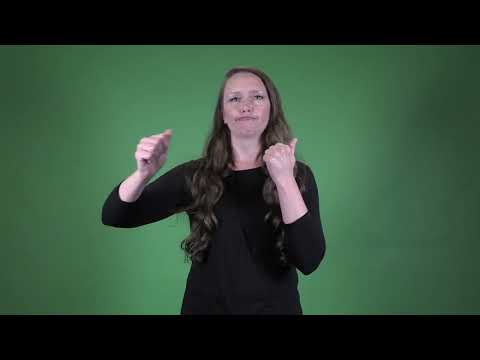
Sign for EXAGGERATE 2 in ASL
Practice Activities:
To build fluency with the sign for EXAGGERATE 2 in ASL, start by practicing the sign in isolation. Use a mirror to monitor your hand movements and body expression, ensuring that the motion is fluid and expressive. Since this version of the sign may differ from the more common variant, pay careful attention to handshape and movement to reinforce muscle memory.
Next, incorporate the sign into brief phrases or single-sentence contexts. Examples include: “He exaggerate everything,” “Don’t exaggerate that story,” or “She always exaggerate her achievements.” Sign these slowly at first, then increase speed as you gain confidence and clarity. Focus on your non-manual markers to support the exaggerative tone with your facial expressions.
Try storytelling as a fun way to internalize the sign for EXAGGERATE 2 in ASL. Make up a short, silly tale where a character wildly overstates everyday events, such as a child claiming a goldfish was as big as a shark. Use the sign each time you describe one of the exaggerated details. This will help develop narrative flow with expressive signs.
In partner activities, take turns saying simple sentences that require your partner to reply with an exaggerated version using the sign. For example, one person says “I saw five birds today,” and the other signs an over-the-top version like “I saw a thousand birds flying in circles!” Emphasizing the difference trains you to use the sign with clarity and humor.
Record yourself signing different sentences that include the sign for EXAGGERATE 2 in ASL, and review your videos to make sure your movement is consistent and expressive. Practice making your exaggerations visibly dramatic without overcomplicating the sign structure. Repetition with variation will help reinforce retention.
Cultural Context:
Understanding the cultural context of the sign for EXAGGERATE 2 in ASL means looking at how the Deaf community uses and interprets expressive communication. American Sign Language thrives on visual clarity and emotional authenticity, and exaggeration plays a significant role in conveying intensity or emphasis. The sign for EXAGGERATE 2 in ASL captures these expressive nuances through movement, facial expressions, and space.
In Deaf culture, being expressive is not considered over-the-top or dramatic—it’s essential and valued. When someone uses the sign for EXAGGERATE 2 in ASL, it can indicate that a person is extending the truth in a humorous or illustrative way, not always with negative intent. The context and delivery determine tone, and Deaf signers naturally adapt the sign to match the emotional weight of the message.
The sign for EXAGGERATE 2 in ASL might appear in storytelling, jokes, or drama performances, where visual impact is key. Exaggeration helps make stories come alive and makes emotional states easier to recognize. It’s also used in everyday conversation when the signer wants to emphasize a point, show that something was blown out of proportion, or call out dramatic behavior.
Facial expressions and body language are integral parts of the sign for EXAGGERATE 2 in ASL. The sign alone does not convey sarcasm, playfulness, or frustration—the face and tone do. This ties into the larger cultural value in the Deaf community of visual and intentional communication. Knowing how to read and use these cues helps prevent misunderstandings.
This sign is influenced by the natural human behavior of amplifying feelings or situations. Kids and adults alike use the sign for EXAGGERATE 2 in ASL when describing tall tales, imitating others, or reacting to something highly unusual. It’s a versatile sign that becomes more meaningful depending on who is signing, their intent, and the context in which it’s used.
Just as tone of voice matters in spoken language, facial grammar matters in ASL. When using the sign for EXAGGERATE 2 in ASL, raised eyebrows, widened eyes, or exaggerated mouth movements contribute to the overall message. Cultural fluency in ASL means picking up on these keys and knowing how to use them effectively.
The Deaf community often embraces humor and dramatic flair, and exaggeration can be one way to connect with others. Whether calling out someone’s drama or telling a funny story, the sign for EXAGGERATE 2 in ASL can
Extended Definition:
The sign for exaggerate 2 in ASL is used to express when someone is overstating or stretching the truth beyond what is realistic or believable. It conveys a sense of embellishment or making a story or situation seem more dramatic than it really is.
In American Sign Language, exaggeration can be shown by using specific hand movements and facial expressions to emphasize the intensity of the situation. The sign for exaggerate 2 in ASL typically involves repetitive motions and an expressive face to mirror the dramatic nature of the word.
ASL relies heavily on facial grammar and body language to communicate tone and emotion. When using the sign for exaggerate 2 in ASL, it’s important to use raised eyebrows, widened eyes, or a slight smirk to show that something is being overblown intentionally or for humorous effect.
You might use the sign for exaggerate 2 in ASL when describing a friend who always tells stories with extra flair, or someone who reacts to small issues as if they’re a major crisis. This version of the sign adds an extra layer of theatricality to emphasize just how over-the-top something seems.
This variant of the sign may differ slightly in handshape, palm orientation, or movement depending on region or signer preference. However, the overall meaning—amplifying or overstating—is consistent with how exaggeration is understood in general conversations.
When using the sign for exaggerate 2 in ASL in a sentence, you might pair it with other emotion-based signs to add depth. For instance, combining this sign with words like drama, lie, or joke can give your message nuance and clarity.
This sign is especially useful in storytelling or casual conversations where you want to draw attention to the embellished nature of what’s being said. The sign for exaggerate 2 in ASL captures that playful or critical tone when you’re calling out someone’s tendency to go beyond the truth.
Like many ASL signs, facial expression and body movement will often carry just as much meaning as the handshapes themselves. The sign for exaggerate 2 in ASL becomes much more effective when paired with expressive and exaggerated movement, echoing the idea you’re trying to get across.
This sign is commonly used in both Deaf and hearing communities who use ASL to talk about people or events that feel stretched or unrealistic. It helps the conversation stay vivid and engaging while providing commentary on the way something is being presented.
Understanding how to use the sign for exaggerate 2 in ASL allows for more
Synonyms: overstate, amplify, magnify, embellish, inflate
Educational resources: Find related learning materials in our course bank!
Want more? Check out some of our popular learning activities on the homepage!
Need to look up a sign? Use our highly rated dictionary: https://aslinteractive.com/best-asl-dictionary/
Follow us on tiktok: https://www.tiktok.com/@aslinteractive. More social media links at the bottom of this page!
Long-tail Keywords: what is the sign for exaggerate in asl, how do you sign exaggerate in asl, asl sign for exaggerate
Categories:
tags: exaggerate in American Sign Language, how to sign exaggerate in ASL, ASL exaggerate tutorial, exaggerate ASL meaning, exaggerate sign language explanation
Parameters
*Handshape*:
The handshape used in the sign for EXAGGERATE 2 in ASL involves both hands in a modified “C” or open curved handshape, similar to how you would shape your hands to show something large or inflated . The fingers are extended and spread slightly apart, with the thumbs extended as well for emphasis.
In the sign for EXAGGERATE 2 in ASL, the hands move outward from the body, suggesting amplification or going beyond normal limits. This expressive handshape helps emphasize the concept of overstatement or stretching the truth.
*Palm Orientation*:
The palm orientation for the sign for EXAGGERATE 2 in ASL generally involves both hands in a forward-facing position. The dominant hand often takes the lead, with palms facing each other or slightly tilted forward as they move outward in an expressive motion.
This orientation emphasizes the idea of stretching or emphasizing beyond the norm, aligning with the meaning behind the sign for EXAGGERATE 2 in ASL. The movement and palm direction help accentuate the concept visually .
*Location*:
The sign for EXAGGERATE 2 in ASL is typically produced in the neutral space in front of the torso, at about chest level. Both hands move outward from the center, emphasizing the concept of going beyond the normal or expected. This neutral signing area ensures the motion is easily visible and clearly expresses the exaggeration.
In the sign for EXAGGERATE 2 in ASL, the location is crucial for conveying the expansion or amplification being described. Performing it at chest height in neutral space helps add emotional flair and clarity to the expression.
*Movement*:
Start with both s hands in a relaxed “A” handshape, palms facing each other about shoulder-width apart. Move both hands upward in a zig-zag motion, gradually enlarging the movement to emphasize distortion or overstatement. The sign for EXAGGERATE 2 in ASL involves a forceful, dynamic movement that builds intensity, symbolizing embellishment or stretching the truth. This version emphasizes dramatization through expressive, upward gestures. ✨
*Non-Manual Signals*:
Facial expressions for the sign for EXAGGERATE 2 in ASL often include wide eyes, arched eyebrows, and a slightly open mouth to convey a sense of overstatement or amplification. The signer may lean forward a bit and show enthusiasm or emphasis through an animated face , helping to visually match the meaning of exaggeration.
These non-manual signals support the overall tone of the sign for EXAGGERATE 2 in ASL, reinforcing the intensity or dramatic nature of the concept. A dynamic facial expression is key to making sure the message feels intentional and expressive.
*Prosody, Dominant/Non-Dominant Hand*:
The sign for EXAGGERATE 2 in ASL uses both hands. The dominant hand is a curved “5” handshape, and the non-dominant hand mirrors the same shape. Starting near each other in front of the torso, both hands move outward in an upward circular motion, showing expansion or overstatement.
This version of the sign for EXAGGERATE 2 in ASL emphasizes intensity or embellishment. Facial expression plays a strong role—raised eyebrows and wide eyes help convey the meaning of exaggeration clearly.
Tips for Beginners:
When learning the sign for EXAGGERATE 2 in ASL, begin by paying close attention to how the movement is produced. Often, this version involves a circular motion that grows in size to reflect the idea of stretching or blowing things out of proportion. Make your movements deliberate but controlled; exaggerated doesn’t mean wild or sloppy .
Facial expressions play a crucial role in the sign for EXAGGERATE 2 in ASL. Practicing with expressive eyebrows or a slightly shocked or impressed face can help convey the feeling behind the sign. Think about how you would respond if someone were clearly overdramatizing a situation—that same emotion belongs in this sign .
Clarity in your motion is vital. Some beginners may try to overdo the movement, making it too fast or too large, which can confuse the viewer or change the meaning. Practice the sign slowly and then build up speed as you gain confidence. Remember, exaggerated should look purposeful, not uncontrolled.
Hand positioning matters too. Often only one hand is in motion while the other remains steady, so aligning your hands accordingly will improve the accuracy of the sign. Watching yourself in a mirror can help ensure your sign stays clean and readable .
The sign for EXAGGERATE 2 in ASL may vary slightly depending on regional dialects or storytelling contexts. Watch fluent signers and note variations, but keep practicing the version you learn consistently until you master it. Mimicking exaggerated body language without going off the rails can be a helpful way to internalize the sign.
Incorporate the sign into real conversations to reinforce it. Describing someone who’s “always exaggerating” or retelling a dramatic experience gives you plenty of chances to work it into your vocabulary naturally . Practice often and don’t be afraid to ask for feedback.
Connections to Other topics:
The sign for EXAGGERATE 2 in ASL connects closely with signs related to overstatement, dramatization, or grand gestures. This version emphasizes the idea of going beyond the truth or reality, which can also link to emotional expressions, visual storytelling, and expressive signing techniques often used in ASL narratives. In storytelling, signers often exaggerate actions, feelings, or reactions to create a better visual picture or entertain the audience.
This sign overlaps conceptually with signs like DRAMA, SHOW-OFF, or BRAG. These signs, while different in execution, are part of the same conceptual family dealing with emphasis or highlighting something in an overstated manner. When using the sign for EXAGGERATE 2 in ASL, it’s common in conversational tones to also pair it with facial expressions like raised eyebrows or widened eyes to match the intensity of the content being shared.
In compound expressions, the sign for EXAGGERATE 2 in ASL might be used with signs like STORY or REACT. For example, if someone is telling a story and dramatizing it for comedic effect, a signer may describe that person as EXAGGERATE + STORY, signaling a humorous or theatrical communication. The interplay between signs like BIG-DEAL, EMBELLISH, or MAKE-UP also overlaps in usage depending on context and tone.
In educational or rhetorical contexts, the sign for EXAGGERATE 2 in ASL can introduce discussions about figurative language, hyperbole, or metaphor. It allows ASL users to indicate that a statement isn’t literal, adding layers of meaning in conversation. This builds greater awareness of nuance and expression within ASL grammar and language function.
The use of signs like EXAGGERATE 2 in ASL demonstrates ASL’s rich expressiveness. These layers help learners better understand how visual and spatial elements in ASL shape communication more dynamically than spoken English alone.
Summary:
The sign for EXAGGERATE 2 in ASL presents a fluid interpretation of dramatization, capturing the gesture of amplifying or stretching the truth. This particular variation introduces a more playful or intense visual flair, differing slightly in movement and handshape from other versions.
In this version, both hands begin in loose “5” handshapes. The dominant hand moves outward and slightly upward while the non-dominant hand mirrors from a lower position, giving a sense that the story or idea being expressed is growing beyond natural proportions.
Movement is key in the sign for EXAGGERATE 2 in ASL. The hands move outward, expanding as if the concept is increasing in size or intensity. This outward motion embeds the metaphor of distortion visually into the sign.
Facial expression is crucial here. A wide-eyed or amused expression supports the exaggerated element, helping convey intent beyond the hands. ASL relies heavily on non-manual markers, and this sign demands them to express stretched reality.
In storytelling or narratives, the sign for EXAGGERATE 2 in ASL brings humor, sarcasm, or theatrical flair. It adds a layer of narrative color, helping to shape the tone of the conversation. Without the right expression, the sign alone may not convey the full meaning.
This sign is also pragmatically flexible. It doesn’t just describe exaggeration as a concept, but also frames the delivery of stories, opinions, or emotional responses. In everyday sign language use, this adds expressivity that bridges the gap between literal and figurative speech.
The linguistic pattern behind the sign for EXAGGERATE 2 in ASL demonstrates classifier-like spatial usage. The hands expanding further apart simulate a figurative inflation, using spatial metaphors that reflect cognitive mapping in signed languages.
This form of the sign aligns with iconicity—a linguistic concept where form visually reflects meaning. Sign languages are rich in iconic signs, and this one directly mirrors the idea of something being “blown out of proportion.”
Comparing this variation to the original exaggerate sign reveals subtleties of regional or individual preference. Signers may shift between different versions depending on context, age, or community norms. The use of EXAGGERATE 2 often correlates with more informal contexts or when telling personal stories where performative signing is appreciated.
When applied linguistically, this variation functions almost like a modifier, emphasizing intent when recounting or retelling an event. It doesn’t just indicate exaggeration—it performs it. This performative aspect is a common attribute across ASL signs focusing on emotional or psychological states.
This sign’s grammatical role in a sentence varies. It can serve as a verb, as in “He exaggerates everything,” or as part of a descriptive phrase. Placement, timing, and directionality blend in ASL grammar to give precision beyond word order.
The sign for EXAGGERATE 2 in ASL shares conceptual space with related ideas like LIE, STRETCH-THE-TRUTH, BRAG, or DRAMA. These connections help enrich vocabulary by placing signs in thematic clusters that enhance meaning through contrast and similarity.
Culturally, exaggeration has a unique role in Deaf storytelling traditions. Deaf culture values expressive storytelling, often rich in exaggeration, drama, and timing. This sign can function as a cue that what follows should be enjoyed as entertainment more than taken literally.
In Deaf humor, exaggeration isn’t just tolerated, it’s celebrated. The sign for EXAGGERATE 2 in ASL often surfaces in comedic narratives or interactions filled with irony and satire. It contributes to storytelling rhythm, building anticipation and laughter.
The visual-gestural modality of ASL naturally supports signs like this. Languages rooted in gesture and visual metaphor have an advantage in displaying intensity and drama without extra words. This sign is a case study in how visual language maximizes expressive economy.
In the classroom, students learning ASL often delight in performing the sign for EXAGGERATE 2 in ASL due to its theatrical nature. It’s a useful tool for teaching about non-manual markers, expressive signing, and classifier movement.
ASL educators may use this sign to teach broader linguistic concepts, such as modification, metaphor, and deixis. It taps into areas of cognitive linguistics by demonstrating how space and motion can reflect intensity and exaggeration in real-time.
Applied linguistic approaches explore signs like EXAGGERATE 2 as part of discourse structure. It can mark discourse-level exaggeration, helping delineate shifts in storytelling or transitions between factual content and lighter material.
From a cross-linguistic perspective, the concept of exaggeration exists in many signed languages but may be expressed differently. The sign structure and classifier space used in the sign for EXAGGERATE 2 in ASL may differ significantly from signs in BSL, LSF, or JSL.
ASL linguists may analyze this variation for features like movement repetition, handshape symmetry, and iconic spread. The movement amplitude in
Want more? Check out some of our popular learning activities!
ASL Interactive Resources
ASLInteractive YouTube Channel
Follow us on tiktok: @aslinteractive.com
Follow us on Instagram: aslinteractive
Facebook page: aslinteractive
Facebook group: aslinteractive
LInkedIn: ASL Interactive LLC
Twitter: @ASL_interactive
*Some information on this page is AI-generated. AI can make mistakes. Please check the information.
Responses