
Definition: Something that has not happened at this time.
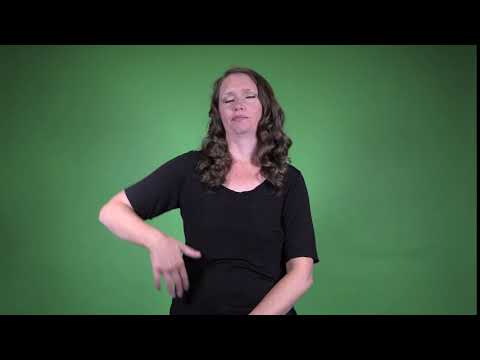
Sign for NOT-YET in ASL
Practice Activities
Learning the sign for NOT-YET in ASL involves more than just memorizing the handshape and motion. One of the most effective ways to internalize the sign is through mirror practice. Stand in front of a mirror and sign NOT-YET repeatedly, paying close attention to facial expressions and the movement of the hand. This helps reinforce muscle memory and ensures your facial grammar matches the meaning of the sign.
Recording yourself is another helpful technique. Use your phone or a webcam to film yourself signing full sentences that include the sign for NOT-YET in ASL. Watch the recordings to self-correct and compare your signing with native or fluent signers.
Try using the sign in context by incorporating it into everyday conversations. For example, when someone asks if you’ve eaten or finished a task, respond using the sign for NOT-YET in ASL. Practicing in real-life situations strengthens retention and helps your signing feel more natural.
Advanced learners can challenge themselves with drills. Create a list of temporal signs and practice them in contrast with NOT-YET. Switch between signs like FINISH, STILL, and NOT-YET to build fluency and reinforce nuanced distinctions. You can also pair up with a study partner to quiz each other or engage in ASL storytelling exercises that include the sign.
SEO Cultural Context
The sign for NOT-YET in ASL carries specific cultural and linguistic significance within the Deaf community. It is not just a literal translation of the English words “not yet,” but rather a concept that conveys anticipation or incompletion. In Deaf culture, facial expressions are a vital part of communication, and the sign for NOT-YET in ASL requires a specific non-manual marker—often a slight head shake and a tongue pressed against the lower lip.
This sign is frequently used in everyday conversations to express that an event or action has not occurred but is expected to happen. For example, when discussing goals, appointments, or responsibilities, someone might use the sign for NOT-YET in ASL to indicate that something is pending.
Regional variation is minimal for this sign, though some slight differences in speed or facial expression may exist based on location or signing community. It’s crucial to observe local signers and adapt as needed while still maintaining the core structure of the sign.
Deaf cultural norms emphasize clarity and emotional tone in conversation. Using the sign for NOT-YET in ASL accurately and with the proper affect shows respect for these norms. Misusing the sign or omitting the facial expression can lead to misunderstandings or appear culturally insensitive, especially in formal or emotional discussions.
Extended Definition
The sign for NOT-YET in ASL is a temporal negative concept. It combines a backward motion of the dominant hand near the chest with a distinct facial expression. The hand is typically an open B handshape, palm facing back, and it moves slightly backward and downward. The non-manual marker is essential: a slight head shake and a tongue pressed lightly against the lower lip.
This sign is often confused with the sign for LATE, which has a similar hand movement but differs in meaning and facial expression. LATE implies that something occurred after the expected time, while NOT-YET means the action has not occurred at all, but is likely or supposed to happen in the future.
Another common error is neglecting the facial expression. The sign for NOT-YET in ASL loses its meaning without the appropriate non-manual markers. Beginners may also mistakenly reverse the hand movement or use the wrong handshape, which can change the meaning entirely.
It’s important to recognize that NOT-YET is a distinct temporal adverb in ASL. It serves a grammatical function by indicating an incomplete action, often used with time-related contexts. Examples include responses to questions like “Have you finished your homework?” or “Did you go to the store?”
Tips for Beginners
If you’re new to ASL, learning the sign for NOT-YET in ASL may feel challenging at first, especially because it requires both manual and non-manual elements. Don’t be discouraged. Start slowly and master each part of the sign separately. First, practice the hand movement until it feels natural. Then, add in the facial expression.
Many beginners forget the tongue placement or don’t include the head shake. These components aren’t optional—they are part of the grammar of the sign. Watch videos of native signers and try to imitate not just the hands, but the full expression.
Another tip is to practice in front of others. Whether you join an ASL class or meet with a language partner, using the sign for NOT-YET in ASL in conversation builds confidence. Don’t worry about making mistakes—corrections are part of the learning process.
Using flashcards or apps can also help reinforce the sign. Some digital tools allow you to quiz yourself with videos, which can be excellent for building both recognition and production skills.
Connections to Other Topics
The sign for NOT-YET in ASL connects closely with other temporal and negation signs. One related sign is STILL, which contrasts with NOT-YET by indicating continuity rather than incompletion. Practicing these together helps clarify their different uses.
Another connected concept is FINISH. While NOT-YET means something hasn’t happened, FINISH marks the completion of an action. Learning both helps you form full narratives and respond accurately to questions about progress or timing.
The sign for LATE, as mentioned earlier, is also similar in motion but different in meaning. Comparing LATE and NOT-YET sharpens your understanding of subtle differences in ASL grammar.
Understanding how NOT-YET fits into ASL sentence structure is also important. It often appears at the end of a sentence, following the subject and verb. This fits with ASL’s topic-comment structure and helps learners build more accurate syntax.
Lastly, the sign for WAIT is useful in conjunction with NOT-YET. Using WAIT + NOT-YET can express patient anticipation or delay, adding nuance to your signing and making your communication more fluent and expressive.
Lengthy Summary
Mastering the sign for NOT-YET in ASL involves understanding its structure, meaning, and cultural context. This versatile sign uses a backward hand movement with an open B handshape and requires a critical non-manual marker: a slight head shake and a tongue pressed against the lower lip. Remember, the facial expression is not optional—it’s part of the sign’s grammar.
The sign for NOT-YET in ASL is used to describe actions that haven’t occurred yet but are expected to happen. It’s commonly used in everyday interactions and is essential for expressing temporal concepts and incomplete actions. Whether you’re talking about unfinished tasks, missed appointments, or pending decisions, this sign adds depth and clarity to your ASL communication.
For learners, regular practice is key. Use mirrors, recordings, and real-life conversations to reinforce your skills. Correct use of the sign for NOT-YET in ASL demonstrates both linguistic understanding and cultural respect. Beginners should focus on mastering both the hand movement and the facial grammar, while advanced learners can explore nuanced contrasts with related signs like STILL, FINISH, and LATE.
Understanding the cultural context deepens your appreciation for how and why this sign is used. The Deaf community values expressive clarity and emotional tone, making the correct use of signs like NOT-YET a marker of respect and linguistic competence.
As you continue your ASL journey, keep building your vocabulary and practicing regularly. The sign for NOT-YET in ASL is just one of many tools that will help you express complex ideas and become a more confident signer. Keep signing, stay curious, and enjoy the process of learning this beautiful and expressive language.
Synonyms: not done, incomplete, pending, unfinished, in progress
Educational resources: Find related learning materials in our course bank!
Want more? Check out some of our popular learning activities on the homepage!
Need to look up a sign? Use our highly rated dictionary: https://aslinteractive.com/best-asl-dictionary/
Follow us on tiktok: https://www.tiktok.com/@aslinteractive. More social media links at the bottom of this page!
Long-tail Keywords: what is the sign for not yet in ASL, how do you sign not yet in ASL, ASL sign for not yet
Categories:
tags: negative signs, time-related ASL, ASL vocabulary basics, emotions and feelings in ASL, beginner ASL signs
Want more? Check out some of our popular learning activities!
ASL Interactive Resources
ASLInteractive YouTube Channel
Follow us on tiktok: @aslinteractive.com
Follow us on Instagram: aslinteractive
Facebook page: aslinteractive
Facebook group: aslinteractive
LInkedIn: ASL Interactive LLC
Twitter: @ASL_interactive
*Some information on this page is AI-generated. AI can make mistakes. Please check the information.
Responses