Practice Activities
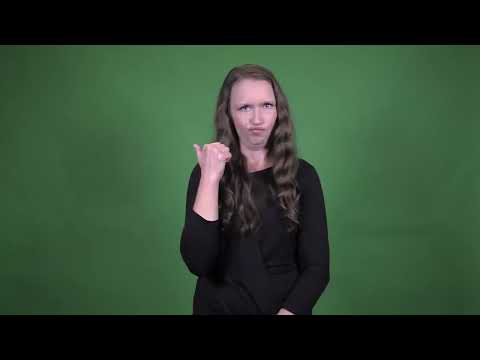
Learning the sign for REFUSE HEADSHAKE in ASL takes practice, and incorporating a variety of repetition strategies can boost your confidence and accuracy. Start by using a mirror to watch yourself sign. The sign for REFUSE HEADSHAKE in ASL includes a distinct backward movement of the dominant hand with a firm headshake, so seeing yourself perform it helps ensure your facial expressions and hand movements are correct. Record yourself signing short sentences with the sign for REFUSE HEADSHAKE in ASL. This allows you to review your performance and notice areas needing improvement. Try practicing phrases like “I refuse” or “No, thank you” integrating the sign naturally into context. Another effective technique is to use the sign in real-life scenarios or role-play conversations with a practice partner. For example, in a pretend setting where someone offers you something undesirable, respond using the sign for REFUSE HEADSHAKE in ASL. This builds muscle memory and helps you internalize the sign’s meaning. Once comfortable, advance to drills that combine the sign for REFUSE HEADSHAKE in ASL with other negation signs or facial expressions. Practice varying your tone and intent by adjusting your non-manual markers, like the intensity of the headshake or the firmness of your facial expression. This type of nuanced practice reflects how native signers communicate naturally.
SEO Cultural Context
The sign for REFUSE HEADSHAKE in ASL is deeply rooted in Deaf cultural norms around direct communication and the importance of non-manual signals. In ASL, body language and facial expressions are not optional—they are essential grammatical components. When someone uses the sign for REFUSE HEADSHAKE in ASL, it’s not just about the hand gesture; the accompanying headshake and facial expression convey the full emotional and grammatical meaning. In Deaf culture, being clear and direct is valued. The sign for REFUSE HEADSHAKE in ASL is typically used when someone is rejecting a request, declining an offer, or expressing strong disagreement. It’s often used in social interactions where a firm “no” is required without ambiguity. The clarity of this sign helps prevent misunderstandings, which is particularly important in visual language settings. There can be slight regional variations in how the sign for REFUSE HEADSHAKE in ASL is performed, particularly in the degree of head movement or accompanying facial expressions. However, the core concept remains consistent across the U.S.—a backward movement of the dominant hand combined with a headshake to signal refusal. Understanding the cultural context of the sign for REFUSE HEADSHAKE in ASL also means recognizing when it’s appropriate to use. In Deaf communities, overusing or exaggerating the sign can come off as sarcastic or disrespectful. Knowing the right context and tone helps learners communicate appropriately and respectfully.
Extended Definition
The sign for REFUSE HEADSHAKE in ASL combines manual and non-manual elements to express rejection or strong denial. The manual part involves a single backward flick of the dominant hand, often starting from a bent arm position near the shoulder and moving backward over the shoulder. The non-manual part is a distinct and firm headshake, often accompanied by a stern or assertive facial expression. This sign is often confused with signs like “don’t want” or “no,” but they are not interchangeable. The sign for REFUSE HEADSHAKE in ASL is more emphatic and final. Unlike “no,” which is a general negation, this sign communicates a personal decision to reject or decline something. It adds a layer of intentionality and personal assertion. A common error among beginners is omitting the headshake or softening it too much, which may cause the sign to lose its intended meaning. The headshake is not just an add-on—it is a grammatical necessity that modifies the meaning of the entire sign. Similarly, an overly dramatic hand movement can make the sign look unnatural. It’s also important to note that the facial expression should match the intensity of the situation. If you’re politely refusing something, a soft but clear headshake and facial expression may suffice. If you’re firmly rejecting an idea or proposal, your face and headshake should reflect stronger emotion. These nuances are what make the sign for REFUSE HEADSHAKE in ASL so expressive and effective in communication.
Tips for Beginners
If you’re new to ASL, the sign for REFUSE HEADSHAKE in ASL might feel a bit tricky at first because it requires coordination between hand movement and facial expression. Don’t worry—this is completely normal, and with some focused practice, it becomes more fluid. Start by isolating the components. Practice the hand motion alone until it feels natural, then add in the headshake. Use a mirror to check your alignment and facial expressions. Be sure your headshake is clear but not exaggerated. Subtle head nods won’t convey the same meaning. Another beginner mistake is forgetting the role of facial grammar in ASL. Without the appropriate facial expression, your sign might come across as neutral or confusing. The sign for REFUSE HEADSHAKE in ASL requires a confident, sometimes stern expression to carry its full meaning. It’s okay to practice slowly at first. Speed will come with time. Focus on clarity and correctness before trying to sign quickly. Remember, ASL is about visual clarity—there’s no rush if your message is clear and expressive. Keep practicing with real-life phrases and scenarios to help the sign become second nature.
Connections to Other Topics
The sign for REFUSE HEADSHAKE in ASL is closely related to other negation signs, such as “don’t want,” “can’t,” and “not.” These signs share similar grammatical structures and often involve strong non-manual signals like headshakes or negative facial expressions. Another related sign is “deny,” which also conveys rejection but is used in more formal or abstract contexts. While “refuse” is often used in everyday situations, “deny” might appear in legal or academic contexts. Understanding the difference helps learners use the right sign for the right setting. The sign for “no” is also connected but is much simpler and less emphatic. “No” is a general negation, whereas the sign for REFUSE HEADSHAKE in ASL adds a layer of personal intent. Practicing all three together can help learners understand how ASL conveys different levels of negation. Facial expressions in ASL also tie into this sign. The use of non-manual markers like headshakes, raised eyebrows (for yes/no questions), and frowns are essential to get the correct tone and grammar across. Learning proper facial grammar will improve not only your use of REFUSE HEADSHAKE but your overall signing ability. Finally, assertiveness in ASL communication is an important theme. The sign for REFUSE HEADSHAKE in ASL teaches learners how to express boundaries and decisions clearly—a key communication skill in both Deaf and hearing communities. Learning this sign enhances your ability to engage in honest, respectful dialogue.
Lengthy Summary
The sign for REFUSE HEADSHAKE in ASL is a powerful tool for expressing rejection, refusal, or disagreement. It combines a specific hand movement with a firm headshake and confident facial expression, making it one of the most expressive signs in the ASL vocabulary. This sign is not just about saying “no”—it’s about asserting a decision with clarity and confidence. Practicing the sign for REFUSE HEADSHAKE in ASL involves more than repeating the hand motion. It includes mastering facial expressions, understanding cultural norms, and using the sign in appropriate contexts. Mirror work, recorded signing, role-playing, and advanced drills all contribute to developing fluency with this sign. From a cultural perspective, this sign reflects Deaf values of direct and clear communication. It plays a key role in social interactions, helping signers set boundaries and express decisions without ambiguity. Learning when and how to use this sign respectfully is part of becoming a culturally competent ASL user. The
Extended Definition
of the sign for REFUSE HEADSHAKE in ASL highlights its unique features and common pitfalls. Beginners often struggle with coordinating manual and non-manual components, but with patience and practice, these elements become more natural.
Tips for Beginners
emphasize starting slow, focusing on clarity, and using expressive facial grammar. This sign also connects to broader ASL concepts like negation, assertiveness, and non-manual markers. Related signs such as “don’t want,” “no,” and “deny” help contextualize its meaning and usage. Exploring these connections deepens your understanding of ASL structure and vocabulary. In mastering the sign for REFUSE HEADSHAKE in ASL, you gain more than just a new sign—you develop a deeper appreciation for the nuance and richness of ASL. Keep practicing in front of a mirror, in recorded sessions, and with real people. Stay curious, stay expressive, and keep signing with purpose. You’re building powerful communication skills that will serve you well in every conversation you have in ASL. Synonyms: deny, reject, decline, disallow, oppose Educational resources: Find related learning materials in our course bank! Want more? Check out some of our popular learning activities on the homepage! Need to look up a sign? Use our highly rated dictionary: https://aslinteractive.com/best-asl-dictionary/ Follow us on tiktok: https://www.tiktok.com/@aslinteractive. More social media links at the bottom of this page! Long-tail Keywords: what is the sign for refuse headshake in ASL, how do you sign refuse headshake in ASL, refuse headshake meaning in American Sign Language Categories: tags: negative responses, ASL refusals, body language in ASL, nonverbal communication, ASL grammar
Want more? Check out some of our popular learning activities!
ASL Interactive Resources
ASLInteractive YouTube Channel
Follow us on tiktok: @aslinteractive.com
Follow us on Instagram: aslinteractive
Facebook page: aslinteractive
Facebook group: aslinteractive
LInkedIn: ASL Interactive LLC
Twitter: @ASL_interactive
*Some information on this page is AI-generated. AI can make mistakes. Please check the information.
Responses