Practice Activities
To master the sign for RUN in ASL, learners can start by practicing in front of a mirror. This allows you to observe your handshape, movement, and facial expressions, which are essential components of clear and accurate ASL. Focus on maintaining the correct hand orientation and fluid motion that characterizes the sign for RUN in ASL. Recording your signing practice with a smartphone or webcam is another useful method. Watching yourself helps identify subtle mistakes and track your progress. Try signing sentences that contain the sign for RUN in ASL to build fluency in context. Interactive exercises with a study partner or tutor can make practice more dynamic. Take turns signing phrases like “I run every morning” or “He ran to catch the bus,” using the sign for RUN in ASL naturally within the sentence. This encourages quick recall and conversational flow. Advanced learners can try speed drills and expressive variation. Practice showing different kinds of running—like jogging, sprinting, or running in fear—using facial expressions and body language to match the sign for RUN in ASL with the appropriate emotional tone.
SEO Cultural Context
Understanding the cultural background of the sign for RUN in ASL involves recognizing how Deaf individuals communicate physical actions. In ASL, movement and facial expressions are not just embellishments—they carry meaning. The sign for RUN in ASL is often used to describe physical motion, but it can also relate to metaphorical uses like “run for office” or “run late,” depending on context. Deaf culture places a strong emphasis on clarity and visual storytelling. When using the sign for RUN in ASL, it’s important to match the speed and intensity of the sign to the intended meaning. For example, a slow, steady motion can indicate jogging, while a quick, sharp movement might mean sprinting. Regional variation can influence how the sign for RUN in ASL is produced. Some communities may use a slightly different handshape or movement path, but the core concept remains recognizable. Being aware of these variations fosters better communication and respect within the Deaf community. This sign is commonly used in stories, sports discussions, and everyday conversations. Deaf athletes and fans often use the sign for RUN in ASL when talking about track meets, marathons, or team sports. Understanding when and how to use this sign appropriately demonstrates cultural competence as well as linguistic skill.
Extended Definition
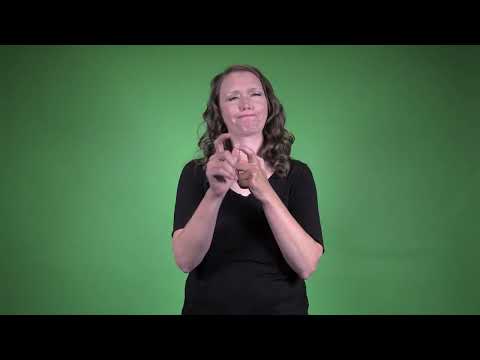
The sign for RUN in ASL typically involves the dominant hand forming an “L” shape, pointing forward, while the non-dominant hand also forms an “L” and connects with the dominant thumb. The dominant finger then moves forward in a slight bouncing or sliding motion, mimicking the movement of legs running. This sign visually represents one leg following another in motion. There are variations depending on the context. For example, to express running water or a nose running, different signs are used. It’s important not to overgeneralize the sign for RUN in ASL to cover all meanings of the English word “run.” ASL is a conceptually accurate language, and each meaning of an English word may have its own distinct sign. One common error is using the incorrect handshape or failing to maintain the motion that indicates movement. Learners might freeze their hands after forming the initial shape, which reduces clarity. Another mistake is using the sign too literally in metaphorical contexts. For example, signing RUN in ASL when referring to “running for office” may not be appropriate unless clarified with additional signs. Beginners should take time to compare the sign for RUN in ASL with similar physical action signs like WALK or JUMP to understand the differences in movement and handshape. This helps reinforce accurate usage and builds a stronger visual vocabulary.
Tips for Beginners
For those just starting out, learning the sign for RUN in ASL may feel a bit tricky due to its movement and dual hand use. Start slowly and focus on mastering the handshape first. Use a mirror to make sure both hands are forming clear “L” shapes and that your dominant hand is leading the motion forward. One helpful tip is to break the sign down into steps. First, make the handshapes. Then bring the thumbs together. Finally, practice the forward motion, keeping it smooth and consistent. Repeating these steps builds muscle memory and confidence. A frequent beginner mistake is confusing the sign for RUN in ASL with other signs that involve similar handshapes, like GUN or WALK. Always focus on the direction and movement—RUN is forward and continuous, mimicking actual running. Don’t get discouraged by minor errors. ASL is a visual language, and fluency comes from regular use and observation. Watching native signers and practicing with others can significantly improve your understanding of how to sign RUN in ASL naturally and clearly.
Connections to Other Topics
The sign for RUN in ASL connects closely with other action verbs like JUMP, WALK, and SWIM. These signs also use movement, orientation, and facial expression to convey physical actions. Comparing these can help learners see how ASL represents different types of motion visually. The concept of classifiers in ASL is also relevant. For example, you might use a classifier to show a person running across a field, adding spatial and directional elements to the base sign for RUN in ASL. This enriches your storytelling and descriptive skills. Grammar in ASL often relies on topic-comment structure and non-manual markers. When using the sign for RUN in ASL, your facial expression and body posture can indicate speed, urgency, or emotion. This ties into broader ASL grammar topics like role shifting and directional verbs. Another related concept is time markers. Signing “yesterday,” “today,” or “tomorrow” before the verb RUN can change the tense of your statement. This helps learners construct complete, grammatically correct sentences using the sign for RUN in ASL. Lastly, storytelling in ASL often involves physical movement and vivid description. The sign for RUN in ASL is frequently used in narratives about chasing, escaping, or racing. Learning how to integrate this sign into stories can improve both comprehension and expressive skills.
Lengthy Summary
The sign for RUN in ASL is a dynamic and visually descriptive sign that involves both hands in coordinated motion. Mastering this sign requires attention to handshape, movement, and facial expression. Practicing in front of a mirror, recording your signing, and incorporating the sign into full sentences are all effective ways to build fluency. Culturally, the sign for RUN in ASL is significant within the Deaf community, used in storytelling, sports discussions, and everyday conversations. Understanding when and how to use the sign appropriately demonstrates respect for Deaf norms and enhances communication. Regional variations may exist, but the core concept remains consistent and widely understood. A deeper understanding of the sign includes distinguishing it from similar signs and knowing when it applies or doesn’t apply to metaphorical uses of “run” in English. Beginners should focus on forming clear handshapes and using smooth movement, avoiding common mistakes like freezing the sign or misapplying it in the wrong context. Connections to other ASL topics—like classifiers, grammar structures, and other action verbs—can help reinforce your understanding and broaden your vocabulary. Using the sign for RUN in ASL in stories or directional phrases adds depth to your signing and showcases your growing fluency. Now that you have a solid foundation in the sign for RUN in ASL, continue practicing daily. Challenge yourself by using it in different contexts, observing native signers, and incorporating it into longer sentences or stories. With dedication and consistent effort, you’ll not only master this sign but also gain deeper insight into the richness of American Sign Language . Synonyms: race, sprint, jog, dash, hurry Educational resources: Find related learning materials in our course bank! Want more? Check out some of our popular learning activities on the homepage! Need to look up a sign? Use our highly rated dictionary: https://aslinteractive.com/best-asl-dictionary/ Follow us on tiktok: https://www.tiktok.com/@aslinteractive. More social media links at the bottom of this page! Long-tail Keywords: what is the sign for run in ASL, how do you sign run in ASL, ASL sign for run Categories: tags: action verbs, movement, exercise, sports terminology, daily activities
Want more? Check out some of our popular learning activities!
ASL Interactive Resources
ASLInteractive YouTube Channel
Follow us on tiktok: @aslinteractive.com
Follow us on Instagram: aslinteractive
Facebook page: aslinteractive
Facebook group: aslinteractive
LInkedIn: ASL Interactive LLC
Twitter: @ASL_interactive
*Some information on this page is AI-generated. AI can make mistakes. Please check the information.
Responses