Practice Activities
Learning the sign for SAME OLD SAME OLD 2 in ASL can be fun and effective when you incorporate diverse practice strategies. Start with mirror work, which lets you observe your facial expressions and hand movements closely. This sign relies on subtle facial expressions, so practicing in front of a mirror ensures your signing is visually accurate. Record yourself signing the phrase in different sentences. Watching your own videos allows you to catch errors in handshape, movement, or non-manual signals. Try phrases like “How’s work?” followed by the sign for SAME OLD SAME OLD 2 in ASL to simulate natural conversation. Use the sign in everyday conversations with friends who know ASL. If you don’t have a signing partner, try describing your day in ASL to yourself, ending your story with the sign for SAME OLD SAME OLD 2 in ASL when appropriate. This builds fluency and helps reinforce when to use the expression. Advanced learners can create contextual signing drills. For example, sign short dialogues where one person asks about life, and the other responds with the sign for SAME OLD SAME OLD 2 in ASL. You can also practice switching between similar expressions to notice the differences in meaning and usage. Incorporating these activities regularly will help you become more comfortable using the sign for SAME OLD SAME OLD 2 in ASL both expressively and receptively.
SEO Cultural Context
The sign for SAME OLD SAME OLD 2 in ASL is deeply rooted in conversational norms within the Deaf community. It’s an informal, expressive way to communicate that nothing new or exciting is happening. This phrase mirrors how hearing people might say “same as always” or “nothing new,” but in ASL, it carries its own unique rhythm and visual flair. In Deaf culture, facial expressions and body language play a crucial role in conveying tone. The sign for SAME OLD SAME OLD 2 in ASL is no exception. It’s typically signed with a relaxed or slightly bored facial expression, which adds nuance to the overall message. This non-manual signal is essential and should not be neglected. There may be regional variations in how the sign is performed. Some signers use a repeated circular motion with both hands in ‘Y’ handshapes, while others may incorporate a one-handed version or combine it with a shrug. These variations are accepted within the community, though learners should be consistent once they choose a version. Understanding when to use the sign for SAME OLD SAME OLD 2 in ASL is also important. It’s most commonly used in casual conversation among friends or peers. Using it in formal contexts or with unfamiliar people might come off as too informal or dismissive.
Extended Definition
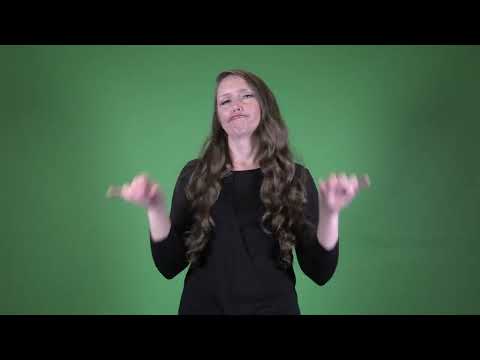
The sign for SAME OLD SAME OLD 2 in ASL typically uses both hands in the ‘Y’ handshape, moving in alternating circles in front of the chest. This repetitive motion mirrors the idea of a repetitive or unchanging situation. The extended circular movement helps emphasize the ongoing nature of sameness. This sign is different from the basic sign for SAME or OLD. While those signs can be used individually, the sign for SAME OLD SAME OLD 2 in ASL is more idiomatic. It combines the notions of similarity, repetition, and time into one expressive phrase. Common errors include confusing this idiom with just using SAME twice. The correct sign involves not only the correct handshape and motion but also the appropriate non-manual signals. A flat facial expression or lack of eye contact can make the sign feel incomplete or unclear. Learners may also mistakenly use the wrong handshape, such as ‘A’ or ‘5’ instead of ‘Y’. It’s important to master the correct form and flow of the sign for SAME OLD SAME OLD 2 in ASL so it conveys the intended meaning authentically.
Tips for Beginners
If you’re new to ASL, don’t worry if the sign for SAME OLD SAME OLD 2 in ASL feels awkward at first. Like any idiomatic expression, it takes time to get used to the rhythm and natural flow. Start slow, focusing on each element: handshape, motion, and facial expression. One common mistake beginners make is signing too stiffly or robotically. The sign for SAME OLD SAME OLD 2 in ASL should feel relaxed and smooth, reflecting a sense of familiarity or routine. Try watching videos of native signers to get a feel for how this sign is naturally used. Another tip is to practice the sign in response to common questions like “What’s new?” or “How are you?” This helps you use the sign in appropriate contexts and builds conversational confidence. Don’t be afraid to ask for feedback from more experienced signers. Sometimes, small adjustments in hand angle or facial expression can make a big difference in clarity. Stay patient and persistent—the sign for SAME OLD SAME OLD 2 in ASL will soon become second nature.
Connections to Other Topics
The sign for SAME OLD SAME OLD 2 in ASL is closely related to the sign for SAME, which also uses a ‘Y’ handshape but with a different motion. Understanding the difference can help you use both signs more effectively. Another related sign is NOTHING-NEW. While the meaning overlaps, the cultural tone is different. SAME OLD SAME OLD 2 in ASL has a more casual, conversational feel, whereas NOTHING-NEW can be more direct or neutral. You’ll also find similarities with the sign for ROUTINE. Like SAME OLD SAME OLD 2 in ASL, ROUTINE conveys the idea of repetition and a lack of change. However, ROUTINE is often used in more structured contexts, such as describing a daily schedule. The concept of TIME is also relevant. The idea behind SAME OLD SAME OLD 2 in ASL implies an ongoing state over time. Practicing time-related vocabulary helps reinforce when this sign is appropriate. Lastly, the sign for BORED can sometimes be used interchangeably in context. While BORED expresses a feeling, SAME OLD SAME OLD 2 in ASL describes a situation. Knowing when to use each adds depth to your signing skills.
Lengthy Summary
Mastering the sign for SAME OLD SAME OLD 2 in ASL is a rewarding step in becoming more fluent and expressive in American Sign Language. This idiomatic sign captures the human experience of monotony and routine in a visually rich and culturally nuanced way. From its use of the ‘Y’ handshape to its circular motion and required facial expressions, every element of this sign contributes to its meaning. Practicing regularly using mirror work, video recordings, and contextual signing will help you internalize the sign’s flow and emotion. Cultural awareness is essential, as this sign is informal and best used among peers or in casual conversation. Regional variations exist, but the core meaning remains consistent across communities. Understanding the
Extended Definition
of the sign for SAME OLD SAME OLD 2 in ASL helps clarify how it differs from other signs like SAME, OLD, or ROUTINE. Avoiding common beginner errors—such as incorrect handshape or stiff signing—will ensure your expression is clear and natural. Connecting this sign to related concepts like BORED, NOTHING NEW, or TIME will expand your vocabulary and deepen your understanding of conversational ASL. These thematic links are valuable as you build your signing fluency. In summary, the sign for SAME OLD SAME OLD 2 in ASL is more than just a phrase—it’s a glimpse into the expressive power of ASL and the culture that uses it. Keep practicing daily, observe fluent signers, and don’t hesitate to use the sign in conversations. You’re building not only language skills but also cultural competence. Stay motivated, stay curious, and keep signing! Synonyms: routine, monotonous, repetitive, unvaried, predictable Educational resources: Find related learning materials in our course bank! Want more? Check out some of our popular learning activities on the homepage! Need to look up a sign? Use our highly rated dictionary: https://aslinteractive.com/best-asl-dictionary/ Follow us on tiktok: https://www.tiktok.com/@aslinteractive. More social media links at the bottom of this page! Long-tail Keywords: what is the sign for same old same old in ASL, how do you sign same old same old in ASL, ASL sign for same old same old Categories: tags: everyday phrases in ASL, common ASL expressions, conversational ASL, slang in ASL, basic ASL vocabulary
Want more? Check out some of our popular learning activities!
ASL Interactive Resources
ASLInteractive YouTube Channel
Follow us on tiktok: @aslinteractive.com
Follow us on Instagram: aslinteractive
Facebook page: aslinteractive
Facebook group: aslinteractive
LInkedIn: ASL Interactive LLC
Twitter: @ASL_interactive
*Some information on this page is AI-generated. AI can make mistakes. Please check the information.
Responses