
Practice Activities
To master the sign for SECONDS in ASL, practice needs to be consistent and diverse. Start by working in front of a mirror to observe your handshape, orientation, and movement. This helps you develop visual feedback as you refine the accuracy of the sign. Mirror work is excellent for beginners who need to build muscle memory. Recording yourself while signing is another valuable tool. Play back your videos to compare your execution of the sign for SECONDS in ASL with fluent signers or instructional videos. This helps identify subtle errors in timing or hand movement that may not be apparent in real time. Use the sign in real-life or simulated contexts. For example, time yourself doing short tasks and sign the number of seconds it takes to complete them. This creates a natural connection between the sign for SECONDS in ASL and its practical usage. Advanced learners can incorporate the sign into drills involving time-related vocabulary. Practice sentences like “Wait five seconds,” or “It took thirty seconds,” using number integration with the sign. This builds fluency and increases your ability to sign quickly and accurately in conversation.
SEO Cultural Context
Understanding the cultural context of the sign for SECONDS in ASL adds depth to your learning. In Deaf culture, precision in communication is highly valued, especially when dealing with time. The sign is used not only in academic and professional settings but also in everyday conversations—such as timing events, giving cooking instructions, or explaining sports plays. While the sign for SECONDS in ASL is generally consistent across regions, slight variations may exist depending on local dialects or community preferences. Some signers might abbreviate the sign in fast-paced conversation, especially when it’s clear from context that they’re referring to time. Additionally, time-related signs, including seconds, minutes, and hours, are often accompanied by facial expressions to add nuance. Showing urgency or impatience when waiting “just a few seconds” is conveyed not only through the sign but also through your facial grammar. This aligns with the broader ASL norm of visual and expressive communication.
Extended Definition
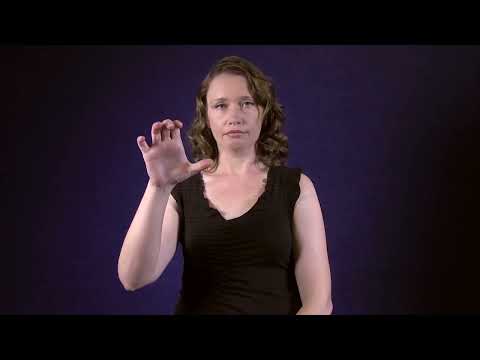
The sign for SECONDS in ASL typically involves incorporating number signs with a specific movement that indicates time. It begins with the dominant hand in the “1” handshape, flicking slightly at the wrist, similar to the sign for MINUTE, but modified to represent the shorter unit of time. This flicking motion mimics the ticking of a second hand on a clock. It’s important to distinguish the sign for SECONDS in ASL from similar signs like MINUTES or MOMENT. Beginners often confuse these due to their similar handshapes and movements. A common error is using the same movement as the MINUTE sign but not adjusting the speed or motion to reflect the brevity of a second. Another related sign is QUICK or FAST, which some learners mistakenly use instead of SECONDS. While those signs relate to speed, they do not communicate a specific unit of time. Clarity in handshape and movement ensures your message is understood correctly.
Tips for Beginners
If you’re just beginning to learn the sign for SECONDS in ASL, be patient with yourself. Precision in timing signs takes practice, and it’s easy to mix up similar signs at first. Focus on practicing the movement and timing of the wrist flick, as this is key to distinguishing SECONDS from other time-related signs. A helpful strategy is to learn SECONDS alongside MINUTES and HOURS to understand the relationship among them. This comparative approach helps reinforce patterns and differences. Don’t rush your learning—ironically, taking your time is crucial when learning how to sign time-specific units like SECONDS. Common beginner mistakes include using the wrong handshape or forgetting to match the number of seconds with the correct numerical sign. Always make sure your number sign precedes or follows the SECONDS sign clearly. Watching native or fluent signers regularly will help reinforce correct usage and fluidity.
Connections to Other Topics
The sign for SECONDS in ASL naturally connects to a group of time-related vocabulary. One closely related sign is MINUTES, which shares a similar wrist flick motion but is more extended. Practicing these together helps reinforce the concept of time progression in ASL. Another related sign is TIME, used broadly to refer to the concept of time or a specific time of day. This sign often sets up the context in which SECONDS may be used. Understanding how TIME functions grammatically in ASL helps you use SECONDS more effectively. COUNTING and NUMBERS are essential topics connected to the sign for SECONDS in ASL. Since SECONDS often involves numerical values (like “ten seconds” or “thirty seconds”), a strong grasp of number signs and number incorporation is vital. The concept of DURATION is also important. Signs like LONG, SHORT, QUICK, or WAIT can appear in the same sentence or context as SECONDS. Integrating these signs allows for more expressive and precise communication. Finally, ASL grammar and facial expressions play a crucial role. The use of non-manual markers (such as raised eyebrows or a head tilt) can modify the meaning of the sign for SECONDS in ASL to convey urgency, sarcasm, or precision. These grammatical layers turn a simple sign into a fully expressive concept.
Lengthy Summary
The sign for SECONDS in ASL is a foundational component of time-related vocabulary. It uses a specific wrist flick in conjunction with number signs to represent this small unit of time. While it may appear similar to other signs like MINUTES or QUICK, careful attention to handshape, motion, and context ensures clear communication. Culturally, the sign for SECONDS in ASL reflects the Deaf community’s emphasis on clarity, visual precision, and expressive communication. It is used across a range of everyday settings, from casual conversations to professional environments. Regional differences are minimal, but facial grammar and pacing can vary based on context and urgency. For beginners, mastering this sign involves practicing its unique motion, avoiding common mix-ups, and understanding its relationship to other time-based signs. Using mirror work, video recording, and contextual practice are all effective strategies. Advanced learners can challenge themselves by integrating SECONDS into full ASL sentences and storytelling. The sign for SECONDS in ASL is also interconnected with broader ASL concepts like number incorporation, grammar, and topic-comment structure. Familiarity with related signs such as TIME, MINUTES, and DURATION enriches your overall understanding and boosts your fluency. As you continue your ASL journey, revisit the sign for SECONDS in ASL regularly. Use it in real-life scenarios, challenge yourself with speed drills, and observe fluent signers in action. Every second you spend practicing brings you closer to fluent, expressive communication in ASL. Keep signing, keep learning, and enjoy each moment as you grow your skills! ⏱️ Synonyms: moments, instants, ticks, beats, split-seconds Educational resources: Find related learning materials in our course bank! Want more? Check out some of our popular learning activities on the homepage! Need to look up a sign? Use our highly rated dictionary: https://aslinteractive.com/best-asl-dictionary/ Follow us on tiktok: https://www.tiktok.com/@aslinteractive. More social media links at the bottom of this page! Long-tail Keywords: what is the sign for seconds in ASL, how to sign seconds in American Sign Language, how do you sign seconds in ASL Categories: tags: time signs, ASL measurements, seconds in sign language, duration in ASL, telling time in ASL
Want more? Check out some of our popular learning activities!
ASL Interactive Resources
ASLInteractive YouTube Channel
Follow us on tiktok: @aslinteractive.com
Follow us on Instagram: aslinteractive
Facebook page: aslinteractive
Facebook group: aslinteractive
LInkedIn: ASL Interactive LLC
Twitter: @ASL_interactive
*Some information on this page is AI-generated. AI can make mistakes. Please check the information.
Responses