Practice Activities
To effectively master the sign for SURFING in ASL, learners should engage in a variety of practice techniques that support muscle memory and spatial awareness. Start by practicing in front of a mirror to ensure your handshape, movement, and body orientation match standard ASL form. Observe your facial expressions too, as they add emotional context and realism to your signing. Record yourself signing the sign for SURFING in ASL from different angles. Reviewing your video can help identify subtle inaccuracies in movement or positioning. Try signing short phrases like “I love surfing” or “Surfing is fun” to build fluency and practice using the sign in context. For more advanced practice, engage in receptive drills where you watch videos of native signers using the sign for SURFING in ASL and try to interpret or respond. You can also challenge yourself with storytelling exercises that include surfing-related vocabulary to build narrative skills. Pair up with a signing partner and role-play scenarios like planning a beach trip or describing a surfing competition to make learning interactive and engaging.
SEO Cultural Context
The sign for SURFING in ASL carries cultural significance, especially in regions where surfing is a popular activity, such as California or Hawaii. In these Deaf communities, surf culture naturally integrates into everyday conversations, making this sign more prevalent and fluid in local dialects. Deaf surfers and beach enthusiasts use the sign regularly in both casual and competitive settings. Deaf culture values full and expressive communication, and the sign for SURFING in ASL often includes rich facial expressions and classifiers to describe the motion of riding waves. It’s common to see a base sign for surfing followed by classifiers to indicate wave size, direction, or the skill level of the surfer. In some regions, there may be slight variations in the sign depending on local signing customs, but the core meaning remains universally understood. Understanding when to use the sign for SURFING in ASL also involves recognizing its relevance in conversations about hobbies, sports, and travel. Deaf individuals might use it while recalling vacation memories, discussing weather conditions, or planning sporting events. The sign reflects not only the activity but also the lifestyle and joy associated with surfing, making it a dynamic element of ASL vocabulary.
Extended Definition
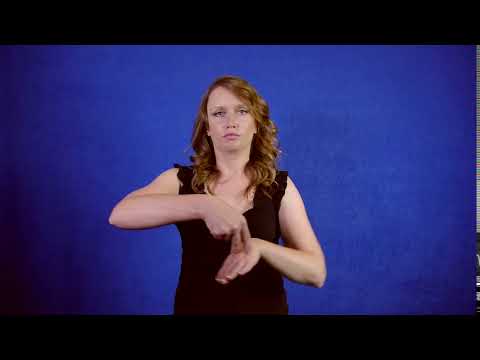
The sign for SURFING in ASL typically involves a dominant hand in a “Y” handshape (thumb and pinky extended) that moves back and forth horizontally, representing the balance and movement of surfing on a wave. The non-dominant hand may be used to represent the surfboard or the wave, depending on the signer’s choice and the context of the conversation. While the sign is generally iconic and easy to remember due to its visual resemblance to actual surfing, learners should be cautious not to confuse it with similar signs like SKATEBOARDING or SNOWBOARDING. These signs may also use classifiers or similar handshapes but differ in movement and orientation. Pay close attention to the direction of movement and the overall body posture to convey the correct concept. Some common mistakes when learning the sign for SURFING in ASL include using the wrong handshape (e.g., “I” handshape instead of “Y”) or making the movement too stiff or mechanical. The sign should look fluid and balanced, mimicking the natural rhythm of surfing. Facial expressions can enhance the sign by indicating excitement, difficulty, or the thrill of catching a big wave, all of which add depth and clarity to the message.
Tips for Beginners
If you’re just starting to learn the sign for SURFING in ASL, don’t worry if it feels awkward at first. Focus on mastering the correct “Y” handshape and practice the back-and-forth motion with a relaxed wrist. It’s helpful to watch native signers and mimic their flow and posture to create a more natural presentation. Avoid common pitfalls like over-exaggerating your movements or forgetting facial expressions, which are essential parts of ASL grammar. Beginners often concentrate so much on hand movements that they overlook the importance of non-manual markers. Remember, ASL is a visual and spatial language, so your entire body plays a role in communication. Try incorporating the sign into everyday scenarios. For example, when discussing your weekend plans, include the sign for SURFING in ASL if you’re going to the beach. This helps reinforce the vocabulary in real-life contexts and makes your learning journey more relevant and fun.
Connections to Other Topics
The sign for SURFING in ASL connects easily to other outdoor and sports-related signs, expanding your vocabulary in meaningful ways. One related sign is BEACH, often used in the same conversations as surfing. Signing BEACH together with SURFING creates rich descriptions like “surfing at the beach.” Another related sign is SWIMMING. While surfing and swimming are different activities, both occur in water environments and often come up in similar contexts. You might say, “I went swimming and then surfing” to practice sequencing in ASL. Consider learning the sign for OCEAN, as it offers a natural setting for the sign for SURFING in ASL. The ocean can be described using classifiers to show wave sizes, which ties directly into how you describe surfing experiences. SPORT is another useful sign that connects to SURFING. By learning the sign for SPORT, you can classify surfing as one of your favorite sports, helping you discuss hobbies and preferences in greater depth. Finally, the sign for VACATION often appears alongside SURFING. Many people associate surfing with leisure time and travel, so combining these signs in storytelling or casual conversation builds narrative fluency and topical vocabulary.
Lengthy Summary
Mastering the sign for SURFING in ASL is not just about mimicking hand movements—it’s about immersing yourself in the linguistic and cultural world of American Sign Language. This sign is both expressive and iconic, making it enjoyable and memorable for learners at all levels. From its visually representative “Y” handshape to the smooth, wave-like motion, this sign captures the essence of the surfing experience in a uniquely ASL way. Culturally, the sign for SURFING in ASL reflects the Deaf community’s appreciation for expressive and context-rich communication. Whether used in conversations about beach trips, water safety, or sports competitions, this sign brings visual storytelling to life. Regional variations may exist, especially in coastal communities where surfing is a common pastime, but the fundamental movement remains consistent across dialects. To truly internalize this sign, learners should engage in a well-rounded set of
Practice Activities
. Mirror work, video recording, and contextual signing all support accurate production and deeper understanding. Advanced drills involving classifiers and storytelling push your skills further, helping you use the sign for SURFING in ASL in diverse and meaningful ways. Beginners are encouraged to approach the sign with patience and curiosity. By avoiding common mistakes and focusing on fluidity, expression, and context, you can quickly gain confidence. Regularly incorporating the sign into your conversations and narratives ensures that it becomes a natural part of your ASL vocabulary. The sign for SURFING in ASL also opens the door to learning related topics such as BEACH, OCEAN, SWIMMING, SPORT, and VACATION. These connections enrich your language experience and allow for more dynamic conversations. Understanding how these signs interact helps you build fluency and cultural literacy at the same time. In summary, the sign for SURFING in ASL is more than just a gesture—it’s a gateway to visual storytelling, cultural engagement, and expressive communication. Keep practicing it in varied and creative ways, and don’t forget to enjoy the process. Just like catching the perfect wave, mastering this sign takes time, balance, and a little bit of fun . Keep signing, keep surfing, and let the language carry you forward! Synonyms: wave riding, wave surfing, board surfing, ocean surfing, catching waves Educational resources: Find related learning materials in our course bank! Want more? Check out some of our popular learning activities on the homepage! Need to look up a sign? Use our highly rated dictionary: https://aslinteractive.com/best-asl-dictionary/ Follow us on tiktok: https://www.tiktok.com/@aslinteractive. More social media links at the bottom of this page! Long-tail Keywords: what is the sign for surfing in ASL, how do you sign surfing in ASL, ASL sign for surfing Categories: tags: surfing vocabulary in ASL, outdoor activities in ASL, water sports signs, ASL travel and recreation, sports and hobbies in ASL
Want more? Check out some of our popular learning activities!
ASL Interactive Resources
ASLInteractive YouTube Channel
Follow us on tiktok: @aslinteractive.com
Follow us on Instagram: aslinteractive
Facebook page: aslinteractive
Facebook group: aslinteractive
LInkedIn: ASL Interactive LLC
Twitter: @ASL_interactive
*Some information on this page is AI-generated. AI can make mistakes. Please check the information.
Responses