
Practice Activities
Learning the sign for VIRGIN ISLANDS in ASL can be both fun and effective when you use a variety of practice techniques. Start by practicing in front of a mirror to check handshape and facial expressions. This will help ensure you’re forming the sign accurately and using the appropriate non-manual markers. Record yourself signing the sign for VIRGIN ISLANDS in ASL and watch the video playback to evaluate your form. Pay close attention to the fluidity of your movement and the clarity of each sign component. This allows you to self-correct and build muscle memory. Use the sign for VIRGIN ISLANDS in ASL in context by incorporating it into full sentences. For example, practice saying “I want to travel to the Virgin Islands” or “My friend lives in the Virgin Islands.” Signing in context helps with retention and builds confidence in conversation. Advanced learners can take their practice further by engaging in receptive drills. Watch videos of native signers using the sign for VIRGIN ISLANDS in ASL and try to identify it within longer sentences. This promotes comprehension and fluency in real-time settings. Practice with a partner or in a study group to simulate real conversations. Give each other prompts or questions that require the use of the sign for VIRGIN ISLANDS in ASL. Interactive practice helps reinforce learning and builds conversational skills.
SEO Cultural Context
The sign for VIRGIN ISLANDS in ASL carries cultural and geographic significance, particularly within conversations about travel, heritage, and identity. In Deaf culture, clear and respectful representation of places is important. The sign is often used when discussing travel plans, Caribbean heritage, or political discussions involving U.S. territories. The sign for VIRGIN ISLANDS in ASL may vary slightly depending on regional influences or individual preference, but it typically combines the initialized sign “V-I” with a movement that references the concept of “islands.” Some signers may fingerspell “VIRGIN” and then use the established sign for “ISLANDS” to ensure clarity. It’s important to note that the Deaf community values accuracy and respect when referring to places, especially when discussing cultural identity. Using the correct sign for VIRGIN ISLANDS in ASL shows awareness and cultural sensitivity. It also allows for smoother communication and mutual understanding among signers. This sign is commonly used in educational settings, travel discussions, and news interpretations. Whether in a classroom or a casual setting, knowing how to properly use the sign for VIRGIN ISLANDS in ASL can enrich your communication and demonstrate linguistic competence.
Extended Definition
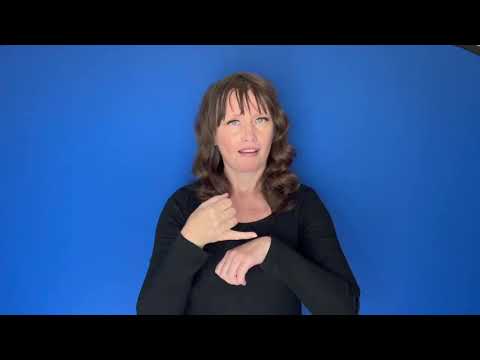
The sign for VIRGIN ISLANDS in ASL generally involves a two-part structure. The first part uses the initialized letters “V” and “I” to represent “Virgin Islands.” This is typically done by signing “V” followed by “I” in a smooth, flowing motion near the dominant side of the body. The second part is the sign for “ISLAND,” which is formed by using the dominant “I” handshape to circle over the back of the non-dominant hand, representing land. Some signers prefer to fingerspell “VIRGIN” and then sign “ISLANDS,” particularly in formal or specific contexts. Fingerspelling can add clarity, especially when the term may be unfamiliar to the audience. However, the initialized form is commonly accepted and understood in most ASL conversations. A common error when learning the sign for VIRGIN ISLANDS in ASL is confusing the initialized “V” and “I” with other similar signs, like “VIOLIN” or “VIDEO.” Paying close attention to context and movement will help distinguish between these signs. Another mistake is omitting the “ISLAND” portion, which can lead to confusion or incomplete communication. It’s also important to use the correct palm orientation and movement in the “ISLAND” sign. Incorrect angles or handshapes can alter the meaning or make the sign hard to recognize. Consistent practice and feedback from fluent signers can help refine your technique.
Tips for Beginners
If you’re new to ASL, learning the sign for VIRGIN ISLANDS in ASL is a great opportunity to develop both vocabulary and regional awareness. Start slow and focus on each component of the sign. Break it down into manageable parts: the “V-I” segment and the “ISLAND” sign. Use visual resources like sign language dictionaries and video tutorials to watch the sign in action. Seeing the sign performed by native or fluent signers helps you internalize its rhythm and flow. Repeat the sign multiple times a day to build muscle memory. One common mistake beginners make is rushing through the movement or blending the letters too quickly. Make sure your “V” and “I” are distinct and clear. Another pitfall is neglecting facial expressions, which are crucial for conveying tone and intent in ASL. Don’t get discouraged if your signing isn’t perfect at first. The sign for VIRGIN ISLANDS in ASL, like all signs, takes time to master. Stay consistent with your practice, and be open to feedback from instructors or experienced signers. The more you use it in context, the more natural it will feel.
Connections to Other Topics
The sign for VIRGIN ISLANDS in ASL connects directly with the sign for ISLAND, which is used for many geographical locations. Learning ISLAND helps you talk about other places like “Hawai’i” or “Puerto Rico,” which often share similar sign structures. It also relates to the concept of fingerspelling, particularly when spelling out “VIRGIN.” Mastering fingerspelling is essential for spelling unfamiliar place names and clarifying specific terms. Practicing fingerspelling in this context builds both speed and accuracy. Geographic signs in ASL often use initialized handshapes. The use of “V” and “I” in the sign for VIRGIN ISLANDS in ASL is part of a broader pattern in location-based signs, such as “U.S.A.,” “L.A.,” or “N.Y.” Understanding this convention helps you learn other place-name signs efficiently. This sign is also related to vocabulary about travel and destinations. Signs like TRAVEL, VACATION, and OCEAN are commonly used alongside the sign for VIRGIN ISLANDS in ASL in conversations about trips and leisure. Learning these topic clusters enhances your ability to tell stories and share experiences. Finally, the sign ties into discussions about U.S. territories and cultural identity. In educational settings, it’s common to talk about the political status or heritage of the Virgin Islands. Being able to sign this place effectively allows for deeper engagement in such dialogues.
Lengthy Summary
Mastering the sign for VIRGIN ISLANDS in ASL opens the door to richer conversations about geography, travel, and cultural identity. This sign, which combines the initials “V-I” with the established sign for “ISLAND,” is a powerful tool for communicating about one of the United States’ most beautiful and unique territories. Whether discussing vacation plans, family heritage, or current events, this sign adds depth and specificity to your ASL vocabulary. Culturally, the sign for VIRGIN ISLANDS in ASL reflects the importance of accurate and respectful place-naming in the Deaf community. Regional variations and fingerspelling options provide flexibility while maintaining clarity and understanding. Learning how to use this sign appropriately demonstrates cultural competence and linguistic awareness. For beginners, the sign offers a valuable lesson in combining initialized signs with descriptive ones. It also serves as a good introduction to geographic vocabulary and travel-related themes. Practicing with mirrors, videos, and real-life contexts helps solidify your understanding and fluency. The sign for VIRGIN ISLANDS in ASL is also deeply connected to other ASL topics like ISLAND, fingerspelling, travel signs, and U.S. territory names. These connections provide a framework for expanding your vocabulary and improving your communication skills. By exploring these related signs, you can build a more comprehensive understanding of ASL’s structure and cultural richness. Incorporate the sign for VIRGIN ISLANDS in ASL into your daily signing practice to build confidence and fluency. Use it in conversations, storytelling, or classroom activities to reinforce your learning. Keep exploring related signs and cultural themes, and remember that every new sign you learn brings you closer to full, expressive communication in ASL. Keep signing, keep learning, and enjoy the journey! ✈️ Synonyms: U.S. Virgin Islands, British Virgin Islands, Caribbean Virgin Islands, VI Caribbean Territories, Virgin Isles Educational resources: Find related learning materials in our course bank! Want more? Check out some of our popular learning activities on the homepage! Need to look up a sign? Use our highly rated dictionary: https://aslinteractive.com/best-asl-dictionary/ Follow us on tiktok: https://www.tiktok.com/@aslinteractive. More social media links at the bottom of this page! Long-tail Keywords: Categories: tags: Virgin Islands signs, ASL travel signs, Caribbean destinations in ASL, ASL geography terms, ASL vacation signs
Want more? Check out some of our popular learning activities!
ASL Interactive Resources
ASLInteractive YouTube Channel
Follow us on tiktok: @aslinteractive.com
Follow us on Instagram: aslinteractive
Facebook page: aslinteractive
Facebook group: aslinteractive
LInkedIn: ASL Interactive LLC
Twitter: @ASL_interactive
*Some information on this page is AI-generated. AI can make mistakes. Please check the information.
Responses