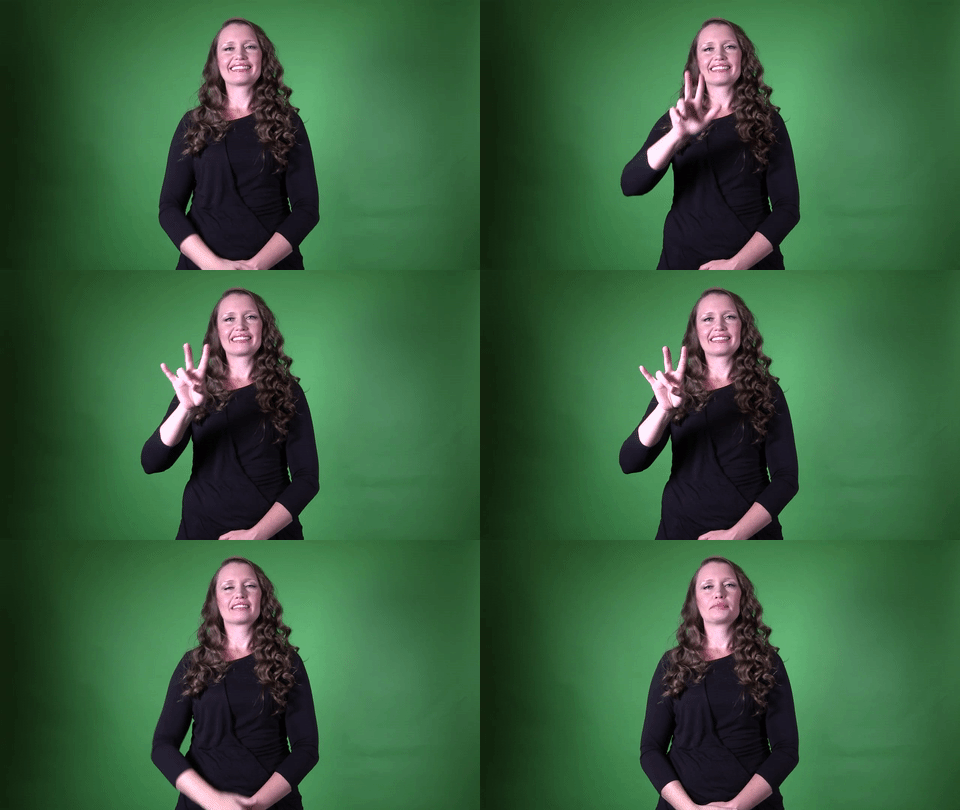
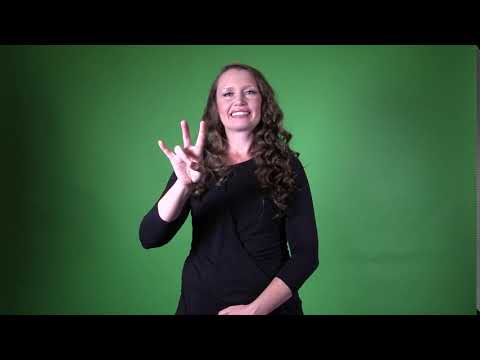
Definition: The number thirty-seven
Sign for THIRTY-SEVEN in ASL

Practice Activities:
Practicing the sign for thirty-seven in ASL can help improve number fluency and hand coordination. Start by signing thirty-seven slowly in front of a mirror, paying attention to hand placement and movement. Repeat the sign multiple times while keeping a steady rhythm to build confidence.
Use flashcards with different numbers, including the sign for thirty-seven in ASL, and practice signing them at random. Try writing numbers on a piece of paper and signing them aloud to reinforce recognition. Record yourself signing numbers from 30 to 40 and review the video to check for accuracy.
In a group or with a partner, take turns signing random numbers while the other person identifies them. Play a game where you sign a number, and your partner must quickly show the correct written number. Challenge yourself by signing a five-number sequence, including thirty-seven, and see if your partner can write them down correctly.
For real-life application, practice incorporating thirty-seven into sentences. Sign phrases like “I have thirty-seven dollars” or “There are thirty-seven students in the class.” Create a short story that includes the sign for thirty-seven in ASL, such as talking about a marathon race with thirty-seven participants or counting objects in a collection.
To improve speed and accuracy, set a timer and sign all the numbers from thirty to forty multiple times. Try signing an addition or subtraction problem involving thirty-seven. Engage in ASL number bingo with a group, marking off numbers as they are signed.
By regularly incorporating the sign for thirty-seven in ASL into different activities, you can build fluency and confidence. Practicing in various contexts, such as storytelling, number games, and real-life conversations, helps reinforce both recognition and expressive skills.
Cultural Context:
The sign for thirty-seven in ASL is an essential part of understanding numbers in American Sign Language. Numbers are frequently used in daily conversations, from discussing ages to giving addresses, phone numbers, or quantities. Learning the sign for thirty-seven in ASL helps improve fluency and confidence in signed communication.
In ASL, numbers follow specific patterns that make them easy to recognize. The sign for thirty-seven in ASL follows a natural movement that fits within the numbering system. Recognizing these patterns helps new learners integrate numbers smoothly into conversations.
Deaf culture emphasizes clear and effective communication, and numbers play a crucial role. The sign for thirty-seven in ASL is used in many contexts, including telling time, discussing sports scores, and sharing numerical information. Accurate signing ensures that messages are understood without confusion.
Using the correct palm orientation and movement is important when signing numbers. The sign for thirty-seven in ASL involves a transition between two digits, which should be smooth and natural. Practicing this sign helps with finger dexterity and strengthens overall signing skills.
Context matters when using numbers in ASL. The sign for thirty-seven in ASL can be part of a financial discussion, a classroom lesson, or even a casual conversation about prices. Understanding number signs in various settings improves communication efficiency.
ASL numbers are widely used in Deaf education and social interactions. Mastering the sign for thirty-seven in ASL enhances the ability to engage in conversations involving math, dates, and statistics. Fluency in number signs allows for clearer discussions in both formal and informal settings.
When interacting with Deaf individuals, accuracy in signing numbers is essential. The sign for thirty-seven in ASL must be clear to avoid potential misunderstandings. Consistent practice and exposure to native signers help learners improve their number signing skills.
Numbers in ASL are not just functional; they also reflect cultural identity. The sign for thirty-seven in ASL, like other number signs, is used within the rich linguistic structure of the Deaf community. Learning ASL numbers deepens cultural awareness and appreciation for the language.
Technology and media often include ASL numbers in educational resources. Videos demonstrating the sign for thirty-seven in ASL can be useful for visual learners. Watching native signers perform number signs enhances retention and comprehension.
Practicing number signs regularly reinforces fluency. The sign for thirty-seven in ASL should be practiced in various contexts, such as discussing measurements or identifying objects in a sequence. Frequent use
Extended Definition:
The sign for thirty-seven in ASL is a combination of hand movements that represent the numbers three and seven. It follows the standard number pattern in American Sign Language, making it easy to learn for beginners and fluent signers alike. Understanding how to sign numbers correctly is essential for effective communication.
To form the sign for thirty-seven in ASL, start by showing the number three on your dominant hand. Then smoothly transition to the number seven in one fluid motion. Practicing this movement will help improve speed and accuracy when signing numbers.
Numbers in ASL are essential for daily conversation, whether discussing age, prices, or dates. The sign for thirty-seven in ASL follows a logical numerical pattern, just like other two-digit numbers. Mastering numbers helps signers build confidence in both casual and professional settings.
Learning the sign for thirty-seven in ASL is helpful for students, interpreters, and anyone communicating with the Deaf community. Numbers are commonly used in phone numbers, addresses, and counting exercises. Being able to sign numbers correctly ensures clear and accurate exchanges of information.
Fingerspelling is not typically used for numbers, making number signs an essential part of ASL fluency. The sign for thirty-seven in ASL is efficient and takes less time than fingerspelling each digit. This is especially useful in fast-paced conversations where quick communication is needed.
American Sign Language relies on visual and spatial expressions, and number signs like thirty-seven integrate seamlessly into daily communication. ASL number signs also follow consistent rules, making it easier to learn multiple numbers quickly. Practicing the transition between numbers can improve fluency.
In addition to learning the sign for thirty-seven in ASL, it is beneficial to practice numbers in different contexts. Signing numbers in prices, phone numbers, and dates helps reinforce memorization. Conversing with fluent signers also improves confidence and accuracy.
Many online resources provide video demonstrations to help learners master the sign for thirty-seven in ASL. Watching and repeating these videos can build muscle memory. Signing numbers regularly in daily activities also strengthens recognition and fluency.
ASL numbers contribute greatly to conversation clarity, and mastering them makes communication smoother. The sign for thirty-seven in ASL follows the logical sequence of ASL number formation. The more one practices, the more natural signing numbers will become.
Mastering number signs like thirty-seven is a key part of ASL fluency. It allows for quick and efficient communication across various situations. Learning
Synonyms: thirty-seven, number thirty-seven, number 37, the number 37, the number thirty-seven
Educational resources: Find related learning materials in our course bank!
Want more? Check out some of our popular learning activities on the homepage!
Need to look up a sign? Use our highly rated dictionary: https://aslinteractive.com/best-asl-dictionary/
Follow us on tiktok: https://www.tiktok.com/@aslinteractive. More social media links at the bottom of this page!
Long-tail Keywords: what is the sign for thirty-seven in ASL, how do you sign thirty-seven in ASL, thirty-seven in American Sign Language
Categories: Numbers – Basics, Numbers 31-40, cardinal numbers
tags: Numbers 31-40, Numbers, Math, Educational, Language Learning
Parameters
*Handshape*:
The sign for THIRTY-SEVEN in ASL uses the dominant hand, starting with the number “3” handshape—thumb, index, and middle fingers extended while the ring and pinky fingers remain folded. The hand transitions smoothly into the number “7” handshape by folding the middle finger down while raising the ring finger. This fluid movement helps distinguish the sign for THIRTY-SEVEN in ASL from similar numerical signs, ensuring clarity in communication.
*Palm Orientation*:
The palm orientation for the sign for THIRTY-SEVEN in ASL faces outward, with the palm directed away from the signer. The number begins with the number three handshape, then transitions into the number seven handshape in a continuous movement. Throughout the motion, the palm remains comfortably forward, ensuring clarity in the transition between digits. This orientation helps differentiate the sign for THIRTY-SEVEN in ASL from similar number signs.
*Location*:
The sign for THIRTY-SEVEN in ASL is produced in the neutral space in front of the signer’s body, typically at chest level. The dominant hand forms the number “3” handshape and transitions smoothly into the number “7” handshape while maintaining a consistent position in space. The movement is subtle yet deliberate, ensuring clarity in the numerical transition while keeping the hand within the general signing area.
*Movement*:
To sign for thirty-seven in ASL, start with the number three by extending the index, middle, and thumb while keeping the ring and pinky fingers folded. Then, smoothly transition to seven by bringing the ring finger down to touch the thumb. The movement should be fluid, without pauses, allowing for a seamless shift between handshapes. Keep your palm facing outward as you sign for thirty-seven in ASL for clarity.
*Non-Manual Signals*:
When using the sign for thirty-seven in ASL, maintain a neutral or slightly attentive facial expression to ensure clarity. The eyebrows remain relaxed unless emphasizing or questioning the number. Mouth movements should reflect natural speech without exaggeration. If used in a counting sequence, a small head nod may accompany the sign for thirty-seven in ASL to indicate continuity. Keep eye contact to maintain engagement, especially in conversational settings.
*Prosody, Dominant/Non-Dominant Hand*:
The sign for THIRTY-SEVEN in ASL uses the dominant hand, forming the number “3” with the thumb, index, and middle fingers extended. The ring and pinky fingers remain folded toward the palm. The hand transitions smoothly into the number “7” by bringing the ring finger up while tucking the middle finger down. This movement should be fluid, with the palm facing outward. Non-dominant hand is not used.
Tips for Beginners:
When learning the sign for THIRTY-SEVEN in ASL, remember that accuracy in handshape and movement is key. This number sign is formed using the dominant hand, transitioning smoothly between the signs for “3” and “7.” Keep your fingers steady and relaxed as you form each number to ensure clarity.
A common challenge beginners face with the sign for THIRTY-SEVEN in ASL is handshape confusion. Make sure your index, middle, and thumb are correctly extended for “3,” then shift seamlessly to “7” by touching the thumb to the ring finger. Avoid excessive movement or pausing between numbers, as a fluid transition is essential.
Finger dexterity plays a big role in mastering this number sign. Practicing finger exercises can help strengthen control, making the transition between “3” and “7” smoother. If you struggle, slow down and focus on forming each number correctly before speeding up.
Another common mistake is incorrect palm orientation. The palm should face outward, toward the person receiving the sign. If you accidentally face it inward, the number may be misread, so practice in front of a mirror or get feedback from fluent signers.
Repetition and real-world practice will help solidify your confidence with the sign for THIRTY-SEVEN in ASL. Try signing numbers in sequence to develop muscle memory and enhance fluency. Watching videos or practicing with a partner can also reinforce correct positioning and movement.
Patience and consistency are key to mastering numbers. If the transition feels awkward at first, keep practicing at a comfortable pace. Over time, your fingers will naturally become more agile, and signing numbers will feel effortless.
Connections to Other topics:
The sign for thirty-seven in ASL is part of the number system used in everyday communication, making it an essential building block for discussing ages, prices, addresses, and quantities. Understanding this sign helps learners become more comfortable with sequential counting patterns in ASL, especially when learning other numbers in the thirties. Since ASL numbers follow specific movements, recognizing the differences between thirty-seven and similar numbers, such as thirty-eight or thirty-six, reinforces the consistency of number signs.
The sign for thirty-seven in ASL also connects to related concepts in time, such as years, decades, and historical events. This number may appear when discussing someone’s age or referencing a year, such as 1937. Because ASL users often sign numbers in quick succession, mastering number transitions strengthens fluency in larger numerical concepts, like talking about periods of time or financial figures.
In everyday conversation, the sign for thirty-seven in ASL may be combined with other number signs to express totals or comparisons. For example, someone might sign “thirty-seven dollars” when discussing the price of an item. Additionally, ASL users may incorporate this number within phrases describing quantities, such as “thirty-seven people attended the event.” Learning these number combinations helps build confidence in discussing numerals within a sentence structure.
Understanding the sign for thirty-seven in ASL also reinforces the importance of handshape and movement variations when counting. Because many numbers in ASL share similar components, signers become more attuned to subtle shifts in hand placement and motion. This attention to fine motor control carries over into other areas of ASL, such as fingerspelling precision and classifier use, making number fluency an essential part of overall ASL skill development.
Summary:
The sign for thirty-seven in ASL is a combination of numerical handshapes fluidly transitioning from one to the next. To sign it, start with the number three handshape—thumb, index, and middle finger extended while the ring and pinky fingers are curled inward. Then transition into the number seven by bending the ring finger down while retracting the middle finger, keeping the thumb extended.
This transition should be smooth and natural, as ASL numbers in the thirty series follow a similar pattern. The movement happens within a neutral space, typically at chest level, with a slight bounce or fluid motion from one number to the next. Consistency in execution ensures clarity, especially when communicating large numbers rapidly.
Numbers in ASL are an essential part of daily interactions, appearing in contexts such as addresses, phone numbers, and monetary values. The sign for thirty-seven in ASL follows a recognizable numerical sequence that aligns with the patterns of other multiples of ten within the thirty range. Mastering number transitions improves fluency and helps maintain the rhythm when signing sequential values.
This sign follows ASL’s logical number system, where digits are often signed in combinations rather than fingerspelled. The transition between three and seven highlights ASL’s efficiency in numerical representation. Handshape clarity is vital, as numbers can be easily confused if improperly formed or rushed.
Like all ASL numbers, the sign for thirty-seven in ASL follows standardized conventions, though slight regional variations may exist. Some signers use a subtle wrist movement, while others keep the transition purely in the fingers. Whichever style is used, maintaining consistency with broader ASL number formation rules ensures comprehension.
The historical development of ASL numbers has roots in signed and oral numeric representations. Early Deaf education systems played a crucial role in standardizing numeric signs, making them more uniform across different communities. ASL’s numerical system continues to evolve, shaped by linguistic efficiency and the needs of signers.
Learning the sign for thirty-seven in ASL reinforces an understanding of ASL’s numeric patterns in general. Combining smaller units to form larger numbers is a key concept in ASL number formation, similar to the way spoken languages construct compound numbers. This reinforces ASL’s visual grammar and its non-linear approach to conveying numerical values.
Fluency with numbers enhances communication in important contexts such as banking, shopping, and statistics. The ability to quickly sign thirty-seven in ASL, along with other numbers, allows for seamless information exchange. Quick and confident execution of numerical signs reduces misunderstandings and improves overall communication speed.
Numbers also play a role in cultural identity within the Deaf community. Accurate numerical signing is highly valued, as miscommunication in numbers can impact critical personal and professional interactions. Learning proper numeric transitions signifies respect for ASL’s structure and grammar.
In ASL, numbers can also be used in classifiers, time concepts, and mathematical contexts. The sign for thirty-seven in ASL, while primarily a straightforward number representation, may be incorporated into number-incorporated classifiers or quantifiers. Expanding an understanding of ASL numbers opens the door to more advanced numeric structures in the language.
Linguistically, ASL numbers illustrate an iconic yet abstract system that combines manual dexterity with cognitive processing. The way numbers unfold visually allows for rapid recognition among signers. Differences in numeric systems across signed languages also showcase the uniqueness of ASL’s numerical structure.
ASL numbers are also tied to applied linguistics, as they require both handshape recognition and motor control. ASL learners often struggle with keeping numerical transitions smooth, particularly in fluid sequences like the sign for thirty-seven in ASL. With practice, mastery of ASL numbers aids in general dexterity and signing confidence.
Context plays a critical role in how numbers are signed and received. Depending on sentence construction, thirty-seven in ASL may stand alone as an identifier or modify a noun. In formal settings, precision is emphasized, while casual conversations may include minor variations in execution.
Grammatically, ASL numbers follow distinctive patterns based on whether they convey age, time, money, ranking, or quantity. The sign for thirty-seven in ASL assumes different meanings depending on the context in which it appears. Recognizing these variations enhances comprehension, especially in fast-paced conversations.
Numbers often function as crucial markers in conveying personal information, such as phone numbers and addresses. When signing thirty-seven in ASL as part of a longer numeral sequence, maintaining clarity ensures accurate transmission. Sequential number signing relies on rhythm, muscle memory, and an understanding of number progression.
When fingerspelling is incorporated alongside numbers, handshape control becomes even more crucial. While thirty-seven in ASL is signed using numerical handshapes rather than fingerspelling, its movement patterns can influence how smoothly numbers and letters integrate in rapid communication. Developing numerical fluency assists signers in broader language competency.
Some numbers have symbolic or cultural meanings, depending on community
Want more? Check out some of our popular learning activities!
ASL Interactive Resources
ASLInteractive YouTube Channel
Follow us on tiktok: @aslinteractive.com
Follow us on Instagram: aslinteractive
Facebook page: aslinteractive
Facebook group: aslinteractive
LInkedIn: ASL Interactive LLC
Twitter: @ASL_interactive
*Some information on this page is AI-generated. AI can make mistakes. Please check the information.


Responses