The same legend printed in the front of every ASLI book — eleven conventions, numbered the way ASL textbooks traditionally teach them, drawn the ASLI way.
How to Read the Signs — The Movement Marks
Every sign in this book is traced from a real video of your instructor signing it. The ink lines are the body. The gold marks are the motion — whenever gold appears, something moves, and the marks tell you what, which way, and how many times.
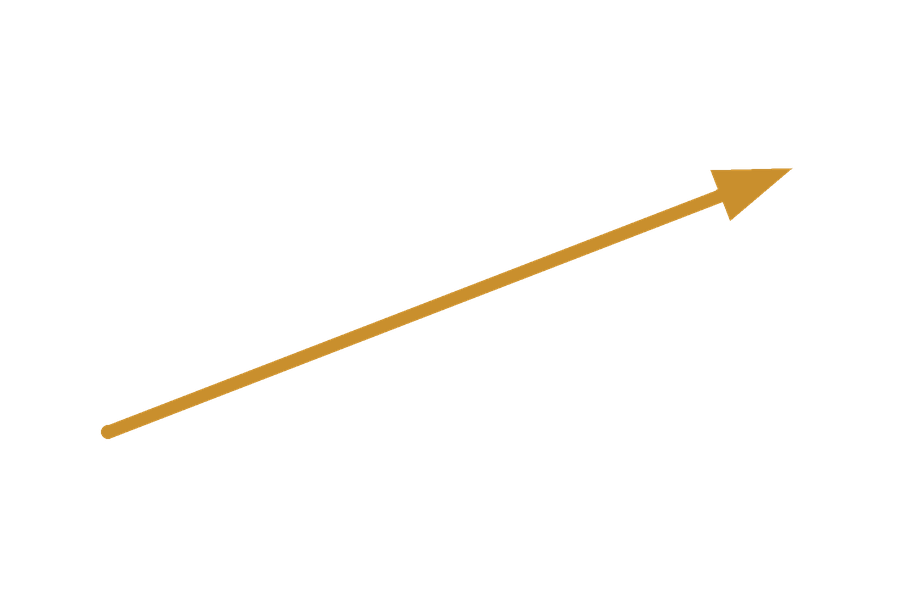
1Single movement. The hand travels the arrow’s path, once.
2Plural movement. Small drifting moves toward the final spot — gold paths with no arrowhead.
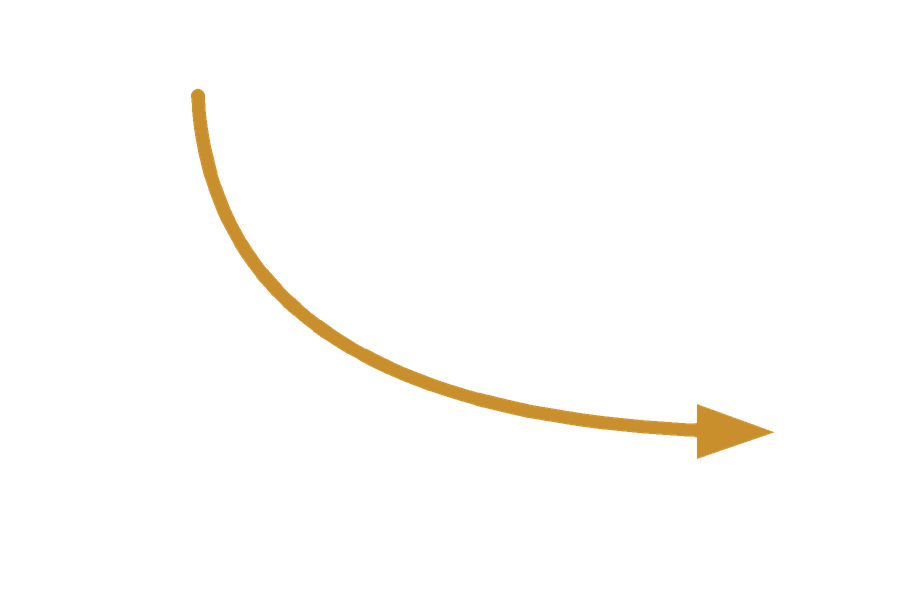
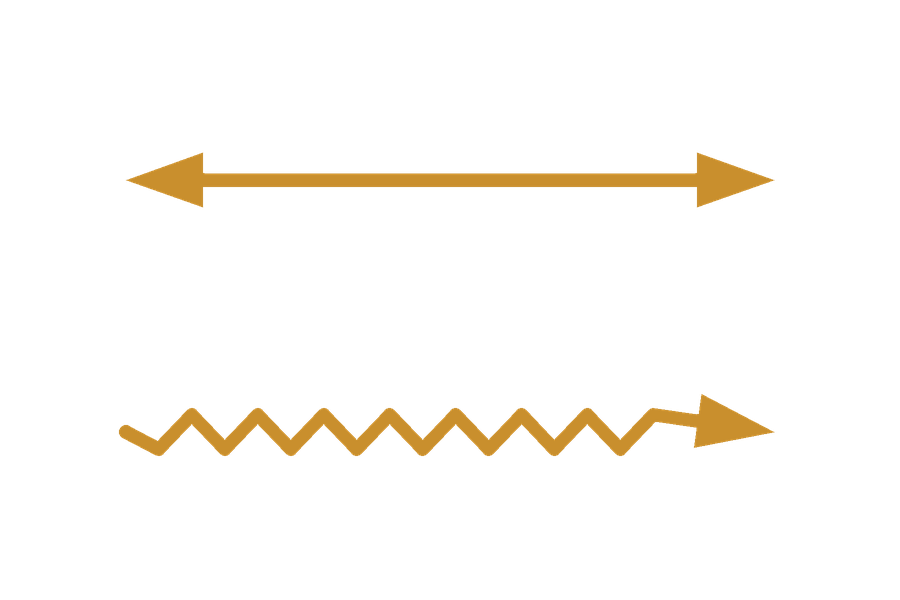
3Change in direction. A bent arrow turns a corner. When the handshape changes mid-sign, the sign gets a second panel instead.
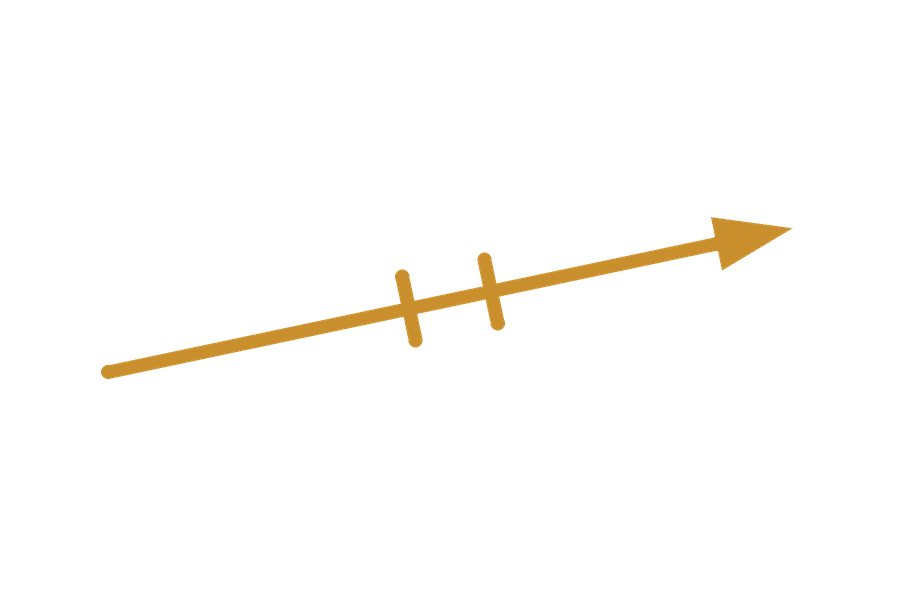
4Double movement. Cross-ticks on the shaft mean do it twice: taps, nods, little shakes.
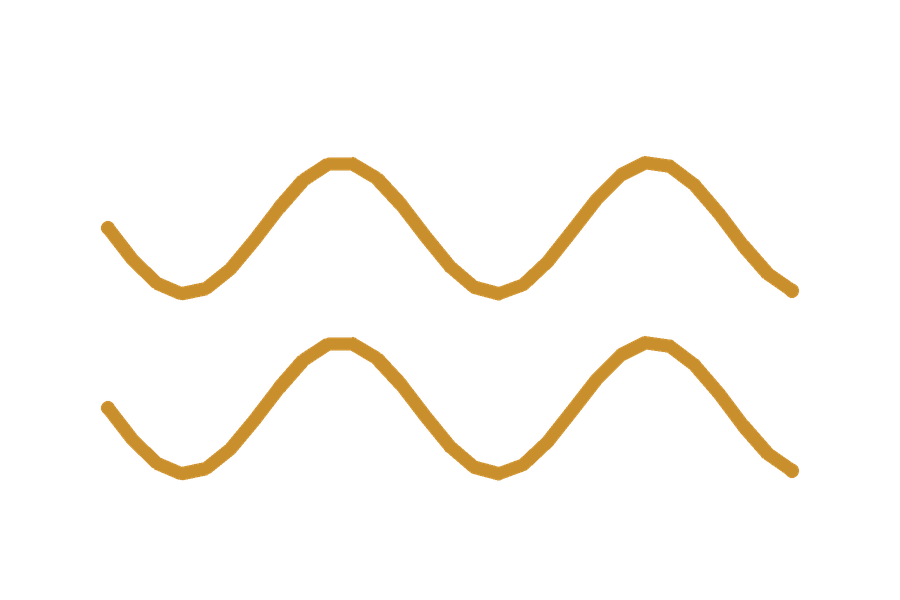
5Multiple movement. Two heads = back and forth. A zigzag = keep shaking as you go.
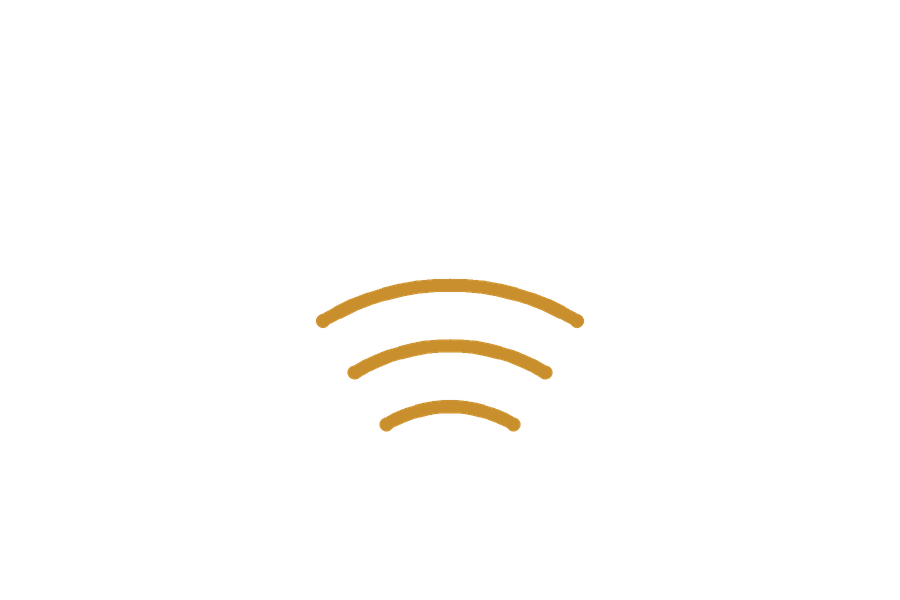
6Wiggle. The fingers flutter in place. Near the head, a slight back-and-forth.
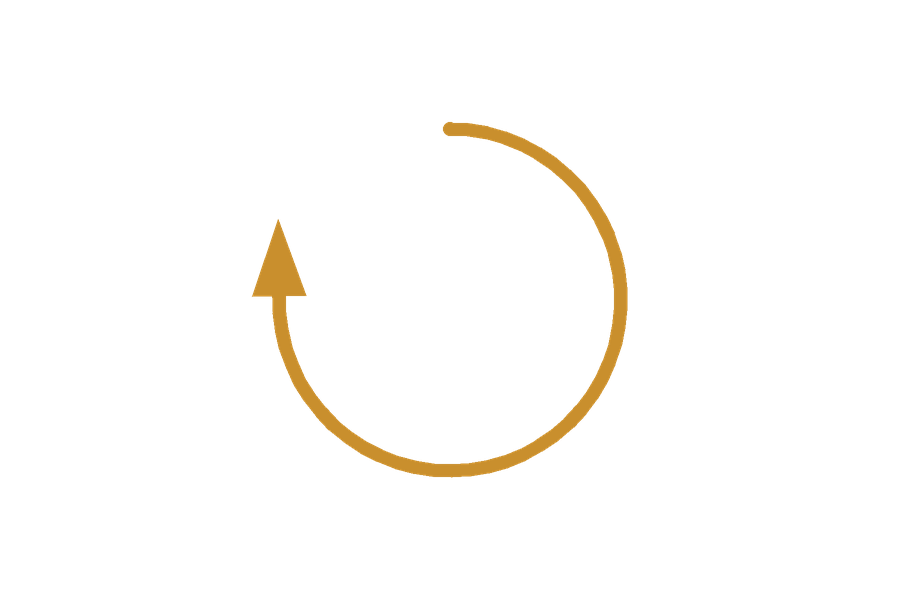
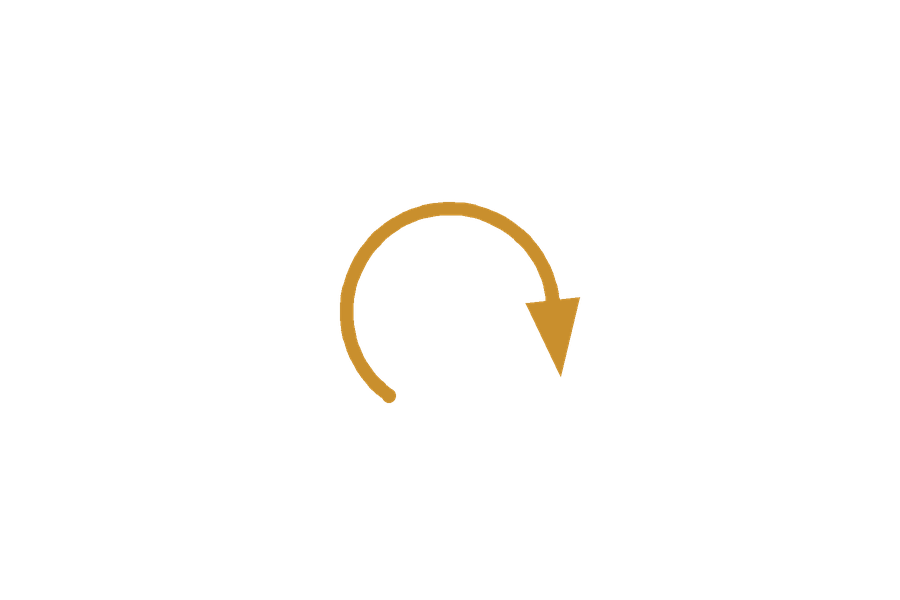
7Circular movement. Trace the circle; the arrowhead shows the direction.
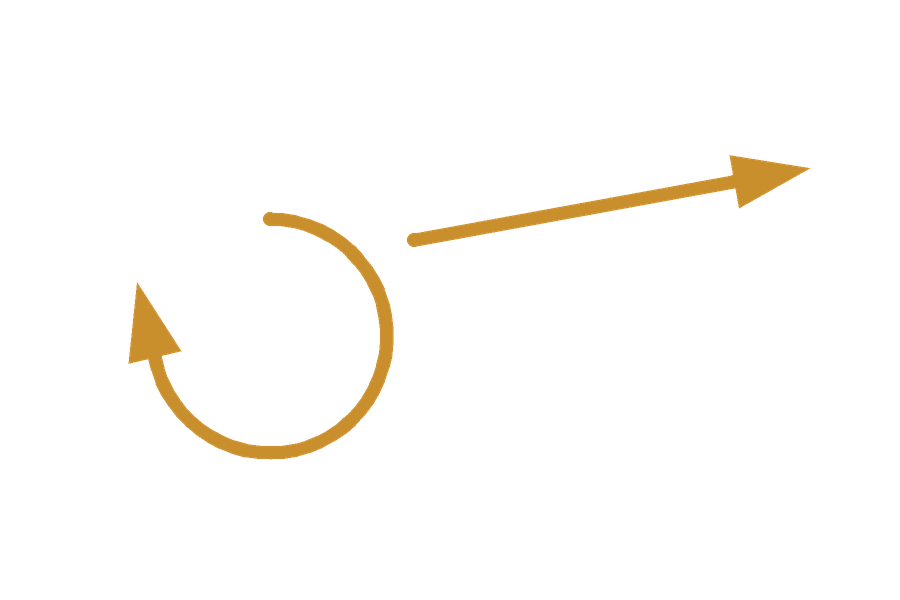
8Circle that travels. The circle is the motion; the arrow is where it goes.
9Twist. A small circle at the wrist: rotate once, like turning a key.
10Contact. A gold spark marks where the hands touch each other or the body.
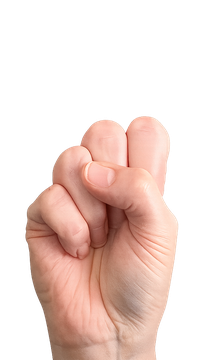
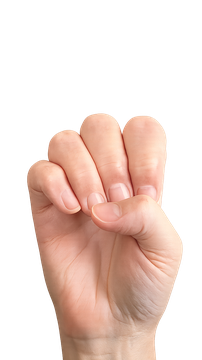
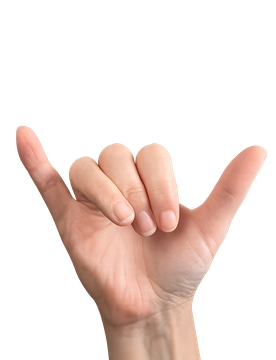
11Fingerspelling. Shown from the viewer’s perspective: read the hands right to left.† The hand holds in the fingerspelling space, letters forming on top of each other — drifting slightly away from the midline is natural; moving toward it is not (rare location-based exceptions like #BACK).
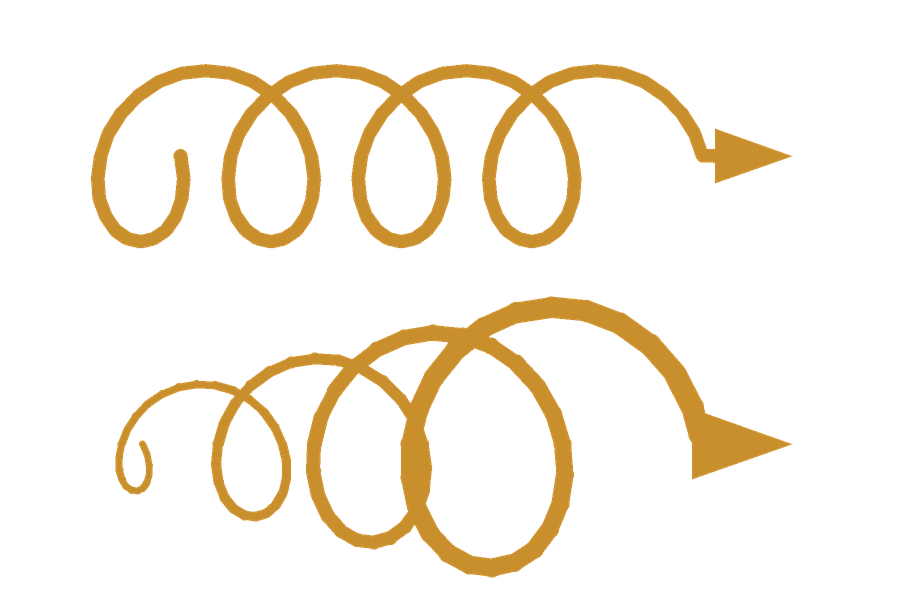
Spiral. The hand corkscrews along its path. Coils that shrink spiral away from you; coils that grow come toward you.
Numbered touches. Inside one panel, touch ① first, then ②.
Panels. When a sign changes handshape or place mid-flight, we don’t crowd one drawing — the sign gets a second panel. Read panels left to right, like frames of a film.
No gold at all? That’s a hold: make the handshape, put it in place, and keep it still.
The marks are the map; the video is the territory. Every illustrated sign links to its video at aslinteractive.com — if a drawing and the video ever seem to disagree, trust the video.
† Fingerspelling photos face you, the viewer, so the word reads right to left. From the signer’s own perspective, production runs left to right for right-handed signers and right to left for left-handed signers.