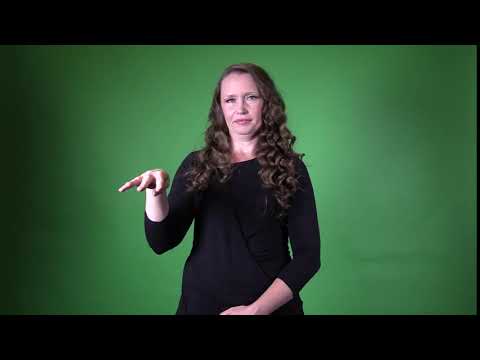
Sign for NUMBER FORTY-FOUR in ASL | 🔢 ASL Dictionary

Definition: Refers to the number forty-four

Sign for NUMBER FORTY-FOUR in ASL 

YouTube player

Practice Activities:

Practicing the sign for number forty-four in ASL can be done in several ways to build fluency and accuracy. Start by repeatedly signing the number in isolation while saying it in your head. Focus on the handshape and movement to ensure precision. Try signing it in front of a mirror to self-correct any mistakes. Recording yourself and watching your signing can also help refine your performance.

To build confidence, incorporate the sign for number forty-four in ASL into numerical exercises. Count from forty to fifty, making sure to sign each number clearly. Then, switch up the order and practice signing various numbers randomly, including forty-four. Try signing number sequences like forty-two, forty-three, forty-four, forty-five to reinforce the pattern. Challenge yourself by skipping numbers and signing them out of order, such as forty-four, thirty-nine, fifty, and so on.

Engage in real-world applications by signing the number in different contexts. Practice using it in mock conversations about prices, quantities, and years. For example, ask a partner to give you a random number, including forty-four, and sign it back. Use number-based prompts such as How many chairs are in the room? and respond with the appropriate number including the sign for number forty-four in ASL when applicable.

Storytelling can enhance retention. Create a scenario where forty-four appears naturally. For instance, pretend you bought forty-four apples at the store or traveled forty-four miles. Sign a short story that includes this number multiple times. If practicing with a group, play a game where someone says a number, and others must sign it quickly. The first person to sign correctly gets a point. These exercises strengthen familiarity and speed in producing the sign naturally.

Cultural Context:

The sign for number forty-four in ASL follows a standard pattern used for repeating double-digit numbers. In American Sign Language, numbers like forty-four are formed with a specific hand movement, making it easy to recognize. By understanding this signing pattern, learners can quickly pick up other double-digit numbers in ASL.

Numbers play an important role in ASL communication, helping express ages, quantities, addresses, and more. The sign for number forty-four in ASL uses a bouncing movement, commonly seen with repeated numbers. This fluid motion helps maintain clarity and ensures the number is easily understood in conversation.

Deaf culture highly values numerical precision, making it important to sign numbers correctly. The sign for number forty-four in ASL is frequently used in everyday conversations, especially when discussing prices, sports scores, or dates. Practicing this number along with others improves fluency and confidence in signing.

Sports and statistics often involve numbers like forty-four, making it useful for discussing player jerseys, rankings, or records. The sign for number forty-four in ASL might also come up in educational settings, where math and counting are common topics. Fluency in signing numbers allows for smoother communication across various subjects.

The sign for number forty-four in ASL is a great example of how numerical signs maintain consistent patterns. Recognizing how numbers are modified in ASL makes learning faster and easier. This structured approach helps both beginners and advanced signers improve their skills over time.

When signing numbers, hand positioning and movement are key to accuracy. The sign for number forty-four in ASL incorporates both proper handshape and directional movement for clarity. American Sign Language emphasizes visual communication, making precise hand movements essential for effective signing.

In Deaf communities, numbers frequently appear in addresses, phone numbers, and schedules. The sign for number forty-four in ASL helps ensure smooth exchanges of numerical information. Practicing numerical signs can enhance everyday interactions with the Deaf community.

Expressing numbers correctly is essential for clear communication. The sign for number forty-four in ASL follows visual rules that are easy to recognize once you are familiar with ASL numbering. Learning and reinforcing number signs ensures confidence in real-world conversations.

Whether discussing finances, keeping score in games, or marking anniversaries, numbers are a vital part of signing. The sign for number forty-four in ASL is useful in a wide range of topics and settings. Mastering numerical signs strengthens overall ASL proficiency.

Extended Definition:

The sign for number forty-four in ASL follows a specific pattern commonly used for repeated double-digit numbers. To form this sign, the number four handshape moves slightly side to side in a bouncing motion. This movement helps distinguish the number from a single-digit or other number combinations.

When signing the number forty-four in ASL, both hands should be in the number four handshape with the fingers slightly spread apart. The hand moves quickly yet smoothly to show the repeated digit. Accuracy in movement ensures clarity for the viewer.

ASL uses a consistent pattern for numbers like thirty-three, forty-four, and fifty-five. These repeated numbers follow a rhythmic bouncing motion, making them easy to recognize. Mastering these numerical patterns helps improve fluency in ASL number signs.

The structure of the sign for number forty-four in ASL is visually similar to other double numbers. However, each number has a unique finger formation and movement variation. Paying attention to subtle differences helps avoid confusion with numbers like fifty-five or thirty-three.

Numbers in ASL play an essential role in communication, especially for addresses, phone numbers, and dates. The sign for number forty-four in ASL is frequently used in daily conversations. Learning and memorizing ASL numbers enhances overall signing efficiency.

Facial expressions and precise hand movements contribute to effective communication when using ASL numbers. Clarity in signing the number forty-four in ASL ensures the correct number is understood. Practicing with native signers can help improve accuracy and confidence.

ASL follows a logical numerical system, making it easy to learn repeating numbers. The movement of the sign for number forty-four in ASL remains consistent with other double-digit numbers. This standard pattern helps signers recognize and produce numbers quickly in conversation.

By mastering numbers in ASL, including the sign for number forty-four in ASL, communication becomes smoother. Whether discussing prices, scores, or years, knowing how to sign numbers correctly is essential. Regular practice reinforces muscle memory and signing proficiency.

Watching videos or practicing in front of a mirror can help perfect the sign for number forty-four in ASL. Learning ASL numbers builds a strong foundation for more advanced signing skills. Fluency in numbers is key to developing overall confidence in signing.

Synonyms: forty-four, number forty-four, number 44, the number 44, the number forty-four

Educational resources: Find related learning materials in our course bank!

Want more? Check out some of our popular learning activities on the homepage!

Need to look up a sign? Use our highly rated dictionary: https://aslinteractive.com/best-asl-dictionary/

Follow us on tiktok: https://www.tiktok.com/@aslinteractive. More social media links at the bottom of this page!

Long-tail Keywords: what is the sign for number forty-four in ASL, how do you sign number forty-four in ASL, learn how to sign number forty-four in American Sign Language

Categories: Numbers – Basics, Numbers 41-50, cardinal numbers

tags: Numbers 41-50, Numbers, Math, Educational, Language Learning

Parameters

*Handshape*:

The sign for NUMBER FORTY-FOUR in ASL uses the “4” handshape on both hands. The fingers are extended and spread apart while the thumb remains tucked in. The movement involves a slight repetition as both hands face outward and bounce once or twice. This motion emphasizes the concept of doubling the number four. The sign for NUMBER FORTY-FOUR in ASL is a clear and fluid representation, making it easy to recognize in conversation.

*Palm Orientation*:

The sign for NUMBER FORTY-FOUR in ASL is made using both hands in a “4” handshape, with the fingers extended and spread apart. The palms face downward as the fingers flick twice. This repetitive motion emphasizes the double-digit nature of the number. When signing the sign for NUMBER FORTY-FOUR in ASL, maintain smooth, controlled movements to ensure clarity. Palm orientation remains downward throughout the motion for consistency.

*Location*:

The sign for NUMBER FORTY-FOUR in ASL is formed in the neutral space in front of the body, usually at chest level. The dominant hand makes the number four handshape, with fingers extended and slightly spread apart. The hand moves side to side twice in a bouncing motion to indicate the repetition of the digit four. The sign for NUMBER FORTY-FOUR in ASL maintains consistent hand positioning and movement to clearly represent the number.

*Movement*:

To produce the sign for number forty-four in ASL, start with both hands in the “4” handshape, with fingers extended and separated. Position your dominant hand in front of your chest, palm facing outward. Quickly flick the fingers slightly downward while maintaining the “4” shape, then repeat the motion. This repetition helps differentiate it from similar number signs. The movement is smooth and fluid, emphasizing precision in the flicking action.

*Non-Manual Signals*:

Facial expression is typically neutral or slightly focused when forming the sign for number forty-four in ASL. Eyebrows may remain relaxed, with a slight head nod to emphasize the number. If used in a questioning context, the eyebrows may raise slightly, and the head might tilt forward.

Mouth movements remain minimal, though slight mouthing of “forty-four” can occur in casual settings. If expressing emphasis, the signer may show a slight puffing of the cheeks or a small forward movement of the lips. The overall presentation should remain fluid and clear.

*Prosody, Dominant/Non-Dominant Hand*:

The sign for number forty-four in ASL uses the dominant hand, forming the number “4” handshape with the palm facing outward. The fingers bounce twice slightly to the side, maintaining the “4” handshape throughout. This movement distinguishes the double-digit number and follows the pattern of ASL number signs.

Because the sign for number forty-four in ASL involves repetition, maintaining a rhythmic, controlled bounce is important. The motion should be fluid and not exaggerated, ensuring clarity and natural expression. Make sure the fingers remain extended and separated while moving.

Tips for Beginners:

The sign for NUMBER FORTY-FOUR in ASL is made by forming a “4” handshape with both hands and repeating the movement slightly. Focus on keeping your fingers clearly extended and not accidentally bending them, as this can make the number look like a different one. Maintain a steady wrist movement to keep the motion smooth and natural.

One common mistake when signing the sign for NUMBER FORTY-FOUR in ASL is not keeping the “4” handshape solid. If your fingers start to curl, it may resemble a “W” or another number. Pay attention to your finger positioning and practice in front of a mirror. Recording yourself signing can also help identify small errors in your movements.

Hand placement is also important when practicing the sign for NUMBER FORTY-FOUR in ASL. Keep the sign within your signing space, around chest level, so that it is clearly visible to your conversation partner. If you sign too low or too fast, it can be difficult to recognize. Taking it slow will help you build confidence and improve accuracy.

When learning ASL numbers, finger dexterity plays a big role. If your fingers feel stiff, try warming them up with small stretches before practicing. The sign for NUMBER FORTY-FOUR in ASL involves repetition, so keeping a smooth rhythm in your motion will make it more fluid. Consistency will build muscle memory and help in natural conversations.

Lastly, don’t hesitate to practice with fellow signers or get feedback from experienced ASL users. Sometimes small adjustments in hand positioning or speed can make a big difference. Pay close attention to native signers to see the subtle ways they form and transition between numbers. Keep practicing, and soon, the sign for NUMBER FORTY-FOUR in ASL will become second nature.

Connections to Other topics:

The sign for number forty-four in ASL follows the general pattern of repetitive hand movements used for double-digit numbers in multiples of eleven. This similarity connects it to other numbers like thirty-three, fifty-five, and sixty-six, creating a recognizable pattern that helps with memorization. Understanding this pattern reinforces a learner’s ability to count efficiently in ASL and apply the structure to higher numbers.

In everyday use, the sign for number forty-four in ASL might appear in contexts involving age, addresses, sports statistics, and financial figures. For example, someone might indicate their jersey number in a game by signing this number or share a house number with a delivery driver. Recognizing how numbers integrate smoothly into everyday communication allows for fluid signing and greater comprehension in natural conversations.

The formation of number signs in ASL parallels movement and symmetry principles found in other ASL concepts. The repetitive bouncing motion seen in number forty-four also appears in linguistic patterns of words like “again” and certain classifiers that indicate repetition. These movement similarities help users recognize ASL’s tendency to employ space and motion to convey meaning, reinforcing the visual-spatial nature of the language.

Additionally, practicing the sign for number forty-four in ASL improves finger dexterity, which is valuable for signing other numerical concepts such as time, dates, and measurements. This skill development is crucial as numbers appear frequently in daily communication, including discussing class schedules, prices, and percentages. Proficiency in ASL numbers ensures better clarity and confidence when signing in real-world situations.

When learning the sign for number forty-four in ASL, it helps to study related double-digit numbers to establish fluency. Recognizing these numeric patterns also supports learning time-based signs such as “11 o’clock” or “22 minutes,” strengthening a signer’s ability to express precise details. Numerical literacy in ASL enhances overall communication, making conversations more efficient and accurate.

Summary:

The sign for number forty-four in ASL follows a pattern used for double-digit repeating numbers. It utilizes both the dominant hand and specific movement to convey the numerical value. This sign is part of a broader system of numerical representation in ASL.

To sign number forty-four in ASL, the dominant hand forms the number 4 with the palm facing outward. The fingers are extended and separate, making the numeral shape visible. The hand moves slightly outward and down twice in a bouncing motion.

This movement is a key feature of ASL’s numerical system for repeating numbers. It follows the same structure as signs for thirty-three, fifty-five, and similar figures. The movement maintains clarity while distinguishing the number from other four-digit forms.

American Sign Language numbers rely on both configuration and motion for clarity. The sign for number forty-four in ASL is an example of iconicity, where visual features resemble meaning. The bouncing motion emphasizes repetition, helping to differentiate it from forty or four in numerical contexts.

In Deaf culture, numerical fluency is essential for clear communication. Number signs are frequently used in phone numbers, addresses, and mathematical discussions. The sign for number forty-four in ASL fits seamlessly within these daily interactions.

ASL numbers have evolved to be both functional and visually distinct. Many follow established patterns that improve recognition. The bouncing motion for repeated digits ensures efficiency while maintaining a natural rhythm in sign production.

Handshape and palm orientation play key roles in numerical accuracy. If the palm faces inward instead of outward, the sign may be misinterpreted or confused with other gestures. The sign for number forty-four in ASL relies on proper execution for clarity.

Linguistically, ASL numbers exhibit systematic structuring. The sign for number forty-four in ASL aligns with linguistic principles of numeral sequencing in signed languages. Research indicates that signed numbers share syntactic and morphological traits with spoken number systems.

This sign also connects to broader linguistic discussions on numeral cognition. Studies suggest that signers and speakers process numbers similarly in cognitive tasks. The sign for number forty-four in ASL contributes to discussions on numerical understanding across modalities.

The bouncing motion adds a rhythmic element to ASL’s numerical signs. This rhythm helps reinforce retention and recognition. It also makes signed numbers visually engaging while maintaining efficiency in communication.

When teaching ASL numbers, instructors often emphasize hand positioning. The sign for number forty-four in ASL requires accuracy in both handshape and movement. Small deviations could lead to miscommunication or confusion with other numbers.

In ASL fluency assessments, numerical accuracy is a key component. Signers must exhibit clear articulation of numbers during assessments. The sign for number forty-four in ASL serves as an example of numerical competency in language proficiency evaluations.

Numbers in ASL play a role in everyday exchanges. Phone numbers, addresses, and financial transactions often require precise numerical conveying. The sign for number forty-four in ASL is frequently seen in these practical engagements.

Mathematics education for Deaf students includes a strong focus on signed numbers. The sign for number forty-four in ASL is used when teaching numerical concepts. Signed numbers provide an accessible way for Deaf individuals to engage with math concepts visually.

Number incorporation extends beyond figures into time expressions and sports scores. The sign for number forty-four in ASL can appear in sports statistics, competition scores, or historical references. Numerical signs remain dynamic in multiple real-world contexts.

Variations in number signs can exist due to regional differences. However, the sign for number forty-four in ASL follows a widely accepted standardized form. Dialectical variations are more common in informal settings or community-based interactions.

Technology influences how ASL numbers are used in digital spaces. The sign for number forty-four in ASL may appear in video conversations or digital content. Signed numbers remain central in virtual communication for Deaf individuals.

Numerical literacy in ASL includes understanding number sequencing. The sign for number forty-four in ASL fits logically within the sequence of signed numbers. Recognizing patterns like this improves overall proficiency in ASL numeracy.

ASL interpreters frequently sign numbers in various settings. The sign for number forty-four in ASL might be used in financial discussions, presentations, or medical documentation. Interpreters rely on numerical precision to relay accurate information.

Cognitively, signers develop rapid numerical recognition. The sign for number forty-four in ASL is learned within these recognition systems. This contributes to enhanced numerical processing skills among Deaf individuals.

In formal settings, numerical clarity is essential. The sign for number forty-four in ASL follows established standards for official documentation. Educational institutions and workplaces emphasize numerical precision for clear communication.

When discussing sports, statistics, or historical events, the number forty-four often emerges. The sign for number forty-four in ASL occurs in these discussions, whether referencing jersey numbers or specific dates. Numerical accuracy remains vital across different fields.

Tact

Want more? Check out some of our popular learning activities!

ASL Interactive Resources

ASLInteractive YouTube Channel

Follow us on tiktok: @aslinteractive.com

Follow us on Instagram: aslinteractive

Facebook page: aslinteractive

Facebook group: aslinteractive

LInkedIn: ASL Interactive LLC

Twitter: @ASL_interactive

*Some information on this page is AI-generated. AI can make mistakes. Please check the information.

Sign for FORTY-FOUR in ASL, Sign for NUMBER FORTY-FOUR in ASL 

Responses