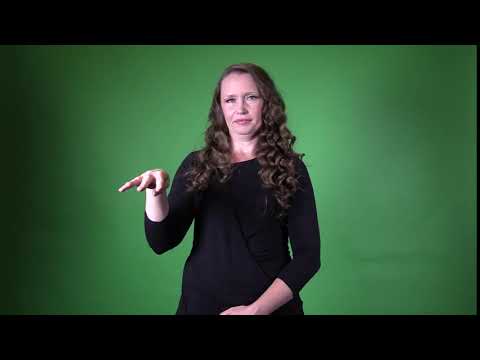
Sign for THE NUMBER FORTY-FOUR in ASL | Master the Sign for THE NUMBER FORTY-FOUR in ASL with the #1 Best Free Dictionary!

Definition: Refers to the number forty-four

Sign for THE NUMBER FORTY-FOUR in ASL 

YouTube player

Practice Activities:

To practice the sign for the number forty-four in ASL, begin by signing it repeatedly in isolation. Use both hands to create the “4” handshape with fingers extended and together, then move them side to side in a bouncing motion. Practice in front of a mirror to ensure correct hand positioning and motion.

Incorporate the sign for the number forty-four in ASL into simple number sequences. Count from forty to fifty while emphasizing forty-four. Try signing random double-digit numbers to improve fluency, making sure to transition smoothly between numbers.

Use real-life contexts to enhance understanding. Practice telling someone a price, stating an age, or giving an address that includes the number forty-four. For example, sign “My uncle is forty-four years old” or “The house number is forty-four on my street.” This helps apply the sign naturally in everyday situations.

Work with a partner by playing a number recognition game. One person signs a number while the other identifies it. Focus on the sign for the number forty-four in ASL frequently so both partners get comfortable recognizing and using it quickly.

Create a short story or dialogue that includes the number forty-four. It could be about someone celebrating their forty-fourth birthday, buying forty-four items at a store, or driving for forty-four minutes. This encourages imagination and consistent repetition of the sign.

For an advanced challenge, sign a set of random numbers at increasing speed and have a friend write them down. Ensure clarity so numbers aren’t misread. This activity boosts accuracy and confidence in signing numbers rapidly and correctly.

Incorporate the sign into daily conversations. Whenever you hear or see the number forty-four, sign it. Practicing in natural settings reinforces memory and fluency over time.

Cultural Context:

The sign for the number forty-four in ASL follows the standard pattern for repeated digits in American Sign Language. This sign uses a repeated movement to indicate both fours while maintaining clarity. It is a common number used in daily communication, sports, and official contexts.

In ASL, numbers play a crucial role in expressing time, quantity, and even addresses. The sign for the number forty-four in ASL is frequently seen in conversations about measurements, years, and statistics. Knowing how to sign numbers correctly helps improve fluency and understanding in ASL.

Sports teams often use the number forty-four as a jersey number, making this sign useful among athletes and fans. Whether discussing scores, athlete numbers, or historical sports records, the sign for the number forty-four in ASL comes in handy. It ensures smooth communication, especially in deaf sports organizations.

In education, students use the sign for the number forty-four in ASL when discussing math problems, counting, or historical events. Teachers emphasize proper number formation to help students become more confident signers. Clear numerical signing helps avoid confusion in academic and everyday settings.

Addresses and phone numbers frequently include double-digit numbers like forty-four. The sign for the number forty-four in ASL ensures accuracy when exchanging contact information or providing directions. Being able to sign numbers fluently makes communication seamless within the deaf community.

Social events such as birthdays and anniversaries also require numbers for age and years of celebration. The sign for the number forty-four in ASL may be used when referring to a 44th birthday, a 44th wedding anniversary, or even historical milestones. Expressing numbers clearly adds depth to ASL storytelling and conversations.

ASL numbers, including the sign for the number forty-four in ASL, follow specific handshape and movement rules. These rules help maintain consistency and understanding across different signers. Learning proper numerical signs is essential for effective communication in personal, professional, and academic settings.

Many ASL learners focus on mastering numbers early in their studies. Understanding the sign for the number forty-four in ASL helps build confidence in recognizing and signing other double-digit numbers. Practicing number signs regularly improves fluency and comprehension in American Sign Language.

The deaf community relies on numbers for various aspects of daily life, from transactions to social discussions. The sign for the number forty-four in ASL plays a role in financial exchanges, such as prices, sums, and totals. Accurate use of number signs enhances interactions in

Extended Definition:

The sign for the number forty-four in ASL is made using the dominant hand with the palm facing outward. The number four handshape is used while tapping or bouncing slightly to indicate the repetition in the number. This follows the standard pattern for signing double-digit numbers that feature the same numeral twice.

When signing the number forty-four in ASL, the movement is fluid and natural. The fingers remain extended while the hand bounces slightly in place. This helps clearly differentiate forty-four from other numbers with similar handshapes.

ASL uses a combination of handshapes, movements, and facial expressions to convey numbers accurately. The sign for the number forty-four in ASL follows the logical consistency of other double-digit numbers. Practicing the bounce technique ensures clarity in communication.

Context matters when using the sign for the number forty-four in ASL. Whether discussing age, quantity, or an address, precision in movement and hand positioning is essential. Slight variations can change the meaning, so attention to detail is important.

Learning numbers in ASL improves overall fluency in the language. Understanding patterns like the one used for signing the number forty-four in ASL makes it easier to grasp other numerical signs. Regular practice helps develop confidence in signing numbers correctly.

Watching native signers demonstrate the sign for the number forty-four in ASL is beneficial. Observing variations in motion and speed can refine signing accuracy. Consistent repetition strengthens muscle memory for ease in conversation.

Using the sign for the number forty-four in ASL in real-life situations reinforces retention. Whether signing in a classroom, at work, or in daily interactions, applying the sign regularly improves skill. Signing numbers clearly ensures effective communication with others.

When fingerspelling isn’t practical, using the correct sign for the number forty-four in ASL helps streamline conversations. Quick, accurate number signs enhance fluency and conversational flow. This is especially useful when discussing prices, dates, or statistical information.

ASL is a visual language that relies on hand movements, expressions, and spatial placement. The sign for the number forty-four in ASL adheres to established number-signing conventions. Knowing this sign contributes to a broader understanding of ASL structure.

For beginners and experienced signers alike, mastering number signs is an essential part of learning ASL. The sign for the number forty-four in ASL is straightforward yet requires precision. Practicing consistently ensures that the sign is recognizable and clear to others.

Synonyms: forty-four, number forty-four, number 44, the number 44, the number forty-four

Educational resources: Find related learning materials in our course bank!

Want more? Check out some of our popular learning activities on the homepage!

Need to look up a sign? Use our highly rated dictionary: https://aslinteractive.com/best-asl-dictionary/

Follow us on tiktok: https://www.tiktok.com/@aslinteractive. More social media links at the bottom of this page!

Long-tail Keywords: what is the sign for the number forty-four in ASL, how do you sign the number forty-four in ASL, learn how to sign the number forty-four in American Sign Language

Categories: Numbers – Basics, Numbers 41-50, cardinal numbers

tags: Numbers 41-50, Numbers, Math, Educational, Language Learning

Parameters

*Handshape*:

The sign for the number forty-four in ASL uses both hands in a “4” handshape. The fingers are extended and spread apart, with the thumbs tucked in. The movement involves bouncing the “4” handshape slightly twice to indicate the repetition of the number.

In signing the number sequence, palm orientation generally faces outward. This maintains clarity when distinguishing numbers. The sign for the number forty-four in ASL follows the typical pattern for double-digit repetition in ASL number signs. ✋

*Palm Orientation*:

The palm orientation for the sign for the number forty-four in ASL faces outward, away from the signer. Both the index and middle fingers are extended and slightly bent, resembling a relaxed “V” shape. The fingers move slightly back and forth in a repetitive motion to indicate the repetition in the number.

When forming the sign for the number forty-four in ASL, ensure that the palm remains forward throughout the motion. The movement should be smooth and controlled, without any unnecessary gestures. This consistency helps maintain clarity in number signing.

*Location*:

The sign for the number forty-four in ASL is produced in the area near the dominant side of the body, slightly away from the chest. The hand remains at a comfortable mid-level height, generally around shoulder level. This ensures visibility and clarity.

For the sign for the number forty-four in ASL, the fingers move in a bouncing motion while maintaining the correct handshape. The movement stays within a small, contained space, making the gesture easy to recognize. Proper positioning prevents misinterpretation.

*Movement*:

To make the sign for the number forty-four in ASL, start with the number four handshape on one hand, with the fingers extended and slightly spread apart. The palm faces outward, and the hand moves slightly forward and back twice while forming the number four. This movement is fluid and rhythmic, maintaining a steady pace. The sign for the number forty-four in ASL visually emphasizes the repetition of the digit four for clarity.

*Non-Manual Signals*:

When signing the number, maintain a neutral or slightly focused facial expression , as this helps with clarity. Eyebrows may stay relaxed unless the sign for THE NUMBER FORTY-FOUR in ASL is used in a question, in which case they may raise or furrow depending on context. Head positioning should remain steady, with minimal tilting, to ensure the number remains visually clear. Avoid excessive mouth movements unless emphasizing or clarifying the number in conversation.

*Prosody, Dominant/Non-Dominant Hand*:

The sign for the number forty-four in ASL uses the dominant hand, forming the number “4” handshape with the palm facing outward. The fingers flick downward twice while maintaining the “4” handshape, representing the repetition of the digit. The non-dominant hand is not used in this sign. This movement helps distinguish the sign for the number forty-four in ASL from similar number signs and ensures clarity in communication.

Tips for Beginners:

When learning the sign for the number forty-four in ASL, focus on hand shape and motion. This sign uses the number 4 handshape, with your palm facing outward. Your fingers should extend naturally, not stiffly, and the motion involves a repeated bouncing movement to indicate the double digit.

A common mistake is tensing your fingers too much, making the sign appear rigid. Keep your hand relaxed so that the motion looks smooth and natural. Make sure both bounces are equal in size; uneven bouncing can make the sign unclear.

Finger placement is also important when signing the number forty-four in ASL. Your pinky should not curve inward or separate from the other fingers. Practice holding all four fingers together while keeping a comfortable hand position.

Pay attention to your hand orientation to avoid confusion with similar signs. Since ASL numbers can share movements, small differences matter. Keep your palm facing outward throughout to keep the number distinct from other variations.

Practicing in front of a mirror can help you check accuracy and consistency. Watch for any extra movement or hesitation, which may signal a lack of confidence in your signing. Repetition will build muscle memory and lead to smoother, more natural signing.

Try incorporating the sign into daily routines to reinforce learning. Count objects around you using ASL numbers, including the sign for the number forty-four in ASL. This helps transition from isolated practice to fluid communication while ensuring recall in real conversations.

Filming yourself can provide additional feedback. Review your signing to spot any inconsistencies, especially in bounce motion and finger positioning. Correcting small errors early will help you build strong ASL number skills.

Confidence plays a big role in signing numbers clearly. Stay relaxed, trust your practice, and focus on maintaining steady hand movements.

Connections to Other topics:

The sign for the number forty-four in ASL connects to the broader system of number signs, particularly those involving repeated movements. Many double-digit numbers in ASL follow a pattern where the handshape remains the same while making a bouncing or sliding movement. This pattern helps signers distinguish between similar number formations, such as thirty-three, forty-four, and fifty-five, which use the same basic motion. Understanding this pattern benefits learners as they recognize number groupings efficiently.

Ordinal numbers, such as “44th,” are formed by slightly modifying the movement of the sign for the number forty-four in ASL. Instead of a simple repetition, the motion may turn or incorporate a downward movement to indicate an order or ranking. This shift from cardinal to ordinal numbers is essential in contexts like sports rankings, event listings, or classroom activities. Recognizing this transformation can enhance fluency in numerical discussions.

The sign for the number forty-four in ASL also relates to larger numerical expressions and mathematical concepts. For example, signing a number in multiples—such as 440 or 4,400—builds upon the foundation of signing forty-four with additional modifications for place value. This concept is particularly valuable in educational settings or discussions involving finances, addresses, or statistics. These extensions demonstrate how foundational numerical signs create a versatile counting system.

Additionally, the methodology behind signing the number forty-four in ASL contributes to understanding patterns in numerical classifiers. When identifying a set of forty-four objects, a modified version of the number may be used alongside a classifier to indicate the shape or arrangement. This feature illustrates how numerical quantifiers integrate seamlessly into ASL grammar. Such applications show that numbers are not standalone signs but interact with broader linguistic structures.

Summary:

The sign for the number forty-four in ASL is a two-digit numeral incorporating handshape movement. It uses the number four handshape, with all four fingers extended while the thumb remains tucked. The fingers move in a subtle bouncing motion to indicate repetition of the digit.

When signing the number forty-four in ASL, both movements must be consistent. The first four is articulated clearly before transitioning into the second four with a slight bounce. This bouncing movement distinguishes it from other number signs that might have a similar handshape.

The number forty-four in ASL follows the number pattern commonly found in cardinal number signs. Double-digit numbers often contain a recognizable repetition to differentiate them from single-digit numbers or other numerical sequences. This pattern ensures clarity in numerical communication.

ASL numbers rely on fluid movement, symmetry, and clarity in articulation. The bouncing action in forty-four helps reinforce the repetition of the four. Similar number signs, such as thirty-three or fifty-five, follow the same motion pattern, though with different handshapes.

Numerical signs in ASL adhere to a logical structure designed for visual recognition. The number forty-four maintains this principle, making it easy for viewers to identify. Proper palm orientation is necessary, as an incorrect angle could lead to confusion with different numbers.

Handshape is the primary difference between numbers in ASL. The number forty-four requires steady finger extension throughout the motion. Bending or relaxing the fingers too much can create ambiguity in meaning.

Finger dexterity plays an important role in signing numbers with repetitive movement. The sign for the number forty-four in ASL requires controlled finger placement. Each bounce must be performed with minimal separation between repetitions to maintain the integrity of the sign.

Numbers in ASL are dynamic and visually distinct. The number forty-four is part of a broader set of double-digit numbers that follow the same bouncing rule. This makes learning ASL numbers easier because of the consistent patterns across groups of signs.

The bouncing technique for numbers like forty-four ensures visual clarity. This is especially important in fast-paced conversations where numbers need to be conveyed quickly. Recognizing numerical patterns aids in comprehension when signing in social or professional settings.

In formal ASL settings, precision matters when signing numbers. The number forty-four in ASL must be executed with intentionality to avoid confusion. Misplaced bounces or improper handshapes may lead to misinterpretation.

ASL numbers are frequently used in daily signing, making proficiency essential for fluent communication. The number forty-four appears in contexts such as age, addresses, and quantities. Correctly signing numbers prevents miscommunication in important discussions.

Culturally, number signs in ASL reflect the importance of clear communication in the Deaf community. The number forty-four is part of an extensive numerical system embedded in daily discourse. Consistency in signing reinforces efficient visual language transmission.

ASL numbers incorporate linguistic efficiency through compact yet expressive movements. The sign for the number forty-four in ASL is a quick, clear sign when done properly. Developing muscle memory for numerical signs improves fluency in ASL.

Variations in signing numbers can sometimes exist due to regional or individual preference. However, the fundamental aspects of the sign for the number forty-four in ASL remain the same. The handshape and movement are generally universal across ASL users.

Numbering conventions in ASL ensure that numerical information is easily distinguished. The structured approach to numbers, including forty-four, enhances visual comprehension. This structured system allows for rapid recognition in various signing environments.

Applied linguistics highlights the efficiency of ASL as a visual-spatial language. The number forty-four in ASL exemplifies the clarity necessary for visually perceivable numerical information. Neatly defining sign parameters maintains a strong visual contrast in communication.

Numerical movement in ASL enhances cognitive processing for signers and viewers. The number forty-four in ASL follows the principle of repetition, promoting recognition. Studies have shown that repetitive motion aids in memory retention for sign language users.

Numbers in ASL reflect the natural economy of movement found in signed languages. The sign for the number forty-four is an excellent example of visual efficiency. Patterns like bouncing reinforce numerical continuity without adding complexity.

The ASL numbering system effectively blends movement with visual structure. The number forty-four in ASL employs rhythmic motion that supports legible numerical interaction. This system benefits both fluent signers and ASL learners alike.

ASL’s numerical framework mirrors linguistic patterns rooted in structure and repetition. These patterns are seen in the way the number forty-four in ASL is signed through a clear two-part motion. Learning these patterns strengthens ASL numerical literacy.

Fluency in signing numbers fluently is crucial for effective ASL communication. The number forty-four in ASL represents an essential skill for any signer. Daily practice in numerical sequences helps improve signing speed and precision.

ASL educators emphasize the importance of accuracy in signing numbers. Teaching the number forty

Want more? Check out some of our popular learning activities!

ASL Interactive Resources

ASLInteractive YouTube Channel

Follow us on tiktok: @aslinteractive.com

Follow us on Instagram: aslinteractive

Facebook page: aslinteractive

Facebook group: aslinteractive

LInkedIn: ASL Interactive LLC

Twitter: @ASL_interactive

*Some information on this page is AI-generated. AI can make mistakes. Please check the information.

Sign for FORTY-FOUR in ASL, Sign for NUMBER FORTY-FOUR in ASL, Sign for THE NUMBER FORTY-FOUR in ASL 

Responses