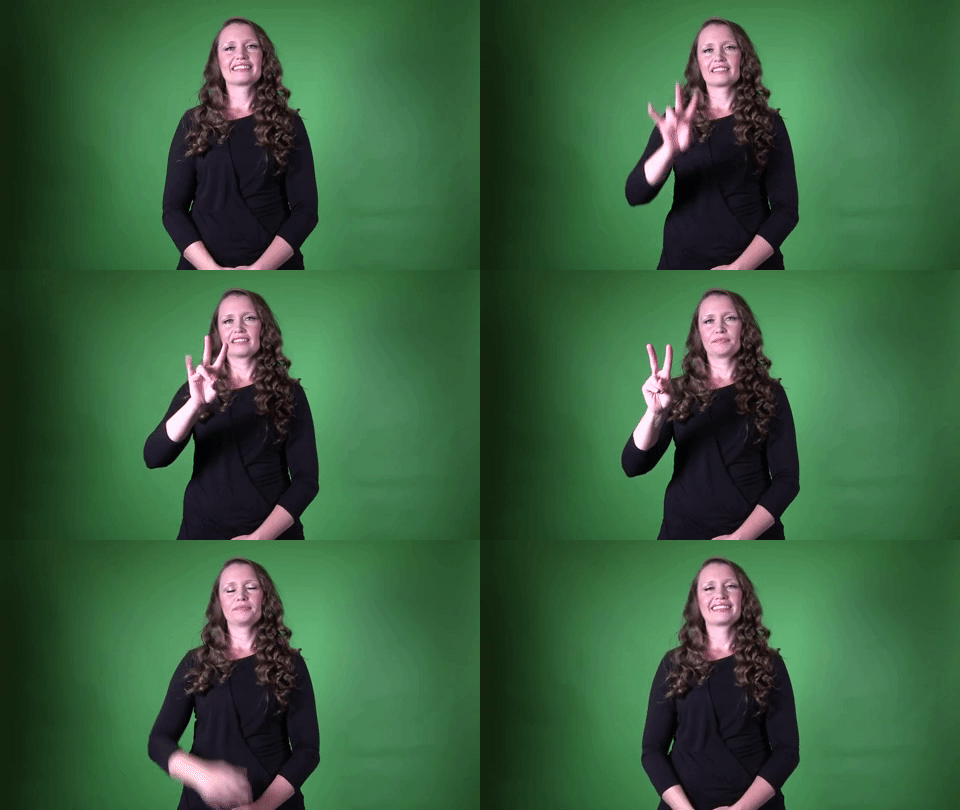
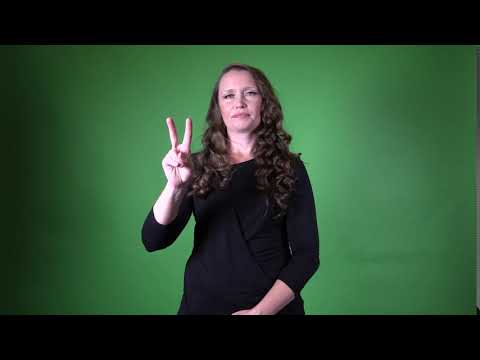
Sign for THE NUMBER SEVENTY-TWO in ASL | 🔢 ASL Dictionary

Definition: Refers to the number seventy-two

Sign for THE NUMBER SEVENTY-TWO in ASL 

YouTube player

Practice Activities:

To practice the sign for the number seventy-two in ASL, start by signing it slowly while watching your hands in a mirror. Repeat the sign multiple times while making sure that your number transitions are clear and accurate. Try signing it at different speeds, starting slowly and increasing your pace as you gain confidence.

Use the sign for the number seventy-two in ASL in different real-life contexts. Practice saying your age, imaginary prices in a store, or sports scores. For example, sign “My grandma is seventy-two years old” or “The book costs seventy-two dollars.” This will help reinforce your fluency with the number in practical conversations.

Test your recall by randomly signing numbers between seventy and eighty. Have a friend sign numbers in this range and try to recognize them quickly. You can also watch videos of someone signing numbers and pause to identify when they sign for the number seventy-two in ASL.

Create a mini-story that includes the sign for the number seventy-two in ASL. For example, tell a short narrative about someone celebrating their seventy-second birthday, finding seventy-two dollars on the ground, or reading seventy-two pages of a book. This storytelling exercise builds confidence and comprehension.

Practice with a partner by asking and answering questions that require the number seventy-two. Ask “How many candies do you have?” and respond using the correct number. Then, reverse roles. If you’re practicing alone, write down different number-based questions and record yourself answering them using ASL.

Engage in a timed signing challenge where you sign numbers from seventy to eighty as quickly and accurately as possible. See how many times you can sign the number seventy-two correctly in one minute. Repetition and speed practice will help cement the sign in your memory and improve fluency.

Cultural Context:

The sign for the number seventy-two in ASL is an essential part of American Sign Language number systems. Numbers play a crucial role in daily communication, allowing signers to express quantities, addresses, prices, and time. Understanding how to sign the number seventy-two in ASL ensures clear and effective communication in various situations.

Numbers in ASL follow a structured pattern, making them easy to learn with practice. The sign for the number seventy-two in ASL combines elements of the 70s series with the individual digits. Learning this sign helps improve fluency and confidence in using ASL numbers correctly.

In Deaf culture, numbers are commonly used in conversations about money, measurements, and years. The sign for the number seventy-two in ASL is useful when discussing historical dates, sports scores, and personal information. Mastering number signs enhances a signer’s ability to fully participate in discussions, storytelling, and education.

Sports statistics, business transactions, and math-related conversations often require precise number signing. Knowing the sign for the number seventy-two in ASL allows for clarity in these discussions. Whether attending a Deaf event or engaging in daily interactions, accurate number signing is an important skill.

Some numbers in ASL have variations depending on the region or context. While the sign for the number seventy-two in ASL follows general number-signing rules, it’s always helpful to observe native signers or refer to ASL resources for consistency. Regional differences in number signs can sometimes add unique elements to ASL communication.

The ability to sign numbers quickly and smoothly is essential for everyday conversations. Practicing the sign for the number seventy-two in ASL can help build confidence in signing multi-digit numbers. Signers often develop speed and accuracy through repeated use in different scenarios.

The sign for the number seventy-two in ASL is a valuable addition to anyone’s ASL vocabulary. Whether in educational settings, business transactions, or casual conversations, number fluency is key to meaningful communication. Learning and practicing ASL numbers strengthens overall signing skills and understanding of the language.

Extended Definition:

The sign for the number seventy-two in ASL is an important part of number fluency in American Sign Language. It follows the general pattern for signing two-digit numbers, combining the signs for seventy and two in a smooth motion. This sign is commonly used in daily communication, especially when discussing quantities, addresses, or measurements.

When signing the number seventy-two in ASL, hand shape and movement are key. The sign starts with the hand forming the number seven, then transitions smoothly into the number two. This movement should be clear and fluid to ensure proper understanding.

Numbers in ASL follow a logical pattern, but some may have unique movements. The number seventy-two in ASL follows the standard two-digit number structure without requiring additional modifications. Practicing the transition between the digits helps improve speed and clarity in signing numbers.

The sign for the number seventy-two in ASL is useful in various contexts. Whether discussing prices, scores, or ages, this number frequently appears in conversations. Understanding how to sign it properly enhances overall communication in ASL.

For those learning ASL, mastering numbers is an essential step. The sign for the number seventy-two in ASL builds upon basic number signs and reinforces hand dexterity. Practicing regularly with other numbers improves fluency and comprehension.

When teaching numbers, it’s important to demonstrate the correct movement clearly. Watching a fluent signer perform the sign for the number seventy-two in ASL can help learners understand the motion. Repetition and guided practice make learning ASL numbers easier over time.

Numbers can sometimes be fingerspelled in specific situations, but using the correct sign for the number seventy-two in ASL is more natural. Fingerspelling numbers is generally reserved for contexts where clarity is needed, such as addresses or technical terms. Using the numerical sign is faster and more efficient.

In ASL, numbers contribute to effective communication in many areas of daily life. The sign for the number seventy-two in ASL is essential for discussions involving statistics, dates, and quantities. Learning to sign numbers fluently makes conversations smoother and more natural.

Watching videos or practicing with ASL users is a great way to master the sign for the number seventy-two. Online resources and ASL teachers can provide additional guidance on perfecting number signs. Consistent practice helps reinforce correct hand shapes and movements.

Whether discussing school subjects, finances, or personal experiences, the sign for the number seventy-two in ASL appears frequently in conversations. Knowing how

Synonyms: seventy-two, number seventy-two, number 72, the number 72, the number seventy-two

Educational resources: Find related learning materials in our course bank!

Want more? Check out some of our popular learning activities on the homepage!

Need to look up a sign? Use our highly rated dictionary: https://aslinteractive.com/best-asl-dictionary/

Follow us on tiktok: https://www.tiktok.com/@aslinteractive. More social media links at the bottom of this page!

Long-tail Keywords: what is the sign for the number seventy-two in ASL, how do you sign the number seventy-two in American Sign Language, ASL sign for the number seventy-two

Categories: Numbers – Basics, Numbers 71-80, cardinal numbers

tags: Numbers 71-75, Numbers, Language Learning, Mathematics, Education

Parameters

*Handshape*:

The sign for the number seventy-two in ASL uses a two-part movement, transitioning between two distinct handshapes. It begins with the “7” handshape, where the thumb and ring finger touch while the other fingers remain extended. The hand then shifts to the “2” handshape, with the index and middle fingers extended while the other fingers close. This smooth transition helps convey the numerical value clearly in ASL communication. ✌️

*Palm Orientation*:

The palm orientation for the sign for the number seventy-two in ASL typically starts with the palm facing outward. The movement transitions from the number seven to the number two, maintaining clear finger positioning. Throughout the sign for the number seventy-two in ASL, the hand remains steady, ensuring that both numbers are visually distinct. Proper palm orientation helps convey the number accurately and enhances comprehension.

*Location*:

The sign for the number seventy-two in ASL is produced in the neutral space in front of the body. The dominant hand starts with the number seven handshape, with the palm facing outward. Then, the hand shifts smoothly to the number two handshape in a quick movement. This sign remains at chest level, ensuring clear visibility. Keep the movements fluid and natural, maintaining eye contact to reinforce communication.

*Movement*:

To produce the sign for the number seventy-two in ASL, begin with the number seven by extending the index and middle fingers while keeping the thumb extended, then transition smoothly to the number two by extending only the index and middle fingers. The movement is a fluid shift from “7” to “2” without extra pauses. Keep the hand steady in front of you, ensuring clarity in the transition between numbers. ✋

*Non-Manual Signals*:

When signing the number seventy-two in ASL, keep your facial expression neutral unless emphasizing or clarifying. Eyebrows may raise slightly if asking a question about the number. Mouth movements should remain natural, avoiding exaggerated lip movements unless emphasizing the digits. Head tilts or slight nods can provide additional context when using the sign for the number seventy-two in ASL in conversation. Maintain eye contact to ensure clear communication.

*Prosody, Dominant/Non-Dominant Hand*:

The sign for the number seventy-two in ASL uses the dominant hand only. Start with the number 7 handshape ( with the thumb and ring finger touching) and then smoothly transition to the number 2 handshape (✌️ index and middle fingers extended). The movement should be fluid, transitioning without hesitation. The palm orientation remains outward, and the motion is subtle, ensuring clarity while signing the number.

Tips for Beginners:

When learning the sign for the number seventy-two in ASL, it’s important to focus on fluidity and accuracy. This sign is a combination of the numbers seven and two, so mastering those individually first will help with signing smoothly. Your dominant hand should form the number seven, then transition into the number two in a single, clear movement.

A common mistake beginners make with the sign for the number seventy-two in ASL is hesitating or breaking the motion into two separate signs. Instead of pausing between seven and two, keep the motion natural and connected. Practicing in front of a mirror can help ensure that the transition between the numbers is seamless.

Another key aspect to watch for is hand orientation. The numbers in ASL have specific palm directions, so ensure that your palm faces outward for both digits. Misorienting your hand can cause confusion or make the number harder to recognize. Pay close attention to native ASL users and how they sign multi-digit numbers to develop a strong visual reference.

Finger flexibility plays a crucial role in making the sign look clear and precise. If you struggle with quickly forming the correct handshapes, stretching and strengthening your fingers through simple exercises can help. Training your fingers to move more fluidly will make signing numbers like seventy-two more effortless.

Lastly, consistency in speed matters. Moving too quickly can make the sign look unclear, while moving too slowly can make it feel unnatural. Find a balanced pace that allows for both clarity and fluidity. Watching videos of experienced signers forming the number will help reinforce proper movement and pacing. With regular practice, the sign for the number seventy-two in ASL will become second nature.

Connections to Other topics:

The sign for the number seventy-two in ASL is part of a structured number system that follows consistent patterns when signing two-digit numbers. It follows the common pattern of forming the number seventy followed by the number two, often utilizing a flick or sliding motion depending on regional or personal variation. This sign is related to other two-digit numbers from seventy to seventy-nine, all of which follow the same structural approach but differ in the second digit. Understanding the sign for the number seventy-two in ASL helps learners grasp the consistency of ASL number signs, making it easier to recognize and produce similar numeric sequences.

This number connects to topics involving counting, age, prices, addresses, and sports statistics. Large numbers such as years and statistics often appear in discussions involving historical events, sports scores, and financial figures. Understanding the sign for the number seventy-two in ASL helps in real-world applications where precise number signs are required, such as reporting temperatures, percentages, or page numbers. Additionally, fluent use of number signs supports effective communication in educational and workplace settings where numerical data is frequently exchanged.

Ordinal numbers are often linked to cardinals, and the number seventy-second in a ranked list would require a modification of the sign for the number seventy-two in ASL to indicate order. This is useful in ranking competition placements, points in surveys, or historical dates. The number sign system also plays a key role in time expressions, such as when discussing anniversaries, historical dates, or durations. Practice with number sequences, including seventy-two, is essential for developing fluency in numerical conversations within ASL.

Summary:

The sign for the number seventy-two in ASL follows a structured numerical pattern commonly used in American Sign Language. ASL numbers from sixty onward typically follow a unique movement or handshape variation. This ensures that numbers remain visually clear and distinct from one another.

To sign the number seventy-two in ASL, begin with the handshape for seventy. This typically involves forming a “7” with the dominant hand and transitioning smoothly into the “2.” Precision in handshape formation ensures clarity and maintains the expected numerical sequence.

The motion from seventy to two often includes a subtle wrist shift or a rapid handshape transition. Some signers slightly bounce or flick their fingers to differentiate between the numbers. Others may use a fluid motion, seamlessly connecting the two digits.

Context influences how numbers like seventy-two are signed in ASL. In casual signing, movements may be quicker and slightly reduced. However, in formal situations, signers may exaggerate the transition for optimal clarity.

Numbers in ASL are crucial in everyday communication, spanning from age to addresses, prices, and measurements. The sign for the number seventy-two in ASL exemplifies this numerical system. Understanding how numbers transition from one to another helps maintain fluency.

ASL numbers are deeply rooted in visual accessibility, making slight movements and angles vital for distinguishing meanings. This is particularly important for numbers sharing similar handshapes. The difference between numbers like seventy-two and seventy-three depends on accuracy in handshape shifting.

ASL relies on both movement and static shape retention when conveying numerical values. The number seventy-two in ASL requires finger dexterity to transition smoothly between digits. Mastering numerical signs contributes to overall ASL fluency and comprehension.

Linguistically, ASL numbers reflect a structured counting system that differs from spoken language. Unlike English, which relies on vocal inflection, ASL numbers depend on hand positioning and movement. The sign for the number seventy-two in ASL is one example of this.

For ASL learners, practicing numerical sequences is essential for improving hand coordination and fluency. Practicing the sign for the number seventy-two in ASL alongside related numbers enhances recognition and recall. Small changes in wrist movement can significantly impact clarity.

ASL numbers often appear in rapid succession, especially in financial and conversational contexts. Signers who use numbers daily develop an almost automatic recall of numerical handshapes. The sign for the number seventy-two in ASL requires dexterous shifts for accuracy.

The sign for the number seventy-two in ASL also holds relevance in dates, statistics, and storytelling. ASL storytelling frequently incorporates numerical signs to specify details and add depth. Understanding numerical structure enhances expressive capabilities.

One challenge in signing numbers is the difference between cardinal and ordinal usage. While seventy-two is typically signed in isolation as a cardinal number, ordinal forms adjust for ranking or sequencing. This variation underscores ASL’s grammatical complexity.

Some dialectal variations exist in how numbers above sixty are signed across ASL-using communities. Some signers introduce small stylistic differences depending on their regional usage. These minor variations do not impact overall comprehension but reflect ASL diversity.

Fingerspelling is an alternative for some numbers, but ASL numerical signs are preferred for efficiency. The sign for the number seventy-two in ASL is more visually direct than fingerspelling “seventy-two.” Numerical signs maximize communication efficiency in ASL conversations.

Cultural perceptions of numbers can influence their significance in ASL communities. Certain numbers may hold personal or cultural meanings, as in historical dates or religious contexts. The number seventy-two may carry such importance depending on the situation.

ASL numbers integrate naturally into everyday interactions, including discussions about age, addresses, and quantities. Accurate numerical signing prevents potential miscommunication, particularly in professional or educational settings. The sign for the number seventy-two in ASL must be distinct for clarity.

ASL grammar differs from English grammar, reinforcing the importance of learning numerical structures within context. Sequential numbering and ordering follow a specific ASL rule set, often with accompanying facial expressions. The number seventy-two may be part of a longer numerical sequence.

Teaching ASL numbers effectively involves repetition and structured practice. Encouraging learners to sign sequences involving seventy-two helps reinforce number-handshape recognition. Educational resources often emphasize these repeated movements for motor memory retention.

Numerical signs also appear in sports, voting, and travel contexts. The sign for the number seventy-two in ASL could be relevant in scorekeeping or transportation details. Mastering number signs expands communication capabilities beyond casual conversation.

Children acquiring ASL numbers typically start with smaller digits before progressing to complex multi-digit numbers. The visual-manual modality requires hand coordination to accurately portray changing numbers. The sign for the number seventy-two in ASL is part of this developmental process.

Facial expressions occasionally accompany numerical signs, particularly in narratives or emphasis. An eyebrow raise or slight directional shift can modify numerical meaning. Such nuances add expressiveness to number use in ASL communication.

Technological advancements have influenced how AS

Want more? Check out some of our popular learning activities!

ASL Interactive Resources

ASLInteractive YouTube Channel

Follow us on tiktok: @aslinteractive.com

Follow us on Instagram: aslinteractive

Facebook page: aslinteractive

Facebook group: aslinteractive

LInkedIn: ASL Interactive LLC

Twitter: @ASL_interactive

*Some information on this page is AI-generated. AI can make mistakes. Please check the information.

Sign for 72 in ASL, Sign for SEVENTY-TWO in ASL, Sign for NUMBER 72 in ASL, Sign for THE NUMBER 72 in ASL, Sign for THE NUMBER SEVENTY-TWO in ASL 

Responses