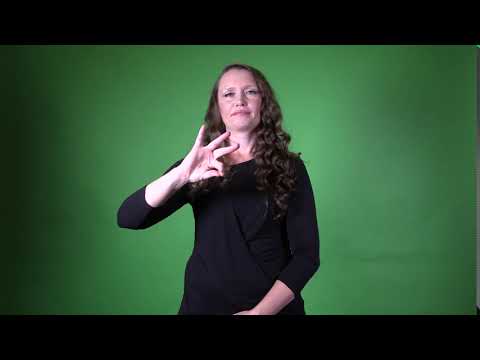
Sign for THE NUMBER EIGHTY-NINE in ASL | 🔢 ASL Dictionary

Definition: Refers to the number eighty-nine

Sign for THE NUMBER EIGHTY-NINE in ASL 

YouTube player

Practice Activities:

Practicing the sign for the number eighty-nine in ASL begins with repetition. Start by forming the number signs slowly, ensuring correct handshape and movement. Use a mirror to check accuracy while signing. Repeat multiple times while maintaining a steady hand transition from eighty to nine.

Once comfortable with the motion, try signing the number in response to prompts. Count from eighty to ninety using ASL, focusing on smooth transitions. Randomly mix numbers in the eighties and nineties to increase fluency. Use flashcards with different numbers, signing each one as quickly and accurately as possible.

Incorporate the sign for the number eighty-nine in ASL into real-world scenarios. Imagine placing an order for 89 items or stating someone’s age. Practice saying, “I need eighty-nine papers,” or, “That costs eighty-nine dollars,” using ASL. Record yourself signing and review for any errors in movement or structure.

Pair with a partner for interactive exercises. One person signs a number, and the other writes it down. Reverse roles and compare results. Challenge your partner by quickly signing numbers out of order and seeing if they can recognize them. Play a game where numbers are incorporated into a story, such as describing a group of 89 objects in a funny or descriptive way.

Storytelling is great for mastery. Create a short story involving the sign for the number eighty-nine in ASL. Example: “Grandma made 89 cookies, but a dog ate nine!” Sign the complete story, incorporating numbers smoothly. The goal is to ensure fluidity and expressiveness while maintaining number accuracy.

Finally, use real-life scenarios to reinforce learning. Look for instances where 89 appears, such as on price tags, addresses, or sports jerseys, and sign it in ASL. This helps cement recognition and recall in meaningful ways. Repeat often to develop confidence and speed.

Cultural Context:

The sign for the number eighty-nine in ASL is commonly used in various real-life situations. Whether discussing quantities, money, dates, or counting, ASL users rely on number signs to communicate clearly. The number system in American Sign Language follows a logical pattern, making it easy to learn and apply.

In Deaf culture, numbers play an important role in everyday conversations. The sign for the number eighty-nine in ASL is part of a structured numbering system essential for communication. Knowing how to sign numbers correctly helps ensure clarity when discussing topics like addresses, years, and prices.

Sports scores, statistics, and historical dates often include the number eighty-nine. In ASL, number signs allow signers to express these details efficiently. Whether discussing a high school graduation year or a memorable event, the ability to sign numbers accurately is crucial.

ASL incorporates numbers smoothly within conversations. The sign for the number eighty-nine in ASL may appear during discussions about age, percentages, or measurements. Understanding number signs enhances fluency, making it easier to engage in both casual and formal topics.

Many ASL learners appreciate how numbers fit naturally into signed sentences. The sign for the number eighty-nine in ASL follows a consistent pattern, making it simpler to learn and remember. Practicing number signs is essential for both ASL students and fluent signers to maintain proficiency in numerical communication.

Technology has increased the need for clear numerical communication in ASL. Whether discussing phone numbers, passwords, or time, the sign for the number eighty-nine in ASL ensures accurate exchanges of information. Being comfortable with number signs can help with both everyday activities and professional interactions.

Cultural events frequently involve number references, whether in ticket prices, dates, or rankings. The sign for the number eighty-nine in ASL may be used in conversations about music festivals, birthdays, or anniversaries. Fluency in signing numbers is a valuable skill for those engaging with the Deaf community.

Historical events related to the number eighty-nine may be topics of conversation in ASL. Whether marking a specific year or a notable statistic, the sign for the number eighty-nine in ASL helps convey precise information. Understanding how to use number signs correctly allows for greater depth in discussions.

Learning the sign for the number eighty-nine in ASL is a practical step for anyone studying American Sign Language. With frequent use in financial transactions, educational settings, and personal communication, number signs are fundamental in ASL. Mastering these signs improves

Extended Definition:

The sign for the number eighty-nine in ASL is a combination of hand movements that represent the digits eight and nine. American Sign Language uses a two-step motion to convey double-digit numbers, making it clear and easy to understand. Proper handshape and motion ensure correct communication of this number.

To make the sign for the number eighty-nine in ASL, start by forming the number eight with your dominant hand. The number eight is created by touching the tip of your thumb to the tip of your middle finger while keeping the other fingers extended. Then, smoothly transition to the number nine by touching the tip of your thumb to the tip of your index finger while keeping the rest of your fingers extended.

When signing numbers in ASL, it is important to maintain a natural and fluid motion. The transition between the eight and nine should be smooth to ensure clarity. Practicing the sign for the number eighty-nine in ASL will help improve accuracy and confidence in signing numbers correctly.

Facial expressions and slight head movements can enhance the meaning of numbers in ASL. While signing, keeping a neutral or slightly engaged expression helps with natural communication. Numbers are often part of larger conversations, such as listing items, giving addresses, or discussing quantities, which makes precision essential.

The sign for the number eighty-nine in ASL is part of ASL’s unique numerical system. ASL uses a combination of one-handed number signs that can be easily modified to express different values. Learning how to sign numbers correctly is crucial for clear and effective communication in ASL.

Numbers in ASL are used in a variety of contexts, such as counting, age, prices, and measurements. Knowing how to sign the number eighty-nine in ASL can be useful in everyday conversations. Signing numbers fluently helps improve overall ASL proficiency and communication skills.

When practicing the sign for the number eighty-nine in ASL, focus on maintaining proper hand position and clarity. Each number has a specific handshape, and incorrect positioning can lead to miscommunication. Repetition and practice will ensure confidence and accuracy when signing numbers in ASL.

Number signs in ASL are an essential part of learning the language. Understanding how to transition smoothly between numbers will improve signing fluency. The sign for the number eighty-nine in ASL follows the same principles as other double-digit numbers, making it easy to learn with practice.

Watching ASL videos or practicing with fluent signers can help reinforce proper techniques. Observing how

Synonyms: eighty-nine, number eighty-nine, number 89, the number 89, the number eighty-nine

Educational resources: Find related learning materials in our course bank!

Want more? Check out some of our popular learning activities on the homepage!

Need to look up a sign? Use our highly rated dictionary: https://aslinteractive.com/best-asl-dictionary/

Follow us on tiktok: https://www.tiktok.com/@aslinteractive. More social media links at the bottom of this page!

Long-tail Keywords: what is the sign for the number eighty-nine in ASL, how do you sign the number eighty-nine in ASL, learn how to sign the number eighty-nine in American Sign Language

Categories: Numbers – Basics, Numbers 81-90, cardinal numbers

tags: Numbers, Numbers 81-90, Math, Language Learning, Educational Content, rocking numbers, 86 87 89 rocking numbers

Parameters

*Handshape*:

The sign for the number eighty-nine in ASL uses a transitioning handshape. It begins with the number eight, where the thumb and middle finger touch while the other fingers remain extended. The hand then transitions smoothly into the number nine, where the thumb and index finger form a circle while the remaining fingers stay extended. This fluid motion is common in number signs, ensuring clarity and speed in communication.

*Palm Orientation*:

The palm orientation for the sign for the number eighty-nine in ASL starts with the dominant hand facing outward. The hand transitions from the number eight to the number nine smoothly while maintaining an open palm position. Ensure the fingers move naturally between the two numbers without flipping the palm inward. This orientation helps keep the sign for the number eighty-nine in ASL clear and easily understood.

*Location*:

The sign for the number eighty-nine in ASL takes place in a neutral signing space in front of the body at about chest level. The dominant hand forms the number eight, with the thumb and middle finger touching, then transitions smoothly into the number nine, where the thumb and index finger make contact. The hand remains in a steady location while the fingers change position to represent each digit clearly.

*Movement*:

To sign for the number eighty-nine in ASL, begin with the hand in the “8” shape, where the thumb touches the tip of the middle finger while the other fingers remain extended. Then, smoothly transition to the “9” handshape by moving the thumb to touch the tip of the index finger, forming a circular shape. This movement should be fluid, keeping the palm facing outward. The sign for the number eighty-nine in ASL should be performed with a slight bounce or a continuous motion to indicate the numerical transition clearly.

*Non-Manual Signals*:

Facial expressions remain neutral or slightly focused when signing the sign for the number eighty-nine in ASL, as it is a numerical reference. Eyebrows may be slightly raised to indicate clarity, especially in educational or instructional settings.

Lip movements may be minimal, but some signers articulate the numbers slightly with their mouth to reinforce understanding. Head position typically stays steady unless emphasizing or confirming the sign for the number eighty-nine in ASL within a conversation.

*Prosody, Dominant/Non-Dominant Hand*:

The sign for the number eighty-nine in ASL uses the dominant hand only. Start with the number eight, where the thumb and middle finger touch while the other fingers remain extended. Then transition smoothly to the number nine by shifting the middle finger away and touching the thumb to the index finger instead. This movement should be fluid, showing a clear change between the two numbers without breaking rhythm.

Tips for Beginners:

The sign for the number eighty-nine in ASL follows a smooth transition from the number eight to the number nine. To sign it correctly, start with the number eight by forming the ASL handshape where the thumb touches the tip of the middle finger while the other fingers are extended. Then, smoothly transition into the number nine by changing the middle finger to the index finger while the thumb remains in contact. Keeping the movement fluid ensures clarity and natural signing.

One common mistake beginners make with the sign for the number eighty-nine in ASL is moving their fingers too abruptly between eight and nine. Instead of jerky transitions, focus on making the shift seamless. A choppy motion can make it harder for others to recognize the number correctly. Practicing the transition in front of a mirror or recording yourself can help refine smoothness.

Hand orientation and finger positioning are crucial when signing the number eighty-nine. Make sure your palm faces outward, not toward yourself, to ensure legibility. Proper hand positioning prevents confusion with similar movements or other numbers. If you’re unsure whether you’re signing correctly, compare your handshape with reference videos or check with a fluent signer.

When fingerspelling or numbering in ASL, consistency in motion and clarity in formation make a big difference in comprehension. Since the sign for the number eighty-nine in ASL involves a simple transition, try to keep your hand relaxed rather than stiff. A rigid motion can make the numbers appear overly forced, which can affect the readability of the sign. Developing a comfortable, natural rhythm will help you feel more confident when signing.

To reinforce accuracy, practice regularly and incorporate number signs into everyday interactions. Repetition will help muscle memory and speed. If you’re ever in doubt, asking a fluent signer for feedback can provide useful corrections and build confidence in your signing skills.

Connections to Other topics:

The sign for the number eighty-nine in ASL connects to broader number concepts used in American Sign Language. Numbers from 80 to 89 typically follow a pattern where the signs for 8 and 9 are combined in a fluid motion. This repetition within the 80s group helps reinforce how numbers in ASL often share visual and movement similarities, making them easier to remember.

The sign for the number eighty-nine in ASL is useful in contexts like discussing age, years, or listing quantities. Numbers are commonly used in combination with signs for money, height, time, and measurements. When signing 89 dollars, for example, the number precedes the sign for dollar, creating a natural phrase. This shows how numerical concepts interact with other vocabulary, reinforcing ASL’s visual and grammatical structure.

Ordinal numbers also offer an extension of number signs, though the sign for the number eighty-nine in ASL typically remains as a cardinal number. If describing rankings or order, slight modifications such as incorporating a movement shift or adding a context sign like “place” may be necessary. This connects to broader ASL grammar and how number signs adjust depending on their function within a sentence.

Numbers in ASL also play an important role in formulas, statistics, and addresses. The sign for the number eighty-nine in ASL might be seen in sports scores, historical dates, or telephone numbers. Recognizing numeric fluidity and contextual adjustments helps develop better understanding and fluency in signing different numerical values.

Learning number signs effectively also enhances a signer’s ability to communicate larger quantities quickly. Grouping numbers into familiar sequences, like the 80s, facilitates stronger recall. The sign for the number eighty-nine in ASL exemplifies how structure and repetition support both practical communication and memory retention in American Sign Language.

Summary:

The sign for the number eighty-nine in ASL follows a fluid numerical pattern commonly used in counting and listing numbers. It transitions smoothly from eighty to nine, demonstrating the efficiency of ASL number signs. This movement reflects ASL’s tendency to prioritize speed and clarity in communication.

In ASL, numbers are often signed with a strong orientation and distinctive handshape. The sign for the number eighty-nine in ASL employs a change in hand position that makes it visually clear. This transition allows the signer to convey numbers quickly without breaking the flow of conversation.

Numbers in ASL occupy a significant role, especially in contexts like shopping, finance, sports, and timekeeping. The sign for the number eighty-nine in ASL could be used to specify a quantity, price, score, or reference a year such as 1989. Various contexts influence how numbers are expressed, sometimes requiring accompanying facial expressions for emphasis.

ASL number signs are typically one-handed, with a preference for economy of movement. The sign for the number eighty-nine in ASL exemplifies this efficiency, using a concise movement to articulate the number. A signer must maintain clear handshapes and smooth transitions to ensure accuracy.

Numbers are an essential aspect of deaf culture, contributing to storytelling, records, and historical references. The sign for the number eighty-nine in ASL may be associated with personal history, such as birth years or addresses. Some numbers carry special significance in the deaf community depending on historical events or trends.

ASL follows a unique numerical system that differs slightly from English conventions. The sign for the number eighty-nine in ASL highlights this difference through its specific handshape changes. Unlike spoken languages, ASL relies on visual continuity, making number articulation an essential skill.

Mastery of numerical signs improves overall fluency in ASL. Practicing the sign for the number eighty-nine in ASL helps develop proficiency in transitioning between digits. This fluency is particularly important for interpreting and relaying numerical information quickly and effectively.

In some instances, ASL users may employ fingerspelling for emphasis when discussing numbers. However, the sign for the number eighty-nine in ASL is typically expressed through a single-handed numerical transition rather than fingerspelling. This makes it faster and more natural for everyday use among fluent signers.

Variations in number signs may appear depending on regional influences or personal signing preferences. The sign for the number eighty-nine in ASL follows standard numerical formats, but slight modifications may occur in casual or rapid signing. These variations remain within the framework of ASL grammar, ensuring comprehension across users.

Historical changes in ASL have influenced how numbers are signed today. The sign for the number eighty-nine in ASL reflects modern numerical signing conventions rather than older styles that may have involved extra movements. ASL has consistently evolved to adopt more streamlined methods of conveying numerical data.

Teaching numbers in ASL is an essential component of language education. The sign for the number eighty-nine in ASL is often taught to beginners within numerical practice sessions. Mastering these signs allows individuals to engage in more complex conversations involving mathematics, dates, and sequences.

ASL number signs are particularly important in educational and professional settings. The sign for the number eighty-nine in ASL may be used in classrooms, business transactions, or personal identification contexts. Clear numerical articulation ensures accuracy in various practical applications.

Number signs in ASL reflect linguistic economy, reducing unnecessary movement for clarity. The sign for the number eighty-nine in ASL is shaped to be quick and efficient, reflecting ASL’s design as a visual-spatial language. This type of efficiency enhances communication, particularly when discussing numerical data.

Facial expressions and body language may accompany numerical signs when necessary. While the sign for the number eighty-nine in ASL stands on its own, signers may adjust their expressions to denote emphasis or questioning. Context plays a key role in how numbers are interpreted in ASL.

The influence of technology has impacted how numbers are represented in ASL. The sign for the number eighty-nine in ASL remains consistent, but numbers may sometimes be typed or displayed digitally during ASL conversations. Digital adaptations do not replace numeric signing but provide an additional way to convey numbers.

ASL interpreters frequently use numerical signs while translating spoken language. The sign for the number eighty-nine in ASL may appear in settings such as televised broadcasts, classroom settings, and official documentation. Accuracy in numerical expression is crucial in professional interpreting.

Non-manual markers often play a role alongside numerical signs. Although the sign for the number eighty-nine in ASL focuses on handshapes, accompanying nods or slight shifts in movement can enhance meaning. Signers adjust their expressions depending on the context in which numbers are discussed.

Numbers in ASL extend beyond simple counting, often being used in classifiers, grammatical structures, and storytelling. The sign for the number eighty-nine in ASL could be embedded in narratives or used

Want more? Check out some of our popular learning activities!

ASL Interactive Resources

ASLInteractive YouTube Channel

Follow us on tiktok: @aslinteractive.com

Follow us on Instagram: aslinteractive

Facebook page: aslinteractive

Facebook group: aslinteractive

LInkedIn: ASL Interactive LLC

Twitter: @ASL_interactive

*Some information on this page is AI-generated. AI can make mistakes. Please check the information.

Sign for 89 in ASL, Sign for 89 in ASL, Sign for EIGHTY-NINE in ASL, Sign for NUMBER EIGHTY-NINE in ASL, Sign for THE NUMBER EIGHTY-NINE in ASL 

Responses