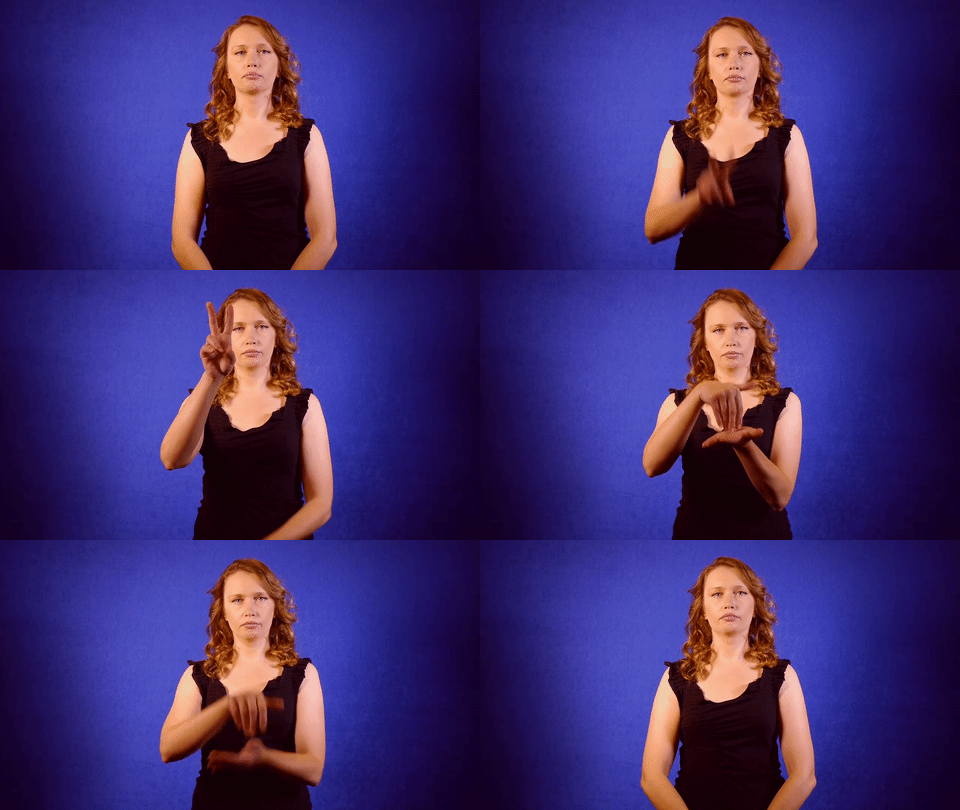
Sign for 2000 in ASL | 🔢 ASL Dictionary

Definition: The number two thousand.

Sign for 2000 in ASL

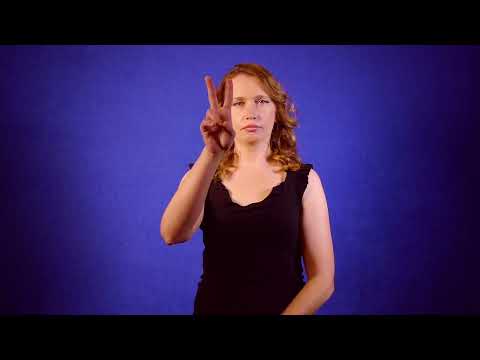
YouTube player

Practice Activities:

Practicing the sign for 2000 in ASL can be made more effective through isolated drills and contextual exercises. Start by signing 2000 repeatedly to build muscle memory. Use a mirror to check your hand positioning and movement as you form the number 2, followed by a curved hand moving forward in a small arc for 1000. Signing in front of a camera and reviewing recordings can also help refine accuracy.

Integrate the sign for 2000 in ASL into full sentences. For example, practice signing sentences like “I was born in 2000” or “That event happened in 2000.” Challenge yourself by signing these phrases at different speeds while maintaining clarity. Try switching between related numbers such as 1999, 2010, and 2024 for additional fluency practice.

Storytelling is an engaging way to practice the sign for 2000 in ASL in context. Create a short personal story that involves key events from that year. You can discuss historical events, personal memories, or future goals while incorporating the sign naturally. Pair with a partner and take turns sharing stories while the other person watches for accuracy and clarity in signing.

For interactive learning, engage in number-based Q&A games with a partner. Ask and answer questions like “What year were you born?” or “What happened in 2000?” This exercise reinforces comprehension and accuracy while building conversational skills. You can also quiz each other by signing years and guessing them aloud.

To make practice fun, try a timed challenge where you sign different years as quickly and clearly as possible. Mix in decades, centuries, and numerical sequences to build fluency. By consistently incorporating the sign into various exercises, you will solidify your ability to use it naturally in conversation.

Cultural Context:

american sign language has different ways to express years, including the sign for 2000 in asl. This year is unique because it falls at the start of a new millennium, and signers often use a distinct movement pattern to reflect its numerical structure. Understanding how to correctly sign 2000 in asl ensures clear communication in historical and conversational contexts.

when signing years in asl, numbers before 2000 are typically split into two parts. However, the sign for 2000 in asl often follows a different approach, reflecting the way numbers are spoken in english. Instead of breaking it into two separate numbers, signers usually use a continuous movement to show the full number clearly.

context is important when using the sign for 2000 in asl. It might appear in conversations about major world events, personal milestones, or historical discussions. From the y2k scare to the beginning of modern digital expansion, 2000 is often referenced in discussions about the past and technological advancements.

historically, the year 2000 marked key moments in politics, science, and pop culture. The correct way to sign 2000 in asl allows deaf and hard-of-hearing individuals to share their experiences and knowledge about these historical events. This enhances discussions and ensures mutual understanding in both casual and academic settings.

learning how to sign 2000 in asl helps broaden asl vocabulary and reinforces number-related skills. It also builds confidence in fingerspelling and numerical expressions, which are important for discussing years, time, and dates in american sign language. Effortless communication of numbers like 2000 makes conversations smoother and more natural.

many asl learners want to master dates and years because they frequently appear in daily interactions. Knowing how to properly sign 2000 in asl allows for seamless discussions about age, important past events, and future plans. It also strengthens the ability to use expressive features of asl effectively.

properly expressing the sign for 2000 in asl ensures clarity and avoids misunderstanding. It can differ slightly between regional dialects or personal signing styles, but the general structure remains consistent across most asl users. This common understanding helps improve communication within the deaf and signing communities.

whether discussing historical milestones, personal anniversaries, or technological developments, the sign for 2000 in asl plays a key role in asl conversations. Mastering this sign enhances fluency and deepens engagement with the language. Understanding number-based signs like this one improves overall asl proficiency.

Extended Definition:

The sign for 2000 in ASL is an essential number sign in American Sign Language. Knowing how to properly sign numbers is crucial for communicating dates, years, and large numerical values. This sign is commonly used in historical references, personal milestones, and financial discussions.

To make the sign for 2000 in ASL, begin by signing the number 2 using your dominant hand. Then, transition into signing 000 by tapping the fingertips of your dominant hand against the palm of your non-dominant hand twice. This movement mimics the way numbers ending in multiple zeros are often signed in ASL.

Numbers in ASL often follow specific patterns, and the sign for 2000 is no exception. Understanding the structure of this sign helps improve fluency when discussing years and large amounts. Since 2000 is frequently referenced in conversation, signing it correctly enhances clarity.

The sign for 2000 in ASL is distinct from other number signs and should not be confused with similar-looking signs. Practicing this sign regularly will help in mastering fluid number transitions in conversations. Accuracy is especially important when discussing financial figures, historical dates, or personal information.

Number signs in ASL can sometimes vary slightly depending on regional dialects or sign preferences. However, the standard way to sign 2000 remains widely recognized across different ASL communities. Learning proper number signs ensures effective communication with native ASL users.

Using the correct sign for 2000 in ASL is valuable in both casual and formal communication. Whether discussing an important historical event or sharing a birth year, this number is integral to everyday conversations. Mastering number signs enhances overall ASL comprehension and fluency.

By practicing the sign for 2000 frequently, both beginners and advanced signers can improve their number-signing skills. Watching fluent signers and using ASL resources can also reinforce proper technique. Becoming comfortable with large number signs helps in both social and professional settings.

Numbers are a fundamental part of American Sign Language, and the sign for 2000 is no exception. This sign is a building block for understanding larger number sequences and makes learning additional number signs easier. Having a strong grasp of number signs supports better overall ASL communication.

The sign for 2000 in ASL can be used in discussing historical events, financial figures, and other numerical references. Mastery of ASL number signs helps ensure clear and efficient communication. Practicing regularly will result in greater confidence when signing numbers

Synonyms: two thousand, 2k, 2,000, twenty-first century, millennium marker, 21st century

Educational resources: Find related learning materials in our course bank!

Want more? Check out some of our popular learning activities on the homepage!

Need to look up a sign? Use our highly rated dictionary: https://aslinteractive.com/best-asl-dictionary/

Follow us on tiktok: https://www.tiktok.com/@aslinteractive. More social media links at the bottom of this page!

Long-tail Keywords: what is the sign for 2000 in ASL, how do you sign 2000 in ASL, ASL sign for the year 2000

Categories: Numbers – Basics, thousands, cardinal numbers

tags: Numbers, Years, Counting, Mathematics, Educational, Language Learning

Parameters

*Handshape*:

The sign for 2000 in ASL is produced using the number handshapes. Begin with the number 2 handshape, where the index and middle fingers are extended while the other fingers stay folded. Then transition into the number 0 by forming an “O” shape with the fingers touching the thumb. The movement involves signing “2” followed by a quick double zero movement to indicate the year format. The sign for 2000 in ASL is clear and visually iconic.

*Palm Orientation*:

the palm orientation for the sign for 2000 in ASL starts with the dominant hand in a “2” handshape, palm facing forward. The fingers briefly touch forward as if signing “2,” then transition into a closed “O” handshape to represent the double zeros in “2000.” Throughout this movement, the palm orientation remains mostly outward, maintaining clarity. This motion effectively conveys the numerical concept when signing the sign for 2000 in ASL. ✋

*Location*:

The sign for 2000 in ASL is performed in the neutral space in front of the body, at chest level. The dominant hand forms the number two, then transitions to a zero by curving the fingers inward. This movement helps distinguish the number from other similar signs. The location remains at chest height to ensure clarity and visibility when signing. Keeping the motion fluid enhances recognition and comprehension.

*Movement*:

Hold up the number 2 with your dominant hand, palm facing out. Then transition into a closed “O” handshape, moving it slightly forward as you do so. This represents the year change from 2 to 000 visually. The sign for 2000 in ASL is typically produced with a smooth, controlled movement, ensuring clarity in communication. Keep your hand steady and precise to maintain accuracy while signing.

*Non-Manual Signals*:

When demonstrating the sign for 2000 in ASL, maintain a neutral facial expression as it is a straightforward number sign. Slightly raise your eyebrows to indicate clarity and ensure the number is easily understood. Keep your mouth relaxed, avoiding exaggerated movements, as numbers are typically signed in a direct and unemphasized manner. A steady gaze toward the listener helps reinforce communication, ensuring accuracy while performing the sign for 2000 in ASL.

*Prosody, Dominant/Non-Dominant Hand*:

The sign for 2000 in ASL uses the dominant hand in the “2” handshape. Start with the palm facing forward, then move the fingertips of the “2” handshape toward the non-dominant palm as if tapping once, then pull back slightly. This mimics the pattern used for signing years in ASL, specifically for those ending in “000.” The non-dominant hand generally remains inactive or is not required for this sign.

Tips for Beginners:

Mastering the sign for 2000 in ASL requires smooth hand movement and understanding of number patterns. To sign 2000, start with the number 2, holding up your index and middle fingers. Then, form the number 0 with your hand, bouncing it once forward to indicate the transition from 2 to 000. Keep your movements precise and fluid to ensure clarity.

A common mistake beginners make when learning the sign for 2000 in ASL is rigid or jerky movements. The transition between the 2 and 000 should be effortless. Avoid exaggerating the bounce of the 0, as too much movement can create confusion. The handshape for 0 should remain consistent in size and form each time.

To improve accuracy, practice signing 2000 in ASL in front of a mirror. Watching yourself helps ensure that you are maintaining the correct handshapes and movement. Additionally, recording yourself and comparing it with fluent signers can highlight areas for improvement. Pay attention to the rhythm of the sign so that it flows naturally.

Finger dexterity is key for signing numbers smoothly. If you struggle with flexibility, try warm-up exercises by repeatedly forming the numbers 2 and 0 in sequence before attempting the full sign. Consistent practice will build muscle memory, making the sign for 2000 in ASL feel effortless over time.

When using the sign in conversation, maintain eye contact with your audience. Signing numbers quickly can sometimes feel overwhelming, so be sure to sign at a pace that allows for clear comprehension. If needed, slow down until you become more confident with your speed. With repeated practice, you’ll naturally develop a smoother, more accurate execution of the sign.

Connections to Other topics:

The sign for 2000 in ASL connects to broader number-related signs and patterns in the language. ASL numbers follow a consistent pattern, and 2000 fits into the way larger numbers are structured. Understanding the sign for 2000 in ASL helps learners grasp how to sign other years, such as 2010 or 2024, by breaking them into parts. Since ASL often arranges numbers in a way that emphasizes clarity and efficiency, this sign follows the pattern of signing “twenty” followed by a movement to indicate the transition to “thousand.”

This sign also ties into historical and cultural references when discussing events from the 2000s or comparing decades. In conversations about history, science, or personal milestones, knowing this sign helps people discuss timelines clearly. By mastering numbers like 2000, learners reinforce their ability to describe years from different centuries. Additionally, this number structure influences how signs for money and measurements such as “2,000 dollars” or “2,000 feet” are expressed, merging numerical understanding with real-world applications.

A connection also exists between the sign for 2000 in ASL and the broader system of number incorporation. ASL users often modify number signs to fit into temporal or quantitative contexts. Similar number formations appear in signs for large years, including 1900, 2015, or 3000, following a rhythmic flow that increases fluency. The consistency in these signs reduces ambiguity in discussions of dates, making patterns easier for learners to remember. Understanding these connections helps develop numerical fluency in ASL, encouraging better comprehension of large numerical sequences and their applications.

Summary:

The sign for 2000 in ASL follows a numerical pattern used for years. The movement involves signing the number 2 followed by a smooth transition into signing 000. The sign mimics how years in the 2000s are commonly pronounced in English.

To sign the number 2, extend the index and middle fingers while keeping the rest of the fingers closed. Then, to represent the three zeros, touch the fingertips of an open dominant hand to the palm of the non-dominant hand, mimicking a rolling motion. This motion reflects the spoken form “two thousand” while maintaining ASL’s numerical clarity.

Numbers play a significant role in ASL, especially those used for years. The sign for 2000 in ASL follows a broader pattern applied to years in this century. While some numbers in ASL adjust based on context, year signing tends to follow a consistent pattern to support clarity.

Using the sign for 2000 in ASL aligns with common number-signing conventions. The structure emphasizes the separation between the primary digit and the following zeros. This method helps maintain clear communication, especially when conveying historical or personal events.

ASL numbers share linguistic similarities with spoken languages. Just as English speakers verbally break down large numbers, ASL adapts its numbering system to enhance readability. The sign for 2000 in ASL reflects this principle by keeping the numeric sequence straightforward and intuitive.

Historically, ASL has adapted to new numbering systems over time. Before the 20th and 21st centuries required a clear way to sign years, older numeric conventions were used. The sign for 2000 in ASL represents an evolution in how numbers are structured for clarity.

Deaf culture prioritizes visual accessibility in communication. The sign for 2000 in ASL caters to that need by maintaining fluid and clear motions. This ensures that numerical years can be quickly understood without ambiguity.

The structure of number signs varies by region and sign language. The sign for 2000 in ASL may differ from how other sign languages represent the number. This highlights the unique yet systematic rules governing ASL’s numerical system.

Consistent numerical patterns help with education and linguistic development. Teaching students the sign for 2000 in ASL also helps them recognize patterns for other years. This consistency aids in memory retention and fluency when signing dates.

ASL users develop number fluency through daily practice. Learning the sign for 2000 in ASL sets a foundation for understanding signs for other years in this millennium. As a result, fluency in number signs enhances overall signing competence.

Numbers in ASL are highly context-dependent. The sign for 2000 in ASL is clear when used in historical or calendrical contexts. However, if presented in isolation, added explanation may be necessary to confirm its meaning.

ASL grammar supports numerical clarity by using pauses or shifts in motion. When signing a full date, a slight pause after the sign for 2000 in ASL can help differentiate the year from additional details. This strategic structuring prevents miscommunication.

Numerical signs in ASL intertwine with broader cultural references. The sign for 2000 in ASL may be used when discussing Y2K, the millennium turn, or significant historical events. This reinforces the importance of number fluency in ASL storytelling.

Many standardized number signs allow for rapid communication. The sign for 2000 in ASL follows an intuitive visual structure that makes it easy to recognize. This facilitates quick understanding during conversations about dates and historical references.

In an educational setting, numerical signs are often accompanied by fingerspelling. When teaching the sign for 2000 in ASL, instructors may first reinforce the numbers separately. Practicing in sequence ensures both accuracy and comprehension.

ASL teachers emphasize the importance of hand shape and movement. The sign for 2000 in ASL requires smooth transitions between the 2 and the rolling 000 motion. Mastering this motion ensures clarity and prevents misinterpretation.

The emergence of new number conventions reflects linguistic evolution. The sign for 2000 in ASL illustrates how ASL continues to adapt to changing numerical needs. This ongoing development ensures ASL remains a dynamic and accessible language.

Despite some variations in number signing, key conventions remain widely recognized. The sign for 2000 in ASL maintains a structured format to ensure consistency. This allows for effective communication across different regions and signers.

Fluency in ASL numbers enhances overall language proficiency. Mastering the sign for 2000 in ASL aids in recognizing similar number patterns. These skills contribute to stronger communication and comprehension in broader discussions.

Linguistic efficiency is a core aspect of ASL. The sign for 2000 in ASL condenses a multi-word concept into a fluid visual representation. This efficiency supports the broader visual-spatial characteristics of ASL.

Numerical

Want more? Check out some of our popular learning activities!

ASL Interactive Resources

ASLInteractive YouTube Channel

Follow us on tiktok: @aslinteractive.com

Follow us on Instagram: aslinteractive

Facebook page: aslinteractive

Facebook group: aslinteractive

LInkedIn: ASL Interactive LLC

Twitter: @ASL_interactive

*Some information on this page is AI-generated. AI can make mistakes. Please check the information.

Sign for NUMBER 2000 in ASL, Sign for NUMBER 2000 in ASL, Sign for THE NUMBER 2000 in ASL, Sign for THE NUMBER TWO THOUSAND in ASL, Sign for NUMBER TWO THOUSAND in ASL 


Responses