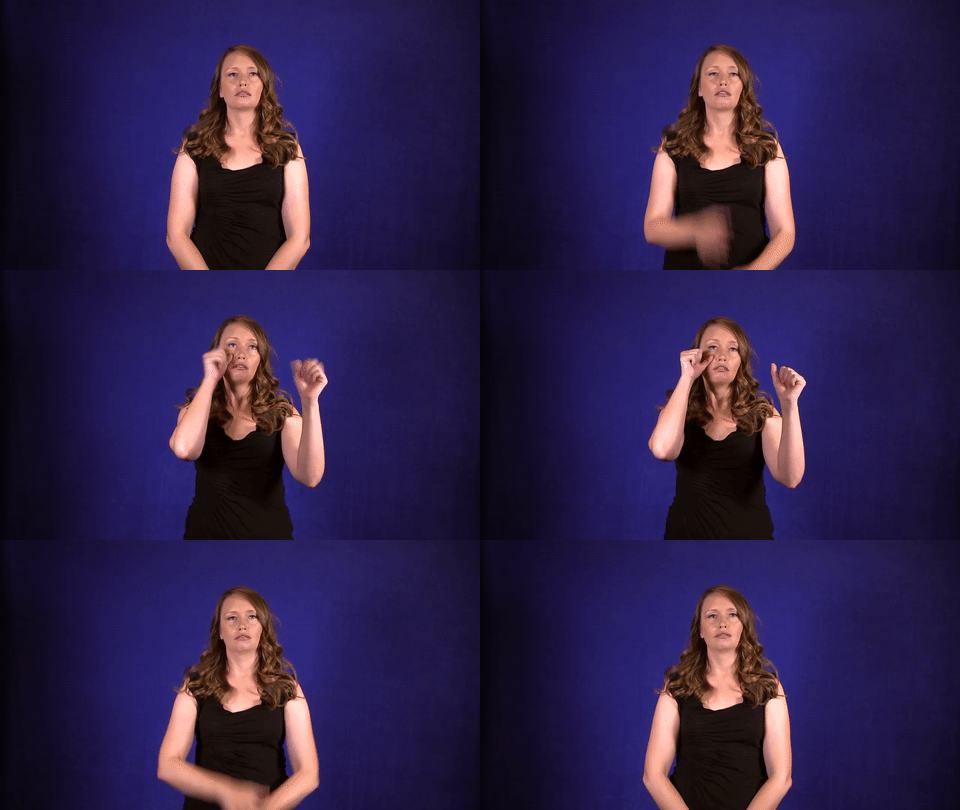
Sign for AMAZING in ASL | o ASL Dictionary

Definition: Causing great surprise or wonder.

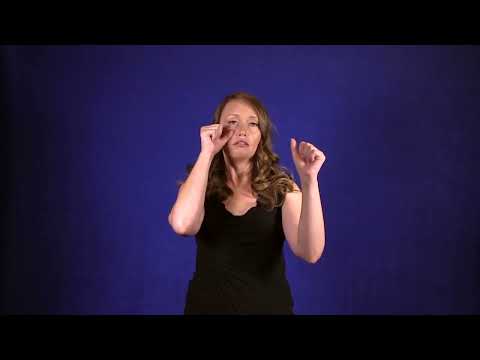
Sign for AMAZING in ASL 

YouTube player

Practice Activities:

Begin by practicing the sign for amazing in ASL in isolation. Stand in front of a mirror and sign it slowly, paying attention to handshape and movement. Repeat the sign multiple times until it feels natural.

Incorporate the sign for amazing in ASL into simple phrases. Practice signing “That is amazing!” or “You look amazing!” in front of a mirror or with a partner. Try changing the speed or intensity of the sign to match different levels of enthusiasm.

Create a mini-story where you use the sign for amazing in ASL to describe something exciting. For example, tell a short anecdote about seeing a breathtaking sunset or watching an outstanding performance. Sign the story with emotion to bring it to life.

Practice using the sign for amazing in ASL in conversations with a study partner. Take turns complimenting each other using the sign, saying things like “Your signing is amazing!” or “That idea is amazing!” This helps reinforce understanding in a natural way.

Think of real-life situations where you would use the sign for amazing in ASL. Imagine describing a thrilling moment, such as witnessing an incredible magic trick or meeting your favorite celebrity. Sign out your reaction as if you were experiencing it in real-time.

Record yourself signing sentences with the sign for amazing in ASL and watch the playback. Focus on handshape, movement, and facial expression. Compare your signing with native signers in videos to refine your accuracy.

Create a game where you and a partner alternate signing amazing things. One person describes something impressive, such as skydiving or a delicious meal, while the other responds using the sign for amazing in ASL. See who can come up with the most creative situations.

Cultural Context:

The sign for amazing in ASL is a vibrant expression of excitement and admiration. American Sign Language relies on facial expressions and body language to convey emotions, making this sign a powerful way to show enthusiasm. When used in conversations, it adds emphasis and energy to any statement.

In Deaf culture, the sign for amazing in ASL is commonly used to celebrate achievements, express joy, and highlight something extraordinary. Whether describing a breathtaking view, a great performance, or an incredible experience, this sign helps convey those feelings visually. It allows for a deeper emotional connection between signers.

Facial expressions play a crucial role in signing amazing in ASL. A wide-eyed look or an enthusiastic smile enhances the meaning of the sign considerably. Without expressive facial cues, the sign may lose its full impact and could be misinterpreted.

ASL users frequently pair the sign for amazing with other descriptive signs to add depth to their conversations. Combining it with signs for beautiful, incredible, or unbelievable helps create a richer description. This kind of visual expression makes ASL a dynamic and engaging language.

The versatility of the sign for amazing in ASL allows it to be used in many contexts. It works in casual conversations, storytelling, and even formal presentations. Whether talking about a movie, a person, or an event, this sign delivers strong positive emotions.

Children learning ASL often enjoy using expressive signs like amazing because they are fun and easy to incorporate into conversations. The dramatic motion and facial expressions make it memorable and engaging. This reinforces natural language development and encourages expressive communication.

When used in ASL storytelling, the sign for amazing in ASL enhances narratives by bringing excitement and emotion to the story. Deaf storytellers rely on expressive signs to captivate their audiences. Adding this sign helps highlight key moments and make stories more engaging.

Many ASL users appreciate the visually expressive nature of signs like amazing because they can communicate feelings instantly. Unlike spoken language, which relies on tone, ASL uses facial expressions and body gestures to emphasize meaning. This makes interactions more dynamic and visually compelling.

In social settings, the sign for amazing in ASL is often used to show enthusiasm and support for friends and family. Deaf communities value encouragement and positive reinforcement, and this sign helps foster meaningful connections. Signing amazing can uplift conversations and create a shared sense of excitement.

Emoji-like expressions naturally complement ASL, making signs like amazing highly effective in digital and face-to-face communication. Many ASL users incorporate

Extended Definition:

The sign for amazing in ASL is a dynamic and expressive gesture that conveys a strong sense of awe or wonder. This sign captures the feeling of being impressed, astonished, or excited about something extraordinary. It is commonly used in conversations to emphasize enthusiasm and positive emotions.

To sign amazing in ASL, the movement and handshape may vary slightly depending on regional or personal preferences. However, the most common method involves an open hand moving outward in an expressive motion near the face. Facial expressions play a crucial role in enhancing the meaning of the sign, reinforcing the speaker’s amazement.

ASL is a visual language that relies heavily on facial expressions and body movements to convey tone and intensity. When using the sign for amazing, widening the eyes or raising the eyebrows can add extra emphasis. This makes the expression even more vivid and impactful.

This sign can be used in a variety of contexts, from reacting to an incredible story to expressing excitement about an event. It is often used in conversations about achievements, natural wonders, performances, or anything that elicits a feeling of wonder. Whether discussing a breathtaking view or an outstanding performance, this sign effectively captures admiration.

The sign for amazing in ASL is an excellent example of how American Sign Language conveys emotions through both hand movements and facial expressions. Because ASL is not just about the hands, users should always incorporate appropriate facial expressions to make their message clear. This ensures that the meaning remains strong and fully understood.

Teaching the sign for amazing to beginners is a great way to introduce expressive signing in ASL. Practicing in front of a mirror or with a fluent signer can help improve accuracy and confidence. Over time, using this sign naturally in conversations will enhance communication skills.

When incorporating this sign into daily conversations, context is important to ensure clear communication. Sometimes, pairing it with other signs like “incredible” or “beautiful” can further specify the intended meaning. This can help avoid confusion and strengthen the expression.

ASL is a rich and expressive language with signs that carry deep emotional significance. The sign for amazing beautifully demonstrates how ASL users can share their emotions effectively. Learning and using it in conversation enhances both expressive skills and appreciation of ASL.

Synonyms: incredible, astonishing, astounding, awe-inspiring, remarkable

Educational resources: Find related learning materials in our course bank!

Want more? Check out some of our popular learning activities on the homepage!

Need to look up a sign? Use our highly rated dictionary: https://aslinteractive.com/best-asl-dictionary/

Follow us on tiktok: https://www.tiktok.com/@aslinteractive. More social media links at the bottom of this page!

Long-tail Keywords: what is the sign for amazing in asl, how do you sign amazing in asl, amazing sign language translation

Categories:

tags: Emotions, Compliments, Reactions, Positive Feelings, Responses

Parameters

*Handshape*:

The sign for AMAZING in ASL uses an open handshape with spread fingers. Both hands are positioned in front of the face, palms facing outward. They move in a circular or twisting motion, emphasizing a sense of awe or wonder. This expressive movement visually conveys the meaning of the sign for AMAZING in ASL, enhancing the gesture’s impact. The facial expression should match the meaning, often showing enthusiasm or astonishment.

*Palm Orientation*:

The palm orientation for the sign for amazing in ASL varies slightly depending on regional use. Typically, both hands are used with palms facing outward, fingers spread wide. The dominant hand moves in a small circular motion near the face or chest, emphasizing excitement or astonishment. In some variations, the movements may be more exaggerated to show greater intensity. The palm position helps convey the strong emotion tied to the meaning of amazing.

*Location*:

The sign for amazing in ASL is located in front of the face and upper torso. The dominant hand moves near the face with an expressive movement, often reflecting awe or astonishment. Facial expressions play a crucial role in emphasizing the meaning of the sign. Depending on the context, the sign for amazing in ASL may be modified slightly in movement or intensity to show different levels of amazement.

*Movement*:

To produce the sign for amazing in ASL, begin with both open hands, palms facing downward, positioned near the face. Move the hands outward and slightly upward in a swift, expressive motion while maintaining open fingers. The movement should convey a sense of awe or wonder, as if illustrating something grand. Facial expression is key—raising the eyebrows or widening the eyes enhances the meaning of the sign for amazing in ASL.

*Non-Manual Signals*:

When performing the sign for amazing in ASL, your facial expression should reflect awe or wonder . Raise your eyebrows slightly and open your eyes wide to emphasize excitement. Your mouth may naturally shape into an “O” or a soft smile, depending on context. Shaking your head slightly up and down can enhance enthusiasm. These non-manual signals ensure the sign for amazing in ASL conveys strong emotion and emphasis.

*Prosody, Dominant/Non-Dominant Hand*:

The sign for amazing in ASL uses the dominant hand in a loose “5” handshape. Start with the hand near the chin, palm facing outward, and move it in a small circular motion forward and down. This motion suggests a feeling of wonder or something extraordinary. Facial expressions play a key role in emphasizing the meaning, so a wide-eyed or impressed look enhances the sign’s impact. The non-dominant hand is not typically used.

Tips for Beginners:

The sign for AMAZING in ASL requires expressive movement, so keep your facial expression enthusiastic and engaged. This will add depth and clarity to the meaning. When practicing, make sure your hand movements are fluid rather than stiff, as rigid motion can make the sign look unnatural.

A common beginner mistake is keeping the fingers too close together, which can make the sign less recognizable. Keep them naturally relaxed and spread to maintain clarity. Also, be mindful of the movement path—exaggerating too much can distort the meaning, while being too subtle can make it hard to read.

Another tip is to stay aware of your signing space. The sign for AMAZING in ASL should be positioned appropriately in front of your face or chest depending on the variation you are using. Signing too low or too high can make it harder for others to understand.

Consistency is key in mastering this sign. Repeating it with a mirror or recording yourself can help improve accuracy. Watching fluent signers perform the sign for AMAZING in ASL will also help you refine your technique and pick up on natural movements.

When incorporating this into conversations, remember to adjust your signing speed. Going too fast can make the sign appear sloppy, while signing too slow may disrupt the flow of communication. Practice at a moderate pace until it feels natural.

Lastly, sign language is deeply expressive, so engage your entire body when signing. Small shifts in head movement or slight changes in posture can enhance the message. Keep practicing regularly, and you’ll gain confidence in making the sign for AMAZING in ASL clear and precise.

Connections to Other topics:

The sign for AMAZING in ASL is closely related to other signs that express awe, wonder, and excitement. It shares similarities with signs such as WONDERFUL, AWESOME, and INCREDIBLE, all of which convey strong positive emotions. These signs often have exaggerated facial expressions to emphasize the intensity of the meaning, making non-manual markers essential for clear communication.

In conversational ASL, the sign for AMAZING in ASL can combine with other signs to produce more nuanced meanings. For example, pairing AMAZING with EXPERIENCE can communicate an “amazing experience,” and when combined with NEWS, it can convey “amazing news.” ASL frequently relies on sign combinations to express detailed ideas, making it important to understand how individual signs contribute to a larger message.

This sign also connects to expressive storytelling in ASL, where signs for emotions and reactions help convey rich narratives. Deaf storytellers may incorporate the sign for AMAZING in ASL along with changes in facial expression to engage their audience. In poetry and performance ASL, exaggerated movements enhance the impact of a story, creating a vivid experience for viewers.

Facial expressions and body language are crucial for differentiating signs like AMAZING from similar concepts such as SURPRISE or SHOCK. While these signs may share movement patterns, the context and expression used in signing help determine their meaning. Understanding these subtle differences enhances fluency and natural communication in ASL.

Since ASL is a visual language, signs like AMAZING often accompany reactions in daily conversations. Whether describing an event, a person, or an achievement, this sign is frequently used to express enthusiasm. Practicing these expressions can help learners build confidence in conversational ASL while also improving their ability to convey emotions effectively.

Summary:

The sign for AMAZING in ASL captures a sense of wonder, excitement, or something extraordinary. This sign can vary depending on the context in which it is used, sometimes resembling signs for “wonderful” or “awesome.” It expresses a degree of enthusiasm and astonishment in a visually dynamic way.

One of the most common ways to sign AMAZING involves using both hands with open five-handshapes. The hands start near the face or head and move outward while making a slight waving motion. This movement conveys a feeling of something grand or awe-inspiring.

ASL is a rich visual language, and the sign for AMAZING reflects its emphasis on movement and facial expressions. Facial expression is crucial in acquiring the appropriate meaning, as a wide-eyed or enthusiastic facial expression enhances the sign’s impact. If signed without proper facial expressions, it might come across as neutral or lacking emphasis.

Another variation of the sign involves a single-handed motion that sweeps outward as if expressing a sense of surprise. In some dialects of ASL, the sign may overlap with signs for words like “awesome” or “incredible.” Given ASL’s flexibility, context determines which meaning is most appropriate.

The concept of AMAZING in ASL aligns with broader themes of positivity and admiration. Many signs in ASL that convey strong emotions or excitement make use of energetic movement. Signs like “wonderful,” “fantastic,” and “unbelievable” share similar expressive elements.

Linguistically, the sign for AMAZING in ASL is influenced by the need for clear distinction from related signs. The energy of the movement and handshape consistency help differentiate it from other signs with similar meanings. ASL relies on precise execution to avoid ambiguity in communication.

In applied linguistics, the sign for AMAZING showcases how ASL employs spatial and kinetic elements to express emotions. Unlike spoken languages that rely on tone and pitch, ASL uses visual aspects such as movement speed, facial expression, and signing space. These factors shape the exact meaning of the sign.

Culturally, the use of AMAZING in ASL is a reflection of the Deaf community’s expressive and storytelling traditions. Storytelling in ASL often exaggerates emotions and concepts to create engaging narratives. A signer might use the sign dramatically to enhance a story or a personal anecdote.

Situationally, the sign for AMAZING is common in conversations expressing deep appreciation or admiration. It fits well when discussing breathtaking experiences, exciting news, or moments of awe. ASL users might use it to describe an outstanding performance, an extraordinary event, or an unusually beautiful sight.

Grammatically, AMAZING can function as an adjective modifying subjects or events. However, ASL grammar differs from English, so its placement within a sentence depends on the topic-comment structure. A signer typically establishes the topic first and then describes why it is amazing.

Related signs include “wonderful,” “fantastic,” and “awesome,” which have overlapping handshapes and movements. However, each of these signs has distinct nuances that depend on intensity, handshape variation, and facial expressions. This highlights how ASL differentiates even subtle emotional distinctions in meaning.

ASL’s reliance on non-manual markers makes the sign for AMAZING particularly dynamic. A slight change in facial expression, such as raised eyebrows or an exaggerated mouth movement, can amplify the sign’s meaning. Similarly, a fast-moving sign can convey excitement, whereas a slower movement adds thoughtfulness.

The sign connects to the broader theme of emotional expression in ASL. Deaf culture highly values visual expressiveness, as it ensures that emotions and reactions are clearly conveyed. The richness of signs like AMAZING exemplifies the way ASL allows for nuanced and vivid communication.

In some cases, fingerspelling A-M-A-Z-I-N-G may be used for emphasis, such as in academic settings or formal presentations. However, since fingerspelling takes longer, most ASL users prefer the signed version unless they need to differentiate it from similar terms or ensure clarity.

For young ASL learners, mastering the sign for AMAZING is a great way to engage with expressive communication. Learning how to integrate strong facial expressions can help them develop fluency in their signing skills. ASL educators often encourage learners to exaggerate their expressions to make their signs more natural.

Since ASL is a visual language, signs like AMAZING highlight the way movement can encapsulate emotions. Compared to spoken expressions of amazement, which use vocal tone, the ASL version relies entirely on visual and kinesthetic expression. This creates a unique linguistic experience that is both physical and visual.

This sign demonstrates the importance of movement and space in ASL grammar. The dimension of space is crucial in differentiating signs that might appear similar when static. The motion involved in signing AMAZING prevents potential confusion with other signs that use the same handshape.

In casual conversations, using the sign for AMAZING naturally conveys enthusiasm without needing exaggeration. However, in

Want more? Check out some of our popular learning activities!

ASL Interactive Resources

ASLInteractive YouTube Channel

Follow us on tiktok: @aslinteractive.com

Follow us on Instagram: aslinteractive

Facebook page: aslinteractive

Facebook group: aslinteractive

LInkedIn: ASL Interactive LLC

Twitter: @ASL_interactive

*Some information on this page is AI-generated. AI can make mistakes. Please check the information.

Sign for AMAZING in ASL 

Responses