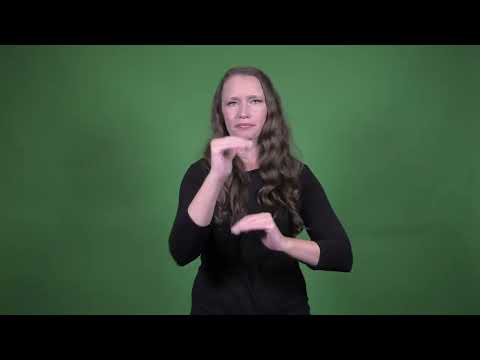
Sign for MUST LIMIT in ASL | ⛔ ASL Dictionary

Definition: To set a maximum or restriction.

Sign for MUST LIMIT in ASL

YouTube player

Practice Activities

To master the sign for MUST LIMIT in ASL, consistent and varied practice is essential. Start with mirror work, standing in front of a mirror and signing slowly while observing your handshape, facial expression, and body movement. This will help you ensure that the sign for MUST LIMIT in ASL looks clear and accurate from your viewer’s perspective.

Next, use recorded signing to track your progress. Record yourself signing short sentences that include the sign for MUST LIMIT in ASL, such as “You must limit screen time,” or “We must limit sugar.” Playback allows you to identify areas for improvement and refine your non-manual markers.

Practice in real-life contexts is key. Try using the sign for MUST LIMIT in ASL during conversations with Deaf friends or language partners. Incorporate it into common situations like setting boundaries, health discussions, or time management talks.

Advanced drills can include speed signing, where you increase signing speed without sacrificing clarity. You can also engage in translation exercises: take English sentences and translate them into ASL, focusing on correct grammar and placement of the sign for MUST LIMIT in ASL.

Group practice adds variety. Try peer feedback sessions or role-playing scenarios that involve making rules or setting limits. The more you use the sign for MUST LIMIT in ASL in diverse settings, the more natural it will become.

SEO Cultural Context

Understanding the cultural background of the sign for MUST LIMIT in ASL enhances both fluency and respect for the language. In Deaf culture, directness and clarity are highly valued. When someone uses the sign for MUST LIMIT in ASL, it often implies urgency or necessity in setting boundaries, whether physical, temporal, or emotional.

This sign is frequently seen in settings like classrooms, community meetings, or conversations about health and behavior. For example, a teacher might use the sign for MUST LIMIT in ASL to explain homework time rules, while a parent might use it to discuss screen time boundaries with a child.

Regional variation can occur, especially in how strongly the “must” component is emphasized. In some areas, the movement may be sharper or more forceful to convey added urgency. Deaf individuals may also use different facial expressions to highlight the seriousness of the limitation being discussed.

It is important to remember that ASL is not a direct translation of English. The concept behind the sign for MUST LIMIT in ASL is rooted in visual and spatial grammar. Rather than stringing together English words, signers convey the idea holistically, using facial expressions, body language, and space to emphasize necessity and restriction.

Extended Definition

The sign for MUST LIMIT in ASL combines two core signs: MUST and LIMIT. The sign for MUST is typically produced using a bent index finger that moves downward in a sharp, deliberate motion, often with a stern facial expression to show obligation or necessity.

The sign for LIMIT is generally made with both hands in flat-B handshapes, palms facing each other, moving toward each other to indicate a boundary or cap. When combined, the sign for MUST LIMIT in ASL expresses an imperative need to place a restriction or boundary on something.

It’s important to avoid simply signing the English words “must” and “limit” in sequence without regard to ASL grammar. In ASL, the order and intensity of the signs, as well as non-manual markers, carry meaning. The facial expression should reflect urgency or seriousness. A common error is using a neutral face, which can minimize the impact of the sign and cause confusion.

Some learners also mistakenly use the sign for NEED instead of MUST. While similar, MUST carries a stronger sense of obligation. Confusing these signs can change the meaning of the message. The sign for MUST LIMIT in ASL should be practiced with attention to handshape, palm orientation, movement, and appropriate facial cues.

Tips for Beginners

If you’re just starting to learn the sign for MUST LIMIT in ASL, take it one step at a time. Start by breaking down the compound into its parts: learn MUST with proper movement and expression, then practice LIMIT with accurate handshapes and spacing.

One common mistake is rushing through the signs. Beginners may blend the signs too quickly, which can make them unclear. Practice each sign independently before combining them. Remember, clarity is more important than speed.

Another beginner tip is to exaggerate your facial expressions slightly at first. This helps you get comfortable with using non-manual markers, which are essential in conveying the seriousness of the sign for MUST LIMIT in ASL.

Use flashcards with visual prompts or practice apps to reinforce the sign. Watching native ASL users sign the phrase in context—such as in vlogs, Deaf YouTube channels, or ASL storytime videos—can give you a real-life sense of how and when to use the sign for MUST LIMIT in ASL.

Don’t be afraid to make mistakes. Every signer starts somewhere. The key is consistent, mindful practice and seeking feedback when possible. Celebrate small wins, like using the sign correctly in a full sentence or understanding it in a video.

Connections to Other Topics

The sign for MUST LIMIT in ASL connects closely with other signs that express rules, boundaries, and obligations. One related concept is the sign for HAVE TO or MUST, which is similar in meaning but can vary in intensity depending on the context and facial expression.

Another related sign is CONTROL, which is often used in conversations about managing behavior, time, or emotions. This pairs naturally with the sign for MUST LIMIT in ASL when discussing setting limits on actions or feelings.

The sign for RULE is also important. It’s used when establishing guidelines or policies, such as house rules or classroom expectations. This sign often appears alongside MUST LIMIT in conversations about acceptable behavior.

You’ll also find thematic overlap with the sign for STOP. While STOP is more abrupt, it can be used in similar contexts where an action must be immediately limited or ceased. Understanding the differences in tone and intention between STOP and MUST LIMIT enhances expressive range.

Lastly, the sign for ENOUGH can be conceptually linked. It suggests a threshold has been met, and no more is needed. While not identical in usage, ENOUGH and MUST LIMIT often appear in discussions about moderation and boundaries.

Lengthy Summary

The sign for MUST LIMIT in ASL is a vital expression when conveying the need to set firm boundaries or restrictions. Whether used in educational settings, health discussions, or everyday conversations, this sign helps communicate urgency and necessity in a clear, visual way. By combining the signs for MUST and LIMIT, and reinforcing them with appropriate non-manual signals, signers can express complex ideas with clarity.

For learners, mastering the sign for MUST LIMIT in ASL requires focused practice. Techniques like mirror work, recorded signing, and contextual usage help internalize both the physical and expressive components of the sign. Beginners should take care to avoid common mistakes like weak facial expressions or incorrect handshapes. Using visual cues and learning resources can support accurate learning.

Culturally, the sign for MUST LIMIT in ASL reflects the Deaf community’s value on direct communication and clarity. It is used in a variety of social and institutional settings to express rules, boundaries, and expectations. Regional variations may exist, but the core meaning remains consistent across most signing communities.

Understanding how this sign interacts with related concepts like RULE, CONTROL, and STOP deepens your comprehension of ASL’s visual grammar. These connections allow signers to express complex thoughts about discipline, moderation, and obligation with nuance and precision.

By practicing regularly and staying curious, you’ll become more confident in using the sign for MUST LIMIT in ASL. Keep exploring new contexts, signing with others, and seeking feedback. Every time you use the sign in conversation, you’re building fluency and cultural understanding. Stay motivated and continue your journey into the rich, expressive world of American Sign Language .

Synonyms: must restrict, have to reduce, need to confine, required to limit, obligated to cut back

Educational resources: Find related learning materials in our course bank!

Want more? Check out some of our popular learning activities on the homepage!

Need to look up a sign? Use our highly rated dictionary: https://aslinteractive.com/best-asl-dictionary/

Follow us on tiktok: https://www.tiktok.com/@aslinteractive. More social media links at the bottom of this page!

Long-tail Keywords: what is the sign for must limit in ASL, how do you sign must limit in ASL, must limit in American Sign Language

Categories:

tags: ASL limits, ASL must signs, American Sign Language restrictions, ASL needs and boundaries, ASL guidelines

Want more? Check out some of our popular learning activities!

ASL Interactive Resources

ASLInteractive YouTube Channel

Follow us on tiktok: @aslinteractive.com

Follow us on Instagram: aslinteractive

Facebook page: aslinteractive

Facebook group: aslinteractive

LInkedIn: ASL Interactive LLC

Twitter: @ASL_interactive

*Some information on this page is AI-generated. AI can make mistakes. Please check the information.


Responses