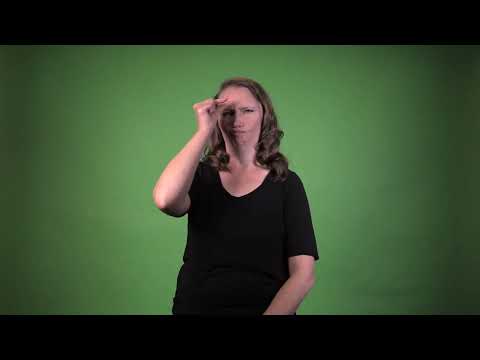
Definition: Lacking intelligence or showing poor judgment.
Sign for NOT SMART (PEA BRAIN) in ASL
Practice Activities
Learning the sign for NOT SMART (PEA BRAIN) in ASL requires practice and context to fully grasp the tone and mannerisms that come with it. Start by practicing in front of a mirror to monitor your facial expressions, handshape, and movement. This sign typically involves a flicking motion near the forehead, simulating the idea of a “pea-sized brain,” so accuracy in motion is vital.
Record yourself signing the sign for NOT SMART (PEA BRAIN) in ASL and watch the video to compare your execution with native signers. This helps catch subtle mistakes and reinforces correct usage. Incorporate the sign into full sentences like “He is not smart” or “That was a pea brain move” to build fluency in context.
Engage in partner drills where one person describes a scenario and the other responds using the sign for NOT SMART (PEA BRAIN) in ASL. This builds quick recall and helps with conversational flow. For advanced learners, try storytelling exercises where you narrate a short anecdote and include this sign naturally within your delivery.
SEO Cultural Context
The sign for NOT SMART (PEA BRAIN) in ASL is informal and often used humorously or critically to describe someone acting foolishly or lacking common sense. In Deaf culture, facial expressions are essential to convey the emotional weight of this sign. A mocking or exaggerated expression often accompanies it to emphasize sarcasm or ridicule.
It is important to understand that the sign for NOT SMART (PEA BRAIN) in ASL is not used lightly in all contexts. While it may be acceptable in a casual setting among friends, using it in a professional or educational environment could be considered offensive or inappropriate. As with spoken language, cultural sensitivity and situational awareness are key.
Regional variations may exist, especially in how exaggerated the motion or expression is, but the general concept remains recognizable. In some areas, signers may use a single flicking motion to indicate “pea brain,” while others may combine it with the sign for “not smart” for clarity or emphasis.
Extended Definition
The sign for NOT SMART (PEA BRAIN) in ASL combines elements of metaphor and visual language. Typically, the dominant hand uses a small pinch (as if holding a tiny object) and flicks away from the forehead, suggesting a very small brain. This is often paired with a head shake or other negative facial expression to reinforce the meaning.
This sign is related to other signs like “dumb,” “foolish,” or “not bright,” but it carries a unique tone—often humorous or sarcastic—because of its vivid visual imagery. One common error is over-exaggerating the sign to the point where it looks unnatural. Another mistake is using the sign in serious or formal situations, which can lead to misunderstandings.
The sign for NOT SMART (PEA BRAIN) in ASL is a powerful example of how ASL uses visual metaphors to express complex ideas. It’s not just a direct translation of “not intelligent,” but a culturally nuanced expression with emotional weight and social implications.
Tips for Beginners
If you’re just beginning to learn the sign for NOT SMART (PEA BRAIN) in ASL, don’t be discouraged if it feels awkward at first. Focus on getting the handshape right—a small pinch—and practice the motion until it feels smooth and natural. Use a mirror to work on your facial expression, which is just as important as the hand movement.
Avoid practicing the sign in isolation without understanding its meaning and context. This sign is often humorous or sarcastic, and using it without the correct facial cues can send the wrong message. Beginners often forget to include the negative head shake or may make the sign too close to other signs like “think” or “small,” which can cause confusion.
Practice slowly and build up speed as your confidence grows. Watching native signers and mimicking their timing and rhythm can greatly improve your fluency. The sign for NOT SMART (PEA BRAIN) in ASL becomes more intuitive the more you see it used authentically in conversation.
Connections to Other Topics
The sign for NOT SMART (PEA BRAIN) in ASL connects closely with the sign for “foolish.” Both use expressive facial grammar to convey the intended insult or jest, and both are used in social commentary within conversations.
Another related sign is “dumb,” which is often used in more serious or blunt contexts. While “pea brain” is often sarcastic or light-hearted, “dumb” can carry a heavier tone and should be used more cautiously.
The sign “crazy” is also visually similar in its exaggerated facial expression and movement, although the handshape and location differ. Still, it shares the thematic element of describing mental or intellectual states through visual metaphors.
“Smart” is an antonym and an important comparison sign. Understanding the motion and expression of “smart” helps clarify how “not smart” and “pea brain” differ in tone and usage.
The sign for “think” is also related. Many learners confuse “think” and “pea brain” because both involve hand movement near the forehead. Recognizing the difference in handshape, motion, and facial expression can help prevent this mistake.
Lengthy Summary
The sign for NOT SMART (PEA BRAIN) in ASL is a dynamic and expressive sign that blends humor, sarcasm, and visual storytelling. It is not simply a literal translation but a culturally rich expression rooted in the Deaf community’s unique ways of communicating ideas. Combining a small pinched handshape with a flick from the forehead, it visually represents the metaphor of someone having a “pea-sized brain.”
This sign should be used carefully and contextually. It is generally reserved for informal interactions where humor or mild criticism is acceptable. Misusing this sign in formal or unfamiliar settings can lead to misunderstandings or offense. Understanding the cultural norms around the sign for NOT SMART (PEA BRAIN) in ASL is crucial for respectful and accurate communication.
Beginners should focus on correct handshape, motion, and especially facial expressions. Recording practice, mirror work, and real-life conversation are excellent methods for mastering this expressive sign. Avoid common pitfalls like over-exaggeration or confusing it with similar signs like “think” or “small.”
The sign for NOT SMART (PEA BRAIN) in ASL connects with broader concepts in the language, including signs for intelligence, foolishness, and mental states. These thematic links help learners understand how ASL uses visual metaphors and grammar to express complex ideas efficiently and emotionally.
Keep practicing the sign for NOT SMART (PEA BRAIN) in ASL in various contexts to build fluency and confidence. Watch native signers, ask for feedback, and don’t be afraid to make mistakes. Every sign you learn brings you closer to deeper communication and understanding in ASL .
Synonyms: dim-witted, slow-witted, dull, foolish, simple
Educational resources: Find related learning materials in our course bank!
Want more? Check out some of our popular learning activities on the homepage!
Need to look up a sign? Use our highly rated dictionary: https://aslinteractive.com/best-asl-dictionary/
Follow us on tiktok: https://www.tiktok.com/@aslinteractive. More social media links at the bottom of this page!
Long-tail Keywords: what is the sign for not smart pea brain in ASL, how do you sign not smart pea brain in ASL, ASL sign for not smart pea brain
Categories:
tags: intelligence, personality traits, idioms in ASL, ASL insults, slang in American Sign Language
Want more? Check out some of our popular learning activities!
ASL Interactive Resources
ASLInteractive YouTube Channel
Follow us on tiktok: @aslinteractive.com
Follow us on Instagram: aslinteractive
Facebook page: aslinteractive
Facebook group: aslinteractive
LInkedIn: ASL Interactive LLC
Twitter: @ASL_interactive
*Some information on this page is AI-generated. AI can make mistakes. Please check the information.


Responses