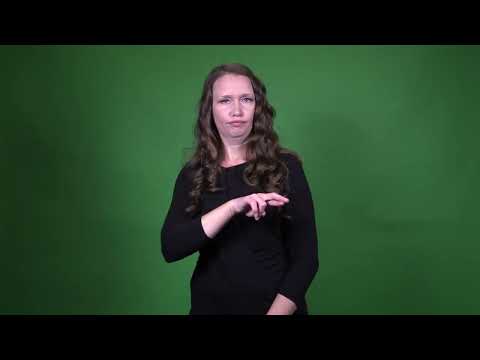
Sign for RELIGION in ASL | ASL Dictionary

Definition: The belief in and worship of a superhuman controlling power. Sign for RELIGION in ASL
YouTube player

Practice Activities

Practicing the sign for RELIGION in ASL can be both educational and enjoyable when you use a variety of techniques. One of the best ways to start is with mirror work. Stand in front of a mirror and sign RELIGION slowly, watching your handshape, movement, and facial expressions. This helps build muscle memory and increases self-awareness in your signing form. Another helpful activity is recorded signing. Use your phone or webcam to record yourself using the sign for RELIGION in ASL in different sentences. Review playback to check for accuracy and fluidity. This is especially useful for noticing subtle errors and tracking your progress over time. Signing in context allows you to integrate the sign for RELIGION in ASL into real conversations. Try describing your beliefs, talking about holidays, or discussing spiritual topics using the sign naturally. If you don’t have a signing partner, consider using online ASL communities or language exchange platforms. Advanced drills can take your skills to the next level. Practice transitioning between the sign for RELIGION in ASL and related signs like CHURCH, FAITH, or GOD. Speed drills, storytelling, and interpreting religious content from English to ASL are all excellent ways to reinforce your fluency. Group activities also enhance learning. Participate in ASL study groups or attend Deaf events where religious conversations may take place. These environments offer real-time feedback and cultural immersion, which are key to mastering the sign for RELIGION in ASL.

SEO Cultural Context

Understanding the cultural background of the sign for RELIGION in ASL is essential for respectful and accurate use. In the Deaf community, religion—like many topics—is often discussed with a deep sense of personal experience and identity. The sign for RELIGION in ASL is generally neutral and inclusive, representing a wide range of spiritual beliefs without aligning with any particular tradition. The typical form of the sign involves the dominant hand in an “R” handshape touching the shoulder and then moving outward away from the body. This symbolizes the connection between the self and a higher power or spiritual belief. While this is the most common form, some regional variations may exist, especially in areas with strong religious or cultural influences. Deaf culture values direct communication and visual clarity, so when using the sign for RELIGION in ASL, it’s important to match your facial expressions appropriately. Discussing religion in ASL is often more expressive and personalized than in English, allowing for a deeper sharing of beliefs and values. When using this sign in real-life situations, context matters. You’ll see the sign for RELIGION in ASL used in church settings, spiritual discussions, academic settings, and community storytelling. It can also be found in formal interpreting situations, especially during religious services or events. Using the sign accurately and respectfully shows cultural awareness and linguistic competence.

Extended Definition

The sign for RELIGION in ASL typically begins with the dominant hand formed into the letter “R” (from the ASL manual alphabet). The hand touches the shoulder or upper chest area and then moves outward and slightly downward. This movement reflects the concept of faith or belief moving from within the individual outward into the world. This sign is related to other signs like FAITH and BELIEVE, but they are not interchangeable. FAITH often uses a different handshape and focuses more on inner conviction. BELIEVE combines THINK and MARRIAGE to convey the idea of mental commitment. The sign for RELIGION in ASL is more encompassing and refers broadly to organized beliefs or spiritual systems. A common error among beginners is using the wrong handshape—such as a flat hand or incorrect finger positioning. Another mistake is omitting the movement or placing the hand too low on the body. These errors can either confuse the meaning or make the sign less intelligible. Proper handshape, location, and movement are essential for clarity. It’s also important not to overuse the sign for RELIGION in ASL when discussing specific faiths. For example, if talking about Christianity, Judaism, or Islam, you may want to use more specific signs or fingerspell the names of those religions for clarity and respect. Always consider your audience and the context of the conversation.

Tips for Beginners

If you’re new to ASL, learning the sign for RELIGION in ASL can feel overwhelming at first. But remember, every signer starts somewhere. Start slowly by mastering the “R” handshape. Practice forming it correctly and holding it comfortably. Once you’re confident with the handshape, focus on the movement and placement. Sign in front of a mirror or with a friend who knows ASL. This will help you get real-time feedback and build signing confidence. Watch videos of Deaf signers using the sign for RELIGION in ASL in natural conversation. Pay attention to how they incorporate facial expressions and body language. These visual elements are just as important as the hand movements. Avoid rushing or trying to sign too quickly. Many beginners try to go fast before they’re ready, which can lead to sloppy signing. Clear, deliberate movement is always better than speed when learning the sign for RELIGION in ASL. Don’t be afraid to ask for feedback. Join an online ASL forum or attend a local Deaf event where you can practice and learn from others. The more you use the sign in real conversation, the more natural it will become.

Connections to Other Topics

The sign for RELIGION in ASL connects with several important signs and concepts in American Sign Language. One related sign is CHURCH, which uses a “C” handshape tapped on the back of the non-dominant fist. This sign is often used when discussing Christian services or buildings. Another related term is GOD, signed by raising the dominant hand upward with the palm facing forward, then moving it down slightly. This sign is commonly used in religious discussions and often appears alongside the sign for RELIGION in ASL. FAITH is another valuable sign to learn. It combines the THINK and TRUST signs, indicating a belief or confidence in something unseen. It often appears in spiritual or motivational contexts and can deepen discussions involving the sign for RELIGION in ASL. You may also encounter PRAY or PRAYER, which involves placing both hands together as if in traditional prayer posture. This sign often accompanies the sign for RELIGION in ASL when discussing religious practices or ceremonies. SPIRITUAL and BELIEVE are also connected concepts. BELIEVE is a compound sign combining THINK + MARRIAGE, symbolizing a mental commitment. SPIRITUAL may involve a gesture suggesting something rising or emanating from the chest, emphasizing the intangible nature of spirituality. Each of these signs enriches your vocabulary and helps provide a fuller understanding of faith-based topics in ASL. Using them in combination with the sign for RELIGION in ASL allows for more nuanced and meaningful conversations.

Lengthy Summary

The sign for RELIGION in ASL is a foundational vocabulary term that opens the door to rich and meaningful conversations about belief, identity, and community. It uses the “R” handshape, touching the upper chest and moving outward, symbolizing the extension of inner faith into external expression. Mastering this sign involves attention to handshape, movement, and facial expression, all of which are cornerstones of effective ASL communication. Culturally, the sign for RELIGION in ASL plays an important role in the Deaf community, where spiritual beliefs are often shared through storytelling, visual metaphors, and collective experience. Understanding how to use this sign respectfully and accurately reflects your commitment to cultural competency and linguistic fluency. Beginners may face challenges with handshape or placement, but consistent practice using mirror work, recordings, and real-life application can help overcome these hurdles. Watching native signers and engaging with the Deaf community accelerates learning and enhances understanding of the sign’s deeper meanings. The sign for RELIGION in ASL also connects to a broader network of spiritual and religious signs, such as CHURCH, GOD, FAITH, and PRAY. Learning these related signs adds depth to your vocabulary and allows you to participate more fully in conversations about belief systems, holidays, and personal values. Incorporating the sign for RELIGION in ASL into your daily ASL practice not only improves your language skills but also fosters inclusivity and empathy. It reminds us of the diverse ways people find meaning and connection in their lives. Keep practicing, stay curious, and use every opportunity to engage with the language and its culture. Your journey in ASL is just beginning—keep signing, keep learning, and keep growing . Synonyms: Idiomatic expression meaning to act as if something is true when it is not. Educational resources: Find related learning materials in our course bank! Want more? Check out some of our popular learning activities on the homepage! Need to look up a sign? Use our highly rated dictionary: https://aslinteractive.com/best-asl-dictionary/ Follow us on tiktok: https://www.tiktok.com/@aslinteractive. More social media links at the bottom of this page! Long-tail Keywords: What is the sign for religion in ASL, How do you sign religion in ASL, Religion in ASL meaning Categories: tags: religion signs in ASL, faith-related ASL vocabulary, ASL words for religious concepts, church and worship in ASL, spirituality in American Sign Language

Want more? Check out some of our popular learning activities!

ASL Interactive Resources

ASLInteractive YouTube Channel

Follow us on tiktok: @aslinteractive.com

Follow us on Instagram: aslinteractive

Facebook page: aslinteractive

Facebook group: aslinteractive

LInkedIn: ASL Interactive LLC

Twitter: @ASL_interactive

*Some information on this page is AI-generated. AI can make mistakes. Please check the information.  

Responses