Practice Activities
Learning the sign for SNOB in ASL takes more than just memorizing the handshape—it requires practice in context, facial expression, and fluid motion. One effective method is mirror work. Stand in front of a mirror and practice the sign repeatedly while observing your non-manual signals. The sign for SNOB in ASL often includes a facial expression that shows disdain or arrogance, which is crucial to getting the meaning across. Another helpful strategy is to record yourself signing. Use your phone or a webcam to capture your practice sessions. Play them back to assess your handshape, movement, and facial expression. Watching yourself helps build awareness of your progress and areas needing improvement. Sign the word in real-life or simulated conversations. Try using the sign for SNOB in ASL while storytelling, or when describing a character in a play or book. Incorporating the sign into natural contexts builds fluency and confidence. Partner practice is also valuable. Sign with a friend or tutor and ask for feedback. For more advanced learners, try drills that contrast related signs. Practice signing SNOB alongside signs for RUDE, PROUD, or ARROGANT. This will help you develop precision and avoid mixing up similar concepts. Also, try spontaneous signing exercises where you describe a scenario involving a snobbish character to reinforce real-time usage of the sign for SNOB in ASL.
SEO Cultural Context
The sign for SNOB in ASL carries both linguistic and cultural meaning within the Deaf community. It reflects social attitudes and behaviors, and often conveys judgment or disapproval. When using this sign, non-manual markers such as a raised chin, nose in the air, or a sneering facial expression are essential. These elements reflect the cultural value ASL places on visual storytelling and emotional expression. In Deaf culture, communication is direct and expressive, so signs like SNOB are more than vocabulary—they’re a blend of gesture, facial expression, and cultural nuance. The sign for SNOB in ASL often appears in stories, conversations, or jokes that involve social dynamics. For example, someone might describe a teacher or coworker as a “snob” to explain their aloof or superior behavior. There may be regional variation in how the sign is formed. In some areas, the sign might involve a movement from the nose upward to suggest “looking down on others.” In others, it might include a dismissive hand flick near the face. These differences reflect the rich diversity within the signing community while maintaining the core concept of arrogance or elitism. Understanding the cultural context of the sign for SNOB in ASL is essential to using it appropriately. It is not used lightly or without cause. In Deaf storytelling or daily conversation, the sign is often accompanied by a backstory or reason for labeling someone as a snob, emphasizing the importance of context in ASL communication.
Extended Definition
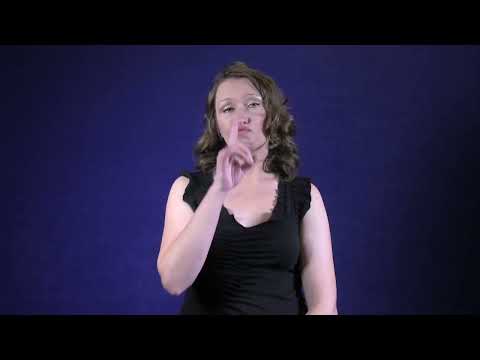
The sign for SNOB in ASL typically involves a movement that starts near the nose or upper lip area, with an upward motion of the hand and a smug or superior facial expression. The handshape is usually the dominant hand in a modified bent-B or flat hand, depending on the signer’s region or personal style. The motion and non-manual markers are what give the sign its full meaning. The meaning conveys someone who believes they are better than others due to wealth, status, education, or taste. The key to signing SNOB correctly is to include the facial expression that shows arrogance or disdain. Without the correct facial expression, the sign can be misinterpreted or lose its intended impact. It’s important to differentiate the sign for SNOB in ASL from similar signs like PROUD, ARROGANT, or STUCK-UP. While these may share similar movements or handshapes, each has its unique context and emotional tone. For example, PROUD might have a more positive connotation, while ARROGANT and SNOB are typically negative. A common error is using too subtle a facial expression or failing to include one at all. This can make the sign seem flat or unclear. Another mistake is confusing the direction or placement of the hand, which can lead to misunderstanding. Regular practice and feedback from fluent signers can help avoid these issues.
Tips for Beginners3>
If you’re just starting to learn the sign for SNOB in ASL, take it one step at a time. Begin with observing fluent signers, either in person or through trusted ASL video resources. Pay attention to both the hand movement and the facial expression. The meaning of the sign is tightly linked to how you present it visually. Practice slowly at first. Stand in front of a mirror to monitor your hand placement and facial expression. Don’t rush the movement—clarity is more important than speed. Use repetition to build muscle memory. One common beginner mistake is using too little expression. Without the “snobby” look—like a raised chin or slight sneer—the sign won’t carry its full meaning. Practice exaggerating the expression in early stages, then refine it as your confidence grows. Another challenge is overgeneralizing the sign. Beginners may try to use the sign for SNOB in ASL to describe any kind of rudeness. Remember, this sign specifically refers to someone who acts superior or elitist, not just impolite. Be patient with yourself. Everyone makes mistakes while learning. The key is to stay consistent in your practice and seek feedback from more experienced signers or instructors.
Connections to Other Topics
The sign for SNOB in ASL connects closely with other social behavior signs like RUDE, ARROGANT, and PROUD. Each of these signs conveys a particular attitude or emotional state, and all require precise facial expressions to be understood correctly. Another related concept is the sign for STUCK-UP. This sign shares a similar theme of someone acting better than others. Comparing these signs in context can help you distinguish subtle differences in meaning and use. The sign for JUDGE or JUDGMENT is also thematically linked. When describing someone as a snob, you may also be talking about someone who passes judgment on others for superficial reasons. These signs often appear together in narratives or dialogues. From a grammatical perspective, signs like SNOB are often used with descriptive classifiers in ASL storytelling. You might describe a character with certain traits and then finish with the sign for SNOB to summarize their attitude. This shows how ASL uses visual grammar to build complex meaning. Lastly, the sign for FANCY or RICH can appear in the same context when describing someone who is perceived as snobbish. Being able to contrast and compare these related signs enhances your fluency and comprehension of nuanced social language in ASL.
Lengthy Summary
The sign for SNOB in ASL is a rich, expressive sign that combines handshape, motion, and facial expression to communicate the idea of someone who acts superior to others. It’s a sign that goes beyond simple vocabulary—it embodies cultural values, emotional nuance, and social commentary. Understanding and using this sign involves more than the hand movement alone. Facial expression is critical, as is knowing when and why the sign is used. Practicing the sign for SNOB in ASL should include a variety of techniques. Use mirrors, video recordings, and live practice to improve your fluency. Place the sign in real-life contexts to develop comfort and accuracy. For more advanced learners, drills that contrast similar signs will deepen your understanding. Culturally, the sign reflects values and attitudes within the Deaf community. It’s used to describe behavior that is overly proud, dismissive, or based on superficial status. Regional variations may exist, but the fundamental meaning remains consistent across communities. For beginners, the best approach is to start slowly and focus on clarity. Avoid common mistakes like weak facial expressions or confusing similar signs. Use tools like video and peer feedback to refine your skills. Remember, learning ASL is a journey, and every sign you master brings you closer to fluency. The sign for SNOB in ASL connects to a range of other social behavior signs, such as RUDE, PROUD, and ARROGANT. Learning these as a group can help build your vocabulary and improve your ability to tell stories or describe people in detail. These connections also reinforce your understanding of how ASL expresses complex ideas visually and emotionally. In summary, the sign for SNOB in ASL is a powerful tool in your signing vocabulary. It allows you to express subtle social judgments, describe characters, and engage in culturally rich communication. Keep practicing, stay curious, and don’t be afraid to ask for help. Every time you use the sign for SNOB in ASL, you’re not only building your language skills—you’re also stepping deeper into the vibrant world of American Sign Language . Synonyms: breathing tube, air tube, dive tube, snorkel pipe, underwater breather Educational resources: Find related learning materials in our course bank! Want more? Check out some of our popular learning activities on the homepage! Need to look up a sign? Use our highly rated dictionary: https://aslinteractive.com/best-asl-dictionary/ Follow us on tiktok: https://www.tiktok.com/@aslinteractive. More social media links at the bottom of this page! Long-tail Keywords: what is the sign for snob in ASL, how do you sign snob in ASL, ASL sign for snob Categories: tags: attitudes in ASL, personality traits in ASL, negative characteristics in ASL, social behavior in ASL, personal attributes in ASL
Want more? Check out some of our popular learning activities!
ASL Interactive Resources
ASLInteractive YouTube Channel
Follow us on tiktok: @aslinteractive.com
Follow us on Instagram: aslinteractive
Facebook page: aslinteractive
Facebook group: aslinteractive
LInkedIn: ASL Interactive LLC
Twitter: @ASL_interactive
*Some information on this page is AI-generated. AI can make mistakes. Please check the information.
Responses