Definition: A professional who practices dentistry 1.
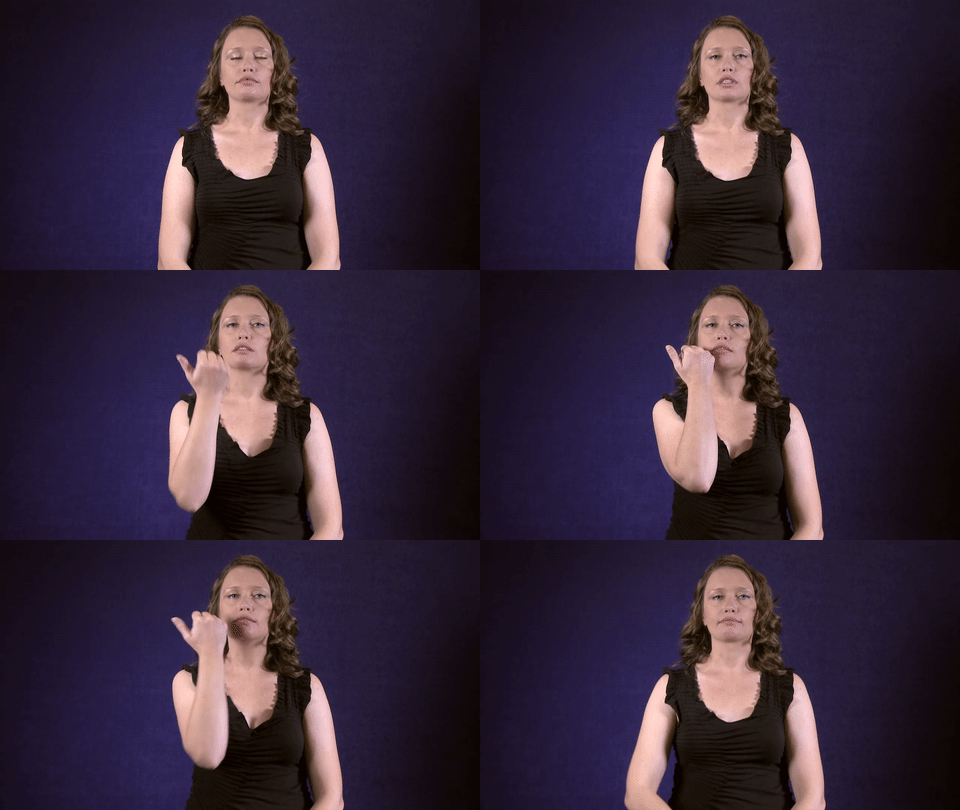
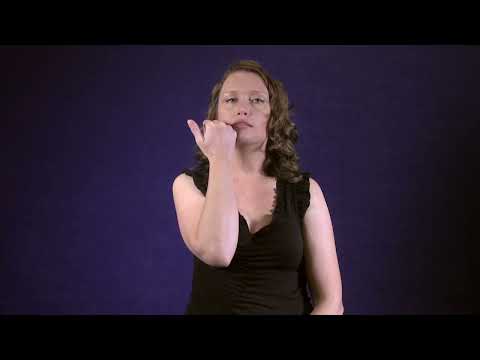
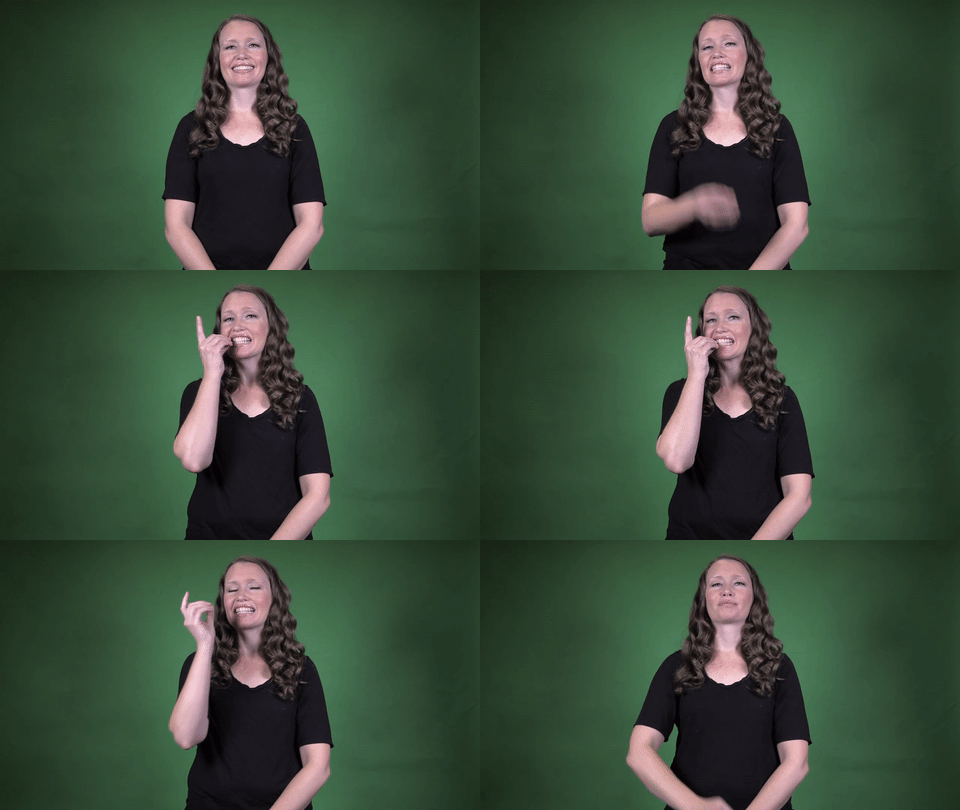
Sign for DENTIST 1 in ASL

Practice Activities:
To practice the sign for DENTIST 1 in ASL, begin by isolating the movement and shape of the sign. Stand in front of a mirror and repeat the sign slowly, checking handshape, palm orientation, and facial expression for accuracy. Do this daily to help build muscle memory and comfort with the sign.
Use flashcards with health-related vocabulary and isolate the sign for DENTIST 1 in ASL for repeated practice. Each flashcard can list a profession or medical specialist, allowing you to practice signing DENTIST in contrast with signs like DOCTOR or NURSE. This helps reinforce the meaning through comparison.
Create simple sentences using the sign for DENTIST 1 in ASL along with time, location, and action signs like “I GO DENTIST MONDAY,” “MY TOOTHPASTE DENTIST RECOMMEND,” or “DENTIST HELP TOOTHPAIN.” Repeating phrases with small changes builds flexibility and fluency. Record yourself to check your clarity.
Work with a signing partner and take turns giving and interpreting different dental appointment scenarios. One person can describe an experience and include the sign for DENTIST 1 in ASL, while the other signs back their understanding. For example, take turns describing toothaches, check-ups, or getting braces using ASL.
Try storytelling activities focused on dental themes. For example, sign a short story about a child visiting the dentist for the first time, including vocabulary like CHAIR, TOOTH, CLEAN, and DENTIST. Increase your comfort using the sign in a narrative format.
Finally, watch videos of native signers using the sign for DENTIST 1 in ASL and try to copy their signing pace and expression. Use emojis as visual aids during role-play or storytelling to make connections between the sign and real-life contexts. Consistent, targeted practice will help learners gain fluency and understanding.
Cultural Context:
In American Sign Language, the sign for dentist 1 in ASL carries more meaning than just a job title. Within Deaf culture, healthcare-related signs, especially those for medical professionals, reflect not only the occupation but also the importance of clear communication in medical settings. The sign for dentist 1 in ASL is commonly used in everyday conversations, educational settings, and health discussions.
Access to dental care is an important topic in the Deaf community. Using the correct sign for dentist 1 in ASL allows individuals to ask for dental help, explain symptoms, or describe appointments. Understanding signs for medical professionals ensures smoother communication and reduces stress in clinical environments.
In the Deaf community, clarity and visual accuracy in ASL are essential. The sign for dentist 1 in ASL is made with careful movement and facial grammar to distinguish it from other health-related signs. Visual precision helps prevent confusion, especially when discussing important health information.
Many Deaf individuals prefer to work with dentists who are familiar with ASL or who use interpreters. The sign for dentist 1 in ASL becomes an entryway to crucial conversations about oral health. It also helps children and adults alike learn how to talk about their health in ASL settings.
Using the correct sign also shows respect for the language and the cultural norms of the community. The sign for dentist 1 in ASL fits naturally within the grammar and flow of ASL, making it both practical and culturally relevant. Accurate use of this sign supports autonomy and informed decision-making in dental care.
ASL signs often reflect real-world associations, and the sign for dentist 1 in ASL mimics the actions linked to dental care. This visual link helps reinforce vocabulary learning and memory for both native signers and learners. It creates a bridge between concept, experience, and communication.
Whether in school classrooms, interpreter training programs, or ASL tutorials, teaching the sign for dentist 1 in ASL helps raise awareness about health-related vocabulary. This sign is part of a broader set of medical signs that empower users to talk openly about health topics. In healthcare education, signs like this one are foundational.
Parents who use ASL with their children often encounter the sign for dentist 1 in ASL during early childhood routines. Teaching this sign promotes early health literacy and supports communication about daily needs. For Deaf children, knowing the correct sign strengthens both language development and personal confidence.
Within the Deaf community, sharing and learning signs like the sign for dentist 1 in ASL supports cultural
Extended Definition:
The sign for dentist 1 in ASL is commonly used when referring to dental professionals, teeth cleanings, or appointments involving oral care. This version of the sign typically includes a gesture that mimics checking or working on the teeth, helping to communicate clearly in conversations about dental topics. It’s an important vocabulary word for both everyday use and medical settings.
When learning the sign for dentist 1 in ASL, it’s essential to understand the context in which it is used. This sign can show up in conversations about toothaches, dental insurance, or a visit to the orthodontist. It allows Deaf and hard-of-hearing individuals to describe their needs and experiences related to dental health.
The proper production of the sign for dentist 1 in ASL usually starts with forming the correct handshape and positioning it near the mouth. This gesture may vary slightly in different regions, but the overall meaning stays the same. It’s always a good idea to watch native signers or video examples to master the natural flow of the sign.
In educational environments, knowing the sign for dentist 1 in ASL helps students learn to discuss health care professionals. Teachers often include it in health-related sign language units to expand vocabulary. It also prepares students for real-life situations where dental care might be a conversation topic.
This sign fits into a broader category of profession-based signs in American Sign Language. Learning signs like the sign for dentist 1 in ASL supports fluent storytelling and enhances communication in both social and formal interactions. It enables more detailed and accurate exchanges, especially in scenarios involving health and wellness.
Parents teaching their Deaf children ASL often include signs for professionals such as dentist early on. This helps children express discomfort, ask questions, and understand what’s happening during a dental visit. Including the sign for dentist 1 in ASL in a child’s vocabulary can reduce stress and increase comfort during appointments.
Healthcare interpreters use the sign for dentist 1 in ASL regularly. They relay critical information between dental professionals and Deaf patients to ensure accurate communication. This sign plays an important role in making sure patients get the care they need and can ask necessary questions.
Videos and flashcards often demonstrate how to use the sign for dentist 1 in ASL to help learners internalize the motion and context. Many online dictionaries include detailed explanations and slow-motion clips. These tools support both beginners and intermediate learners aiming to build a strong foundation in job-related signs.
When creating sentence examples using this sign, consider phrases like “I have a dentist appointment
Synonyms: dentist, dental surgeon, oral health specialist, tooth doctor, dental care professional
Educational resources: Find related learning materials in our course bank!
Want more? Check out some of our popular learning activities on the homepage!
Need to look up a sign? Use our highly rated dictionary: https://aslinteractive.com/best-asl-dictionary/
Follow us on tiktok: https://www.tiktok.com/@aslinteractive. More social media links at the bottom of this page!
Long-tail Keywords: what is the sign for dentist in ASL, how do you sign dentist in ASL, dentist in American Sign Language
Categories:
tags: dentist, facilities and other locations/needs, people, professions, healthcare
Parameters
*Handshape*:
The handshape used in the sign for DENTIST 1 in ASL typically involves the dominant hand forming the letter “D” from the ASL alphabet. The index finger is extended straight upward while the middle, ring, and pinky fingers touch the thumb, forming a circular shape similar to the printed letter “D”.
To execute the sign for DENTIST 1 in ASL, the “D” handshape is brought near the cheek or near the mouth, suggesting the dental area. This visual cue directly relates to the profession, making the concept clearly identifiable through gesture.
*Palm Orientation*:
The palm orientation for the sign for DENTIST 1 in ASL generally faces inward toward the signer. The dominant hand forms the letter “D” and moves toward the mouth area, typically tapping the cheek or near the teeth.
This palm orientation helps emphasize the dental reference in the sign for DENTIST 1 in ASL . Keeping the palm inward ensures clarity and consistency with medical or profession-related signs in American Sign Language.
*Location*:
The sign for DENTIST 1 in ASL is made at the lower side of the face, specifically near the cheek or side of the mouth . This location reflects the area a dentist would examine during a dental checkup, reinforcing the concept visually.
When performing the sign for DENTIST 1 in ASL, the dominant hand typically moves toward the jawline or lower cheek. Keeping the sign close to the mouth helps clearly associate the gesture with dental work.
*Movement*:
The sign for DENTIST 1 in ASL begins with your dominant hand forming the modified “X” handshape or a bent index finger. Touch the bent fingertip to your cheek near where a dentist might examine your teeth.
The movement repeats once or twice in a slight tapping motion. This simple gesture in the sign for DENTIST 1 in ASL mimics a dental check and helps convey the profession clearly .
*Non-Manual Signals*:
When using the sign for dentist 1 in ASL, the non-manual signals typically include a neutral to pleasant facial expression, depending on context. Maintain slight eye contact if addressing someone directly, and keep the eyebrows relaxed.
Raised eyebrows may be used if the sign for dentist 1 in ASL appears as part of a question. Mouth movements stay natural with no exaggerated expressions unless emphasizing a point during explanation .
*Prosody, Dominant/Non-Dominant Hand*:
The sign for DENTIST 1 in ASL uses the dominant hand in an “X” handshape. The hand taps the side of the cheek near the upper jawline, then follows with a movement straight downward to mimic the location of a professional badge. The non-dominant hand remains still or supports body posture but is not actively involved.
This sign for DENTIST 1 in ASL visually connects to where dental work occurs. Facial expression stays neutral or slightly attentive, depending on sentence context.
Tips for Beginners:
When learning the sign for DENTIST 1 in ASL, it’s important to focus on both handshape and facial expression to make your signing accurate and clear. This sign uses a dominant hand in the letter D shape, tapping near the side of the jaw or near the upper teeth to indicate the profession. Make sure the D handshape is firm, and your motion is subtle but intentional.
Beginners often miss the correct placement or use too wide a motion. Keep your movement close to the face and avoid tapping too hard, which can make the sign appear aggressive or unclear. Practice in front of a mirror to check that your handshape maintains the proper D formation throughout the motion.
Facial expressions play a big role in clarifying the sign for DENTIST 1 in ASL. A neutral or slightly informative facial expression helps establish context. Try not to show exaggerated emotion unless the sentence or scenario calls for it—this helps keep your signing polished and appropriate for health or professional discussions.
Consistency in placement is key. The sign is typically made near the cheek or upper side of the mouth to mimic where a dentist examines the teeth. Some learners mistakenly place the sign too low near the chin or too far to the side, which can lead to confusion with other facial-related signs.
When practicing the sign for DENTIST 1 in ASL, consider pairing it with related vocabulary like TOOTH, CLEAN, or PAIN to build fluency. Signing in short phrases improves your flow and makes recall easier in live conversations. Don’t rush—slow, deliberate practice ensures better muscle memory.
Finally, watch multiple signers to see slight variations and understand regional differences, especially with the sign for DENTIST 1 in ASL, which may have subtle shifts in placement depending on who’s signing. Repetition and feedback are your best tools.
Connections to Other topics:
The sign for DENTIST 1 in ASL is closely connected to other signs in the medical and health-related category. It often shares structural similarity with signs like DOCTOR, NURSE, or SURGEON, particularly when indicating roles that involve physical examination or care of specific body parts. This connection helps learners recognize patterns in the medical profession signs, which frequently include a dominant hand tapping near the relevant body location to denote specialization.
Understanding the sign for DENTIST 1 in ASL can also support comprehension of related career or location signs, such as DENTAL HYGIENIST or DENTAL OFFICE. For instance, to sign DENTAL OFFICE, you can combine the concept of DENTIST 1 with the established sign for OFFICE, showing how signs can be compounded for more specific meaning. Similarly, SCHOOL DENTIST may be constructed contextually to describe a dentist working in an educational setting.
The sign for DENTIST 1 in ASL also ties into grammar and contextual usage within conversations about health, self-care, or visiting medical professionals. For example, in the context of discussing appointments or scheduling, this sign may appear alongside signs like TIME, NEED, or GO, helping create complete sentences and thoughts. Facial expressions and body orientation also enrich the meaning, especially when referencing personal experiences about visiting a dentist.
Another useful connection is understanding how signs for tools or procedures used in dental care may accompany the sign for DENTIST 1 in ASL. Signs like TOOTH, CLEAN, and PAIN are often used in storytelling or narratives about dental visits. Recognizing these associations makes it easier to contextualize the sign and reinforce vocabulary retention for learners aiming to be fluent in health-related discussions .
Summary:
The sign for DENTIST 1 in ASL typically begins by forming a modified “X” or open “A” handshape, wherein the dominant hand is held near the mouth. The fingertips or the side of the index finger briefly tap the cheek or jaw area, referencing the association with oral care or the jaw. This movement simulates the function of a dentist, focusing on teeth and the mouth.
The location of the sign is highly iconic, placed near the jawline or side of the face. This placement emphasizes the connection with dentistry. The movement is short and deliberate, which helps keep it distinct from gestures associated with other medical professionals in ASL.
In the sign for DENTIST 1 in ASL, the classifier and handshape chosen link strongly to the semantics of the word. Since DENTIST relates to oral work, stopping near the mouth is contextually effective. The slight tap or contact signifies service or examination.
Facial expression usually remains neutral or slightly earnest while producing the sign. Over-exaggeration isn’t generally used for this word, but appropriate facial cues help frame the sign’s meaning, especially in environments with visual distractions. Expression enhances clarity in conversation.
The sign can be properly modified to indicate specific types of dental specialists. For instance, using the same base movement and combining it with initialization or fingerspelled classifiers can refer specifically to orthodontists or dental hygienists. This shows how flexible ASL signs are to specific contexts.
Grammatically, the sign for DENTIST 1 in ASL functions as a noun. It generally appears after describing the action or before clarifying who or what in a sentence. For example, in the sentence “I go-to DENTIST,” the noun’s placement clarifies the location or person involved.
The cultural weight carried by medical profession signs, including DENTIST, is notable in Deaf culture. Professionals like dentists and doctors play an important role in accessibility and communication. Deaf patients often face barriers in medical settings, making the sign for DENTIST, and related medical terms, culturally loaded with experiences of either great comfort or frustration.
Deaf culture expects clear and respectful communication, and many Deaf individuals seek out dentists who are either Deaf themselves or trained in ASL. That interpersonal exchange brings an emotional tone to the sign’s use, as it reflects care or discomfort depending on experience. Thus, many within the Deaf community remember their dental providers more vividly, and the sign can carry emotional resonance.
The root elements of the sign for DENTIST 1 in ASL are connected to signs for other healthcare professions, like DOCTOR and NURSE. DOCTOR uses a similar tapping movement with the dominant hand shaped into a “B” or “A” tapping the wrist to represent checking a pulse. This shared kinesthetic structure suggests a family of signs rooted in bodily interaction zones.
In constructing the sign for DENTIST 1 in ASL, directional movement is minimal, but can be incorporated for storytelling. For instance, if referencing a dentist performing a procedure, the signer may add additional movements to indicate tools or patient interaction. These context-rich classifiers bring life to the base sign.
From a linguistics standpoint, the use of iconicity in the sign is high. It creates a direct visual correlation between the gesture and the profession. This form of iconic representation is prevalent in ASL for structured roles, especially healthcare, because of the clarity it brings to non-native or novice signers.
Applied linguistics teaches us that the sign’s clarity and cross-linguistic transparency help early learners of ASL. It’s often easier to remember signs that contain visual cues. So in the case of the sign for DENTIST 1 in ASL, its emphasis on the jaw or mouth promotes immediate understanding.
The sign for DENTIST 1 in ASL is particularly useful in educational and healthcare contexts where visual literacy is important. Special education personnel and interpreters often favor these high-iconicity signs for faster comprehension. They become bridges between spoken English and visual-gestural modalities.
In clinical interpretation settings, doctors and dentists usually rely on certified interpreters. These interpreters know signs like DENTIST and its variants intimately. Accuracy in this sign helps prevent medical misunderstandings.
Many times, younger Deaf children learn this sign in early childhood education when discussing future professions or personal experiences. Sharing with classmates things like “I’m going to the DENTIST” normalizes health talk in the classroom. These conversations also promote ASL fluency through routine vocabulary.
Caregivers in Deaf families or in families with Deaf children often use roleplaying games to learn and practice medical terminologies. The sign for DENTIST 1 in ASL appears when engaging with picture books, videos, or storytime related to dentist visits. Visual storytelling reinforces the situational use of this sign.
In Deaf storytelling (also called ASL literature), signing DENTIST may appear symbolically in humor or satire. A common narrative trope
Want more? Check out some of our popular learning activities!
ASL Interactive Resources
ASLInteractive YouTube Channel
Follow us on tiktok: @aslinteractive.com
Follow us on Instagram: aslinteractive
Facebook page: aslinteractive
Facebook group: aslinteractive
LInkedIn: ASL Interactive LLC
Twitter: @ASL_interactive
*Some information on this page is AI-generated. AI can make mistakes. Please check the information.

Responses