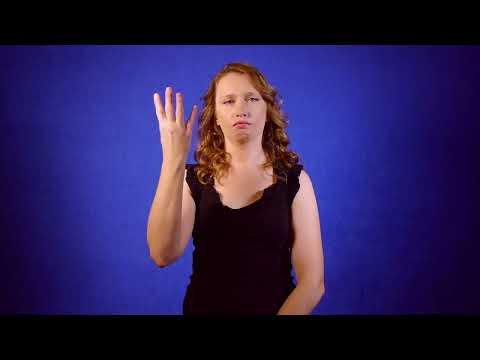
Sign for FOURTH OF JULY in ASL | ASL Dictionary

Definition: The US Independence Day.

Sign for FOURTH OF JULY in ASL

YouTube player

Practice Activities:

Practice the sign for FOURTH OF JULY in ASL by starting with isolated repetitions. Sign the number four, followed by the sign for “of” (typically not shown in ASL but understood in context), and then sign “July” by fingerspelling J-U-L-Y. Look in the mirror and practice the movement while maintaining clear handshapes and facial expressions.

Use the sign for FOURTH OF JULY in ASL in short and simple sentences. Examples include “I LOVE FOURTH OF JULY” or “FOURTH OF JULY, FIREWORKS BEAUTIFUL.” This helps build fluency and encourages use of the sign in natural conversations. Record yourself and watch for clarity and expression.

Create a pretend scenario, such as describing plans for a holiday weekend. Use signs related to picnic, family, BBQ, fireworks, and parade. Say something like “FOURTH OF JULY, MY FAMILY EAT BBQ, WATCH FIREWORKS.” This storytelling practice helps you associate related vocabulary with the sign for FOURTH OF JULY in ASL.

Partner up and quiz each other with flashcards. One person signs a phrase like “What happen FOURTH OF JULY?” and the other answers in ASL using signs like CELEBRATE, FAMILY, or PICNIC. This two-way communication builds confidence and reinforces understanding in real-time interaction.

Draw a picture that represents your typical celebration and label it with signs. Then, describe your drawing in ASL to a friend or classmate. Using visual and expressive tools this way deepens memory of themed vocabulary including the sign for FOURTH OF JULY in ASL.

Watch videos of ASL users describing national holidays. Pause and copy their signing, especially how they express celebration and tradition. Try to match not only the hand movements but also the expressive tone. Keep practicing until signing feels smooth and natural ✨

Cultural Context:

The sign for FOURTH OF JULY in ASL is deeply connected to American culture and history. This national holiday marks the United States’ independence and is celebrated with fireworks, parades, family gatherings, and community events across the country. Understanding the sign for FOURTH OF JULY in ASL helps connect Deaf and hearing communities during these widespread celebrations.

Deaf culture places great value on inclusivity and access to information. Using the sign for FOURTH OF JULY in ASL ensures that Deaf individuals can fully participate in conversations about this significant holiday. Whether it’s during a classroom lesson, a patriotic performance, or a community picnic, knowing this sign supports equality and expression for all.

Events around the Fourth often include speeches, songs, and presentations about American independence. When these are interpreted into ASL, the sign for FOURTH OF JULY in ASL becomes essential. It helps convey the meaning and pride associated with the holiday, promoting cultural awareness and accessibility.

Many schools and educational programs teach the sign for FOURTH OF JULY in ASL in July or during units on American history. This offers both Deaf and hearing students the opportunity to understand and share the cultural importance of the day. Including signs tied to historical events helps people of all ages appreciate the diversity of American identity.

In Deaf events around Independence Day, you will likely see the sign for FOURTH OF JULY in ASL used in group conversations, presentations, and storytelling. These gatherings often emphasize community strength and Deaf pride, aligning with the broader national pride celebrated on this date .

Having widespread understanding of the sign for FOURTH OF JULY in ASL also supports inclusion during national broadcasts and public events. Interpreters at concerts and civic ceremonies use this sign to make the holiday spirit accessible to everyone. As more events become ASL-inclusive, proper use of the sign helps affirm the linguistic rights of the Deaf community.

For children growing up with ASL as their first language, learning the sign for FOURTH OF JULY in ASL introduces them to national symbols and traditions. It forms part of their cultural literacy and helps them identify with the larger American narrative. Teaching this sign can also be integrated into arts and crafts or storytelling about Independence Day throughout July.

Celebrating the Fourth of July often includes decorating with red, white, and blue, attending firework shows, and enjoying barbecues with friends. Using the sign for FOURTH OF JULY in ASL adds a meaningful layer of communication during these

Extended Definition:

The sign for fourth of july in ASL captures the celebration of American Independence Day through visual language. American Sign Language uses a combination of number and concept signs to express ideas, and this holiday is no exception. To sign it, you typically begin by forming the number four with your dominant hand, followed by a sign for independence or celebration.

The number four is presented with an open hand, palm facing out, and fingers representing the number prominently. After signing “four,” the signer then transitions into expressing the wider meaning of the fourth of july in ASL. Depending on the conversation, the person might follow with the sign for “July” by fingerspelling J-U-L-Y, or combine it with the sign for “America” by interlacing fingers in a circular motion to represent unity.

In some regional dialects or informal settings, people might simplify the sign for fourth of july in ASL by blending the number and the month into one fluid expression. It’s important for context to be considered since “fourth” can refer to a date in the month or to a sequence. When discussing holidays, the sign typically leans toward the patriotic and celebratory interpretation.

This holiday is often associated with family gatherings, fireworks, parades, and wearing red, white, and blue. The sign for fourth of july in ASL can also be expanded upon by using supporting signs like “fireworks,” “barbecue,” “family,” or “freedom.” These give further context in conversation and help deaf signers communicate their plans or experiences around the day.

When interpreting for public events on the fourth of july, ASL interpreters often incorporate the sign for the United States or freedom to emphasize the historical significance. The idea of independence and national pride is key to signing it clearly and effectively. Cultural nuances are also important, especially when conveying enthusiasm or historical context in educational settings.

Since many Americans celebrate the fourth of july with expressive and visual activities, the sign for fourth of july in ASL fits naturally into conversations about the holiday. Social media videos and classroom lessons often include this sign to teach both deaf and hearing people about the language. Teachers and parents can make learning more interactive by using visuals and motion that reflect how ASL conveys seasonal and national events.

Deaf culture values the importance of visual storytelling, especially around traditions like the fourth of july. Using ASL in celebrations makes the event more inclusive for the deaf community. Whether it’s signing at a public event or posting greetings on social

Synonyms: Independence Day, July 4th, 4th of July, US Independence Day, America’s Birthday

Educational resources: Find related learning materials in our course bank!

Want more? Check out some of our popular learning activities on the homepage!

Need to look up a sign? Use our highly rated dictionary: https://aslinteractive.com/best-asl-dictionary/

Follow us on tiktok: https://www.tiktok.com/@aslinteractive. More social media links at the bottom of this page!

Long-tail Keywords: What is the sign for Fourth of July in ASL, How do you sign Fourth of July in ASL, Fourth of July ASL sign meaning

Categories:

tags: Fourth of July in American Sign Language, ASL Independence Day signs, learn Fourth of July in ASL, holiday signs in ASL, patriotic ASL vocabulary

Parameters

*Handshape*:

The handshape for the Sign for FOURTH OF JULY in ASL begins with the number “4” handshape, where the palm faces forward and all four fingers are extended upward with the thumb tucked in. This handshape represents the “fourth” in the date.

Next, the sign transitions to a common gesture for “Independence Day” or “America,” which typically uses both hands in “S” handshapes. The hands cross at the wrists and then move apart to symbolize separation or independence, aligning with the meaning of the Sign for FOURTH OF JULY in ASL .

*Palm Orientation*:

For the sign for FOURTH OF JULY in ASL, the palm orientation starts with the number 4 handshape, palm facing out away from the signer. This is typically followed by the sign for “independence” or “America,” depending on the context.

In the independence variation of the sign for FOURTH OF JULY in ASL, both hands are in the “I” handshape, palms facing inward, and then rotate away from each other. This motion symbolizes separation and freedom .

*Location*:

The sign for FOURTH OF JULY in ASL typically begins at the dominant side of the body. For the number “fourth,” the hand is held near the chest or slightly outward, switching from a number three to four. The hand then transitions to emphasize the celebration aspect of the holiday.

The second part of the sign for FOURTH OF JULY in ASL can include the sign for “America” or “independence,” which is made near the chest area. Both hands are used and remain centered or slightly in front of the torso, emphasizing unity or the concept of freedom .

*Movement*:

The sign for FOURTH OF JULY in ASL begins by fingerspelling the word “FOURTH,” using the handshape for the number 4 and then transitioning to the letters F-O-U-R-T-H. Next, sign “JULY” by fingerspelling J-U-L-Y. After the fingerspelling, a common cultural variation includes mimicking a fireworks burst by opening both hands upward in the air like an exploding firework .

Each part of the sign for FOURTH OF JULY in ASL is sequential, with fingerspelling leading into a celebratory gesture. This combination helps convey both the date and the celebratory theme of American Independence Day.

*Non-Manual Signals*:

When performing the sign for FOURTH OF JULY in ASL, use a bright facial expression to convey excitement or celebration . Widen your eyes slightly and raise your eyebrows to show enthusiasm, as this sign often reflects patriotic pride and festivity.

A light smile or an expression of joy helps reinforce the meaning behind the sign for FOURTH OF JULY in ASL. You might also nod subtly for emphasis, depending on the context in which the holiday is discussed.

*Prosody, Dominant/Non-Dominant Hand*:

To express the sign for FOURTH OF JULY in ASL, both hands are typically used. The dominant hand fingerspells the word “FOURTH” using clear, deliberate movements, followed by the non-dominant hand becoming a base for the dominant hand to fingerspell “JULY.” This is a common way to sign dates or holidays using fingerspelling.

The sign for FOURTH OF JULY in ASL relies on precision and clarity, especially because it involves fingerspelling both words. Prosody is shown by slightly pausing between “FOURTH” and “JULY,” emphasizing that it is a specific American holiday. Keep hand positioning at chest level for visibility.

Tips for Beginners:

When learning the sign for FOURTH OF JULY in ASL, it’s important to break it down into two parts: the number “4” and the concept of “July” or “Independence Day.” Usually, this involves fingerspelling “J-U-L-Y” followed by signing “4” or integrating a sign that represents U.S. Independence Day, such as a celebratory or patriotic sign. Begin by getting comfortable with fingerspelling the word “JULY” clearly and at a moderate pace. Don’t rush through it—clarity matters more than speed, especially for fingerspelled months.

To master the sign for FOURTH OF JULY in ASL, spend time practicing finger positioning for the “4” handshape and maintain consistent hand orientation. When fingerspelling, make sure each letter is distinct. A common error is blending letters together or not completing a full movement for each letter. Record yourself and compare with ASL dictionaries or video models to refine your clarity and fluidity. This habit will help you identify weak spots in your signing technique.

Use both facial expressions and body language when signing events like the sign for FOURTH OF JULY in ASL. Cultural context adds to the sign’s meaning. A joyful or celebratory facial tone fits the holiday well, so don’t be afraid to show a little enthusiasm! Visual grammar is just as crucial in ASL as hand motions.

Practice in context by using the sign for FOURTH OF JULY in ASL during conversations about holidays, celebrations, or American culture. This helps commit it to memory better than isolated drills. Participating in group sign practice, meet-ups, or watching ASL holiday-themed content can reinforce usage and build confidence. With consistent effort and awareness of fingerspelling and body language, you’ll be able to communicate this concept clearly and naturally.

Connections to Other topics:

The sign for FOURTH OF JULY in ASL connects closely with several thematic and cultural topics such as holidays, patriotism, and American history. Understanding this sign also builds bridges to holidays like MEMORIAL DAY, VETERANS DAY, and INDEPENDENCE, which share symbolism around national pride and freedom. These contexts often include signs for FAMILY, CELEBRATE, and FIREWORKS, creating natural groupings of signs commonly used during discussions about American holidays.

Learners frequently encounter the sign for FOURTH OF JULY in ASL as either a fingerspelled variation or a compound phrase incorporating the sign for FOUR (number), followed by a culturally contextual sign for JULY or AMERICA combined with CELEBRATE or INDEPENDENCE. This structure demonstrates how compound or phrase-based signs convey more nuanced meaning than isolated concepts. It parallels other compound holiday signs, such as NEW-YEAR and VALENTINE’S-DAY, reinforcing the broader linguistic pattern of combining date or symbol vocabulary with emotion or activity signs.

FIREWORKS, BBQ, and PARADE are all commonly used in conversation around the sign for FOURTH OF JULY in ASL and offer rich opportunities to expand vocabulary within the same cultural frame. These concepts support deeper conversation and story-building in ASL about summer activities, traditions, and holiday gatherings. Additionally, incorporating expressions like PROUD, HISTORY, or FREEDOM strengthens emotional and narrative depth when signing about this holiday.

This sign also opens paths to exploring regional variations in signs for cities, states, and events associated with the American Revolution. It connects well with lessons on U.S. GOVERNMENT, COUNTRY, and LIBERTY, which are essential for more advanced ASL learners looking to describe historical events accurately. Mastery of the sign for FOURTH OF JULY in ASL often leads to improved fluency when discussing broader patriotic or seasonal topics in culturally appropriate ways .

Summary:

The sign for FOURTH OF JULY in ASL is often expressed as a combination of numerical representation and a culturally loaded concept. It typically involves signing the number FOUR, a brief transition using the sign for OF, and then a cultural or festive interpretation of JULY. This can also vary depending on the region or personal preference, and sometimes it’s replaced completely with a culturally significant sign like INDEPENDENCE DAY.

Many fluent signers instead choose to express the idea behind the holiday rather than a direct translation. This more idiomatic version prioritizes the deeper meaning associated with America’s independence. Instead of simply signing the literal words, they might use signs like CELEBRATE, AMERICAN, and INDEPENDENCE in sequence.

The sign for FOUR is made by holding the palm outward with the index, middle, ring, and pinky fingers extended and the thumb held in. It’s a clear, numerical representation that introduces the date in the phrase. This numerical component helps ground the holiday in a temporal context.

OF is not typically signed as a separate lexical item in ASL. Instead, its semantic function is often embedded or inferred within the structure of the sentence. In this phrase, it is usually understood without requiring an explicit sign.

JULY can either be fingerspelled or excluded depending on whether the signer uses the conceptual substitution of INDEPENDENCE. If fingerspelled, JULY is produced with quick, fluid motions to maintain conversational flow. Some signers omit the month and go straight to the concept it represents.

In versions that use the sign for INDEPENDENCE DAY, there’s often a movement that mimics two fists pulling apart, suggesting the idea of liberation. This sign communicates both the historical and emotional weight of the event. When paired with other signs like CELEBRATE or FIREWORKS, it paints a full picture of the holiday.

The cultural significance embedded in the sign for FOURTH OF JULY in ASL cannot be overstated. It’s more than just a calendar date; it carries connotations of freedom, history, and community. These connotations are often conveyed non-manually through facial expressions and body language.

Grammar in ASL allows flexibility in how this holiday is represented, especially given its rich thematic background. Signers can adjust the order — for example, signing INDEPENDENCE DAY first, followed by CELEBRATE. This syntactical freedom allows for a deeper expression of meaning beyond linearity.

In conversations, signers often use classifiers or depictive signs to enhance depictions of the holiday. For instance, signs for FIREWORKS or BARBECUE might follow the sign for FOURTH OF JULY in ASL. This helps create an immersive, narrative-based communication style often seen in ASL storytelling.

Regional variation does play a role in how the sign for FOURTH OF JULY in ASL is produced. Some communities favor the literal composition, while others prefer conceptual translations. Exposure and familiarity with Deaf culture also influence these preferences.

From a linguistic standpoint, this variation between literal and conceptual translation illustrates the dynamic relationship between lexical choice and cultural resonance. The sign for FOURTH OF JULY in ASL shows how ASL incorporates both the surface meaning and the implied values of a concept. This displays the language’s capacity for high-context communication.

Morphologically, combining the number FOUR with the function of OF and the word JULY—or its conceptual counterpart—demonstrates the economy of movement in ASL. It also highlights the crucial interplay between form and meaning. ASL prefers relevant content over word-for-word translation.

Syntax in ASL often prioritizes topicalization. Therefore, in discussing the sign for FOURTH OF JULY in ASL, one might emphasize the act of CELEBRATION or PATRIOTISM as a top-level concept. This helps focus the narrative direction and links it to community values.

Pragmatically, the choice of which sign structure to use depends highly on context. When speaking in formal educational settings, a more literal composition might be used. In contrast, in casual storytelling or vlogging, the conceptual INDEPENDENCE + CELEBRATE mix might dominate.

Grammatical elements like nonmanual markers are pivotal in setting the tone. Signers might smile broadly or exaggerate facial movement to convey the joy “celebrated” on the fourth. Such artistic embodiment reinforces the emotive aspect of the sign for FOURTH OF JULY in ASL.

Applied linguistics helps analyze how language learners grasp the deeper meaning behind such compound signs. Students learning ASL must learn not just how to replicate the form, but also internalize the holiday’s cultural essence. Teachers emphasize both lexical development and cultural context.

The sign for FOURTH OF JULY in ASL represents an intersection where language, culture, and history blend. It encapsulates more than phonology or morphology; it is a symbol situated within collective memory. Each variation reflects unique community experiences and historical understandings.

Language planning and preservation efforts within Deaf communities

Want more? Check out some of our popular learning activities!

ASL Interactive Resources

ASLInteractive YouTube Channel

Follow us on tiktok: @aslinteractive.com

Follow us on Instagram: aslinteractive

Facebook page: aslinteractive

Facebook group: aslinteractive

LInkedIn: ASL Interactive LLC

Twitter: @ASL_interactive

*Some information on this page is AI-generated. AI can make mistakes. Please check the information.


Responses