Practice Activities
To build fluency with the sign for SURGERY 2 in ASL, start by practicing in front of a mirror. This helps you check your handshape, movement, and facial expressions. Watch how your non-dominant hand interacts with your dominant hand and ensure the motion is clear and deliberate. Recording yourself is another helpful tool. Sign a phrase like “I need surgery” or “He had surgery last year” using the sign for SURGERY 2 in ASL. Play the video back and compare your signing to trusted ASL video dictionaries or native signers. Practice signing in context by creating short dialogues. For example, role-play a conversation between a doctor and patient, or a friend explaining a past medical procedure. Using the sign for SURGERY 2 in ASL in real-life scenarios helps reinforce understanding. Advanced learners can try speed drills. Repeat the sign in rapid succession while maintaining clarity. Add it into longer medical-related phrases like “knee surgery,” “heart surgery,” or “plastic surgery” to build vocabulary networks. You can also quiz yourself by mixing the sign for SURGERY 2 in ASL with similar signs like operation, hospital, or doctor. This helps sharpen differentiation between signs that may look or feel similar.
SEO Cultural Context
The sign for SURGERY 2 in ASL reflects the visual and spatial nature of sign language, where concepts are often represented metaphorically. This version of the sign references surgical action through a cutting motion, typically involving a dominant hand mimicking a slicing gesture along the forearm or hand. In Deaf culture, medical terminology carries significant weight. Historically, many Deaf individuals experienced medical professionals who lacked cultural competence, so discussing procedures like surgery often comes with emotional context. Using the correct sign for SURGERY 2 in ASL shows respect for the Deaf community’s healthcare experiences. Regional variation may influence how the sign is produced. In some areas, the non-dominant hand might be placed differently, or the cutting motion may vary in length or direction. Always observe how native signers in your local Deaf community use the sign for SURGERY 2 in ASL to stay culturally and linguistically appropriate. This sign is used in a range of real-life settings, from hospital visits and medical interpreting to classroom discussions about the human body. Whether you’re a healthcare professional, interpreter, or student, understanding the sign for SURGERY 2 in ASL deepens your ability to communicate about health-related topics respectfully.
Extended Definition
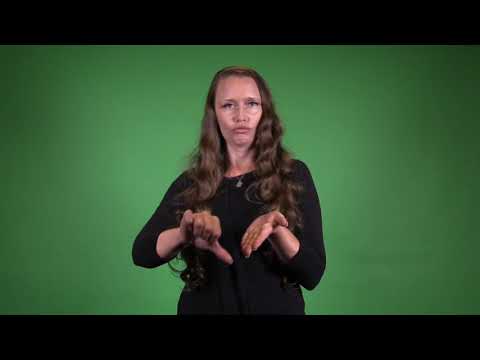
The sign for SURGERY 2 in ASL generally involves the dominant hand in a modified X or bent V handshape making a slicing motion along the non-dominant hand, which remains stationary. This visually represents a surgical incision or procedure. The movement and facial expression should be precise to convey the seriousness of the topic. This version of the sign differs slightly from other signs for surgery or operation. Some versions may use a tapping motion instead of cutting, so it’s important to be consistent with the version used in your community or class. The sign for SURGERY 2 in ASL emphasizes action and is often paired with directional signs or classifiers to specify body parts. Common errors include using the wrong handshape or placing the motion too high or too low on the non-dominant arm. Another mistake is performing the sign too quickly or without the proper facial expression, which can make it unclear or change its meaning. The sign for SURGERY 2 in ASL is often confused with similar signs like pain, injection, or operation. To avoid confusion, always pair the sign with contextual clues or a full sentence. Knowing surgical vocabulary and its visual differences strengthens your ability to use the sign accurately.
Tips for Beginners3>
If you’re new to learning the sign for SURGERY 2 in ASL, don’t worry—it takes time and practice. Start by watching native signers demonstrate the sign. Observe their handshape, movement, and facial expression. One common beginner mistake is using an incorrect handshape. Make sure your dominant hand forms the right shape and that your motion is deliberate. Practicing slowly at first helps build muscle memory and confidence. Another tip is to use the sign in simple sentences. Instead of just signing “surgery,” try “My mom had surgery” or “The doctor performed surgery.” Using the sign for SURGERY 2 in ASL in full thoughts helps reinforce retention and fluency. Don’t be afraid to ask for feedback. If you have access to a Deaf mentor or ASL teacher, ask them to watch and correct your sign. Feedback is essential for mastering signs with subtle movements like the sign for SURGERY 2 in ASL. Finally, be patient with yourself. ASL is a visual and expressive language, and accuracy develops over time. Consistent practice and exposure to authentic signing will help you master this sign and many others.
Connections to Other Topics
The sign for SURGERY 2 in ASL connects naturally to the sign for HOSPITAL. These two signs often appear together when discussing medical visits or procedures. Knowing both signs allows you to express full ideas like “She stayed in the hospital after her surgery.” Another related sign is DOCTOR. The sign for DOCTOR is often used in combination with SURGERY 2 to describe who performed the procedure. Learning how to sign “The doctor did surgery” or “The surgeon was skilled” helps build fluency in medical contexts. PAIN is another concept frequently linked to the sign for SURGERY 2 in ASL. Whether describing pain before or after surgery, being able to express discomfort accurately adds depth to your conversations. You may also encounter the sign for OPERATION, which is sometimes used interchangeably with SURGERY but may differ depending on region and context. Being aware of these nuances helps you choose the most appropriate sign. Finally, BODY PARTS vocabulary is essential when using the sign for SURGERY 2 in ASL. The surgery sign often works with classifiers to show where the surgery occurred. For instance, you might sign “leg surgery” or “heart surgery” by indicating the body part before the surgery sign.
Lengthy Summary
Mastering the sign for SURGERY 2 in ASL opens a window into a rich vocabulary set essential for discussing medical topics in ASL. Through focused practice—whether using mirrors, recording, or contextual drills—you can develop clarity and confidence in using this sign. Repeating the sign within full sentences and realistic scenarios reinforces your learning and prepares you for real-world communication. Understanding the cultural background of the sign is equally important. The sign for SURGERY 2 in ASL is more than a motion—it symbolizes a concept tied deeply to medical care in the Deaf community. Awareness of regional variations and respectful use shows your commitment to cultural competence. By diving deep into the
Extended Definition
, you learn how the sign is formed, its relationship to other signs, and how to avoid common errors. This precision matters, especially in medical or interpreting settings where clarity can impact understanding. For beginners, don’t be discouraged. The sign for SURGERY 2 in ASL may seem complex at first, but with consistent effort and guidance, you’ll improve steadily. Focus on correct handshape, movement, and facial expression, and use real-life examples to make your practice meaningful. As you explore related signs like HOSPITAL, DOCTOR, PAIN, OPERATION, and BODY PARTS, you’ll find that your vocabulary expands naturally. These connections help you form complete thoughts and engage in more complex conversations about health and care. Ultimately, learning the sign for SURGERY 2 in ASL is a step toward becoming a more fluent and culturally aware signer. Keep practicing, stay curious, and never stop engaging with authentic ASL. The more you immerse yourself, the more confident and capable you’ll become . Synonyms: surgical procedure, operative procedure, operation, surgical treatment, surgical op Educational resources: Find related learning materials in our course bank! Want more? Check out some of our popular learning activities on the homepage! Need to look up a sign? Use our highly rated dictionary: https://aslinteractive.com/best-asl-dictionary/ Follow us on tiktok: https://www.tiktok.com/@aslinteractive. More social media links at the bottom of this page! Long-tail Keywords: what is the sign for surgery in ASL, how do you sign surgery in American Sign Language, ASL sign for surgery Categories: tags: medical procedures, ASL medical terms, health-related signs, surgery vocabulary in ASL, healthcare terminology in ASL
Want more? Check out some of our popular learning activities!
ASL Interactive Resources
ASLInteractive YouTube Channel
Follow us on tiktok: @aslinteractive.com
Follow us on Instagram: aslinteractive
Facebook page: aslinteractive
Facebook group: aslinteractive
LInkedIn: ASL Interactive LLC
Twitter: @ASL_interactive
*Some information on this page is AI-generated. AI can make mistakes. Please check the information.
Responses