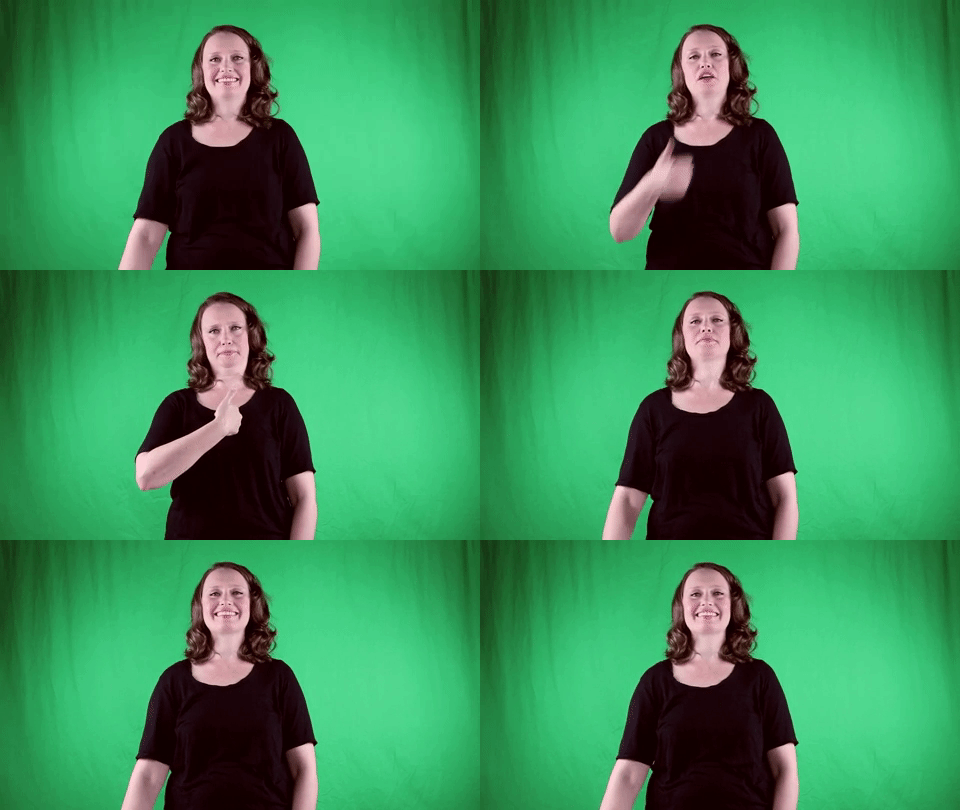
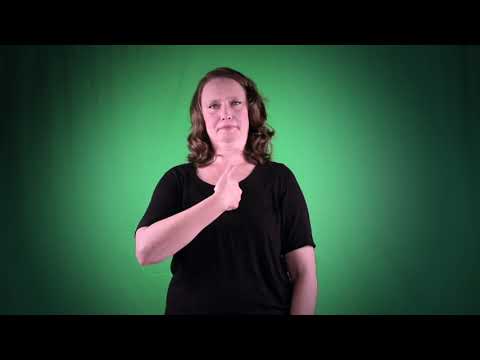
Definition: Referring to the speaker.
Sign for MYSELF in ASL
Practice Activities
Practicing the sign for MYSELF in ASL is essential for building fluency, especially since this sign is commonly used in personal narratives and everyday conversation. One of the most effective ways to begin is through mirror work. Standing in front of a mirror allows you to watch yourself and ensure that your handshape, palm orientation, and movement are accurate.
Record yourself signing short phrases that include the sign for MYSELF in ASL. Playback helps you self-evaluate and track improvement over time. Try using sentences like “I cooked dinner myself” or “I did the homework myself” to incorporate the sign naturally within real-life contexts.
Another excellent strategy is to use the sign in daily conversations or during storytelling practice. It’s especially helpful to sign in front of a fluent signer or tutor who can give feedback. For advanced learners, drill sessions can help reinforce muscle memory. These might include alternating between signs like MYSELF, YOURSELF, and HIMSELF in rapid succession to strengthen clarity and speed.
Role-playing scenarios are also valuable. Pretend to tell someone about a task you completed independently, such as “I fixed the car myself.” This approach reinforces vocabulary and grammar while helping you use the sign for MYSELF in ASL in practical, expressive ways.
SEO Cultural Context
The sign for MYSELF in ASL plays an important role in expressing identity, autonomy, and emphasis within the Deaf community. In Deaf culture, self-representation and clear communication are essential values. Using MYSELF appropriately shows that you understand how to clarify subject and object in a sentence, a key part of ASL grammar.
This sign often appears in contexts where someone wants to highlight that an action was done independently or without help. For example, saying “I made it myself” isn’t just a factual statement—it can also be a source of pride or emphasis. The cultural nuance here is that self-reliance is often respected and acknowledged in storytelling and conversation.
Regional variation in the sign for MYSELF in ASL is minimal, although some signers may use slightly different facial expressions to convey emphasis. Facial grammar remains an important cultural component, especially in conveying the intensity of doing something alone or without assistance.
You’ll notice that in Deaf storytelling, the sign for MYSELF is often exaggerated or repeated slightly with specific facial expressions to stress determination or individuality. Understanding these cultural layers enriches your ability to not only sign correctly but communicate respectfully and effectively in ASL.
Extended Definition
The sign for MYSELF in ASL uses the “A” handshape, where your fingers are curled into a fist with the thumb resting along the side. This handshape is placed on the center of your chest, typically with a gentle double tap. The movement is small but deliberate, emphasizing the person doing the action.
This sign functions as an emphatic reflexive pronoun. It is not the same as the sign for ME or I, which uses the index finger pointing to the chest. The difference is subtle but meaningful—using MYSELF adds emphasis that the subject personally took action. In sentences like “I did it myself,” the sign clarifies that no one else was involved.
A common mistake is using the wrong handshape—such as an open hand or index finger—which can confuse the meaning. Some learners also misplace the sign spatially, tapping too low or too high on the body. The correct placement is the upper chest area.
There are related signs including YOURSELF, HIMSELF, HERSELF, and OURSELVES that follow the same structure but are modified by directionality. Mastering the sign for MYSELF in ASL provides a strong foundation for understanding these related signs and their grammatical roles.
Tips for Beginners
If you’re just starting to learn the sign for MYSELF in ASL, don’t be discouraged by small mistakes. Focus on the “A” handshape and its correct placement on the chest. Take your time to isolate this sign before combining it with full sentences.
One helpful tip is to practice slowly in front of a mirror, paying attention to your handshape and facial expressions. Beginners often forget to include the slight tap motion or exaggerate it too much. A smooth, confident tap is key to making the sign look natural.
Another common beginner error is confusing MYSELF with the sign for ME or I. Remember, the index finger points to the chest for “I,” while MYSELF uses the “A” handshape. Practicing the two side by side can help reinforce this difference.
Starting with simple sentences like “I made lunch myself” or “I cleaned the room myself” can help you see the sign in action. Over time, you’ll build the confidence and muscle memory needed to use the sign for MYSELF in ASL fluidly in conversation.
Connections to Other Topics
The sign for MYSELF in ASL is closely related to several other reflexive pronouns. Signs like YOURSELF, HIMSELF, and OURSELVES all use the same basic handshape and tap motion but are directed toward different people or spaces in the signing area.
Understanding the grammar structure of ASL helps you know when to use MYSELF instead of ME. In English, this difference may seem subtle, but in ASL, it’s visually and grammatically distinct. Learning this sign can deepen your understanding of ASL sentence structure and pronoun usage.
This sign also ties into themes of personal responsibility and independence. It’s often used in storytelling, especially when describing tasks completed without help. In narratives, MYSELF can add drama, emphasis, or pride.
In addition, the sign for MYSELF in ASL connects to emotional vocabulary. It often appears alongside signs for PROUD, STRONG, or ACCOMPLISH when someone is sharing a personal achievement. This makes it a great sign to learn in the context of storytelling or self-expression.
You’ll also find that this sign is useful in educational and professional settings. Phrases like “I did the project myself” or “I solved the problem myself” are practical examples where this sign adds clarity and emphasis.
Lengthy Summary
Mastering the sign for MYSELF in ASL opens the door to clearer, more expressive communication. It allows you to emphasize independence and personal effort, a concept deeply valued both in language and in Deaf culture. The sign’s use of the “A” handshape with a chest tap is distinct from other pronouns and carries a specific grammatical function that can’t be overlooked.
By practicing with mirrors, recordings, and real-life conversations, you’ll gain confidence and fluency. Understanding the cultural context behind the sign enriches your learning, showing that MYSELF isn’t just a word—it’s a reflection of autonomy, pride, and identity. Learning this sign also introduces you to a family of related signs and grammatical structures that are essential for intermediate and advanced ASL learners.
Beginners should take time to focus on the correct handshape and movement, avoiding common mistakes like confusing MYSELF with ME. With consistent practice and a growing awareness of ASL grammar, you’ll become more comfortable using the sign naturally in conversations.
The sign for MYSELF in ASL is more than just vocabulary—it’s a tool for storytelling, a marker of independence, and a bridge to deeper cultural understanding. As you continue your ASL journey, revisit this sign often in different contexts. Try using it in daily storytelling, class discussions, or video posts.
Challenge yourself today: create a short story or video vlog using the sign for MYSELF in ASL at least five times. The more you engage with it, the more fluent and confident you’ll become. Keep signing and keep learning .
Synonyms: myself, me, personally, I, self
Educational resources: Find related learning materials in our course bank!
Want more? Check out some of our popular learning activities on the homepage!
Need to look up a sign? Use our highly rated dictionary: https://aslinteractive.com/best-asl-dictionary/
Follow us on tiktok: https://www.tiktok.com/@aslinteractive. More social media links at the bottom of this page!
Long-tail Keywords: what is the sign for myself in ASL, how do you sign myself in ASL, ASL sign for myself
Categories:
tags: myself in american sign language, reflexive pronouns in asl, asl personal pronouns, asl self-concept signs, beginner asl vocabulary
Want more? Check out some of our popular learning activities!
ASL Interactive Resources
ASLInteractive YouTube Channel
Follow us on tiktok: @aslinteractive.com
Follow us on Instagram: aslinteractive
Facebook page: aslinteractive
Facebook group: aslinteractive
LInkedIn: ASL Interactive LLC
Twitter: @ASL_interactive
*Some information on this page is AI-generated. AI can make mistakes. Please check the information.


Responses