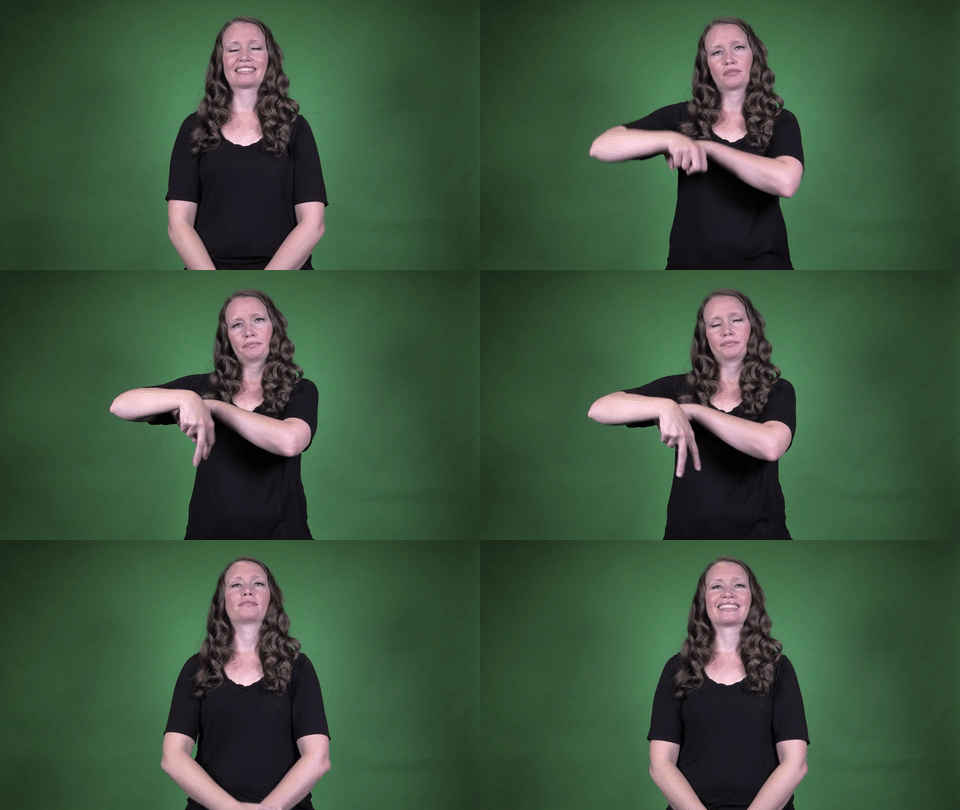
Definition: The time at twelve o’clock in the morning.
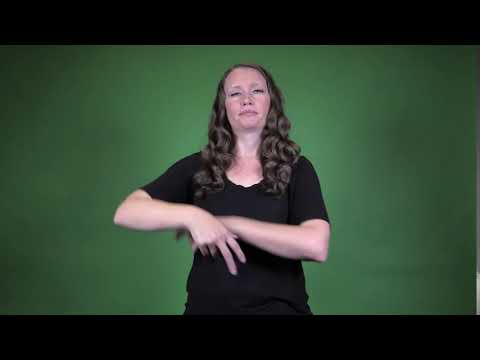
Sign for 12 AM in ASL

Practice Activities:
Begin by practicing the sign for 12 AM in ASL in isolation in front of a mirror, repeating the sign clearly and confidently. Practice this consistently, keeping your movements smooth and precise. Pay attention to your facial expressions and posture, as these are essential elements of clarity in ASL.
Next, incorporate the sign for 12 AM in ASL into sentences. For instance, create simple phrases like: I usually sleep by 12 AM, or The show starts at 12 AM tonight. Repeating sentences aloud along with signing helps reinforce vocabulary and sentence structure.
To enhance your comfort with practical uses, try storytelling practice. Create short stories or scenarios where you describe your activities or experiences happening around this time, making sure to include the sign for 12 AM in ASL. For example, you might share about watching fireworks at 12 AM on New Year’s Eve or needing medication at exactly 12 AM during an overnight illness.
Engaging in partner activities also improves your sign comprehension and distribution. Pair up with someone who knows ASL or is also learning. Ask them questions like: What do you usually do at 12 AM? and vice versa. Give feedback to one another on accuracy and fluidity when signing the sign for 12 AM in ASL.
Additionally, watch ASL videos or clips online that reference times and specifically use the sign for 12 AM in ASL. Observe how fluent signers incorporate the sign naturally in context. Copy their rhythm and gestures to refine your understanding and execution.
Finally, challenge yourself further by organizing an ASL-only game or activity, with multiple times mentioned—including the sign for 12 AM in ASL. The more you integrate this sign into your natural communication scenarios, the more intuitive it will become to use appropriately and effectively in real-life interactions.
Cultural Context:
The sign for 12 AM in ASL represents more than just midnight; it symbolizes a cultural recognition of time within the Deaf community. Midnight, indicated by the sign for 12 AM in ASL, marks the transition from one day to another and signifies a fresh start.
In Deaf culture, clear and precise signs for times like the sign for 12 AM in ASL are essential for daily routines and events. Events within Deaf communities typically align precisely with stated schedules, making exact signs like this particularly important. ️
The sign for 12 AM in ASL involves holding the dominant hand in a fist position, tapping or shaking it slightly to represent the clock at this exact midnight hour. This motion clearly distinguishes the sign for 12 AM in ASL from other times of the day, emphasizing its unique significance at night.
Storytelling traditions within Deaf culture frequently incorporate exact time references, including specific signs such as the sign for 12 AM in ASL. Stories related around midnight often convey suspense or anticipation, highlighting the cultural versatility of this critical sign.
Educationally, the sign for 12 AM in ASL is among the earliest taught when learning to express time clearly. Teachers in Deaf education emphasize signs for midnight or noon to ensure learners can communicate schedules accurately.
The clarity provided by the sign for 12 AM in ASL contributes greatly to accessibility. Accessibility is fundamental to Deaf culture, and concise, universally recognized signs prevent miscommunication, particularly when coordination across individuals is required at precise times. ✅
For Deaf social interactions, clarity in the sign for 12 AM in ASL aids in mutual understanding, especially in settings like gatherings, sports, or other community events. This clear communication encourages smoother coordination and helps gatherings run efficiently.
Online ASL learning platforms consistently include tutorials on the sign for 12 AM in ASL, highlighting its practical importance within everyday conversations. With the growth of digital communication, online clarity in conveying exact times through reliable ASL vocabularies is increasingly in demand.
When using video calls, the sign for 12 AM in ASL is essential to clearly communicate sessions or meetings that might take place across different time zones. Deaf communities leverage this clarity to maintain strong social or educational connections regardless of location.
Being proficient in clear, culturally appropriate signs like the sign for 12 AM in ASL shows respect and understanding toward Deaf community norms. It demonstrates effective communication, a treasured aspect prevalent throughout Deaf
Extended Definition:
Knowing the sign for 12 AM in ASL is important for clear communication about time. Midnight marks the start of a new day, and accurately signing this time can help avoid confusion in conversations.
The sign for 12 AM in ASL uses a combined approach, clearly showing the numbers 1 and 2 followed by the abbreviation AM. When making this sign, hold your dominant hand upward in front of your body and clearly show the numbers 1 and 2 smoothly together. Finish the sign by fingerspelling A-M.
When discussing schedules or setting plans in American Sign Language, accuracy matters. Using the correct sign for 12 AM in ASL helps others clearly understand whether you’re referring to midnight or noon. These clarity distinctions are vital, especially when scheduling appointments or events.
ASL users rely heavily on clear and direct communication. Mastering the sign for 12 AM in ASL is simple yet important, providing you with another tool for effective communication. Whether you’re a beginner or more advanced, learning time-related signs can build your confidence in conversations.
The sign for 12 AM in ASL is commonly used when talking about deadlines, daily routines, or nighttime activities. Accurately showing this sign clearly communicates your intended message, avoiding misunderstandings about schedules or plans. Practice regularly to build fluent signing skills.
Furthermore, learning the sign for 12 AM in ASL deepens your understanding of Deaf culture and communities. Time-based signs, including midnight, are essential elements within ASL communication. Knowing these terms helps foster inclusion and accessibility, making interactions smoother and more comfortable.
If you’re trying to learn American Sign Language, focusing on clear communication around times and schedules is beneficial. Practicing signs like the sign for 12 AM in ASL allows you to confidently incorporate time into your everyday signed conversations. You’ll notice improvement in your communication skills quickly.
Using the sign for 12 AM in ASL often happens in casual and formal situations alike. Whether you’re setting a personal alarm or confirming a late-night meeting, clearly signing this timestamp helps improve the flow of your conversations.
Considering the convenience and usefulness of the sign for 12 AM in ASL, it’s essential to practice frequently. Repeating the sign helps solidify the gestures, ensuring clarity for your audience. Soon, using the correct sign will feel natural and effortless.
Sharing your knowledge of the sign for 12 AM in ASL with peers enhances group communication, making planning and organizing meetings easier. Encourage others to practice and use accurate signs regularly.
Synonyms: midnight,, 12 midnight, 12 in the morning
Educational resources: Find related learning materials in our course bank!
Want more? Check out some of our popular learning activities on the homepage!
Need to look up a sign? Use our highly rated dictionary: https://aslinteractive.com/best-asl-dictionary/
Follow us on tiktok: https://www.tiktok.com/@aslinteractive. More social media links at the bottom of this page!
Long-tail Keywords: what is the sign for 12:00 AM in ASL, how do you sign 12:00 AM in ASL, learn to sign 12:00 AM in American Sign Language
Categories: Time – Afternoon, Numbers
tags: 12 pm, Time, Numbers, Days of the week, Everyday activities
Parameters
*Handshape*:
The sign for 12 AM in ASL begins with the dominant hand in the number twelve handshape, formed by flicking the index and middle fingers upward while other fingers remain closed. The palm faces outward initially, clearly indicating midnight by using the standard numerical representation of twelve. This precise finger positioning ensures clarity, making the sign for 12 AM in ASL easy to recognize and communicate effectively in conversations. ⌚
*Palm Orientation*:
When forming the sign for 12 AM in ASL, start with the dominant hand in the shape representing the number twelve, palm facing outward. Then smoothly transition into the sign for “night,” turning the palm downward while moving the hand slightly outward and down. The palm orientation is crucial for clearly conveying the correct meaning in the sign for 12 AM in ASL, shifting naturally from outward to downward position.
*Location*:
The sign for 12 AM in ASL is performed directly in front of the body, typically at chest level. The dominant hand forms the number twelve by flicking the index and middle fingers upward, palm facing inwards. Then, the signer smoothly transitions to fingerspelling ‘A’ and ‘M’ in the same position. Consistency in performing the sign for 12 AM in ASL at this comfortable mid-chest zone ensures clear visibility and comprehension. ⏰
*Movement*:
Hold your dominant hand in the ASL number 12 handshape, fingers extended upward while the index and middle fingers repeatedly flick upward twice, clearly indicating the sign for 12 AM in ASL. With your non-dominant arm horizontal across the front of your body to represent the horizon, position your dominant hand slightly overhead to emphasize midnight. Repeating the wrist-flick emphasizes the night hour clearly, accurately depicting the sign for 12 AM in ASL.
*Non-Manual Signals*:
When performing the sign for 12 AM in ASL, eyebrows should raise slightly to emphasize clarity of time. Maintain gentle eye contact with the viewer, signaling that you are specifying midnight rather than noon. The facial expression remains neutral and calm while clearly mouthing midnight to accompany the sign for 12 AM in ASL. Slightly tilt your head forward to indicate emphasis and certainty regarding the specific time mentioned.
*Prosody, Dominant/Non-Dominant Hand*:
Hold your non-dominant arm horizontally in front of your body, palm facing downward. With your dominant hand forming the number “12” (using a repeated flicking motion of the number 2 handshape), gently tap your dominant fingertips against the non-dominant wrist, representing midnight. The sign for 12 AM in ASL clearly conveys the concept of midnight. Maintain a relaxed stance and clear motion when performing the sign for 12 AM in ASL.
Tips for Beginners:
When learning the sign for 12 AM in ASL, keeping clarity in handshape and movement is essential. First, form the number twelve clearly by flicking the index and middle fingers upward twice while keeping your palm facing in toward you. After mastering the number clearly, smoothly combine it with the AM sign, which is typically done by signing MIDNIGHT. The sign for midnight involves forming your dominant hand in the shape of the number twelve and touching your dominant elbow to your non-dominant hand, simulating a clock at midnight.
One common mistake with the sign for 12 AM in ASL is confusing it with similar time references. Remembering the unique elbow and non-dominant hand positioning will greatly reduce such errors. You can practice in front of a mirror or record yourself to ensure you clearly show the time sign and positioning accurately.
Keep your movements clear and concise; exaggerated or unnecessary hand movements can confuse viewers. Beginners often sign numbers too quickly, losing definition and clarity. Slow down and clearly see your fingers flick to correctly show the sign for 12 AM in ASL. Ensure the elbow contact in midnight is distinct, but be gentle—there’s no need to forcefully tap or strike your elbow.
Use helpful memorization techniques such as visualizing a clock striking midnight to anchor the concept more strongly in your mind. Practicing daily with consistent repetition will boost your comfort and confidence with the sign for 12 AM in ASL.
Finally, record yourself regularly or ask feedback from fluent ASL users to improve your accuracy. Consider integrating this new sign into sentences and short stories, improving your ability to use it naturally in real-life conversations at night or when discussing daily schedules. ✅
Connections to Other topics:
The sign for 12 AM in ASL is closely related to other time-telling concepts in ASL. Understanding this sign helps learners grasp basic structures for signing times of day such as morning, afternoon, evening, and night . Mastery of this sign also supports comprehension of everyday routine signs that relate specifically to midnight activities or events.
Moreover, the sign for 12 AM in ASL complements other numerical signs, since it demonstrates proper use and formatting of number-based signs. Once learners grasp this concept, they easily transfer this knowledge into signing other time-related numerical expressions such as the sign for 3 PM, or the sign for 5:30 PM. This consistency of number-related signing empowers learners to become more efficient communicators in ASL, particularly around scheduling conversations or daily planning ️.
In addition, understanding the sign for 12 AM in ASL helps learners recognize derived compound signs associated with midnight-specific occasions or holidays. For example, signs like “New Year’s Eve” commonly incorporate the sign into conversations about celebrations starting precisely at midnight . Comprehending this particular ASL sign therefore strengthens learners’ ability to discuss culturally significant events and time frames effectively in sign language.
Furthermore, knowledge of the sign for 12 AM in ASL links directly to concepts involving daily routines, sleep patterns, or shift-based work schedules. For individuals discussing overnight shifts or appointments set at midnight, proficiency in this sign significantly improves clear communication . It also supports effective descriptions of time-sensitive situations and emergencies, reinforcing the learner’s preparedness to engage accurately in daily or critical interactions using sign language.
Hence, learning the sign for 12 AM in ASL enhances the learner’s overall fluency and confidence level with ASL numerals and nuanced time-telling signs. This foundational sign serves as a stepping-stone toward improved communication skills across diverse scenarios and contexts in ASL conversations.
Summary:
The sign for 12 AM in ASL reflects a unique blend of clarity, simplicity, and ease of recognition. ASL users naturally appreciate signs that illustrate key concepts visually, and understanding the sign for 12 AM in ASL enhances effective communication during daily interactions. Midnight, being a universally significant timeframe, receives specific expressive attention within ASL vocabulary .
In considering the sign for 12 AM in ASL, it captures the cultural concept prominently within Deaf culture, emphasizing precision in temporal aspects of communication. Deaf communities place importance on readily understandable signs, making it easier to discuss time-sensitive events such as meetings, family gatherings, or community traditions.
The sign for 12 AM in ASL involves the dominant hand forming the number 12, combining the digits 1 and 2. To clearly demonstrate the concept of midnight as opposed to noon, the sign can include using a context cue, such as the motion indicating darkness, sleep gesture, or the use of facial expressions and contextual referencing.
ASL’s rich grammar includes using space, facial expressions, and movement to add depth to meaning. With the sign for 12 AM in ASL, adding a simple context, such as indicating night or using a sleeping gesture afterward, enriches linguistic context. This enhanced context helps distinguish midnight clearly and easily from similar signs like 12 PM.
Culturally, the sign for 12 AM in ASL connects directly to historical significance regarding punctuality, schedules, and the importance of clearly indicating time within Deaf social practices. Social engagements within Deaf culture often emphasize clear planning and timely arrival, highlighting the significance of clearly distinguishing between AM and PM in signed conversations.
In linguistic studies, ASL scholars emphasize maintaining clarity, especially in temporal signs, because timing represents an essential part of language precision. The sign for 12 AM in ASL provides a perfect example illustrating ASL’s precision and cultural emphasis on clear communication of critical information.
Applied linguistic perspectives highlight the importance of clear instructional methods in teaching this particular sign. ASL teachers commonly encourage learners to incorporate context or facial expressions to distinguish clearly between midnight and other similar time markers. Practice and repetition in practical contexts help learners grasp the nuances of the sign for 12 AM in ASL with greater ease.
There’s a deep connection between linguistics and culture when discussing this particular sign. Due to its specificity, it demonstrates why context and clear visual referencing become paramount, reinforcing why the sign for 12 AM in ASL is essential to master for learners who strive for proficiency and fluency.
In studying related signs, understanding the sign for noon (12 PM) offers valuable comparisons. Distinguishing noon involves visual cues of brightness, openness, or daytime expressions, helping differentiate and highlight the meaning of the sign for 12 AM in ASL.
Linguistic precision, when signing temporal markers, represents broader themes such as clarity of communication, ease of social interactions, and enhancing understanding within conversations. The sign for 12 AM in ASL, therefore, exemplifies these broader communication themes by using clear visual cues to represent an abstract concept.
Engagement with ASL requires not just learning handshapes, but also involves appreciating the community’s values around clear and expressive communication. Mastering specific signs, like the one for 12 AM, means more than language fluency—it signifies cultural literacy.
ASL vocabulary also relies upon fingerspelling for specific contexts or clarification. Although the sign for 12 AM in ASL primarily uses numerical representation, sometimes fingerspelling MIDNIGHT (FS) aids learners or listeners still gaining proficiency in ASL vocabulary.
The educational implications of learning the sign for 12 AM in ASL are significant. ASL instructors regularly highlight temporal signs as part of critical vocabulary—meaning accuracy in teaching, learning, and using this sign fosters effective and nuanced communication.
Temporal signs like the sign for 12 AM in ASL also illustrate ASL’s capacity to communicate abstract concepts visually. Abstract linguistic elements like precise timing become concretized through carefully crafted handshapes, facial expressions, and spatial referencing.
Importantly, mastery of temporal concepts supports communication about broader events. For example, the accuracy involved in communicating midnight is especially important when discussing scheduling details, appointments, personal narratives, or storytelling scenarios in ASL✋ .
In sociolinguistic contexts, the sign for 12 AM in ASL highlights interactions among Deaf individuals regarding punctuality and mutual respect for time. Clearly articulating time fosters effective communication within Deaf organizations, groups, and personal interactions, underlining its importance within the language’s use.
Another key significance involves the representation of routines and social ritual. Midnight, symbolically and culturally, connects to ideas of endings, renewals, or culturally significant celebrations like New Year’s Eve—showing broader symbolic importance attached to the sign for 12 AM in ASL.
Comparatively, learning international sign languages reveals differences in how midnight might be depicted visually. Cross-linguistic comparisons, between various signed languages and ASL, indicate
Want more? Check out some of our popular learning activities!
ASL Interactive Resources
ASLInteractive YouTube Channel
Follow us on tiktok: @aslinteractive.com
Follow us on Instagram: aslinteractive
Facebook page: aslinteractive
Facebook group: aslinteractive
LInkedIn: ASL Interactive LLC
Twitter: @ASL_interactive
*Some information on this page is AI-generated. AI can make mistakes. Please check the information.


Responses