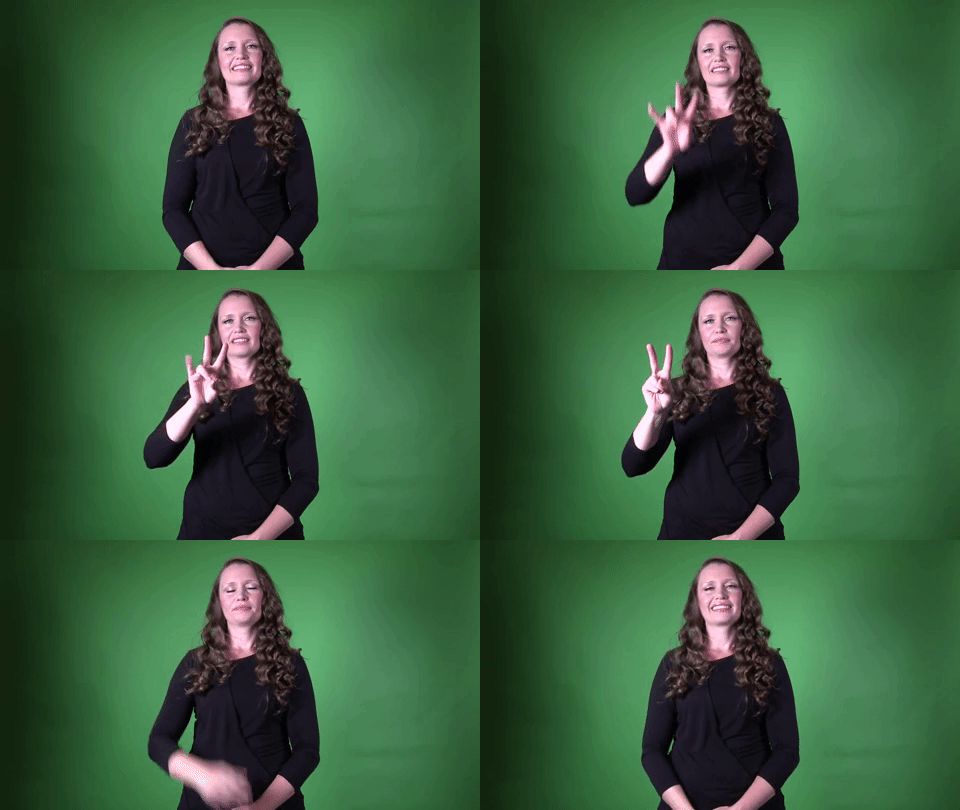
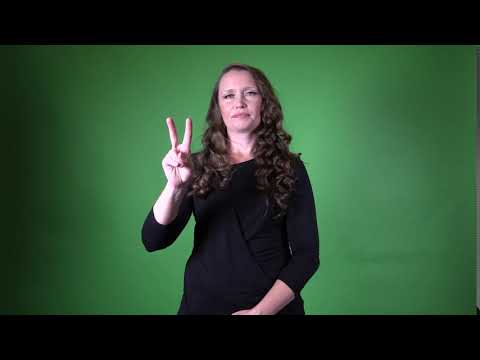
Definition: The number seventy-two.
Sign for 72 in ASL

Practice Activities:
To practice the sign for 72 in ASL, begin by forming the number 7 with your dominant hand, then quickly change to the number 2. Repeat this motion several times to build muscle memory. Focus on making the transition smooth and natural.
Try using the sign for 72 in ASL while counting. Sign numbers from 70 to 75, ensuring that you correctly transition between each number. Practicing in sequence will help reinforce understanding and fluidity.
Use the sign for 72 in ASL in context by signing sentences such as “My grandfather is 72 years old” or “There are 72 students in the school concert.” Signing complete sentences will help integrate the number into fluent communication.
Challenge yourself with a number guessing game. Have a partner think of a number between 70 and 80. When they sign a number, respond with the correct value. This will help you quickly recognize and use numbers in real-time conversations.
For storytelling practice, create a story that involves the sign for 72 in ASL. For instance, describe a fictional event that happened 72 years ago, or talk about traveling 72 miles to visit a friend. This exercise reinforces how to incorporate numbers within a larger narrative.
Record yourself signing numbers in sequence, including 72. Watch the video to check for accuracy and smooth transitions. Self-assessment can help identify any areas that need improvement.
Engage in a timed challenge with a partner. Take turns signing numbers as quickly and correctly as possible. By incorporating speed and accuracy, you will become more confident using the sign for 72 in ASL in everyday conversations.
Cultural Context:
The sign for 72 in ASL follows the standard pattern used for expressing double-digit numbers in American Sign Language. Numbers in ASL rely on clear hand shapes and movement to ensure accurate communication. Understanding how to form the sign for 72 in ASL is essential for signing numbers fluently.
When signing 72 in ASL, the signer must be aware of number patterns and palm orientation. The movement follows a specific numerical structure, just like other two-digit numbers. Practicing the transition between 7 and 2 helps improve fluency.
Expressing numbers in ASL plays an essential role in daily communication, including age, addresses, and financial transactions. The sign for 72 in ASL is part of this crucial numeric system. Mastering number signs allows for clearer and more efficient conversations in ASL.
ASL users often fingerspell or use number signs in different contexts, such as sports scores, measurements, or time expressions. The sign for 72 in ASL may appear when signing dates, statistics, or quantities. Understanding number placement in ASL grammar ensures accurate and natural communication.
Regional variations can sometimes influence the way numbers are signed, though the sign for 72 in ASL remains consistent across most ASL communities. Maintaining uniform number signs helps with mutual understanding among native signers and learners. Practice and repetition help solidify correct number formation.
Learning the sign for 72 in ASL is a key part of becoming proficient in ASL number systems. Fluency in number signs allows for smooth exchanges in both casual and formal settings. Becoming comfortable with these numbers boosts overall sign language skills.
ASL grammar and structure differ from English, which impacts the way numbers like 72 are incorporated into sentences. Context determines whether a number is emphasized or modified for clarity. Knowing the correct way to sign 72 in ASL helps in both conversation and storytelling.
Technology has influenced how ASL users communicate numerical concepts, with video chats and online learning enhancing number sign recognition. Watching fluent signers demonstrate the sign for 72 in ASL helps reinforce memory and accuracy. Online dictionaries and ASL resources provide valuable learning materials.
Mastering numbers in ASL opens doors to better communication in deaf and hard-of-hearing communities. The sign for 72 in ASL, like other number signs, builds confidence in signing full sentences. Being able to express numbers smoothly is a valuable skill in ASL fluency.
ASL students benefit from hands-on practice
Extended Definition:
The sign for 72 in ASL follows a structured pattern based on number signs in American Sign Language. Numbers in ASL rely on handshape, movement, and palm orientation to convey specific values. When signing 72, it’s essential to use the correct handshape and motion to ensure clarity.
To sign for 72 in ASL, you typically use a single dominant hand with a clear transition between the numbers 7 and 2. The hand starts in the shape of 7 and smoothly shifts into the handshape for 2. This movement should be fluid and precise to maintain the meaning.
Consistency in finger positioning is crucial when learning the sign for 72 in ASL. The numbers 7 and 2 both require distinct handshapes that must be formed correctly. Beginners should practice switching efficiently between these numbers to ensure proper execution.
Hand orientation plays a crucial role in signing 72 correctly. The palm usually faces outward while forming the initial number and smoothly transitions into the next shape. Practicing in front of a mirror or getting feedback from a fluent signer can help perfect this motion.
ASL numbers follow a logical sequence, making it easier to learn higher numbers once you understand the basic structure. The sign for 72 in ASL is based on this numerical progression, allowing signers to combine digits seamlessly. Recognizing similar number patterns can improve fluency when signing large numbers.
Regional variations may affect how some numbers are signed, but the standard for 72 in ASL generally remains the same. In different ASL communities, slight modifications in movement or emphasis may occur. Observing native signers can provide insight into these variations.
Practicing the sign for 72 in ASL alongside other two-digit numbers can help reinforce learning. Grouping similar numbers together and repeatedly signing them enhances muscle memory. This method builds confidence in accurately forming multi-digit numbers.
ASL learners should also be mindful of speed and clarity when signing 72. Signing too quickly or too slowly can affect comprehension, especially for non-native signers. Maintaining a steady pace ensures the number remains recognizable.
Numbers play an essential role in ASL communication, so mastering digits like 72 is important. Whether discussing age, time, or quantity, knowing how to sign this number accurately is useful. Fluency in number signs enhances overall ASL proficiency and comprehension.
For better retention, practicing the sign for 72 in ASL within real-life conversations is beneficial. Using numbers in context, such as giving addresses or discussing dates,
Synonyms: seventy-two, number seventy-two, number 72, the number 72, the number seventy-two
Educational resources: Find related learning materials in our course bank!
Want more? Check out some of our popular learning activities on the homepage!
Need to look up a sign? Use our highly rated dictionary: https://aslinteractive.com/best-asl-dictionary/
Follow us on tiktok: https://www.tiktok.com/@aslinteractive. More social media links at the bottom of this page!
Long-tail Keywords: What is the sign for 72 in ASL, How do you sign 72 in ASL, 72 in American Sign Language
Categories: Numbers – Basics, Numbers 71-80, cardinal numbers
tags: Numbers 71-75, Numbers, Language Learning, Mathematics, Education
Parameters
*Handshape*:
The sign for 72 in ASL uses a two-digit number pattern, starting with the hand in the “7” handshape, followed by a transition into the “2” handshape. The movement is fluid, shifting smoothly from the first numeral to the second. This numerical sign follows standard ASL number conventions, ensuring clarity and accuracy when conveying numerical values. Precision in handshape transitions helps maintain proper communication for numbers like the sign for 72 in ASL.
*Palm Orientation*:
the palm orientation for the sign for 72 in ASL starts with the palm facing outward while forming the number 7. Then, as the transition to 2 occurs, the palm generally remains in the same outward-facing position. This ensures clarity in communication and maintains a smooth transition between the two numbers. Keeping the palm steady and fingers distinct helps clearly convey the sign for 72 in ASL.
*Location*:
The sign for 72 in ASL is formed in the neutral space in front of the body, typically at chest level. The dominant hand starts in the shape of the number 7 and smoothly transitions into the number 2. This movement should be clear and fluid, with the hand remaining steady in its position without excessive movement. Proper hand orientation and finger placement ensure the sign for 72 in ASL is easily understood.
*Movement*:
Hold up the number 7 with your dominant hand, palm facing outward. Then smoothly transition to the number 2 by bending the ring finger and pinky while keeping the index and middle fingers extended. The shift should be fluid, ensuring clarity for the sign for 72 in ASL. Maintain a steady handshape change without unnecessary movement to ensure clear communication of the number.
*Non-Manual Signals*:
When performing the sign for 72 in ASL, the facial expression should remain neutral or match the context of the conversation. If emphasizing the number, slightly raise the eyebrows and maintain steady eye contact. A slight head nod may accompany the transition between the digits. Relaxed lips or a small mouth movement can help reinforce clarity. Avoid excessive facial tension to maintain fluidity in the number’s presentation.
*Prosody, Dominant/Non-Dominant Hand*:
For the sign for 72 in ASL, use the dominant hand to form the number 7 with the index and middle fingers extended while the other fingers remain closed. Then smoothly transition into the number 2 by retracting the middle finger, leaving the index and thumb extended. The movement should be fluid, ensuring clarity in the numerical transition. This number sign follows the standard ASL numbering pattern for two-digit numbers.
Tips for Beginners:
When learning the sign for 72 in ASL, focus on maintaining a smooth transition between the digits. The number is typically produced with a “7” handshape followed by a “2” handshape in a fluid motion. To ensure clarity, keep your palm facing outward and make the transition without hesitation.
A common mistake is twisting or flipping the hand too much between numbers. Keep your movements controlled and avoid over-exaggeration. Practicing in front of a mirror or recording yourself can help you refine the motion.
Finger dexterity is essential for signing numbers accurately. Regular hand exercises, such as stretching and finger isolation drills, will improve flexibility. If the transition between 7 and 2 feels awkward, slow down and practice each number individually before combining them.
Context matters when using the sign for 72 in ASL, especially in conversations about dates, prices, or addresses. Fingerspelling experience can enhance your overall number fluency. Be mindful of slight variations in number signs due to regional or generational preferences.
Hand positioning is key for visibility, particularly in group settings or video calls. Keep your hands within the signing space, typically near chest level. If others struggle to understand you, adjust your hand orientation slightly for better clarity.
Repetition is crucial for muscle memory. Sign the number 72 multiple times in different contexts, like counting money, sports scores, or statistics. Associating the number with real-life situations will make it easier to recall in conversations.
Engaging with native signers will improve your accuracy and confidence. Watching ASL videos and practicing with a friend can reinforce proper technique. The more you use the sign for 72 in ASL, the more natural it will become.
Connections to Other topics:
The sign for 72 in ASL follows the general pattern of number signs in American Sign Language. It uses a combination of the signs for 7 and 2, transitioning smoothly from one to the other. This reflects how ASL numbers can be signed sequentially while maintaining clarity and efficiency in communication. The consistency in number formation makes learning larger or more complex numbers easier once smaller numbers are mastered.
Numbers in ASL connect to many other linguistic topics, such as time, dates, and money. The sign for 72 in ASL is part of a broader system of numerical expressions used in talking about age, addresses, and mathematical concepts. For example, numbers like 72 can be modified slightly in context, such as when signing “72 dollars” or “72 years old,” showing how numerical incorporation works. Understanding these variations helps with fluency in practical conversations.
This sign also connects to broader numerical counting patterns in ASL, such as cardinal and ordinal numbers. While cardinal numbers indicate quantity, ordinal numbers are used for ranking or sequencing. The sign for 72 in ASL remains in its cardinal form unless modified with additional movements or context. This distinction is essential for conversations where numerical order matters, such as listing events, sports scores, or scheduling appointments.
Compound number signs like 72 fit into larger topic areas such as arithmetic operations or statistics. In educational or workplace settings, signing numbers clearly is crucial for accuracy in conveying data. Additionally, signing numbers rapidly in a fluent manner is a skill that improves with practice. Recognizing numerical patterns in ASL helps signers develop stronger comprehension when interpreting larger numerical sequences in various discussions.
Summary:
The sign for 72 in ASL follows the standard number pattern used in signing two-digit numerals in American Sign Language. It is formed by signing the number 7, followed by the number 2 in a smooth, fluid motion. Hand positioning and palm orientation are crucial to ensure clarity and avoid confusion with similar numbers.
When signing 72, the number 7 is typically formed with the thumb and ring finger touching while the other fingers extend upward. Immediately after, the number 2 is produced by extending the index and middle fingers without movement. These two motions should be done consecutively without a significant pause or hesitation.
Numbers play an essential role in ASL grammar and structure. They are often incorporated into dates, addresses, and prices, making accuracy vital when signing them. The sign for 72 in ASL may also appear in discussions about historical events, sports statistics, or academic subjects like math and science.
A common challenge when signing 72 is making sure it is clearly distinguished from similar two-digit numbers like 73 or 27. Palm orientation and fluidity help prevent misinterpretation. This is particularly important in rapid or conversational signing contexts where clarity aids comprehension.
The number system in ASL follows a few unique rules regarding number incorporation. Some numbers can be incorporated into time signs or currency signs, depending on the context. While 72 does not typically modify other signs, its clear execution is crucial for effective communication.
ASL has a distinct approach to numerical formulation that differs from spoken English. Instead of vocalizing, the handshape and movement convey the information visually. Numbers like 72 rely not only on finger movement but also on facial expressions when emphasizing quantity or significance.
In deaf culture, numerical literacy in ASL is just as important as written numerical literacy in spoken languages. Many Deaf individuals rely on precise number signs for work, academic settings, and social interactions. The sign for 72 in ASL represents just one part of a broader number system essential to daily life.
Misinterpretations in number signs can happen due to rapid signing, unfamiliarity, or regional variations. While the number system in ASL is relatively standardized, minor changes in execution may appear depending on the region or individual preferences. However, the basic method of forming the sign for 72 in ASL remains universal.
Understanding numbers in ASL connects to linguistic principles like morphology and syntax. Numbers can function as standalone signs or as part of more complex expressions, such as time-related phrases. The sign for 72 in ASL can appear in numerical sequences, arithmetic conversations, or structured event descriptions.
Deaf education emphasizes number fluency as a key component of ASL proficiency. Students learning ASL must practice structured counting drills to ensure they can recognize and reproduce numerical signs accurately. The sign for 72 in ASL exemplifies the importance of precision in numerical communication.
Beyond daily communication, numbers in ASL are foundational in professional fields like finance, technology, and customer service. Deaf employees in these industries must use number signs fluently to exchange information quickly and correctly. The sign for 72 in ASL may be used in statistics, accounting, or inventory contexts.
Video technology and online communication have strengthened the standardization of number signs in ASL. Deaf individuals often sign numbers during video calls, conferences, or remote learning sessions. The correct use of the sign for 72 in ASL ensures seamless virtual communication in these settings.
Numerical literacy in ASL extends to nuanced applications like sports commentary or weather updates. For example, a broadcaster may sign temperatures, scores, or distances during an ASL-interpreted event. In such scenarios, the sign for 72 in ASL might appear when discussing a game score, athlete ranking, or weather forecast.
Some signs in ASL incorporate numerical elements directly, allowing them to replace separate number signs entirely. However, the sign for 72 in ASL remains an independent numerical expression rather than being incorporated into another sign. This distinction highlights the structural consistency of ASL number formation.
Learning number signs requires practice and attention to detail. Many ASL students drill number sequences repeatedly to develop fluency and confidence. Mastery of the sign for 72 in ASL helps learners establish a solid foundation in numerical fluency and broader ASL communication skills.
Errors in number signing can lead to misinterpretation, particularly in high-stakes settings like emergency communication. Deaf professionals in medicine, law enforcement, or aviation rely on precise numerical signs to prevent misunderstandings. The correct execution of the sign for 72 in ASL ensures clarity in such critical situations.
ASL numbers have been shaped by both linguistic influences and historical developments. Early ASL evolved alongside French Sign Language (LSF), which also features a structured numerical system. The sign for 72 in ASL reflects the ongoing refinement and optimization of ASL’s numerical expressions.
Mathematical literacy among Deaf individuals is supported by
Want more? Check out some of our popular learning activities!
ASL Interactive Resources
ASLInteractive YouTube Channel
Follow us on tiktok: @aslinteractive.com
Follow us on Instagram: aslinteractive
Facebook page: aslinteractive
Facebook group: aslinteractive
LInkedIn: ASL Interactive LLC
Twitter: @ASL_interactive
*Some information on this page is AI-generated. AI can make mistakes. Please check the information.


Responses