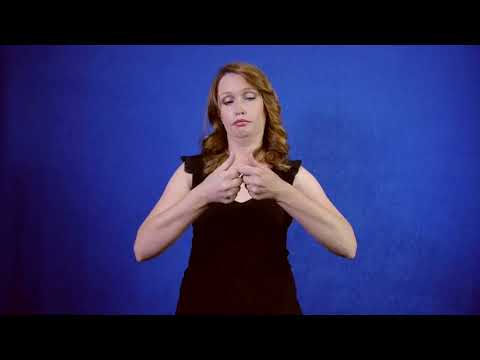
Sign for ACCIDENT in ASL | 🚗 ASL Dictionary

Definition: An unexpected event resulting in damage or injury.

Sign for ACCIDENT in ASL 

YouTube player

Practice Activities:

To practice the sign for ACCIDENT in ASL, start by signing it repeatedly in front of a mirror. Focus on the movement and handshape to ensure accuracy. Try signing it with different facial expressions to represent varying levels of severity.

Use the sign for ACCIDENT in ASL in short sentences. For example, sign “I saw an accident” or “Be careful to avoid an accident.” Practice signing these sentences slowly at first, then increase speed while maintaining clarity.

Create a short story using the sign for ACCIDENT in ASL. Describe a situation where an accident happens, such as dropping a glass of water or witnessing a car crash. Record yourself signing the story and review your accuracy.

Pair with a practice partner and act out different scenarios. One partner can describe an accident while the other reacts. For example, one person can sign, “The bike fell over—it was an accident,” while the other shows a response with facial expressions.

Watch ASL videos or news stories where the sign for ACCIDENT in ASL is used. Observe how native signers incorporate it naturally into conversation. Try to copy their speed, movement, and facial expressions.

Practice fingerspelling related words like “crash,” “fall,” and “hurt” before using the sign in full sentences. This helps improve both receptive and expressive skills. Try to match the speed of a fluent signer.

Play a guessing game where someone acts out different accidents, and the other person must sign what happened. For example, someone can pretend to trip over a chair, and the other person signs “accident” while explaining the event in ASL.

Try describing past accidents you have experienced using ASL. Think about how to explain what happened clearly using the sign for ACCIDENT in ASL along with other descriptive signs.

Cultural Context:

In American Sign Language, the sign for accident in ASL conveys the meaning of an unexpected incident or mishap. This sign is used in various situations, from car crashes to minor household accidents. Understanding the proper sign for accident in ASL helps enhance communication within the Deaf community.

Cultural context is essential when using the sign for accident in ASL. The word “accident” can refer to both serious and minor situations, so facial expressions play a crucial role in conveying the severity. A small mistake, like spilling water, might require a softer expression, while a car accident may demand a more serious or shocked look.

Facial expressions and body language are key when signing accident in ASL. Deaf individuals rely heavily on visual cues to determine the intensity of a situation. A neutral expression might indicate a minor incident, whereas raised eyebrows or a tense face can signal a more serious event.

The sign for accident in ASL can also be used figuratively. It may describe an error or an unexpected event in daily life. Differentiating between literal and figurative meanings depends on context and facial expressions.

In social settings, signing accident in ASL appropriately ensures clear communication. If discussing past events, it’s helpful to establish time frames through additional signs. This prevents confusion and allows conversations to flow naturally.

The Deaf community values clarity when discussing accidents in ASL. Using established signs and correct handshapes reduces misunderstandings. Learning the proper sign for accident in ASL improves fluency and fosters better interactions between Deaf and hearing individuals.

Interpreters often need to adjust their signing style when conveying accident in ASL. Matching the emotional tone of the speaker ensures the correct message is delivered. This skill is critical in emergency situations where accurate communication is necessary.

Understanding how to sign accident in ASL is useful in healthcare and emergency settings. First responders and medical professionals benefit from knowing this sign to communicate effectively with Deaf patients. Quick and accurate signing can make a difference in urgent situations.

Parents and caregivers can use the sign for accident in ASL to teach safety to Deaf children. Visual storytelling about accidents helps reinforce lessons about caution. Using ASL in these interactions makes safety discussions more engaging and accessible.

Learning the correct sign for accident in ASL is valuable for both Deaf and hearing individuals. It bridges communication gaps and ensures that important information is shared clearly. Expanding ASL vocabulary enhances overall fluency and understanding in various situations.

Extended Definition:

The sign for accident in ASL conveys the meaning of an unintended incident, mishap, or collision. It is commonly used to describe car accidents, falls, or any situation where something goes wrong unexpectedly. Using facial expressions while signing can help emphasize the seriousness or extent of the accident.

To sign accident in ASL, both hands form the shape of the number five and then twist as they come together, simulating a collision. Some variations exist depending on the region or the context of the conversation. Signing with appropriate expressions can clarify whether the accident was minor or severe.

Context is key when using the sign for accident in ASL. It can refer to physical accidents, such as a bike crash, or figurative ones, like an embarrassing mistake. Understanding how to adjust facial expressions and body language ensures clear communication.

In conversations, the sign for accident in ASL may be paired with other signs like “car,” “fall,” or “hurt” to give a more detailed description. For example, signing “car” before “accident” emphasizes a vehicle collision. This type of clarification helps avoid misunderstandings.

ASL users often modify the sign based on severity. A small, quick motion can indicate a minor accident, while a larger, more dramatic movement suggests a more serious incident. Adjusting signing speed and intensity can reflect different levels of urgency.

Facial expressions play an essential role in signing accident in ASL. A shocked or worried expression can help convey the seriousness of the situation. Without an appropriate expression, the sign may lose some of its intended impact.

Various ASL dialects may feature slight differences in how accident is signed. Some individuals prefer different handshapes or motion styles. These variations do not change the core meaning but may be influenced by regional signing habits.

Practicing the sign for accident in ASL along with related vocabulary can improve fluency. Learning additional signs like “hospital,” “injury,” and “help” can make emergency communication smoother. Building ASL knowledge allows for clearer and more effective discussions.

Understanding how to sign accident in ASL is useful in everyday conversations, especially in medical or emergency settings. Interpreters, first responders, and healthcare workers benefit from knowing this sign. Being able to quickly describe an accident can provide essential information.

Encountering the sign for accident in ASL in different contexts improves comprehension. Watching ASL videos or practicing with fluent signers enhances accuracy. Using the sign correctly ensures smoother

Synonyms: mishap, collision, crash, incident, catastrophe

Educational resources: Find related learning materials in our course bank!

Want more? Check out some of our popular learning activities on the homepage!

Need to look up a sign? Use our highly rated dictionary: https://aslinteractive.com/best-asl-dictionary/

Follow us on tiktok: https://www.tiktok.com/@aslinteractive. More social media links at the bottom of this page!

Long-tail Keywords: what is the sign for accident in ASL, how do you sign accident in ASL, learn the ASL sign for accident

Categories:

tags: Accident, Events, Emergency, Actions, Verbs

Parameters

*Handshape*:

The sign for ACCIDENT in ASL uses an “X” handshape on both hands . The fingers are bent at the knuckles while the thumbs extend slightly outward. These handshapes come together in a sudden, twisting motion, as if mimicking an unexpected collision. The movement reinforces the concept of an unforeseen event. This expressive motion helps convey the meaning clearly in ASL conversations.

*Palm Orientation*:

The sign for ACCIDENT in ASL uses both hands in an “A” handshape. The palms generally face inward toward each other as the hands come together. Depending on the variation, the palms may slightly turn downward as the fingers interlock or bump against each other. The movement should feel natural, as if something has unexpectedly collided or gone wrong. Palm orientation is crucial for clarity when signing the sign for ACCIDENT in ASL.

*Location*:

The sign for ACCIDENT in ASL is located in front of the torso. Both hands are brought together at chest level with fingers curled into claw-like shapes, representing an unintended collision. The movement typically happens near the center of the body, reinforcing the concept of an unexpected event. Depending on the context, facial expressions can emphasize whether the accident was minor or severe.

*Movement*:

To produce the sign for ACCIDENT in ASL, form both hands into “claw” or curved “5” handshapes with the fingers slightly bent. Start with the hands positioned apart, then bring them together in front of your chest, twisting slightly so the fingertips almost collide. The motion mimics an unexpected crash or mishap. Facial expressions such as a surprised or concerned look can enhance the meaning of the sign.

*Non-Manual Signals*:

Facial expressions play a crucial role when using the sign for ACCIDENT in ASL. The eyebrows are often slightly furrowed, and the mouth may be tense or shaped into an “O” to convey shock or seriousness. Depending on the context, a sudden or exaggerated head movement can emphasize the unexpected nature of an accident.

If describing a minor accident, the expression may be less intense, with a subtle shift in the eyebrows or widened eyes. However, for a major accident, a more dramatic facial reaction, like a grimace or tightened lips, can enhance the meaning. These non-manual signals ensure the sign for ACCIDENT in ASL clearly conveys the severity and context.

*Prosody, Dominant/Non-Dominant Hand*:

The sign for ACCIDENT in ASL uses both the dominant and non-dominant hands in an “open-8” or “clawed-5” handshape. Start with the hands open and fingers slightly curved, palms facing each other. Move the hands inward and bring the fingertips together abruptly, as if something has crashed or collided. Facial expression can add emphasis, such as a shocked or surprised look, to enhance the meaning.

Tips for Beginners:

When learning the sign for ACCIDENT in ASL, focus on keeping your handshapes clear and movements precise. The sign uses the “claw” handshape with both hands meeting in front of the body, mimicking an unexpected crash or mishap. Be sure to keep the motion intentional—too much variation can make the sign unclear.

One common mistake is making movements too small or too weak. If your hands don’t come together with enough impact, the meaning may be lost. Another issue is hand positioning—your hands should be facing each other and meet at the knuckles, not just the fingertips. Practicing in front of a mirror can help with positioning.

Facial expressions add important context when using the sign for ACCIDENT in ASL. A shocked or concerned expression reinforces the meaning, making your message clearer. Without facial expressions, the sign may lose its urgency, making it look like a casual action rather than an accident.

A good tip for beginners is to practice transitioning smoothly between signs in a sentence. Since ACCIDENT is often used in emergencies, speed and clarity are important. If you sign too slowly or hesitate, the meaning might not come across naturally. Practice signing full sentences to build fluidity.

Watching native signers use the sign for ACCIDENT in ASL in conversations or videos can help improve accuracy. Pay attention to how experienced signers integrate the sign into different contexts. Signing along with videos or deaf friends can build confidence and improve muscle memory.

If you’re unsure about your accuracy, ask for feedback from a fluent signer. Small adjustments can greatly improve your clarity, and experienced signers can offer tips that may not be obvious from videos alone. Being open to corrections will help you build confidence and sign fluidly in real conversations.

Connections to Other topics:

The sign for ACCIDENT in ASL is closely related to other signs involving unintentional events, such as MISTAKE and WRONG. These signs often share similar handshapes, reinforcing the idea of unexpected outcomes. Understanding the sign for ACCIDENT in ASL can also help with broader concepts like RESPONSIBILITY or FORGIVE, as accidents sometimes lead to discussions about liability and making amends.

This sign can be linked to traffic-related vocabulary, such as CAR, CRASH, and POLICE. Signing phrases like “car accident” or “bike accident” becomes easier when learners recognize how concepts are combined in ASL. Additionally, the sign for ACCIDENT in ASL can be altered slightly to discuss workplace incidents or personal mishaps, giving it broader application.

There can be a distinction between an accident that happens physically and an accident that refers to a mistake in judgment. Signs like FALL, HURT, or BREAK might be used in conjunction to indicate specific types of accidents. When discussing minor accidents like dropping an object, signs such as WHOOPS (FS) or OOPS (FS) might be more appropriate, showing how levels of severity vary in ASL.

Another connection is the emotional impact of accidents, which can lead to signs such as WORRIED, RELIEVED, or SORRY. Conversations about accidents often overlap with expressions of concern or regret, making these signs useful in narrative storytelling. For example, when explaining how an accident happened, classifiers may be incorporated to vividly depict movement and contact between objects.

The sign for ACCIDENT in ASL also shares connections with medical and emergency signs like HOSPITAL, DOCTOR, and AMBULANCE. This is particularly relevant when discussing injuries and seeking medical care. Learning related signs ensures smoother communication during urgent situations, increasing accessibility and response time in real-life scenarios.

Summary:

The sign for ACCIDENT in ASL conveys the concept of an unexpected or unintended event, often involving physical mishaps or mistakes. This sign typically uses two hands, forming “claw” or “curved” handshapes, coming together in an abrupt manner to symbolize the collision or mishap. Facial expression plays an essential role, with widened eyes or a sudden movement indicating the severity or shock associated with an accident.

In ASL, facial expressions and body posture significantly influence how the sign is understood. A slight raise of the eyebrows can change the meaning to a question, such as asking if an accident occurred. A serious or distressed facial expression might signal a dangerous accident, while a neutral face may imply a minor mishap.

The sign for ACCIDENT in ASL is closely related to other signs that deal with mistakes, errors, or mishaps. Signs like MISTAKE or WRONG share some similarities in movement or handshape, though they differ in placement and intent. Understanding conceptually related signs helps clarify subtle differences between meanings based on contextual usage.

Linguistically, the sign for ACCIDENT in ASL falls under the category of classifiers when describing collisions or crashes. For example, if signing about a car accident, the signer might use classifier handshapes that resemble vehicles before using the sign for ACCIDENT. This layering of signs creates a more vivid and detailed description.

When discussing accidents, ASL users often incorporate role-shifting to establish the perspectives of those involved. If explaining an accident step by step, the signer might physically shift between the roles of different individuals to show the sequence of events. This use of spatial representation enhances clarity and engagement in storytelling.

Culturally, the concept of accidents can carry different connotations depending on context. In medical or emergency situations, signing ACCIDENT in ASL may involve additional gestures to indicate severity. In lighter everyday conversations, the sign might be used more casually to describe a small mistake or unintentional action.

Grammatically, ACCIDENT can function in different sentence structures depending on whether it is being used as a statement, question, or exclamation. A signer might say “ACCIDENT HAPPEN WHERE?” to ask about the location of an incident. Alternatively, using the sign with an urgent facial expression can indicate immediate concern.

There are variations in how people sign ACCIDENT, depending on region and signer preference. Some people may slightly alter the movement intensity or handshape tightness when signing the word. Regional accents in ASL influence these variations, similar to how spoken languages have dialectical differences.

ASL storytelling often includes accidents in narratives to make stories more engaging. A storyteller might dramatize an accident by exaggerating the moment of impact through movement and expression. These visual elements help communicate the seriousness or humor of the situation effectively.

The sign for ACCIDENT in ASL can also be applied metaphorically. People might use it to describe an unintentional mistake in speech, work, or an event that did not go as planned. This flexibility in meaning allows signers to express both physical mishaps and conceptual errors.

When interpreting ACCIDENT in ASL into spoken English, interpreters consider tone and context carefully. If the signer is indicating a car crash, the interpreter might specify “There was a car accident.” If referring to a small mishap, the interpretation could be adjusted to reflect that level of severity.

The movement and positioning of the sign for ACCIDENT are important for accuracy. If signed with exaggerated force, it can indicate a severe or shocking accident. If performed with a small, contained motion, it may suggest something minor, like an everyday blunder.

ASL’s visual nature means that concepts like accidents are often represented with more than one sign. A person explaining an accident in detail will likely combine multiple ASL signs to create a full narrative. Classifiers, body language, and additional facial expressions contribute to layering meaning effectively.

In emergency response settings, the ability to sign ACCIDENT accurately is vital. First responders who are fluent in ASL can use this sign to gather critical information from Deaf individuals about an incident. This helps ensure quick and accurate communication during crises.

Technology has influenced the way ACCIDENT is discussed in ASL, especially in video calls and online signing platforms. Signers may need to adjust positioning or clarify movement due to screen limitations. This highlights how ASL continuously adapts to modern modes of communication.

Within Deaf culture, personal experiences with accidents are often shared in visually engaging ways. People may sign about their own accidents using humor or dramatic storytelling techniques. These shared narratives strengthen connections within the community and serve as learning experiences.

Children learning ASL often pick up signs like ACCIDENT early, as accidents are common in childhood. Parents and teachers use this sign to communicate safe behavior and consequences in an accessible manner. Learning such concepts in ASL helps young signers develop better understanding of cause and effect.

In

Want more? Check out some of our popular learning activities!

ASL Interactive Resources

ASLInteractive YouTube Channel

Follow us on tiktok: @aslinteractive.com

Follow us on Instagram: aslinteractive

Facebook page: aslinteractive

Facebook group: aslinteractive

LInkedIn: ASL Interactive LLC

Twitter: @ASL_interactive

*Some information on this page is AI-generated. AI can make mistakes. Please check the information.

Sign for ACCIDENT in ASL 

Responses