Sign for ALBERTA in ASL | 🍁 ASL Dictionary

Definition: A province in Canada.

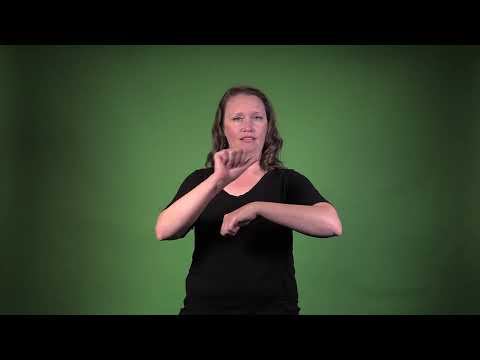
Sign for ALBERTA in ASL

YouTube player

Practice Activities:

To practice the sign for Alberta in ASL, start by signing it in isolation multiple times in front of a mirror. Focus on the handshape, movement, and location of the sign to ensure accuracy. Try signing it at different speeds while maintaining clarity.

Next, incorporate the sign for Alberta in ASL into simple sentences. For example, sign “I visit Alberta every summer” or “My family lives in Alberta.” Practice saying these sentences aloud while signing to reinforce understanding.

Create a storytelling prompt that includes Alberta as a key location. For instance, describe a road trip through Canada and include a stop in Alberta. Try signing the story to a friend or recording yourself to check for fluency.

Engage in a conversational activity with a partner where you ask and answer questions related to Alberta. Ask your partner, “Have you been to Alberta?” or “What do you like about Alberta?” Encourage them to respond using ASL.

Use flashcards with place names and practice distinguishing Alberta from other locations. See how quickly you can sign the correct answer when shown a card with the name Alberta. Incorporate a timer to make the activity more engaging.

As a challenge, watch ASL vlogs or discussions that mention Alberta. Try to identify the sign when it appears and note the surrounding context. Practice repeating those sentences to improve retention and fluency.

To reinforce memory, finger-draw the shape of Alberta in the air while signing its name. Associating the sign with a visual representation of the province can help increase recall. Try adding another detail about Alberta each time you sign it, such as a landmark or the weather, to build ASL fluency.

Cultural Context:

The sign for alberta in asl represents the Canadian province known for its stunning landscapes and vibrant cities. Alberta is home to the Rocky Mountains, vast prairies, and bustling urban centers like Calgary and Edmonton. Many Deaf Canadians use this sign to refer to the province in conversations and storytelling.

Alberta has a strong Deaf community, with organizations and schools dedicated to ASL users. The province hosts cultural events where people use the sign for alberta in asl to discuss regional topics. Deaf Albertans engage in advocacy and education, ensuring accessibility and inclusion.

ASL is widely used in Alberta, especially in major cities where Deaf education and services are available. Learning the sign for alberta in asl helps Deaf and hearing individuals communicate about locations in Canada. Using correct ASL signs enhances understanding and strengthens connections in the Deaf community.

Many people associate Alberta with famous landmarks like Banff National Park and the Calgary Stampede. When signing about these places, the sign for alberta in asl helps clarify which province is being discussed. Whether traveling or talking about Canadian geography, accurate ASL signs make conversations smoother.

The history of ASL in Alberta includes contributions from Deaf educators and community leaders. Schools and programs continue to support ASL learning, making the sign for alberta in asl an essential part of communication. Fluency in ASL allows individuals to engage fully in cultural and social activities across the province.

Visitors to Alberta may want to learn common ASL signs to communicate effectively with the Deaf community. Using the sign for alberta in asl shows respect and understanding of Deaf culture in Canada. Whether at a museum, park, or event, signing correctly fosters meaningful interactions.

Alberta’s Deaf community actively participates in advocacy efforts for accessibility and language rights. Government initiatives support ASL users, and knowing the sign for alberta in asl can be useful in discussions about policies and services. Awareness of regional signs strengthens communication among ASL users across Canada.

Alberta’s diverse population makes ASL an important means of communication in various settings. By using the sign for alberta in asl, people can easily refer to the province in casual or formal conversations. ASL fluency improves access to information and ensures inclusion in public life.

Whether discussing Alberta’s culture, history, or geography, ASL users rely on the sign for alberta in asl to share information. Learning ASL signs related to places enhances communication and reinforces community bonds. Alberta’s Deaf and hearing residents benefit from increased awareness

Extended Definition:

The sign for Alberta in ASL is a simple and recognizable movement that represents the Canadian province. This sign is commonly used in conversations about geography, travel, and the Deaf community in Canada. Learning this sign helps improve communication when discussing locations within Canada.

To make the sign for Alberta in ASL, form the letter “A” with your dominant hand and move it slightly upward along the side of your cheek. This motion resembles the signs for other Canadian provinces that incorporate the first letter of their name. Because ASL is a visual language, this sign provides a quick and efficient way to refer to Alberta.

Alberta is known for its stunning landscapes, including the Rocky Mountains, prairies, and beautiful national parks. The province is home to vibrant cities like Calgary and Edmonton, both of which have strong Deaf communities. Knowing the sign for Alberta in ASL can be useful when talking about these locations and their attractions.

In conversations about Deaf culture in Canada, the sign for Alberta in ASL frequently appears. Many Deaf organizations and events take place in the province, making it an important location in the ASL community. Understanding this sign helps expand vocabulary related to Canadian geography and culture.

ASL signs for locations often follow a pattern based on the first letter of the place name. The sign for Alberta in ASL follows this convention, making it easier to remember and recognize. This consistency across geographical signs helps create a logical and efficient way to communicate about different areas.

When telling stories or sharing experiences related to Canada, the sign for Alberta in ASL makes discussions more engaging and precise. Whether talking about winter sports in Banff or cultural festivals in Edmonton, this sign adds clarity to conversations. Using accurate place signs enhances storytelling and ensures smooth communication.

Deaf travelers and ASL users benefit from learning regional signs, including the sign for Alberta in ASL. This knowledge is particularly useful when navigating conversations about destinations or planning trips. Knowing how to sign different provinces makes travel discussions more accessible and informative.

Teachers and interpreters often include place signs in their lessons to help students build strong ASL vocabulary. Learning the sign for Alberta in ASL can be an essential part of geography lessons or cultural discussions. Encouraging students to use correct signs for locations improves their fluency and confidence in ASL.

As ASL continues to evolve, regional signs may vary slightly based on location and community usage. The sign for Alberta in ASL remains a common representation of the province,

Synonyms: Alberta Province, Alberta Region, Alberta Area, Alberta Territory, Province of Alberta

Educational resources: Find related learning materials in our course bank!

Want more? Check out some of our popular learning activities on the homepage!

Need to look up a sign? Use our highly rated dictionary: https://aslinteractive.com/best-asl-dictionary/

Follow us on tiktok: https://www.tiktok.com/@aslinteractive. More social media links at the bottom of this page!

Long-tail Keywords: what is the sign for Alberta in ASL, how do you sign Alberta in American Sign Language, Alberta ASL sign meaning

Categories:

tags: Cities, Canada, Locations, Geography, Language Learning

Parameters

*Handshape*:

The sign for ALBERTA in ASL uses the dominant hand in an “A” handshape. The thumb is extended while the fingers are curled into the palm. The hand starts near the upper side of the chest and moves outward in an arc. This sign is commonly used to represent the Canadian province and is recognized within the Deaf community. When signing, maintain a steady motion to ensure clarity.

*Palm Orientation*:

The palm orientation for the sign for ALBERTA in ASL typically faces outward or slightly to the side, depending on the regional variation. The dominant hand often moves in a small motion near the upper chest, maintaining clear visibility for the signer and viewer. Consistent palm orientation ensures proper legibility when expressing the sign for ALBERTA in ASL in conversations or presentations. ✋

*Location*:

The sign for Alberta in ASL is located near the side of the head, close to the temple area. The dominant hand, in an open “A” handshape, makes a small patting or tapping motion near the temple. This motion helps distinguish it from other similar signs. The location near the head is associated with place names using an initialized approach, making the sign for Alberta in ASL visually clear and easily recognized.

*Movement*:

To produce the sign for Alberta in ASL, form an open dominant hand with fingers extended and thumb slightly out. Place the thumb near the temple on the dominant side, then move the hand outward in a small arc, away from the head. This sign resembles the gesture for “crown,” referencing Alberta’s nickname as the “Princess Province.” Ensure the movement is smooth and fluid for clarity.

*Non-Manual Signals*:

When using the sign for Alberta in ASL, maintain a neutral or slightly engaged facial expression to convey clarity. If discussing Alberta as a location, nodding slightly can add emphasis. If distinguishing Alberta from other places, a slight squint or raised eyebrows may be useful for precision. The sign for Alberta in ASL should match the conversational tone, so if expressing excitement about Alberta, a subtle smile can reinforce enthusiasm.

*Prosody, Dominant/Non-Dominant Hand*:

The sign for ALBERTA in ASL uses the dominant hand in an open “A” handshape. The thumb of the “A” hand lightly taps the upper side of the cheek near the jawline. The motion is a small, gentle tap or touch, maintaining a relaxed posture. The non-dominant hand does not participate in this sign. This sign for ALBERTA in ASL is commonly used to refer to the province in Canada.

Tips for Beginners:

When learning the sign for ALBERTA in ASL, focus on handshape, movement, and location for accuracy. The sign typically uses a dominant hand in an “A” handshape, moving in a small arc near the side of the head or in front of the torso, depending on the regional variation. Practicing in front of a mirror can help ensure you maintain the correct shape and motion.

One common mistake is not forming the handshape correctly. Ensure your thumb is alongside the fist rather than sticking out awkwardly. Holding the “A” handshape too loosely may make the sign unclear, so keep a firm but relaxed positioning.

Consistency in movement is important. Avoid over-exaggerating or making the arc too wide, as this can lead to misunderstanding. Smooth and fluid movements will enhance sign clarity and make it look more natural. Watching native ASL signers or video resources can help refine your technique.

For beginners, repetition is key to memorization. Practicing daily and incorporating the sign for ALBERTA in ASL into conversations will help build fluidity and confidence. Try signing it slowly at first, then gradually increase speed as you become more comfortable.

If unsure, ask a fluent signer or an instructor for feedback. Signing slightly off location or with improper movement might change the meaning or make your sign incomprehensible. Engaging in practice with others can improve accuracy and confidence in signing effectively.

Finger dexterity exercises can also improve signing ability. Strengthening your fingers and loosening tension in your hands will make ASL signing smoother. Additionally, watching videos of experienced signers performing the sign for ALBERTA in ASL will help with recognizing variations and nuances in different signing styles.

Connections to Other topics:

The sign for ALBERTA in ASL is closely connected to other signs for Canadian provinces and cities. Many province names, like MANITOBA and SASKATCHEWAN, are fingerspelled, while some have unique signs reflecting local culture or geography. Understanding the sign for ALBERTA in ASL can help with recognizing patterns in how location names are signed within Canada. This is especially useful when discussing travel, Canadian history, or geography in ASL conversations.

The sign for ALBERTA in ASL may also be related to signs for features associated with the province, such as ROCKY MOUNTAINS, OIL, or CANADA. Conversations about natural resources, industries, and landmarks in ALBERTA are common, making it useful to know these related signs. Understanding how to sign ALBERTA correctly helps in discussions about tourism, energy, and nature in Canada. It also connects to broader discussions of regional identity in ASL.

Another common connection is the use of signs for Canadian cities within ALBERTA, such as CALGARY or EDMONTON. Many of these place names integrate initialization or adaptation from fingerspelling, which is a common trend in ASL geography. If someone frequently discusses Canadian towns, learning the sign for ALBERTA in ASL builds fluency in referring to these locations concisely. Recognizing patterns in place-name signs can also assist with quickly learning new city signs.

Additionally, movements and handshapes in ALBERTA’s sign share similarities with other international location signs. Some location names in ASL incorporate hand movements that symbolize key characteristics of a place, just as ALBERTA’s sign may reference a specific regional feature. This highlights how sign language often incorporates cultural and geographical meanings. Recognizing these patterns can improve overall comprehension of international place-name signs in ASL.

Summary:

The sign for ALBERTA in ASL typically involves forming an “A” handshape and moving it in a subtle, distinct motion. This motion can vary slightly depending on signer preference or regional differences. It is commonly associated with the official name of the Canadian province of Alberta.

Alberta is one of Canada’s largest provinces and is known for its rich cultural heritage, oil industry, and natural landscapes. The sign for ALBERTA in ASL reflects the importance of the location, especially for those engaged in communication within Deaf communities in Canada and the United States. The naming of places in ASL often corresponds to unique handshapes or initialized movements.

Some variants of the sign for ALBERTA in ASL may involve a combination of the “A” handshape and a small downward movement. Slight modifications in speed and location of articulation can be influenced by individual signers. If a local Deaf community has an established sign for a place, it is best to prioritize that variation.

When fingerspelling Alberta, each letter—A-L-B-E-R-T-A—is spelled out clearly, with smooth transitions between each finger-letter shape. Fingerspelling Alberta is often used when first introducing the name in a conversation. Established ASL users may switch to the more streamlined sign after initially fingerspelling it.

The linguistic structure of the sign for ALBERTA in ASL reflects broader patterns in ASL localization strategies. Place names in ASL frequently adopt either initialized letters or a movement pattern that reflects a distinctive feature of the location. This ensures clarity when referring to different geographic areas.

Because ALBERTA is a well-known Canadian province, the sign’s recognition may depend on signer familiarity with Canadian geography. Some American signers may fingerspell it more often if they are not familiar with the localized sign. For Canadian Deaf communities, an established regional sign may be more common than fingerspelling.

Cultural context plays an important role in sign development. Local Deaf communities often develop unique signs based on regional significance. It is useful for ASL learners to check with native signers in Canada when discussing Alberta to ensure appropriate usage.

The sign for ALBERTA in ASL is not usually modified by grammatical markers such as nonmanual signals. However, additional facial expressions may be used when emphasizing something specific about the province. Contextual variations in ASL often allow for fluidity in how place names are signed.

Related signs might include other Canadian provinces such as BRITISH COLUMBIA (often signed using “B” and “C” initials) or ONTARIO (represented using an “O” handshape with a circular movement). Understanding spatial referencing in ASL helps with clarity when discussing multiple locations. This ensures confusion does not occur when talking about different areas.

In applied linguistics, studying how signs evolve for place names like Alberta reveals patterns of lexical borrowing. The process of borrowing from fingerspelling to a more standardized sign follows common linguistic trends. ASL’s efficiency in assigning recognizable handshapes to place names aligns with linguistic economy principles.

Broader themes related to the sign for ALBERTA in ASL include the way ASL represents formal and informal place names. Some locations gain established signs due to political significance while others remain fingerspelled. Alberta’s prominence in economic and cultural contexts may influence how often a dedicated sign is used instead of fingerspelling.

For ASL learners, mastering fingerspelling Alberta smoothly is an essential skill. This helps in situations where the sign is either unknown or may not be universally recognized by all signers. Clarity in fingerspelling ensures effective communication, particularly in international ASL conversations where regional signs may not be widely known.

Variations in the sign for ALBERTA in ASL highlight how geographic locations impact sign language use. Larger cities within Alberta, such as Edmonton or Calgary, may have unique signs beyond just the province name. Learning place-specific signs enhances expressive capability and fosters cultural awareness.

When discussing Alberta in an ASL conversation, introductory context might be necessary for clarity. For example, if the topic revolves around Canada’s provinces, establishing the sign early in conversation can aid comprehension. Signers navigating multilingual or international Deaf communities may encounter a mix of fingerspelling and signed versions.

The evolution of ASL signs for place names like Alberta demonstrates natural linguistic change. As signs develop through repeated use, efficiency and ease of articulation influence widespread adoption. Whether a sign remains fingerspelled or evolves into a distinct sign depends largely on community acceptance.

Understanding the sign for ALBERTA in ASL provides insight into regional adaptations in sign languages. ASL shares structural similarities with other sign languages, but local Deaf communities influence naming conventions. Canadian Sign Language (LSQ and BSL-influenced areas) may have slightly different variations from ASL.

Historical connections between American and Canadian Deaf communities have shaped language features. Some place names maintain American-influenced signing patterns,

Want more? Check out some of our popular learning activities!

ASL Interactive Resources

ASLInteractive YouTube Channel

Follow us on tiktok: @aslinteractive.com

Follow us on Instagram: aslinteractive

Facebook page: aslinteractive

Facebook group: aslinteractive

LInkedIn: ASL Interactive LLC

Twitter: @ASL_interactive

*Some information on this page is AI-generated. AI can make mistakes. Please check the information.

Sign for ALBERTA in ASL

Responses