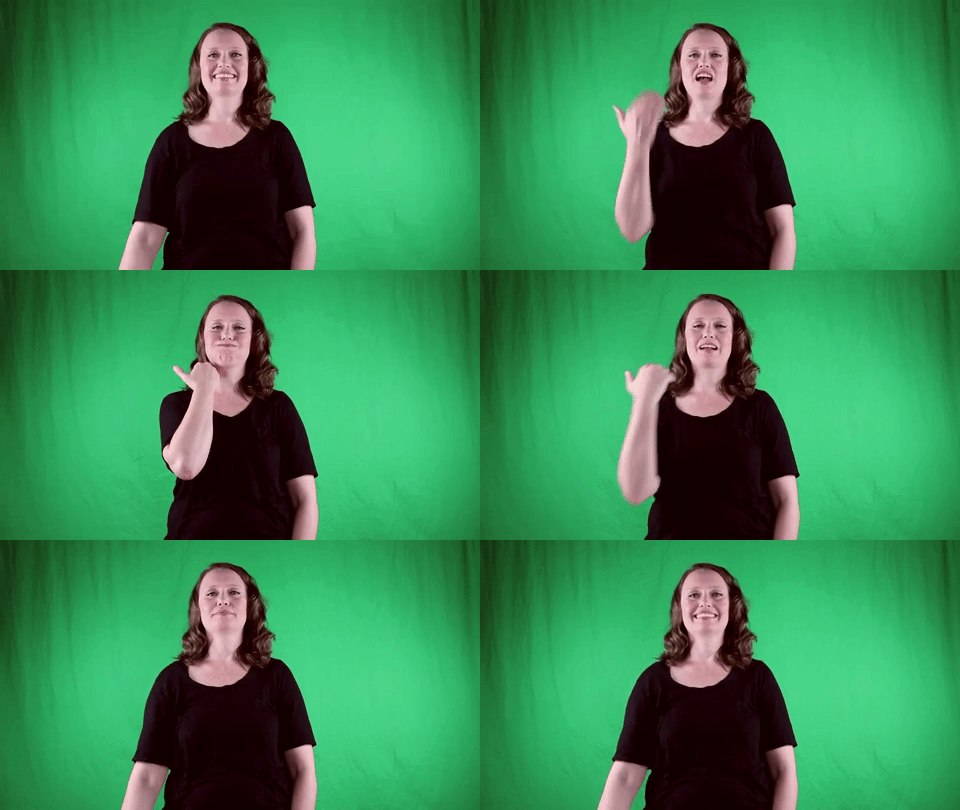
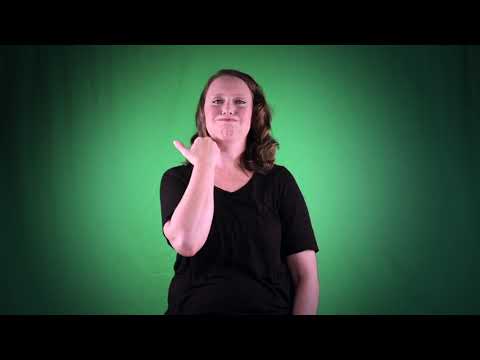
Definition: Having no money.
Sign for BE-BROKE in ASL

Practice Activities:
Begin practicing the sign for BE-BROKE in ASL by isolating the sign. Stand in front of a mirror and slowly perform the movement several times, focusing on correct hand placement and facial expression. This sign typically uses a chopping motion at the neck, so make sure your gesture is sharp and confident to match the meaning.
Once comfortable in isolation, move on to incorporating the sign for BE-BROKE in ASL into simple sentences. Practice signing phrases like “I am broke,” “He is broke after the vacation,” or “Are you broke?” Pair these with expressive facial grammar to help show context, such as disappointment, stress, or humor based on the situation described.
Try telling mini-stories using the sign for BE-BROKE in ASL. For instance, imagine a scenario where someone spends all their money at the mall or forgets to save for rent. Build a short narrative around going shopping, having fun, and then realizing there’s no money left. Include other key signs like “money,” “spend,” “wallet,” and “empty.”
Engage in partner or group activities to reinforce learning. One partner can mime different life situations while the other responds with appropriate signs and facial expressions, such as showing shock or concern while signing BE-BROKE. This helps deepen comprehension and encourages quick, expressive responses.
Use flashcards with images or written prompts that represent financial hardship and respond with the sign for BE-BROKE in ASL. Examples might include seeing an empty purse, getting a bill in the mail, or finding a closed wallet. This promotes sign recall and helps associate the sign with real-life situations.
Finish with a signing journal. Write about a time you were broke or imagine a scenario, then sign it in front of a camera. Watch the video to self-evaluate your clarity and emotional delivery using the sign for BE-BROKE in ASL.
Cultural Context:
Understanding the sign for BE-BROKE in ASL involves more than just learning the motion of the gesture. In Deaf culture, this sign carries a very specific meaning, closely tied to the expression of financial hardship or being out of money. It’s a common sign used in everyday conversations where someone explains that they can’t afford something or don’t have any funds available.
When using the sign for BE-BROKE in ASL, it’s important to match facial expressions to convey the seriousness or light-heartedness of the situation. In casual conversations, Deaf individuals might use this sign with humor , especially when joking about payday being too far away or after spending money on something fun. However, in more serious financial discussions, the sign is often accompanied by earnest expressions to reflect real concern.
The cultural context of this sign connects to the values of transparency and straightforwardness in the Deaf community. Unlike in some spoken languages where saying you’re broke might be softened or avoided, the sign for BE-BROKE in ASL is often used directly and without hesitation. It’s a way to be honest and clear, which reflects the deeper communication norms shared within the community.
In Deaf storytelling and jokes, the sign for BE-BROKE in ASL can become part of a larger narrative. Stories may revolve around being broke but still finding joy or creative ways to manage. This reflects resilience and a sense of humor about life’s challenges, values that are highly respected in the community.
Teaching the sign for BE-BROKE in ASL offers insights into how Deaf culture handles economic realities. It’s not just a matter of vocabulary but also an opportunity to understand how Deaf individuals relate to financial challenges with openness and creativity. This makes learning the sign an entry point into deeper awareness of cultural values.
Using the sign for BE-BROKE in ASL also teaches the importance of real-time expression. Since ASL depends so heavily on tone being conveyed through facial signs and body language, this sign can vary slightly depending on the context. A shrug, a sigh, or raised eyebrows may all accompany it to modify the meaning.
In media created by the Deaf community, such as vlogs or comedy sketches, this sign appears often. It’s easily understood and often universally relatable . Whether someone is a student, a parent, or just between paychecks, using the sign for BE-BROKE in ASL becomes a shared moment of connection and humor.
Understanding how to use the sign for BE-BROKE in ASL increases fluency
Extended Definition:
The sign for BE-BROKE in ASL conveys the concept of having no money or being financially out of resources. This expression is commonly used in conversations to describe a temporary or ongoing state of financial hardship. It’s a frequently used sign in both casual and serious contexts.
To produce the sign for BE-BROKE in ASL, use the dominant hand in a chopping motion at the side of the neck. The back of the hand should touch the neck right below the chin. This gesture resembles the idea of being cut off or depleted, symbolizing the absence of money.
Facial expressions play a vital role when signing BE-BROKE. A concerned or serious look supports the meaning, helping the person watching understand the emotional tone behind the message. Without the correct facial expression, the message might be misunderstood.
The sign for BE-BROKE in ASL can be used in many real-life situations. It’s suitable when discussing personal finances, explaining why someone cannot afford something, or expressing economic difficulty. Using this sign correctly leads to clearer communication in the Deaf community.
This ASL sign should not be confused with signs indicating physical breakage or damage. BE-BROKE in ASL specifically refers to money matters. Context helps determine whether someone is talking about financial difficulty or something physically broken.
In storytelling or jokes within the Deaf community, the sign for BE-BROKE often adds humor or drama. Signers may exaggerate their expressions or repeat the motion to emphasize just how broke they are. In these cases, both the sign and body language combine to tell a richer story.
You may come across regional or individual variations of the sign for BE-BROKE in ASL. While the neck-chop motion is widely recognized, some signers might blend it with other financial signs depending on their background or region. Watching how native signers use it can improve understanding and fluency.
This sign fits naturally into common ASL phrases and dialogues. If you want to say you can’t go out because you’re broke, simply include BE-BROKE in your sentence with the appropriate facial expression and ASL grammar. It’s an efficient and expressive way to communicate money problems.
Teaching the sign for BE-BROKE in ASL can be helpful for students learning real-life vocabulary. It gives them a way to express important life concepts and relate to others through shared experiences about financial ups and downs. Teachers often pair this sign with budgeting or economic discussions.
Using the sign for BE-BROKE in AS
Synonyms: Be broke, bankrupt, out of money, penniless, financially drained
Educational resources: Find related learning materials in our course bank!
Want more? Check out some of our popular learning activities on the homepage!
Need to look up a sign? Use our highly rated dictionary: https://aslinteractive.com/best-asl-dictionary/
Follow us on tiktok: https://www.tiktok.com/@aslinteractive. More social media links at the bottom of this page!
Long-tail Keywords: what is the sign for be-broke in asl, how to sign be-broke in american sign language, how do you sign be-broke in asl
Categories:
tags: Verbs, Negation, Employment status, Everyday activities, Financial situations
Parameters
*Handshape*:
The handshape for the sign for BE-BROKE in ASL begins with the dominant hand in a flat bent-hand position, commonly referred to as the “B” handshape, but modified with bent fingers. The hand moves toward the base of the neck, specifically the clavicle area, and abruptly strikes the collarbone, indicating something is figuratively broken or bankrupt.
To accurately convey the sign for BE-BROKE in ASL, it’s essential to maintain a relaxed but deliberate motion. The handshape mimics a slicing or cutting motion at the neck, combining both location and contact for semantic impact .
*Palm Orientation*:
For the sign for BE-BROKE in ASL, the dominant hand starts in a flat B-handshape with the palm facing down. The palm orientation remains downward as the side of the hand sharply moves toward the neck area, usually just under the chin. This conveys the concept of sudden financial emptiness associated with the sign for BE-BROKE in ASL . The palm does not rotate during the motion, maintaining a consistent downward orientation throughout.
*Location*:
The sign for BE-BROKE in ASL is located at the base of the neck, just above the chest. The dominant hand moves in an abrupt chopping motion against this area to indicate financial emptiness or having no money.
This central neck location helps emphasize the figurative and impactful meaning of the sign for BE-BROKE in ASL . The placement and motion together create a strong visual metaphor for being out of resources.
*Movement*:
Start by forming your dominant hand into a flat B-handshape with your palm facing down. Bring the side of your hand sharply down onto the base of your neck, just above the collarbone, using a quick, exaggerated motion. The contact should be firm but not painful, mimicking a ‘cut off’ or ‘termination’ gesture. This movement visually represents the meaning behind the sign for BE-BROKE in ASL . Repeat the motion only once to maintain clarity and emphasis.
*Non-Manual Signals*:
Facial expressions are crucial when using the sign for BE-BROKE in ASL. The signer typically shows a strained or pained face, often with furrowed brows and slightly widened eyes to indicate financial distress or that they are out of money. A slight grimace or an expression of disappointment is also common.
These non-manual signals reinforce the meaning behind the sign for BE-BROKE in ASL, showing emotional context. Head may nod slightly downward, and shoulders can drop to emphasize the feeling of being drained or without resources .
*Prosody, Dominant/Non-Dominant Hand*:
The dominant hand is in a flat B-handshape and makes a quick motion to the side of the neck with the palm facing in, as if chopping the base of the neck lightly. The non-dominant hand is not used. Facial expression should show distress or frustration, which adds emotional context to the sign for BE-BROKE in ASL.
This sign symbolizes a sudden loss of money or financial trouble. The chopping motion implies being cut off financially, and it is commonly used in casual conversation. When using the sign for BE-BROKE in ASL, be sure to emphasize the movement and facial expression for clarity.
Tips for Beginners:
The sign for BE-BROKE in ASL uses a specific body location and movement that can be easy to misunderstand without careful observation. To sign it correctly, start with your dominant hand open and bring the edge of your hand down sharply across the front of your neck. This motion should be deliberate, but not overly forceful. Think of it like a “chopping” motion at the base of your throat. The palm should face in, and your hand should be straight, not bent.
For beginners learning the sign for BE-BROKE in ASL, one of the most common mistakes is confusing it with signs for other negative concepts like tired or sick. Pay close attention to the location where the sign ends—right on the front of the neck below the jawline. Practicing in front of a mirror can help ensure you’re hitting the correct spot convincingly. Also, ensure your facial expressions match the meaning; looking financially stressed or exasperated can add clarity.
Don’t make the movement too soft or too exaggerated. A weak motion may be missed or misunderstood, while too strong a sweep can look unnatural or even suggest aggression. Watch native signers perform the sign through videos or live interactions to develop a feel for its natural rhythm and intensity.
In real-life conversations, context will help support the meaning of the sign for BE-BROKE in ASL, but clarity is key. Pair it with signs like MONEY, NONE, or CAN’T to reinforce the idea. Practicing short phrases or sentences that include the sign can help you retain it better. Repetition in different contexts—roleplaying bills, shopping, or discussing jobs—will make the sign easier to recall.
be-broke in asl, learn be-broke sign language, how to say be-broke in American Sign Language, financial signs in ASL, sign for out of money in asl
Connections to Other topics:
The sign for BE-BROKE in ASL connects closely to financial vocabulary and idiomatic expressions used in everyday conversation. It’s often used in context to communicate financial hardship, an empty wallet, or the inability to afford something. Learners may notice that this sign shares a visual metaphor with other financial signs, grounding it in the concept of lack or restriction.
This sign ties in well with other signs like MONEY, POOR, and CAN’T-AFFORD. For example, the phrase “I can’t go, I BE-BROKE” combines signs to clearly communicate a relatable situation. Understanding how these signs work together helps learners use language more naturally and in culturally appropriate ways.
In storytelling or dialogues, the sign for BE-BROKE in ASL can appear in themes of debt, unemployment, or needing help. It may also be paired with signs like WORK-NONE, NEED, or BORROW to expand on financial limitations. These combinations illustrate how classifiers and non-manual markers reinforce the seriousness or humor of being broke.
The sign also contrasts with more positive financial signs like RICH or HAVE-MONEY, allowing for comparisons in narratives. For example, BE-BROKE today, RICH tomorrow can be used when talking about drastic life changes. These comparisons deepen vocabulary and help users express a full range of economic situations.
From a cultural lens, the sign for BE-BROKE in ASL reflects shared Deaf experiences of economic challenges, similar to hearing cultures. Situational use of the sign is rich with social meaning and can be accompanied by expressive non-manual signals like slouched posture or exaggerated facial expressions . These enhance emotional depth and make the communication more effective.
The idiomatic nature of the sign helps bridge language gaps, giving ASL learners insight into figurative language and humor. Recognizing the use of BE-BROKE in comedy, storytelling, or even advocacy provides powerful learning contexts.
Summary:
The sign for BE-BROKE in ASL is a visually strong sign that conveys the state of having no money or being financially depleted. The motion and handshape evoke a sudden, jarring break, symbolically representing an empty bank account or lack of funds.
To produce the sign for BE-BROKE in ASL, the dominant hand uses an open B handshape and sharply chops at the side of the neck, just above the collarbone. This gesture mimics the idea of a guillotine or break-point, adding drama and urgency to the concept of financial struggle.
This sign is highly idiomatic and doesn’t translate literally into English. In English, someone might say, “I’m broke” or “I have no money,” but the sign for BE-BROKE in ASL compresses that expression into one visual concept.
Grammatically, the sign for BE-BROKE in ASL can function as part of a declarative or narrative sentence. It can also appear with other signs indicating reasons or consequences, such as overspending, unemployment, or needing help.
Facial expression is critical in sign for BE-BROKE in ASL. Typically, the signer includes a look of disappointment, frustration, or even humor, depending on the communicative intent behind the sign.
The sign is often produced with a quick and sharp movement which emphasizes the suddenness or drama of being broke. A slow, dragged version might be used for comedic or exaggerated effect.
Linguistically, the sign is iconic and metaphorical at the same time. It is iconic because it physically mimics a “cutting-off” or “lack” and metaphorical in how it represents economic hardship through bodily gesture.
Applied linguistics observes how this sign captures a cultural sentiment visually and efficiently. American Sign Language prefers visual metaphors that are immediate and expressive—BE-BROKE fits this trend by dramatizing an abstract idea.
The sign for BE-BROKE in ASL is not simply about poverty; it often refers to temporary or contextual financial limitations. Someone might use it to joke about spending too much on the weekend or being between paychecks.
Culturally, the sign resonates strongly within Deaf communities where economic hardship can intersect with institutional barriers. This linguistic tool becomes a potent, emotional shorthand for shared financial struggles.
The handshape (B hand) and its location (near the neck) also make the sign memorable and easily recognizable. Children acquiring ASL often learn this sign early because it visually stands out.
In formal ASL instruction, teachers may compare the sign for BE-BROKE in ASL with conceptually similar signs such as POOR, LOSE-MONEY, or NEED-MONEY. Each conveys financial status, but BE-BROKE is often more colloquial or expressive.
Among skilled signers, this sign may be accompanied by body shifts or slight variations in intensity. That lends nuance to whether one is chronically broke or momentarily so, a feature typical of a rich visual-spatial language.
From a sociolinguistic perspective, the use of this sign opens up discussions about economic inequality in Deaf communities. It succinctly captures a reality that may affect how Deaf individuals access employment or manage expenses.
The pronunciation parameters—handshape, location, movement, orientation, and facial expression—make this sign for BE-BROKE in ASL a rigorous visually coded marker. All parameters must align for clarity.
This sign can also take part in compound or expanded phrases. For instance, a signer might use SPEND-TOO-MUCH followed by BE-BROKE to tell a quick story about poor budgeting.
In poetry and storytelling in ASL, BE-BROKE often gets used with humor or sarcasm. Its dramatic motion lends itself easily to narrative exaggerations, particularly in performances or skits.
Sometimes classifiers can support the idea of being broke. For example, using a “CL:empty wallet” or miming turning pockets inside out can help clarify or reinforce BE-BROKE when more context is needed.
Within ASL curriculum, teachers emphasize constructing full semantic fields using BE-BROKE. That includes learning how to say you are broke, asking if someone is broke, and expressing a time when you were broke.
The sign also functions as a lexical entry in many ASL dictionaries and appears in video glossaries used at interpreting programs. Its frequent appearance underlines how it’s entwined with everyday financial talk.
Comparing regional dialects within ASL, the sign for BE-BROKE remains mostly consistent across the U.S. This consistency suggests it’s a stable lexical item, important enough to resist regional variation.
The sign exists with informal connotations. A formal scenario calling for restraint may prefer more neutral signs like NO-MONEY or CANNOT-AFFORD, though BE-BROKE still remains an apt choice in casual contexts.
In Deaf humor, BE-BROKE is often a punchline. Comedians use it to comment on paying too much
Want more? Check out some of our popular learning activities!
ASL Interactive Resources
ASLInteractive YouTube Channel
Follow us on tiktok: @aslinteractive.com
Follow us on Instagram: aslinteractive
Facebook page: aslinteractive
Facebook group: aslinteractive
LInkedIn: ASL Interactive LLC
Twitter: @ASL_interactive
*Some information on this page is AI-generated. AI can make mistakes. Please check the information.


Responses