Sign for BE-WORRIED in ASL | 😟 ASL Dictionary

Definition: To feel anxious or concerned.

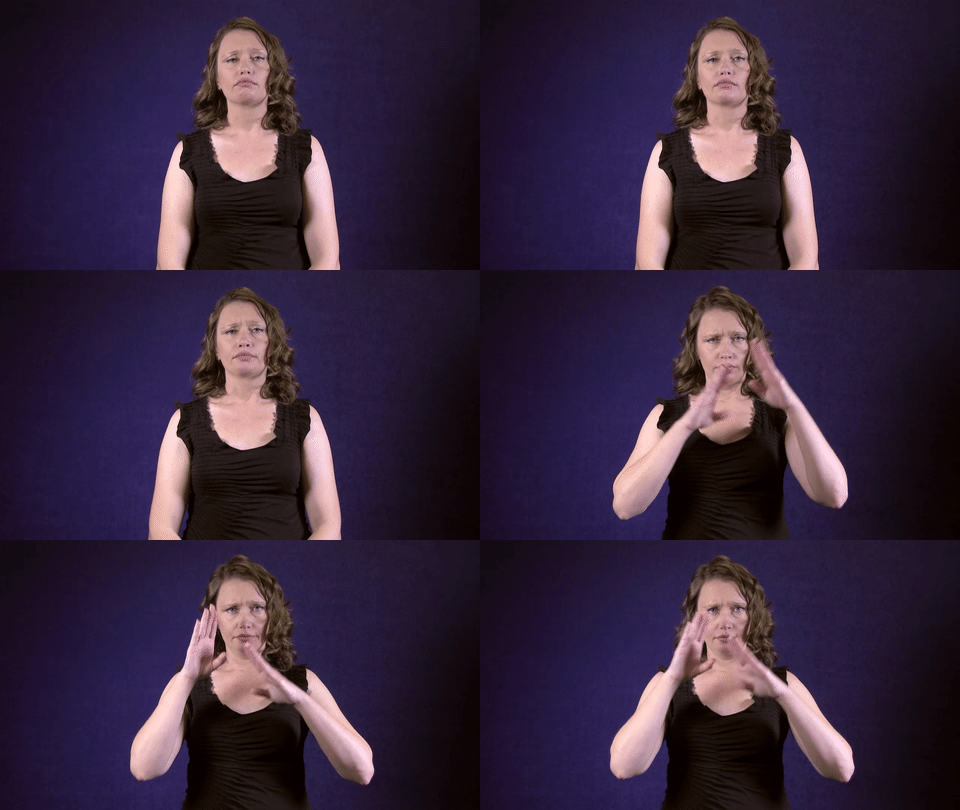
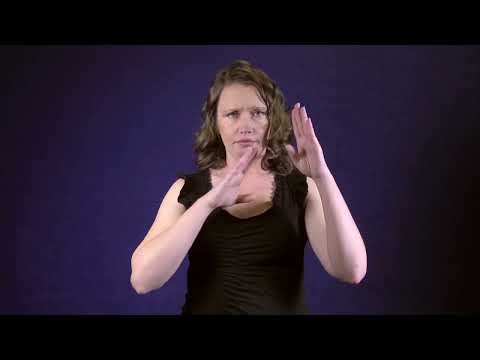
Sign for BE-WORRIED in ASL

YouTube player

Practice Activities:

Start your practice by standing in front of a mirror and repeatedly signing the sign for BE-WORRIED in ASL. Focus on facial expression since emotions are an important part of this sign. Make sure your movements are smooth and consistent. Do this practice for a few minutes each day to build muscle memory.

Next, try using the sign for BE-WORRIED in ASL in different sentences. For example, you can sign: I be-worried about my test tomorrow. Then try: My friend be-worried because she lost her keys. Repeating simple sentences will help reinforce both the handshape and emotion of the sign. Try creating your own sentences related to your daily experiences where worry might apply.

Practice storytelling by imagining a scenario. Tell a short story in ASL where a character feels worried, using the sign naturally in the narrative. For example, describe someone losing their phone at the park and becoming more and more worried as they search. This gives context and helps you use the sign for BE-WORRIED in ASL with expressions, pacing, and transitions.

If you have a partner, practice back-and-forth dialogues. One person signs a problem—like their dog running away—and the other responds with concern, using the be-worried sign and expressive features. Switch roles and continue the exchange using different scenarios.

Label photos or short video clips with signs. Find images of people looking concerned and describe their possible thoughts using the sign in a sentence. This associates visual cues with language production.

Finally, record yourself signing. Watch the playback and observe your handshape, location, and emotional expression. This self-feedback loop makes sure you’re capturing the full meaning of the sign for BE-WORRIED in ASL effectively.

Cultural Context:

In American Sign Language, the sign for be-worried in ASL carries more than just a translation—it reflects how emotions are visually expressed within the Deaf community. Emotions are central to ASL grammar and facial expressions are integral to meaning. When someone uses the sign for be-worried in ASL, they combine the hand movement with a matching facial expression to clearly convey the emotional state. This expression helps communicate urgency or concern, adding depth to the interaction.

The sign for be-worried in ASL also aligns with the cultural value placed on visual clarity. ASL is a visual language, so clarity of emotion is crucial. By raising eyebrows or showing tension in the face while using the sign for be-worried in ASL, signers communicate more effectively. These non-manual markers are part of the fluid, expressive nature of sign language, offering full context in just one movement.

Within Deaf culture, discussing emotions like worry, frustration, or joy often happens through storytelling. When telling a story about a stressful situation, the sign for be-worried in ASL might appear multiple times to show repeated concerns or anxiety. These narratives are more than conversation—they are cultural connections and windows into shared experience.

The sign for be-worried in ASL is also used in educational and therapeutic contexts. Teachers may use the sign when explaining feelings to young Deaf children, helping them understand and communicate complex emotions. Therapists and counselors fluent in ASL utilize the sign for be-worried in ASL as part of guiding clients through stress or difficult times.

ASL is rich with nuance, and different regions or communities may have slight variations of a single sign. Though the sign for be-worried in ASL is generally understood across the U.S., local differences can still reflect the history or interpersonal dynamics of that signing community. This adds personality and identity to the language.

Facial grammar is essential when using the sign for be-worried in ASL. Without the correct facial expression, the intent or depth of feeling may not be understood. It’s this holistic use of the body—hands, face, and upper body—that defines ASL as not just a form of communication, but as a living language woven into culture.

In Deaf storytelling traditions, worry is often depicted with dramatic elements, and the sign for be-worried in ASL plays a central role in delivering that emotion. It may be intensified through repetition, larger movements, or accompanying gestures. This

Extended Definition:

The sign for BE-WORRIED in ASL is a common expression used to show concern, anxiety, or unease. This sign is often used in daily conversations to express feelings about uncertain situations, upcoming events, or someone’s well-being. Recognizing and understanding this sign can help learners engage in more emotionally nuanced conversations in American Sign Language.

To create the sign for BE-WORRIED in ASL, both hands use a loose, curved-handshape like the letter B. The fingertips move in alternating circles near the forehead, almost mimicking the gesture of thinking deeply or being caught up in thoughts. These repeated movements communicate a sense of ongoing concern, which captures the emotional nature of being worried.

As with many ASL signs, facial expressions play an important role when signing BE-WORRIED. A furrowed brow, tightened lips, or a slightly tilted head can be added to give the sign richer meaning. These non-manual markers help convey the intensity of worry and align with the natural facial expressions associated with stress or anxiety.

The sign for BE-WORRIED in ASL can be used in many conversational contexts. For example, you might use it when talking about someone who hasn’t come home yet, a difficult test coming up, or a problem that hasn’t been solved. Because worry is such a universal emotion, this sign will come up frequently in talking about personal experiences, relationships, and emotional states.

It’s important to stay aware of context when using the sign for BE-WORRIED in ASL. It does not always imply serious fear or danger; sometimes it reflects mild concerns or stress over small challenges. The level of urgency or seriousness can be emphasized using facial expressions, tone, and accompanying signs.

In educational or mental health settings, this sign can help individuals express feelings they might not easily say in words. Learners and interpreters alike benefit from understanding how to use the sign for BE-WORRIED in ASL with accuracy and emotion. It helps foster empathy and clear emotional communication.

Variations of the sign might exist regionally or among different signing communities. However, the standard form remains widely understood across the Deaf community in the United States. When learning or teaching this sign, it’s helpful to watch native signers and practice regularly to internalize both the motion and the expression.

In narratives or storytelling, the sign for BE-WORRIED in ASL offers a dynamic visual tool. When combined with other related signs such as

Synonyms: anxious, concerned, troubled, uneasy, distressed

Educational resources: Find related learning materials in our course bank!

Want more? Check out some of our popular learning activities on the homepage!

Need to look up a sign? Use our highly rated dictionary: https://aslinteractive.com/best-asl-dictionary/

Follow us on tiktok: https://www.tiktok.com/@aslinteractive. More social media links at the bottom of this page!

Long-tail Keywords: what is the sign for be-worried in asl, how do you sign be-worried in american sign language, be-worried asl sign

Categories:

tags: Emotions, Language Learning, Telling how one is, Verbs, Everyday activities

Parameters

*Handshape*:

The handshape for the sign for BE-WORRIED in ASL uses both hands in a relaxed “B” handshape, with fingers together and extended, and the thumbs resting lightly along the sides of the hands. The palms face inward toward the head.

In the sign for BE-WORRIED in ASL, the movements of the “B” handshapes alternate in gentle, circular motions near the sides of the forehead. This expressive motion reflects the concept of thoughts swirling, a visual metaphor for worry .

*Palm Orientation*:

The palm orientation for the sign for BE-WORRIED in ASL typically begins with both hands in a “B” handshape, positioned near the forehead with the palms facing in toward the head. The dominant hand circles slightly over the non-dominant hand in a small repeated movement, maintaining the palm-inward orientation throughout.

This inward palm positioning emphasizes the inward emotional state that the sign for BE-WORRIED in ASL aims to represent. Both hands remain relaxed while circling in a gentle motion to convey the feeling of anxiousness or unease.

*Location*:

The sign for BE-WORRIED in ASL is typically produced at the upper chest area, just below the chin and in front of the body. Both hands move in alternating circles near the upper torso, suggesting a repetitive, anxious motion.

This central location in front of the chest helps visually convey the internal feeling of worry. The consistency of this placement reinforces the emotional tone behind the sign for BE-WORRIED in ASL .

*Movement*:

The sign for BE-WORRIED in ASL uses both hands in slightly curved “5” handshapes. One hand hovers near the forehead while the other mirrors it in front of the lower part of the face. The hands alternate making small circular or forward brushing motions near the head, as if thoughts are spinning or circling.

This repeated motion represents the anxious or unsettled feeling associated with the sign for BE-WORRIED in ASL . The movement should be gentle but continuous, capturing an inner restlessness or unease.

*Non-Manual Signals*:

The non-manual signals for the sign for BE-WORRIED in ASL include a furrowed brow, slightly squinted eyes, and a tense or concerned facial expression . The head may tilt slightly forward or shift subtly side to side, reinforcing the emotion of worry or unease. These facial expressions add intensity and emotion, giving more depth and clarity to the sign for BE-WORRIED in ASL.

*Prosody, Dominant/Non-Dominant Hand*:

The dominant hand is open with fingers slightly curved, palm facing inward. The non-dominant hand mirrors the dominant hand, and both alternate in gentle circular motions near the chest, as if stirring emotion or anxiety within. Both hands stay close to the body, conveying an internalized feeling.

The sign for be-worried in ASL uses both hands in fluid motion to express nervousness or unease. Facial expression plays a key role, typically showing concern or distress to match the movement.

Tips for Beginners:

When learning the sign for BE-WORRIED in ASL, focus on the movement and placement of your hands. This sign typically uses both open hands moving in a gentle, circular motion near the sides of your head, mimicking the idea of thoughts stirring in your mind. Keep your movements fluid and slightly forward from your head, not directly touching it, to maintain clarity and prevent confusion with similar signs.

A common beginner mistake when practicing the sign for BE-WORRIED in ASL is making the circles too small or too fast. This can make the sign appear rushed or unclear. Think of conveying a real sense of worry—keep it smooth and paced to reflect that emotion. Also, be mindful of your facial expression. A concerned or thoughtful expression adds important meaning to this sign and helps your communication appear more natural and accurate .

Another tip is to watch native signers perform the sign for BE-WORRIED in ASL in context. Seeing how it’s paired with other signs in everyday sentences helps you internalize the flow and the emotional tone required. Use practice conversations or mirror work to reinforce proper form and timing. Try recording yourself and comparing your sign to a trusted video demonstration to catch subtle mistakes.

Handshape consistency is important. Both hands should mirror each other in shape and motion. Dropped wrists or inconsistent circles can drastically change the meaning or make your signing appear sloppy. Taking the time to develop muscle memory will help your signs become second nature in conversation.

Take breaks and revisit the sign often throughout your learning sessions to reinforce accuracy. Repetition with mindfulness is key. Don’t be afraid to ask for feedback from fluent signers to fine-tune your performance of the sign for BE-WORRIED in ASL.

Connections to Other topics:

The sign for BE-WORRIED in ASL connects closely to emotional and mental state vocabulary in the language. It is conceptually related to signs like ANXIOUS, NERVOUS, STRESSED, and THINK, as all of these share spatial and conceptual grammar involving the head or chest areas. These related signs often use circular movements or expressive facial grammar to indicate internal processing or emotional tension.

In conversational ASL, the sign for BE-WORRIED in ASL can be incorporated into larger phrases and sentence structures to describe a state of mind or a reaction to a situation. For example, it appears in compound concepts like WORRIED-SICK or WORRIED-ABOUT, each combining the base sign with context-specific modifiers. These compounds can differ slightly based on regional variation or the intensity of the emotion being conveyed.

There is also a connection between the sign for BE-WORRIED in ASL and temporal sequencing. Emotions like worry are often linked with future events, so learners may see this sign paired with time indicators like TOMORROW, NEXT-WEEK, or LATER to suggest future-based concern. This illustrates how sign order and temporal markers shape meaning in ASL syntax.

Facial expressions add critical nuance to signs like BE-WORRIED. Raised eyebrows and pursed lips might indicate mild concern, while a furrowed brow and faster movement intensify the emotional content. These subtleties help distinguish the sign for BE-WORRIED in ASL from similar emotional signs and are a vital part of communicating accurately.

In educational or counseling settings, the sign for BE-WORRIED in ASL can connect with feelings vocabulary used in mental health discussions. It reinforces the importance of emotional literacy in ASL and helps signers articulate complex inner states in both peer interactions and therapeutic environments .

Summary:

The sign for BE-WORRIED in ASL communicates a feeling of concern, anxiety, or unease. It captures an emotional state that is universally understood across cultures, yet its expression through sign offers unique nuances specific to Deaf culture.

To perform the sign for BE-WORRIED in ASL, both hands are flat and open (B-handshapes). The dominant hand and non-dominant hand circle near the temples in alternating motions.

This circling motion mimics the repetitive nature of worrying thoughts. The placement of the hands near the head emphasizes that the worry is occurring internally, within the mind.

The sign’s movement is smooth and continuous, which can imply recurring thoughts or persistent concerns. Facial expressions, such as furrowed brows or tight lips, are essential to emphasize the emotional depth of the concept.

In ASL, facial grammar plays a key role in distinguishing between emotional states. For the sign for BE-WORRIED in ASL, a tense or fearful facial expression can amplify the meaning significantly.

In conversations, this sign is often paired with other emotion-related signs like SCARED, ANXIOUS, or NERVOUS. Each helps build a richer emotional narrative during storytelling or explanation.

Linguistically, this verb falls under the category of psychological-state verbs. These are internal actions, not physically visible behaviors, which rely heavily on context and expression.

The sign for BE-WORRIED in ASL is used in a variety of sentence structures. It can appear as a predicate adjective, like “I BE-WORRIED,” or as a verb indicating mental action, as in “I BE-WORRIED about him.”

Like many ASL verbs, it does not conjugate like English verbs do. Instead, tense is established through context and time indicators before the verb, such as YESTERDAY or FUTURE.

From a sociolinguistic perspective, the repeated circular motion in the sign might subtly reinforce the idea of cyclical thought patterns. This aligns with how Deaf culture often conceptualizes internal processes through rhythmic, spatial representations.

Variations in the sign may occur depending on regional sign differences or community preferences. Some signers may show more intense or quick circles based on their dialect or emotional emphasis.

The sign for BE-WORRIED in ASL also intersects with age-based signing. Younger children learning ASL may simplify the motion or over-emphasize the facial expressions to make the emotion clearer.

In educational and therapeutic settings, the sign for BE-WORRIED in ASL helps children and adults discuss their mental states. It becomes a crucial component of emotional vocabulary.

Some users couple this sign with directional indicators by pointing to the subject of their concern. While not required, this allows for deeper narrative storytelling in ASL.

Deaf storytellers often use this sign dramatically in visual performances. It conveys suspense or fear, and is commonly seen in personal stories and dramatic reenactments.

The cultural value placed on transparency in emotions within Deaf culture makes signs like BE-WORRIED highly functional. ASL allows for vivid emotional articulation through a blend of manual signs and expressions.

The sign aligns with a larger theme in ASL—non-manual markers enhancing the full meaning of a manual sign. This holistic approach to language expression is what makes ASL richly textured.

In Applied Linguistics, the sign for BE-WORRIED in ASL can be analyzed for how affective signs reflect emotional intelligence. Users must know when and how to appropriately convey such feelings.

This sign can also be a gateway into discussing psychological concepts in ASL. For example, topics such as anxiety, stress, or panic disorders include this sign as a foundational term.

In Deaf Mental Health research, being able to express emotional states such as BE-WORRIED is crucial. It supports self-advocacy and clear communication between patients and mental health professionals.

It is also interesting that the sign’s structure avoids direct body contact, keeping the movement in space and close to the head. This spatial design builds consistency among similar emotion-based signs situated around the upper body.

Signs like THINK, CONCERNED, and BE-WORRIED often share handshapes and locations. This categorization helps learners see the relationships among abstract mental states in ASL’s lexicon.

You may often see this sign in ASL poetry or visual vernacular performances. The sign’s repetitive, circular nature lends itself well to rhythmic visual storytelling.

Environmental cues may change the delivery of the sign. In moments of urgent worry, the motion becomes faster and more narrow, while calmer concern is displayed with slower, gentler circles.

Teachers of ASL may use the sign in exercises that teach emotional awareness. It allows learners to role-play different social situations where worry is an appropriate response.

The sign for BE-WORRIED in ASL is also connected to expressions dealing with safety and care. For instance, phrases like “I BE-WORRIED about

Want more? Check out some of our popular learning activities!

ASL Interactive Resources

ASLInteractive YouTube Channel

Follow us on tiktok: @aslinteractive.com

Follow us on Instagram: aslinteractive

Facebook page: aslinteractive

Facebook group: aslinteractive

LInkedIn: ASL Interactive LLC

Twitter: @ASL_interactive

*Some information on this page is AI-generated. AI can make mistakes. Please check the information.

Sign for BE-WORRIED in ASL

Responses