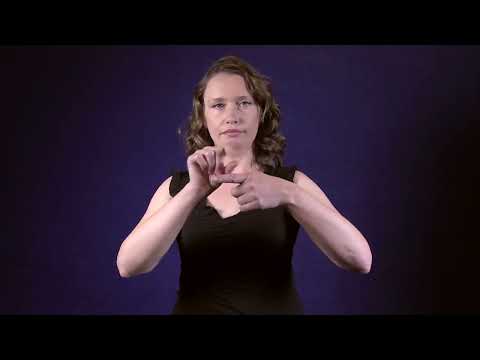
Definition: A type of legume.
Sign for BEAN in ASL

Practice Activities:
Start by practicing the sign for BEAN in ASL in front of a mirror, focusing on the handshape and movement. Repeat the sign slowly and clearly, aiming for smooth transitions between handshapes.
Next, move into vocabulary drills. Sign BEAN alongside related food signs like RICE, SOUP, CORN, and VEGETABLE to build category fluency. Try using flashcards with images of each item and sign the correct word in response.
In sentence practice, sign phrases such as “I like BEAN soup,” “She is cooking BEANS,” and “Do you want BEANS?” This helps connect the sign to everyday language. Work on facial expressions to show liking or disliking depending on the sentence.
Create a short story describing a picnic or dinner, including the sign for BEAN in ASL along with other food signs. For example, “We had BEANS, bread, and watermelon” is a simple sentence that integrates new vocabulary. Record yourself signing and watch to review your pacing and clarity.
Partner up with another learner and play a food description game. One person describes what they’re eating using ASL signs, and the other guesses the dish. Incorporate elements like color, taste, and texture to provide clues, making sure BEAN gets used in some of the food combinations.
Use real-life application by going grocery shopping or cooking while signing each item, such as “Put BEANS in the pot” or “I need to buy BEANS.” Associating the sign with real-life actions helps reinforce memory.
Finally, challenge yourself with speed drills. Set a timer for 60 seconds and try to sign as many related food words as possible, including the sign for BEAN in ASL at least twice. This builds recall speed and accuracy under pressure.
Cultural Context:
In American Sign Language, signs often reflect cultural context and daily life. The sign for BEAN in ASL relates closely to food, meal preparation, and common conversations within the Deaf community. Understanding this sign means connecting with how Deaf individuals talk about nutrition, recipes, and even gardening.
The sign for BEAN in ASL is used in a variety of settings, from family meals to educational environments where food vocabulary is taught. This sign can appear in discussions about favorite foods, dietary choices, or even sustainability topics within Deaf spaces. Knowing this sign helps bridge conversations about cultural dishes and traditions.
Beans are more than just foodâthey play a role in holidays, plant-based diets, and even economic discussions. The sign for BEAN in ASL opens up these conversations in classrooms, Deaf cooking clubs, and everyday social interaction. Whether it’s black beans, pinto beans, or soybeans, this sign adapts in context to different types.
Deaf culture values visual storytelling, and food signs like the sign for BEAN in ASL carry rich meaning. This sign might be used in storytelling about cooking with grandparents or learning to plant a garden. It’s a key sign used in storytelling, personal experiences, and cultural exchanges.
Community gatherings often include shared meals, where signs for ingredients are common. The sign for BEAN in ASL is frequently used during potlucks, cooking classes, or holiday meal planning within the Deaf community. Signing about food fosters inclusion and shared memories.
Learning food signs including the sign for BEAN in ASL helps Deaf children build vocabularies tied to nutrition and health. It’s also useful in health education contexts, where understanding different food groups is necessary. The sign helps convey ideas about healthy eating habits in a visual and accessible way.
In Deaf education settings, food-themed lessons often highlight signs like the sign for BEAN in ASL. Teachers incorporate this sign into interactive games, songs, and storytelling. It forms part of larger lessons about taste, texture, and culinary traditions.
Farmers markets and cooking shows interpreted in ASL often include the sign for BEAN in ASL when discussing legumes and their uses. It’s a helpful sign for conversations about vegetarian and vegan diets, or for identifying ingredients in recipes. The sign helps keep Deaf individuals fully included in food-related conversations.
When traveling or dining out, knowing the sign for BEAN in ASL allows Deaf individuals to express dietary needs or preferences. This can prevent confusion about ingredients and accommodate allergies or recipes. It supports independence and
Extended Definition:
The sign for BEAN in ASL is a simple yet expressive motion that visually represents the shape and concept of a bean. This sign helps convey various meanings based on context, such as food, gardening, or even idioms involving beans. American Sign Language often includes visual elements that align closely with the real-world object, making the sign for BEAN in ASL both intuitive and easy to remember .
To produce the sign for BEAN in ASL, you typically start with the nondominant hand held flat with the index finger extended, acting as a base. The dominant hand uses the index finger and thumb to gently pinch against the tip of the nondominant finger. This motion reflects the idea of a small, seed-like bean and is often used in casual and formal ASL conversations alike.
Different regions and communities might have slight variations in how the sign for BEAN in ASL is performed. These differences don’t change the underlying meaning but can reflect local signing habits or personal preferences. Itâs common to see slight shifts in orientation or speed, depending on the situation or clarity needed in communication.
In everyday conversation, the sign for BEAN in ASL shows up often when discussing meals, recipes, or dietary preferences. Whether youâre talking about refried beans, green beans, or soybeans, this sign helps clarify the specific food being mentioned . It’s especially helpful in educational or family settings where signing about food is common.
The sign for BEAN in ASL can also be expanded upon when discussing different types of beans. You might combine it with other food signs or adjectives to show variety, such as black beans, kidney beans, or baked beans. This flexibility makes it a useful word for both casual and in-depth conversations about meals and nutrition.
For language learners, mastering the sign for BEAN in ASL can be a great stepping stone to understanding more complex sentence structures and food-related vocabulary. Because itâs tied to a common and tangible object, itâs easier to recall and apply in practical situations. Repetition and use in real conversations make retention faster and more effective.
The visual association used in the sign for BEAN in ASL also makes it accessible to children and beginner signers. When teaching kids or new ASL students, this sign is often introduced in lessons about food and colors, since beans come in many varieties. This helps build vocabulary through themes and real-world examples.
Additionally, the sign for BEAN in ASL can appear in idiomatic expressions
Synonyms: bean, legume, seed, pulse, kidney
Educational resources: Find related learning materials in our course bank!
Want more? Check out some of our popular learning activities on the homepage!
Need to look up a sign? Use our highly rated dictionary: https://aslinteractive.com/best-asl-dictionary/
Follow us on tiktok: https://www.tiktok.com/@aslinteractive. More social media links at the bottom of this page!
Long-tail Keywords: what is the sign for bean in asl, how do you sign bean in asl, asl sign for bean
Categories:
tags: Food, Vegetables, Cooking, Supermarket, Eating
Parameters
*Handshape*:
The handshape for the sign for BEAN in ASL involves using the dominant hand in a G-handshape, where the thumb and index finger are extended slightly apart as if holding a small object. The non-dominant hand is held in a 1-handshape, with the index finger extended.
To produce the sign for BEAN in ASL, the G-handshape of the dominant hand moves toward the tip of the non-dominant index finger, mimicking the gesture of placing a small bean. This visual representation clearly connects the motion and handshape to the concept of a small item like a bean .
*Palm Orientation*:
The palm orientation for the sign for BEAN in ASL starts with the non-dominant hand forming a 1-handshape, palm facing inward. The dominant hand uses a G-handshape and moves toward the tip of the non-dominant index finger.
During the movement, the tips of the thumb and index finger of the G-handshape touch near the fingertip of the other hand, simulating the shape of a small bean. This palm orientation supports the visual representation essential in conveying the sign for BEAN in ASL accurately.
*Location*:
The sign for BEAN in ASL is located primarily in the neutral space near the upper chest, slightly in front of the body. The dominant hand is used to demonstrate the shape and concept of a small bean through a subtle pinching motion made toward the tip of the non-dominant index finger.
This sign stays in the area between the lower chest and upper stomach, making it easy to produce and clearly visible. When learning the sign for BEAN in ASL, users should maintain a consistent location to ensure the sign is both accurate and easy to understand.
*Movement*:
To produce the sign for BEAN in ASL, begin with the non-dominant hand in a flat position, palm facing sideways. The dominant hand forms a pinched gesture (as in a small piece held between thumb and index finger) and taps the tip of the index finger of the non-dominant hand.
This motion mimics the small, round shape of a bean. The sign for BEAN in ASL uses a precise, quick tap once or twice to clearly indicate the concept.
*Non-Manual Signals*:
While performing the sign for BEAN in ASL, maintain a neutral facial expression, but slight focus in the eyes can help convey clarity and specificity. The eyes should track the movement of the dominant hand as it contacts the tip of the index finger on the non-dominant hand, helping emphasize the small, precise object being described. Keeping your mouth closed with a neutral or neutral-slightly emphasizing posture reinforces the size and nature of a bean .
For the sign for BEAN in ASL, subtle head nodding may support affirmation or context, like referencing a type of food. Minimal movement and a calm demeanor help keep the viewer’s attention on the handshape and contact, which is essential for accuracy in conveying the concept of a bean.
*Prosody, Dominant/Non-Dominant Hand*:
The dominant hand forms the index finger and thumb in a pinching gesture, representing the small size of a bean. The non-dominant hand is held still with the index finger extended horizontally. The dominant hand pinches near the tip of the non-dominant finger, flicking slightly outward to mimic removing a small seed .
The sign for BEAN in ASL uses minimal movement but clear hand positioning to show the concept visually. This sign is straightforward and iconic, making the sign for BEAN in ASL easy to remember and teach.
Tips for Beginners:
When learning the sign for BEAN in ASL, practice precise finger positioning. The sign involves using the index finger of one hand to tap or flick at the side of the index finger on the other hand near the tipâmimicking the shape or size of a bean. Make sure the motion is clear but gentle, avoiding exaggerated or forceful movement that might confuse interpretation.
Beginners may struggle with timing and fluidity. To master the sign for BEAN in ASL, focus on keeping your movements small and controlled. Overextending the motion or tapping in the wrong area of the finger may result in a different meaning or confusion with other signs.
Clarity is essential. Keep your hands in your signing spaceâaround chest to shoulder levelâand ensure your fingers are relaxed, not stiff. Practice in front of a mirror to monitor your form and ensure your movements are clean and easily visible. This small sign can easily get lost if presented too quickly or without enough contrast between the hands.
Another common issue is finger tension. For a smooth and readable sign for BEAN in ASL, practice stretching and relaxing your fingers before signing. If your fingers are too rigid, the tap/flick can look awkward or be misread by a fluent signer.
Lastly, incorporate context when signing with others. If you’re naming ingredients or food prep, use the sign in context to help reinforce meaning. Repetition in different, real-life situations will enhance muscle memory and increase retention. Donât be afraid to ask more experienced signers for feedbackâit helps fine-tune your technique and builds confidence.
Sign for BEAN in ASL learners should take time to slow down and focus on detail. The more you observe fluent signers and emulate their control and rhythm, the more natural your signs will become.
Connections to Other topics:
The sign for BEAN in ASL connects with broader topics such as food, agriculture, and meal preparation. When discussing vegetables or healthy eating, this sign often appears alongside signs like VEGETABLE, COOK, or SOUP. These groupings are essential for learners developing vocabulary to describe meals or dietary choices more naturally.
The sign for BEAN in ASL might be used in compound forms like GREEN BEANS or BEAN SOUP. These compound constructions help indicate specific contexts and offer clarity. For instance, combining BEAN with GREEN lets the signer clearly distinguish one type from others like BLACK BEANS or PINTO BEANS.
In food-related conversations, BEAN can tie into cultural topics such as traditional dishes from different regions. For example, signing BEAN alongside RICE can refer to a common meal combination in many Latinx and Caribbean cultures. This cultural pairing showcases how signs reflect not just objects but lived experience and tradition.
This word can also offer a link to farming and plant growth. Elementary school topics on gardening or science might include signs like PLANT, GROW, and BEAN when describing bean sprout experiments or plant life cycles . The sign for BEAN in ASL helps support storytelling or educational dialogue in these lessons.
Medical and dietary discussions also benefit from knowing this sign, since beans are high in protein and fiber. Nutritionists or educators may use BEAN alongside HEALTH, STRONG, or PROTEIN in ASL to promote healthy habits. Gym trainers who give dietary advice also incorporate these terms when guiding deaf clients.
Additionally, learning the sign for BEAN in ASL can support receptive skills when watching signed recipes or cooking videos online. Understanding this sign within sequences like BOIL, STIR, and EAT aids in following instructions better, making it crucial for both expressive and receptive users â .
Summary:
The sign for BEAN in ASL typically involves the dominant hand using a thumb and index finger in a pinching shape and tapping or miming a pinching motion along the non-dominant index finger, which represents the shape of a bean pod. This model reflects the idea of small seeds or legumes lined up, mimicking how beans naturally grow. The motion is short and deliberate, often used with a slight forward flick at the end.
The sign is highly iconic, reinforcing the real-world concept of beans being small and numerous, often in rows or clusters. It uses spatial mapping to show both size and arrangement. When done correctly, it gives a strong visual image of what a bean looks and feels like.
In conversations, youâll often see the sign for BEAN in ASL used in discussions around food, agriculture, vegetarian diets, and cooking. It is commonly paired with other food signs like RICE, CORN, TOFU, or SOUP. It also appears frequently in recipes or when talking about dietary preferences.
Some variants of the sign can emerge based on regional dialects or age demographics. In some areas, people may lightly twist the pinching motion, reflecting the diversity of signers across the U.S. These small shifts remind us that ASL, like spoken languages, varies among communities.
Grammatically, the sign for BEAN in ASL functions as a noun but may be incorporated into classifier structures for more complex narratives. For example, a person may use classifiers to show pouring a can of beans or a plant growing from the soil. This adds dimensionality to storytelling in ASL.
Because beans are a global staple food, the sign for BEAN in ASL can also be used to pivot into cultural discussions. Foods made with beans in Latinx, African, and Asian cultures often come up, and ASL users may sign BEAN as part of explaining culturally specific dishes like black beans, edamame, or lentils. The visual clarity of this sign helps make these cross-cultural discussions smoother.
Context plays an essential role in distinguishing types of beans. Although the standard sign refers generically to beans, fingerspelled words often follow it to distinguish the type, such as BLACK BEAN, PINTO, NAVY, or SOY. The sign for BEAN in ASL becomes the base upon which modifiers are added.
People new to ASL easily absorb this sign because it strongly resembles real-world handling of beans. That tactile mimicry builds intuition in learners. Itâs also a favorite among childrenâs early vocabulary lessons due to its visual simplicity.
Applied linguistics research values the sign for BEAN in ASL for its clear example of classifier incorporation and high visual transparency. It also demonstrates morphological flexibility when creating compound signs or embedded narratives. Some studies examine how iconic versus abstract signs affect second-language acquisition in Deaf and hearing learners.
In classifier usage, beans can be portrayed as spilling, soaking, boiling, or growing. Each use varies depending on the storytellerâs imagination and setting. For instance, a garden might be built visually by signing multiple vegetables, including beans, using space and movement to separate them across the signer’s field.
Deaf chefs and culinary instructors often emphasize clear food sign usage. In these contexts, the sign for BEAN in ASL may get reiterated with slight slow-down or paired with role-shifting expressions to dramatize a recipe. These layers of meaning make food-related signs engaging and multi-dimensional.
When teaching cooking in ASL, instructors might role-shift to demonstrate washing or measuring beans. This dynamic allows for better content retention among ASL students. The sign thus helps render complex sequences comprehensible and fun.
The significance of beans in global food supply also ties into broader themes such as sustainability and plant-based eating. When these topics arise in ASL discussions, the sign for BEAN in ASL can appear alongside SIGNS like ENVIRONMENT, GREEN, and HEALTH. It helps bridge daily experiences with global challenges.
Because of its manageable structure and non-complex handshape, the sign is often used in Deaf education contexts to teach food vocabulary. It offers a low barrier to entry for beginner learners and allows them to progress smoothly into more complex discussions. In preschool, it might appear in storytelling or food-themed songs.
ASL poetry sometimes includes the sign for BEAN in ASL when delving into themes of growth, rooting, or nourishment. Because beans symbolize new life or basic needs in many cultures, theyâre a natural metaphor. Using space poetically lets the signer stretch its imagery powerfully.
Hands-on agricultural programs serving Deaf individuals may sign BEAN when describing planting processes, garden layouts, or crop yields. In these vocational spaces, ASL grows to include technical vocabulary. The signâs clarity and adaptability make it a staple in agricultural dialogue.
The subtle pinch movement in the sign connects linguistically to tactile comprehensionâmany people understand this sign viscerally. Signers mimic natural hand actions, which supports embodied learning.
Want more? Check out some of our popular learning activities!
ASL Interactive Resources
ASLInteractive YouTube Channel
Follow us on tiktok: @aslinteractive.com
Follow us on Instagram: aslinteractive
Facebook page: aslinteractive
Facebook group: aslinteractive
LInkedIn: ASL Interactive LLC
Twitter: @ASL_interactive
*Some information on this page is AI-generated. AI can make mistakes. Please check the information.


Responses