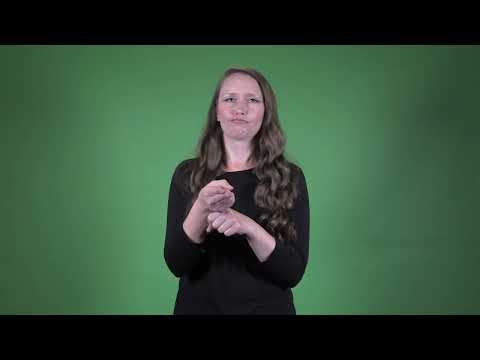
Sign for BEAT YOU in ASL | 🏆 ASL Dictionary

Definition: Idiomatic expression meaning to defeat someone.

Sign for BEAT YOU in ASL

YouTube player

Practice Activities:

To build confidence using the sign for BEAT YOU in ASL, begin by practicing the sign slowly and focusing on facial expressions that match the intensity or emotion behind the phrase. Since this sign often conveys competition or confrontation, practice using assertive or playful facial expressions depending on the context. Use a mirror to ensure clarity and confidence when signing.

Next, create short, simple sentences that naturally use the sign for BEAT YOU in ASL. Example phrases include “I will beat you in chess,” or “She beat you in the race.” Repeat these phrases multiple times, emphasizing fluency and the connection between the sign and the rest of the sentence. Recording yourself and watching the video back can help you identify areas for improvement in both movement and facial grammar.

Try incorporating the sign into storytelling. Create a short narrative where two characters are competing in sports or games. For example, sign a story where one character trains hard to beat the other in a video game tournament. This builds your ability to transition smoothly between signs while maintaining the storyline and emotional tone.

Partner activities enhance interaction and contextual use. Pair up with another learner and take turns acting out competitive scenarios. One partner can sign a challenge, and the other reacts using the sign for BEAT YOU in ASL. Encourage responses to include additional signs that show emotions such as surprised, happy, or frustrated.

Finally, play a game of charades using competitive actions like sprinting or board games. Each time a situation comes up where someone wins or outperforms another, incorporate the sign for BEAT YOU in ASL. This repeated exposure in different fun settings strengthens memorization and use of the sign naturally.

Cultural Context:

In American Sign Language, the sign for BEAT YOU in ASL carries cultural nuances that go beyond the literal translation. This phrase is often used in competitive or playful contexts and understanding the tone of the conversation is key to using it appropriately.

The sign for BEAT YOU in ASL is common among Deaf and signing communities when talking about winning a game, challenge, or competition. It can also be used in friendly banter between friends or family members. This expression usually reflects a spirit of fun and camaraderie, rather than hostility.

Facial expressions and body movements are essential when using the sign for BEAT YOU in ASL. ASL relies heavily on non-manual signals to convey emotion and intent. A lighthearted facial expression can make the phrase feel like teasing, while an intense look might communicate seriousness or frustration.

In Deaf culture, playful competition is embraced in everyday conversation and within community events like sports or gaming tournaments. Using the sign for BEAT YOU in ASL engages with those social customs and shows you understand the cultural attitudes that come with competitive play.

However, it’s important to know when not to use this phrase. The sign for BEAT YOU in ASL, if misunderstood or used in the wrong setting, may unintentionally come across as aggressive. Context and your relationship with the person are critical when using phrases like this.

Deaf culture values respect, expression, and connection. When someone uses the sign for BEAT YOU in ASL, it’s meant to include others in a shared moment of excitement or challenge. It’s often paired with storytelling or recounting an event and shows how Deaf individuals enjoy expressing victories or friendly rivalry.

This sign can also appear in educational, athletic, or recreational settings in the Deaf world. School competitions, family game nights, and community gatherings are all scenarios where the sign for BEAT YOU in ASL might naturally be used, always with an understanding of the environment.

The context in which you learn and use ASL heavily influences how these signs are understood. Learning the sign for BEAT YOU in ASL with an awareness of the Deaf community’s approach to social interaction helps avoid miscommunication and deepens your cultural connection.

ASL is more than just hand movements; it includes values, traditions, and unspoken rules unique to the community. Learning cultural context with signs such as the sign for BEAT YOU in ASL enriches your use of the language and shows your ongoing commitment to respectful communication.

When practicing or teaching ASL,

Extended Definition:

The sign for BEAT YOU in ASL is a casual, expressive way to show dominance, success, or winning over someone in a competitive situation. This phrase is commonly used in friendly gaming contexts, debates, or playful arguments where one person wants to express that they came out on top. It can be seen in sign language conversations among friends, siblings, or peers.

To sign BEAT YOU in ASL, the motion typically involves a striking gesture, often using a dominant hand mimicking a hitting action onto the non-dominant hand. The sign can change slightly depending on the intensity or tone of what the signer is trying to express. Facial expressions play an important role, often showing confidence or amusement to align with the meaning.

The context of this sign is usually informal. It’s not used in professional or formal environments but is perfect for everyday conversations when discussing outcomes of games or challenges. The tone remains lighthearted, and the phrase may even be followed by laughing or signs that soften the competitive message.

When learning the sign for BEAT YOU in ASL, it’s helpful to see it used in real-life settings, such as signed game nights or vlogs featuring Deaf content creators. Watching native signers can help you understand the visual grammar and body language that naturally come with this phrase. The sign also varies slightly by region or even individual preference, so getting immersed in conversations is key.

For example, during a card game or video game where one player wins, they might sign BEAT YOU with a proud or cheeky expression. It sends the message playfully—meaning I won, or I came out ahead this time. Body posture often changes to show confidence, reinforcing the message without verbal speech.

Although the sign for BEAT YOU in ASL is widely understood in Deaf communities, it’s always important to maintain respectful and friendly gestures. Sign language emphasizes emotions and attitudes through facial expressions, so a sign that seems aggressive in one tone can be friendly in another. Make sure your expression matches your intent to avoid misunderstandings.

New learners should practice this phrase with native ASL users or qualified instructors. It’s not only about the hand movement but also about the correct speed, rhythm, and facial features that naturally accompany this conversational phrase. Sign language is highly visual, and this phrase is no exception—body language helps clarify emotion and intent.

The sign for BEAT YOU in ASL can be taught as part of vocabulary around games, emotions, and interpersonal interactions. Teachers and parents can use this

Synonyms: defeat you, surpass you, outdo you, overcome you, outmatch you

Educational resources: Find related learning materials in our course bank!

Want more? Check out some of our popular learning activities on the homepage!

Need to look up a sign? Use our highly rated dictionary: https://aslinteractive.com/best-asl-dictionary/

Follow us on tiktok: https://www.tiktok.com/@aslinteractive. More social media links at the bottom of this page!

Long-tail Keywords: what is the sign for beat you in ASL, how do you sign beat you in ASL, ASL sign for beat you

Categories:

tags: commands, actions, verbs, everyday activities, sports

Parameters

*Handshape*:

The handshape used in the sign for BEAT YOU in ASL typically involves an “A” handshape formed by making a fist with the thumb resting on the side of the index finger. Both hands take this shape during the movement. The dominant hand “hits” down slightly on the non-dominant hand, simulating a strike.

This strong and deliberate motion expresses the concept in the sign for BEAT YOU in ASL, emphasizing the idea of defeating or overpowering someone. The handshapes and contact help convey intensity and emphasis.

*Palm Orientation*:

The palm orientation for the sign for BEAT YOU in ASL involves both hands with palms facing each other in a slightly diagonal direction. The dominant hand moves forcefully across the non-dominant hand in a quick striking motion, simulating the concept of defeating or overpowering someone.

In the sign for BEAT YOU in ASL, the palm of the dominant hand typically faces slightly downward as it strikes or hits against the upward-facing opposite palm. This orientation reinforces the competitive or victorious nature implied in the expression .

*Location*:

The sign for BEAT YOU in ASL is typically produced in the neutral space in front of the torso, slightly off to the dominant side. The hands move forcefully in a motion that mimics striking or defeating someone, staying within the mid-chest to stomach area.

This space allows clear visibility and the emotional tone of the sign to come through. The sign for BEAT YOU in ASL involves strong facial expressions to emphasize intensity or competition.

*Movement*:

To perform the sign for BEAT YOU in ASL, use your dominant hand in the “S” handshape and strike the back of your non-dominant S hand three times in quick succession. The movement is forceful and direct, mimicking a punching or striking action. Facial expression adds emphasis, often showing determination or intensity .

The sign for BEAT YOU in ASL uses aggressive, repeated movement to convey the idea of overpowering someone. The hands stay close to the body, and the motion is controlled but sharp.

*Non-Manual Signals*:

The non-manual signals for the sign for BEAT YOU in ASL include strong facial intensity and a competitive or challenging expression. Eyebrows are usually slightly lowered, and the mouth may form a firm, determined shape like a smirk or tight lips, conveying assertiveness or playfulness depending on context.

When using the sign for BEAT YOU in ASL, body posture may lean slightly forward with direct eye contact aimed at the person being addressed. This adds emphasis to the action and intensity of the message, making the intent clear—often seen in playful teasing or competitive settings.

*Prosody, Dominant/Non-Dominant Hand*:

The dominant hand is typically in a fist shape, representing a striking motion. It moves forward as if delivering a punch or forceful gesture toward the person being addressed, emphasizing intensity or victory. The non-dominant hand may stay at rest or slightly support the motion for balance.

The sign for BEAT YOU in ASL conveys an assertive or playful challenge, often used in competitive or confrontational contexts. Facial expressions are crucial in reinforcing the tone—whether lighthearted or serious. This phrase visually emphasizes action and direction.

Tips for Beginners:

When learning the sign for BEAT YOU in ASL, context is key. This phrase is commonly used in casual or competitive situations, like when you’re talking about winning a game. Make sure you understand the tone when using the sign, as using it too aggressively can be misinterpreted. In friendly competition, your facial expression—like a smile or playful glare—helps convey your intent without seeming confrontational.

Practice the hand movement repeatedly in front of a mirror to ensure your motion is clear and assertive but not overly aggressive. The dominant hand typically mimics a soft punching or jabbing motion toward the non-dominant side, representing “you.” Be sure the motion is controlled and deliberate; rushed or sloppy movements may make your message unclear. Keep your fingers properly shaped and transitions between signs smooth.

Another important tip is to pair the sign for BEAT YOU in ASL with appropriate facial expressions. In ASL, facial grammar carries a significant amount of meaning. An enthusiastic or exaggerated expression adds to the competitiveness, while a neutral or serious face might confuse the context. This is especially true in fast-paced signing during lively conversations or games.

Beginners sometimes forget to establish spatial references early in conversations. Before you use the sign for BEAT YOU in ASL, it’s helpful to assign locations in the signing space for people involved in the dialogue. Point to the person who represents “you” if it isn’t already clear, especially in group settings.

Recording yourself signing can significantly improve your accuracy. Watching playbacks helps you catch inconsistencies, such as unclear angles or misaligned gestures. Also, get feedback from fluent signers whenever possible—they can offer guidance on subtle parts of the signing process like pacing or intensity.

Repetition is crucial—integrate the sign into casual conversations or practice during game nights to make the sign for BEAT YOU in ASL feel natural and fluent over time.

Connections to Other topics:

The sign for BEAT YOU in ASL can connect closely with other competitive or confrontational expressions such as WIN, DEFEAT, and LOSE. These signs are often used in discussions around sports, games, debates, and even informal arguments. The emphasis is typically on the action and the subject performing it, so precision in facial expressions and body shift is key to conveying accurate meaning.

This phrase also overlaps with aggressive or combative sign clusters like FIGHT, ARGUE, or CHALLENGE. Learners can benefit from recognizing how the sign for BEAT YOU in ASL changes depending on the context—whether it’s a playful competition or a serious altercation. For example, in the context of a sports match, the sign often includes excitement in facial expression, while in a more confrontational tone it might be tighter and more serious.

The sign for BEAT YOU in ASL can be combined with directional verbs and spatial referencing to point at who is beating whom. This makes it practical for compound expressions like HE BEAT ME, I BEAT HER, or THEY BEAT US. This directional property builds upon core grammar concepts and is a good illustration of ASL being highly context-dependent.

It can also pair with time indicators or feedback statements such as YESTERDAY, FINISH, or NEVER, creating compound ideas like FINISH BEAT YOU or NEVER BEAT YOU. These layered signs enrich conversations and show temporal or emotional nuance in storytelling.

Additionally, the casual or figurative use of the sign for BEAT YOU in ASL can be compared with slang or idiomatic expressions like WHOOP or DESTROY in English. These sign variations often carry more expressive body language, aligning well with ASL’s visual and emotive nature. Understanding this helps learners navigate both literal and figurative uses more fluently.

Summary:

The sign for BEAT YOU in ASL belongs to a category of expressive and aggressive signs used in casual, competitive, or playful contexts. It typically conveys triumph or dominance over another person, commonly within a sports or gaming setting. However, it can also be used in argumentative tones depending on facial expressions and surrounding signs.

To sign this concept clearly, the dominant hand is used to represent the action of winning or overpowering. One common variation takes shape with a flat hand or an “S” handshape pounding onto the non-dominant flat palm, mimicking a physical beating motion. Facial expressions are dynamic and crucial, often emphasizing smugness, intensity, or playful teasing based on context.

The motion should be delivered with rhythm, aligning with the emotion behind the sign. Forceful movements paired with raised eyebrows or tightened lips give the impression of proud victory. In contrast, exaggerated dramatic movements with a grin or exaggerated squint may convey a humorous or playful tone.

The sign for BEAT YOU in ASL may also include movement that suggests not just physical power but also metaphorical supremacy. For example, in debates or intellectual exchanges, the same sign can be used metaphorically to communicate mental or strategic victory. The distinction again relies on non-manual markers and topic relevance.

One linguistic feature of this sign involves directional verbs. The movement of the dominant hand toward the target individual demonstrates the second-person object, clarifying that “you” are the recipient of the “beating” action. This dynamic structure exemplifies how ASL uses space and movement for grammatical and semantic clarity.

Depending on location and group familiarity, some signers may adapt a more stylized or colloquial version of the sign. Younger users, especially within the Deaf community of gamers or sports enthusiasts, might introduce additional flair or finger gestures to enhance the attitude of the statement. This adaptability shows ASL’s responsiveness to generational and social group influences.

In terms of grammatical usage, the sign for BEAT YOU in ASL often appears at the end of a sentence for emphasis. For instance, a signer might express the competition first, followed by a sharp, pointed rendition of BEAT YOU to cement finality and emotional charge. This sentence structure provides immediate clarity in communication.

Context is essential. Without proper context or nuance, the sign can be misconstrued as hostile or threatening. When misapplied, this can lead to misunderstanding, which is particularly sensitive in interpreter settings or among mixed signing fluency groups. Facial expression and tone modifiers remain key.

This sign co-exists with other competitive signs like WIN, LOSE, or DOMINATE, often used together during sports-related narratives. WIN involves pulling an invisible object from the left hand using a grabbing motion, while LOSE uses a downward flick to indicate failure or defeat. The sign for BEAT YOU in ASL typically appears stronger, more personal, and directly targets the opponent.

There’s an underlying cultural nuance tied into the Deaf community’s embrace of expressive competition. Events like Deaf basketball tournaments or debate clubs use this sign frequently to clap back at rivals or emphasize victories. It becomes a powerful sign of capability and celebration within communal engagements.

Applied linguistics highlights how space, direction, and facial grammar in this sign work together to form a complete narrative without needing additional words. ASL’s visual-gestural mode allows for multi-layered meanings—showing “who beats whom” through directional signing and eye gaze alone. The language economy in ASL shines in such expressive signs.

Children learn this sign during social play, often mimicking adult gestures in card games or physical challenges. Parents and educators sometimes mediate how intensely children use competitive signs to ensure emotional appropriateness. This careful modeling helps children navigate the emotional aspects of signed discourse.

In digital spaces, such as social media videos and livestreams, the sign for BEAT YOU in ASL has also gained visibility. Content creators often incorporate it during storytelling, pranks, or performance to drive comedic or dramatic effect. The increased exposure helps hearing audiences witness the emotive strength of ASL vocabulary.

When translated into English, nuances can be lost. A simple phrase like “I beat you” in ASL carries visual, spatial, and expressive data that text fails to transmit. Interpreters must work closely with clients to relay the emotional and social content behind signs like this, ensuring effective communication across languages.

The sign also connects to themes of identity and empowerment. For many Deaf individuals, signing BEAT YOU with pride during a community event reinforces self-worth and belonging. It becomes more than just a sign—it’s a badge of capability and stamina within Deaf spaces.

ASL poetry and storytelling sometimes invoke the sign for BEAT YOU in metaphorical or symbolic layers. It might reference conquering doubt, oppression, or a personal struggle. These abstract uses elevate the sign into artful territory, showcasing ASL’s potential for layered expression.

The historical evolution of the term also sheds light on how ASL adapts.

Want more? Check out some of our popular learning activities!

ASL Interactive Resources

ASLInteractive YouTube Channel

Follow us on tiktok: @aslinteractive.com

Follow us on Instagram: aslinteractive

Facebook page: aslinteractive

Facebook group: aslinteractive

LInkedIn: ASL Interactive LLC

Twitter: @ASL_interactive

*Some information on this page is AI-generated. AI can make mistakes. Please check the information.

Sign for BEAT YOU in ASL

Responses