Definition: An alcoholic drink made from fermented barley.
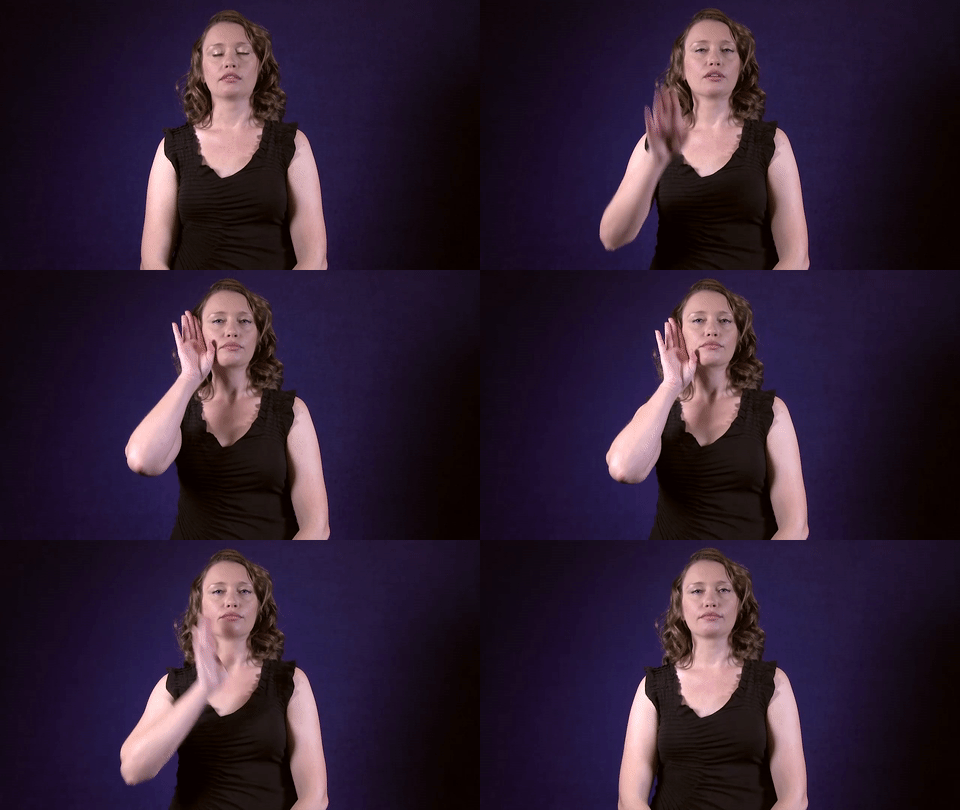
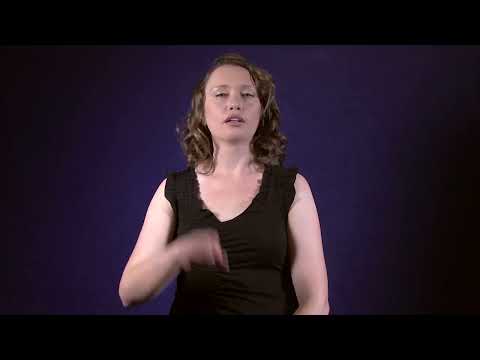
Sign for BEER in ASL

Practice Activities:
To begin practicing the sign for BEER in ASL, stand in front of a mirror and repeat the sign ten times while clearly focusing on handshape and movement. Pay attention to the letter “B” handshape and make sure it’s oriented correctly as it moves across the side of your mouth or chin. This helps build muscle memory and reinforces proper form.
Once you are confident with the sign in isolation, create simple phrases using the sign for BEER in ASL. Try sentences like “Do you like beer?” or “He ordered beer.” Practice saying each sentence aloud while signing to help solidify both the ASL structure and the sign itself. Record yourself and watch the playback to check for accuracy.
To expand context, simulate real-world interactions. Pretend you’re at a restaurant and the waiter asks for your drink order. Use the sentence, “I want beer, please.” Another prompt could be signing a conversation at a party where someone brings different drinks and you respond with preferences using the sign for BEER in ASL. Engage in role-play either alone or with a study partner.
Create a short story set in a social environment like a summer BBQ or bar night. Include actions like talking to friends, offering someone a drink, or running out of beer. Sign the story, emphasizing the use of the sign for BEER in ASL each time it occurs. Try telling the story to another learner or instructor for feedback.
Challenge yourself with a fingerspelling and signing combo. For example, fingerspell “IPA” then follow with the sign for BEER in ASL. This helps in distinguishing label names from the general beverage sign. Ending your session with a recap of new sentences will reinforce your understanding and confidence with the sign.
Cultural Context:
The sign for BEER in ASL is more than just a gesture; it reflects social traditions and cultural attitudes within the Deaf community. Just as in the hearing world, beer is often associated with casual gatherings, celebrations, and relaxing with friends. The sign for BEER in ASL is used in similar social contexts, showing how language and culture intertwine.
Understanding the sign for BEER in ASL helps bridge cultural understanding between Deaf and hearing people. It’s not just about ordering a drink; it can signify shared experiences during get-togethers or community events. In Deaf culture, visual language plays a crucial role in creating meaningful communication, with signs often adapting to cultural norms and practices.
When people use the sign for BEER in ASL, they’re not only asking for a beverage but often sparking conversations about taste, preferences, or recounting social memories. The visual nature of ASL makes these interactions rich and expressive, often adding personality to simple signs.
Deaf clubs, festivals, and gatherings sometimes feature beer as part of the event, much like hearing spaces. Using the sign for BEER in ASL in these settings contributes to the social and inclusive atmosphere of the Deaf community. It’s common to see the sign used alongside laughter, storytelling, and shared experiences that highlight deep cultural bonds.
The sign for BEER in ASL is also frequently taught in American Sign Language classes, as it serves as a stepping stone to learn other beverage-related vocabulary. Teaching this sign in context helps learners understand when and how to use it appropriately. Visual references and real-world examples enhance the learning experience and strengthen cultural competency.
Different regions and ASL users might have slight variations of the sign for BEER in ASL, influenced by local customs or personal style. These subtle changes are part of the natural evolution of language within communities. They reflect the diversity and uniqueness of signing styles across the United States and among different age groups.
In storytelling or jokes, especially in Deaf humor, the sign for BEER in ASL may be used to add flavor to characters or settings. Humor plays a big part in Deaf culture, and everyday signs like BEER often appear in visual stories or performances.
Learning the sign for BEER in ASL helps build a foundation for casual conversation and shows respect for Deaf culture. It highlights the way ASL captures the rhythm of daily life through signs rooted in visual and tactile awareness. By using culturally appropriate signs
Extended Definition:
The sign for BEER in ASL is a common and useful word to know, especially in social settings or when discussing beverages. In American Sign Language, this sign is simple yet culturally accurate, representing the concept of beer through a visual gesture that mimics holding and tapping a beer mug. It’s especially helpful when communicating at restaurants, social gatherings, or in conversational settings related to food and drinks.
To perform the sign for BEER in ASL, form the letter “B” with your dominant hand by extending the four fingers straight and placing the thumb across the palm. Then, tap the side of your mouth or cheek area with the side of the “B” hand. The motion is usually done once or twice and should be smooth and clear. This gesture is understood in Deaf communities as the standard way to refer to beer.
The sign for BEER in ASL can be used both in literal contexts, such as ordering a drink, and in more figurative language when describing preferences or hobbies. For example, when talking about your favorite type of drink or making plans to go out with friends, this sign can add visual clarity to your conversation. It’s a practical sign that helps build real-life vocabulary within ASL conversations.
This sign is often taught early in ASL classes that include lifestyle or casual vocabulary. Learning how to sign familiar drinks like beer helps people feel more confident when signing at restaurants, bars, or parties where communication might otherwise be difficult. It also plays a role in fostering inclusive social interactions between Deaf and hearing individuals.
Some regional variations exist in ASL, but the sign for BEER remains largely consistent across North America. While facial expressions and context can influence how the sign is received, tapping the side of the mouth with the “B” hand remains the clearest and most widely accepted version. As always in ASL, using appropriate facial grammar enhances the meaning and tone of what you are signing.
Adding this sign to your personal ASL vocabulary helps expand your ability to describe common adult beverages. Whether you regularly drink beer or simply want to know how to discuss it, being able to accurately use the sign for BEER in ASL opens the door to broader conversations. It allows for greater connection in various settings, from casual meetups to educational ASL demonstrations.
The gesture represents more than just a beverage—it reflects cultural nuances and offers a lens into how ASL simplifies and visually portrays everyday objects. Using the sign for BEER in ASL can also serve as a stepping
Synonyms: ale, lager, brew, suds, pint
Educational resources: Find related learning materials in our course bank!
Want more? Check out some of our popular learning activities on the homepage!
Need to look up a sign? Use our highly rated dictionary: https://aslinteractive.com/best-asl-dictionary/
Follow us on tiktok: https://www.tiktok.com/@aslinteractive. More social media links at the bottom of this page!
Long-tail Keywords: what is the sign for beer in ASL, how do you sign beer in ASL, what is beer in sign language
Categories:
tags: Beer, Drinks, Socializing, Occasions, Holidays
Parameters
*Handshape*:
The handshape for the sign for BEER in ASL uses the dominant hand in the “B” handshape, with all fingers extended and together while the thumb is tucked across the palm. This forms the base structure of the sign and is key to representing the concept of beer accurately.
To produce the sign for BEER in ASL, the “B” hand taps the lower side of the mouth or edge of the cheek twice, mimicking the motion of tipping a beer bottle. This consistent handshape plays a crucial role in distinguishing the sign for BEER in ASL from other similar signs.
*Palm Orientation*:
The palm orientation for the sign for BEER in ASL is typically vertical, with the palm facing inward toward the signer’s face. Using the dominant hand in the letter “B” handshape, the tips of the fingers gently tap the side of the chin or mouth area.
This orientation mimics the motion of bringing a drink to the mouth, enhancing the visual representation of the sign for BEER in ASL . Keep the movement subtle and the fingers relaxed for clarity.
*Location*:
The location for the sign for BEER in ASL is at the side of the mouth, near the cheek. Your dominant hand makes the letter “B” handshape, and you tap it lightly against your cheekbone once or twice, just to the side of the mouth.
This placement helps clearly distinguish the sign for BEER in ASL from signs with similar movements but different meanings, maintaining clarity in everyday conversation .
*Movement*:
To produce the sign for BEER in ASL, form the hand into the letter “B” handshape. Starting near the side of the mouth or cheek, move the “B” hand downward along the side of the face in a short arc or slight curve. The palm should face inward toward the face throughout the motion.
This sign mimics the motion of tipping a mug to drink and reflects the concept of the drink. The sign for BEER in ASL uses minimal movement, but clear contact and direction are key for accuracy.
*Non-Manual Signals*:
When using the sign for BEER in ASL, the facial expression is typically neutral, but culturally appropriate eye contact should be maintained. Slight eyebrow relaxation helps convey a casual, conversational tone, as the context of the sign is often social or informal.
The non-manual signals for the sign for BEER in ASL do not usually include exaggerated emotions unless influenced by context—such as joking or excitement. A small head nod may be used for emphasis depending on the sentence structure.
*Prosody, Dominant/Non-Dominant Hand*:
For the sign for BEER in ASL, the dominant hand forms the letter “B” handshape. The fingertips of the “B” hand lightly tap the side of the mouth or chin area, typically twice in a gentle motion. The non-dominant hand is not used in this sign.
When producing the sign for BEER in ASL, maintain a relaxed posture and use prosody to match a casual, friendly tone, as this sign is often used in social contexts . The motion should be smooth, and facial expression can reflect the speaker’s attitude or the context of the conversation.
Tips for Beginners:
When learning the sign for BEER in ASL, focus on the handshape first. The correct shape is the “B” hand, with all fingers together and your thumb tucked in. Then, gently tap the side of your cheek near your jawline with the backside of the “B” hand. This motion should be smooth and slightly curved, mimicking the idea of holding a mug or bottle to your face.
Make sure your facial expression is neutral or pleasant, as ASL often emphasizes facial grammar. Avoid exaggerating or slapping the cheek, which can change the sign’s tone or be distracting. With the sign for BEER in ASL, it’s essential to keep the movement light but clear to ensure the message is understood.
Beginners sometimes confuse the pace or position. One common pitfall is signing too low or too far from the cheek. Practicing in front of a mirror helps you target the right part of your face while maintaining a relaxed but specific movement.
Watching native signers and repeating the sign slowly helps you internalize correct technique. You might also try recording yourself to compare form and handshape. Remember that small tweaks—like keeping fingers straight or wrist still—can dramatically improve clarity.
In social contexts, the sign for BEER in ASL can be used frequently at gatherings or casual conversations. This makes it a great addition to your everyday vocabulary. Pair it with signs like DRINK, BAR, or FRIENDS to start forming familiar conversational patterns.
Lastly, don’t get discouraged if it doesn’t feel natural at first. ASL is a visual language, and muscle memory takes time. By paying attention to handshape, motion, and placement, your use of the sign for BEER in ASL will become second nature with regular use.
Connections to Other topics:
The sign for BEER in ASL connects closely with other signs related to drinking, socializing, and alcohol. It’s typically produced by using the dominant hand in the “B” handshape and tapping the side of the mouth or cheek area, symbolizing where a bottle might touch the face. This sign is contextually linked with other beverage-related signs like WINE, WHISKEY, and DRINK, all of which use location or handshape to indicate the type of drink.
Understanding the sign for BEER in ASL can help learners navigate conversations about leisure, dining, health, and moderation. For example, the sign can be combined in conversation with signs like PARTY, HAPPY, or BAR to describe social settings involving alcohol. It also pairs effectively in compound phrases such as NOT-DRINK-BEER or DRINK-TOO-MUCH-BEER to convey personal choices or conditions like intoxication or abstinence.
There are thematic links between the sign for BEER in ASL and cultural or legal topics. The sign may come up in discussions about the legal drinking age, addiction, or medical advice. These connections often require signs like LAW, AGE, or HEALTH to provide full context in ASL sentences or narratives.
The handshape for BEER also plays a role in orthographic families of signs using the “B” handshape, creating a visual association among unrelated signs. While these aren’t semantically connected, they highlight how certain handshapes appear frequently across ASL vocabulary and can help reinforce memory through muscle repetition.
Additionally, knowledge of the sign for BEER in ASL helps when describing occupations or plans involving alcohol, such as BARTENDER or BREWERY, both of which may include fingerspelling or compound signs. These variations enrich vocabulary and deepen understanding of how signs can be adapted or expanded upon in fluent conversation.
Summary:
The sign for BEER in ASL involves a movement that mimics holding a glass and making contact with the corner of the mouth. Using the dominant hand in the letter B handshape, the fingers tap the side of the mouth once or twice, depending on regional variation. The movement is smooth and concise, reflecting the informal and sociable nature of the word.
This sign visually connects to the cultural act of bringing a drink to the lips, reinforcing the link between gesture and meaning in ASL. The orientation of the B hand resembles the flat handle or label of a beer bottle, grounding the sign in concrete imagery. This iconographic approach makes the sign intuitive for many learners.
The sign for BEER in ASL also brings in broader cultural and historical contexts. Beer has long been associated with social gatherings, leisure, and cultural rituals. Incorporating that into the ASL lexicon reflects Deaf culture’s social and communal experiences.
In terms of grammar, the sign for BEER in ASL functions primarily as a noun. However, when paired with appropriate non-manual signals or shifts in facial expressions, it can also work within broader verb phrases or descriptions. For example, BEER + DRINK conveys the action of drinking beer, expanding its function in sentence construction.
There are related signs used frequently alongside the sign for BEER in ASL, like DRINK, WINE, LIQUOR, and PARTY. These signs often help set the context, especially in narratives about celebrations, casual hangouts, or environments like bars and festivals. This interconnection builds lexical fields that are useful for semantic clustering in signed communication.
Regional variations exist in how people sign BEER. Some communities may use a double movement for emphasis or a slightly different contact area near the mouth. Understanding these variations can be essential for fluent cross-regional communication within the Deaf community.
Applied linguistics provides insight into this sign’s handshape and location, considering how signs are stored and retrieved in the mental lexicon. The clear imagery of the B handshape and proximity to the mouth aids recall and reproduction, making the sign for BEER in ASL a memorable lexical item for learners.
From a phonological perspective, the sign features a stable handshape with a single contact point on the dominant side of the face. Its movement is minimal, and the palm orientation typically faces inward. These aspects show how phonemic components in ASL work together to create a visually intuitive sign.
Cultural fluency in ASL includes knowing appropriate contexts for using the sign for BEER in ASL. While it’s considered informal, it’s widely accepted in everyday conversation, particularly when discussing events, preferences, or social habits. Understanding the subtleties of when and how to use the sign appropriately is crucial.
Facial expression plays a key role in modifying the sign. A light, happy expression may indicate enjoyment, while a more neutral or uncertain face could imply moderation or hesitance. This aligns with broader ASL grammatical norms where non-manual markers carry significant meaning.
Students often learn the sign for BEER in ASL early when exploring food and drink vocabulary. Its simplicity and cultural relevance make it a good retention candidate. It often appears in classroom dialogues about preferences, making it a practical and engaging sign to practice.
The iconicity of the sign reflects one of ASL’s strengths as a language. The visual metaphor — bringing a drink to the mouth — makes the sign accessible and logical even for beginning signers. This is particularly useful in multilingual educational settings where ASL is taught alongside English or other spoken languages.
From a sociolinguistic lens, the sign for BEER in ASL also interacts with questions about alcohol use and attitudes in the Deaf community. Historical marginalization of Deaf individuals in public venues has shaped where and how alcohol was consumed, reflected in storytelling and folklore.
Storytelling often employs expressive signs like BEER to anchor narratives in relatable, everyday settings. This adds realism and texture to signed stories, whether they’re humorous, dramatic, or biographical. Observing these performances provides valuable insight into Deaf cultural norms.
The sign also appears in visual literature, Deaf cinema, and theater, especially in scenes portraying celebration, tension, or human connection. Its expressive clarity makes it a dramatic tool as well as a conversational unit of meaning. This adds dimensionality to its use beyond just vocabulary.
In Deaf humor, references to beer, bars, and drinking often surface in jokes and skits. These use the sign for BEER in ASL to build recognizable frames for punchlines or irony rooted in lived experience. Humor becomes another avenue through which the sign maintains cultural relevance.
Code-switching between signed and spoken language contexts sometimes involves fingerspelling brand names or specific types of beer, alongside the general sign for BEER in ASL. This flexibility mirrors similar patterns in spoken English where a general word is paired with a proper noun for specificity.
Learners acquiring ASL as a second language may find this sign particularly rewarding because of its
Want more? Check out some of our popular learning activities!
ASL Interactive Resources
ASLInteractive YouTube Channel
Follow us on tiktok: @aslinteractive.com
Follow us on Instagram: aslinteractive
Facebook page: aslinteractive
Facebook group: aslinteractive
LInkedIn: ASL Interactive LLC
Twitter: @ASL_interactive
*Some information on this page is AI-generated. AI can make mistakes. Please check the information.


Responses