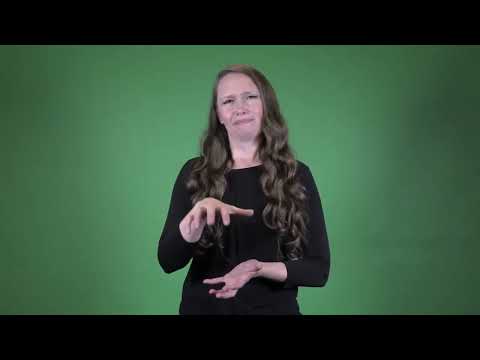
Definition: Idiomatic expression meaning a deep, hearty laugh.
Sign for BELLY LAUGH (idiomatic expression) in ASL

Practice Activities:
To get comfortable with the sign for BELLY LAUGH (idiomatic expression) in ASL, start by practicing in isolation. Use a mirror to watch your facial expression, which is vital in conveying the large, intense laughter associated with this sign. Repeat the sign slowly and then at a natural pace to help build fluency.
Next, create example sentences featuring the sign. For instance, sign phrases like: I saw a funny video, I BELLY LAUGH, or My friend always makes me BELLY LAUGH at lunch. These help integrate the sign naturally into everyday conversation while reinforcing sentence structure and facial grammar.
A great solo exercise is to watch funny videos or read humorous stories and then use the sign for BELLY LAUGH (idiomatic expression) in ASL to express your reaction. Make a video of yourself signing your response and review it for accurate handshape, movement, and facial expression.
Storytelling is another fun way to practice. Create a short story about a time you couldn’t stop laughing and use the idiomatic expression where appropriate. This helps place the sign in real-life context and deepens your comfort with it.
Practice with a partner by telling each other jokes or recounting funny incidents. After each one, use the sign and respond naturally. Your partner can give feedback on your use of expression and clarity of the sign.
Try acting out different emotional responses. For example, show the difference between a small laugh, a giggle, and a full BELLY LAUGH. This will help you understand when it’s most appropriate to use the idiomatic expression and how it differs from other signs for laughter.
Use emoji cues like or to signal when to use the sign during practice sessions. Associating visuals with the idiom enhances recall and application.
Cultural Context:
The sign for BELLY LAUGH (idiomatic expression) in ASL represents more than just laughter — it captures the spirit and emotion of a full, hearty laugh. In Deaf culture, this expression is deeply tied to shared humor, facial expressions, and body movement, all of which are essential elements of American Sign Language. Laughing out loud and expressing real emotion is an important part of creating strong bonds within the Deaf community.
The way Deaf people use facial expressions can amplify the sign for BELLY LAUGH (idiomatic expression) in ASL. Facial grammar brings depth to the sign and shows the intensity of the laughter. A smile, head movement, and even body shaking can turn a simple sign into a vivid picture of joyous laughter that’s felt deep inside.
It’s common in Deaf storytelling to include signs like the sign for BELLY LAUGH (idiomatic expression) in ASL to convey larger-than-life characters or situations. It helps the audience connect immediately with the emotions being described. Humor is shared visually in ASL and that makes signs like this especially powerful and memorable.
The sign for BELLY LAUGH (idiomatic expression) in ASL also reflects how culture and language are deeply intertwined. Idiomatic expressions in ASL often don’t follow English word-for-word translations, and that’s what makes idioms like this one interesting and unique. Understanding this sign means understanding how Deaf people express intensity and humor in visual ways.
In everyday Deaf conversations, the sign for BELLY LAUGH (idiomatic expression) in ASL can pop up naturally when something is genuinely funny. It’s not just a gesture—it’s a complete emotional experience shared visually and physically. Deaf people value authenticity in communication, and this sign communicates genuine joy.
The expression isn’t just used in casual conversation—it’s seen in ASL poetry and theater performances too. The sign for BELLY LAUGH (idiomatic expression) in ASL helps performers express big emotions that reach across the stage. Audiences don’t just watch the sign—they feel it.
Because ASL is a visual language, signs like the sign for BELLY LAUGH (idiomatic expression) in ASL often include exaggerated movement and facial expression. This isn’t overacting—it’s an essential part of the grammar and cultural expression. Deaf communication is rich and layered, and idiomatic signs capture that complexity.
Children in Deaf families often learn signs like the sign for BELLY LAUGH (idiomatic expression) in ASL early on because laughter is such
Extended Definition:
The sign for belly laugh (idiomatic expression) in ASL captures the expressive and full-body nature of this kind of laughter. A belly laugh refers to deep, joyful, and uncontrollable laughter that shakes your whole body. In American Sign Language, idiomatic expressions like belly laugh are communicated using a combination of facial expressions and body language along with hand signs.
To sign belly laugh, you typically begin with a gesture that mimics laughing, such as using both hands in a rhythmic motion moving up and down near the stomach. This mimics the bouncing motion of the belly when someone laughs hard. The facial expression is crucial—it should show joy or amusement, with your mouth open in a wide smile and sometimes even with actual laughter to convey the genuine emotion.
In ASL, idioms like this are not always translated word for word, since direct translation doesn’t always convey the intended meaning. Instead, signers rely on conceptual accuracy. That means the sign for belly laugh (idiomatic expression) in ASL focuses on conveying the feeling and physical sensation of laughing deeply instead of translating each word literally. Context, reactions, and visual variety all help in expressing the idiom.
When teaching the sign for belly laugh (idiomatic expression) in ASL, instructors often stress that laughter in ASL is highly visual. The sign must reflect a hearty, deep laugh that comes from the belly with shoulders bouncing to show intensity. Adding signs like VERY or TRUE before the laugh sign can emphasize how strong or genuine the laughter is.
This idiom is often used in conversations about funny stories, slapstick humor, or jokes that cause an overwhelming response of laughter. It can also describe someone else’s reaction—for example, you could say your friend had a belly laugh after hearing a joke, with the sign showing just how much they reacted. These real-world contexts help learners cement the idiom into memory and understand how emotions are shown physically in ASL.
The sign for belly laugh (idiomatic expression) in ASL also appears in signed storytelling. Translators and performers use exaggerated gestures, facial expressions, and timing to show the moment of uncontrollable laughter, often getting a meaningful response from Deaf viewers. This keeps stories dynamic and relatable. When used properly, the sign allows Deaf and hearing signers alike to paint vivid emotional pictures in their narratives.
Another important aspect of this idiom in ASL is cultural. In Deaf culture, visual expressions are key to effective communication. A real-life belly laugh is often shared visually,
Synonyms: hearty laugh, guffaw, deep laugh, full-belly laugh, roaring laugh
Educational resources: Find related learning materials in our course bank!
Want more? Check out some of our popular learning activities on the homepage!
Need to look up a sign? Use our highly rated dictionary: https://aslinteractive.com/best-asl-dictionary/
Follow us on tiktok: https://www.tiktok.com/@aslinteractive. More social media links at the bottom of this page!
Long-tail Keywords: what is the sign for belly laugh in ASL, how do you sign belly laugh in American Sign Language, ASL sign for belly laugh meaning
Categories:
tags: belly laugh, ASL emotions, American Sign Language laughter, expressing humor in ASL, ASL facial expressions
Parameters
*Handshape*:
The handshape for the sign for BELLY LAUGH (idiomatic expression) in ASL uses both hands in loose “claw” handshapes, resembling the number five with fingers curved slightly. The hands begin at the diaphragm area, then bounce slightly as if expressing uncontrollable laughter from deep in the belly. This expressive motion helps convey the depth and intensity of the sign for BELLY LAUGH (idiomatic expression) in ASL . The exaggerated gesture supports its idiomatic meaning and strong emotional tone.
*Palm Orientation*:
For the sign for BELLY LAUGH (idiomatic expression) in ASL, the palm orientation typically begins with both hands in a “5” handshape, positioned in front of the stomach area. The palms are facing inward toward the body to represent the deep, gut-level laughter implied in a belly laugh .
As the sign progresses, the hands often slightly shake or bounce while maintaining the inward palm orientation. This dynamic movement enhances the expressive nature of the sign for BELLY LAUGH (idiomatic expression) in ASL.
*Location*:
The sign for BELLY LAUGH (idiomatic expression) in ASL is typically produced in the torso area, close to the stomach. The movement often starts mid-torso, where the dominant hand mimics the motion of holding the belly while laughing deeply.
This sign stays centered in the neutral space in front of the body, around the upper abdomen. Since the sign for BELLY LAUGH (idiomatic expression) in ASL conveys a deep emotional reaction, the location enhances the expressive intensity of the movement.
*Movement*:
The sign for BELLY LAUGH (idiomatic expression) in ASL starts with both hands in a slightly curved “5” handshape placed near the stomach. The hands bounce outward repeatedly while the shoulders may shake slightly, mimicking the deep motion of a hearty laugh . Facial expressions are crucial—eyes may squint, mouth open wide in a shouting or laughing expression to enhance the emotional tone.
The movement suggests laughter coming from deep within the body, adding a dramatic emphasis. The sign for BELLY LAUGH (idiomatic expression) in ASL combines hand motion and expressive body language to reflect uncontrollable, joyful laughter.
*Non-Manual Signals*:
The non-manual signals for the sign for BELLY LAUGH (idiomatic expression) in ASL typically include a wide, open-mouthed smile or visible laughter, with the shoulders bouncing naturally as if laughing hard. Eyebrows remain neutral or slightly raised to reflect genuine humor and spontaneity .
To accurately express the sign for BELLY LAUGH (idiomatic expression) in ASL, the signer should show an authentic emotional reaction, such as squinting eyes or tilting the head back slightly to suggest uncontrollable laughter. These signals help convey the natural intensity of a deep, physical laugh.
*Prosody, Dominant/Non-Dominant Hand*:
The sign for BELLY LAUGH (idiomatic expression) in ASL uses both hands, typically with the dominant hand initiating the motion. Both hands are open and placed near the stomach area, bouncing outward to mimic the physical act of laughing from the belly. Facial expression is essential—eyes squinting and mouth wide to express deep, genuine laughter.
For the sign for BELLY LAUGH (idiomatic expression) in ASL, the dominant hand may lead the motion slightly more, especially if exaggerating the expression. Non-dominant hand mirrors the action to maintain balance and symmetry. This sign is expressive and builds on the concept of uncontrollable, full-body laughter.
Tips for Beginners:
When practicing the sign for BELLY LAUGH (idiomatic expression) in ASL, aim to exaggerate the physicality of the sign to clearly convey the depth and emotion of the laugh. This expression is more than a typical laugh—it indicates uncontrollable, full-body laughter, so lean into the movement and show your body shaking slightly or your torso moving forward. Remember that your facial expressions should match the intensity of a real belly laugh to make the idiom fully clear to Deaf viewers.
One common pitfall when trying the sign for BELLY LAUGH (idiomatic expression) in ASL is underplaying the expression. If your body is too still or your face looks neutral, the sign may be interpreted as a general laugh instead. Make sure your shoulders rise and fall slightly, and let your mouth open wide with a bold smile or laughter expression. The combination of motion and facial emotion helps communicate the idiomatic meaning, not just the literal sign.
Another good tip is to watch fluent signers or videos to get a sense of how the sign for BELLY LAUGH (idiomatic expression) in ASL plays out in real conversations. Pay attention to how signers incorporate body language such as shoulder shaking, open mouth laughs, and even knee slapping or leaning backwards, depending on the context. These choices make the idiom feel more alive and relatable.
Practice is key—stand in front of a mirror and rehearse the sign along with facial expressions. You could record yourself and review the video to check how natural your sign comes across. Don’t be afraid to laugh at yourself while learning the sign for BELLY LAUGH (idiomatic expression) in ASL—it’s part of the fun and helps reinforce the emotion behind it!
Connections to Other topics:
The sign for BELLY LAUGH (idiomatic expression) in ASL connects closely to other expressive and emotionally rich signs such as LAUGH, FUNNY, and ENJOY. It combines both facial expression and body movement to depict the full-bodied nature of a deep, genuine laugh. This mirrors how ASL often layers grammatical and emotional context through physical cues beyond just handshape and motion.
In ASL, the concept of intensifying an emotion or action is common. Signs like LAUGH-a-lot or LAUGH-HARD use repeated movements or exaggerated expressions. Similarly, the sign for BELLY LAUGH (idiomatic expression) in ASL draws from this tradition, emphasizing the intensity and involuntary nature of such laughter. It serves as a compound form that carries more meaning than the base sign for LAUGH.
This idiomatic sign also intersects with the broader category of emotional expressions in ASL. Signs like CRY, SHOCKED, and EXCITED all use body language to enhance meaning. A signer who understands the nuance of the sign for BELLY LAUGH (idiomatic expression) in ASL can better interpret and express layered emotions, especially in storytelling or comedic retelling of events.
ASL storytelling frequently incorporates idiomatic signs like this one to create vivid and engaging narratives. A signer might set up a story, build a humorous context, and climax with the sign for BELLY LAUGH (idiomatic expression) in ASL, enriching the viewer’s experience. This makes the sign useful in both casual and performance contexts.
Additionally, this idiomatic sign shows how ASL adapts spoken English phrases visually and conceptually. Just as the English phrase “belly laugh” implies laughing from deep within, the ASL version captures that depth through movement and facial expression. It’s a good example of how meaning is constructed across languages through idioms and embodied communication.
Summary:
The sign for BELLY LAUGH (idiomatic expression) in ASL conveys more than just a physical action—it captures a strong emotional reaction. It represents an uncontrollable and deep form of laughter, one that originates from the stomach and expresses joy, surprise, or amusement without reserve.
In ASL, this expression is typically conveyed through a combination of body language and facial expression. The hands are important, but the movement of the body and the involvement of the stomach region make the idiom more vivid and clear.
A common way to render the sign for BELLY LAUGH (idiomatic expression) in ASL includes pantomimic elements. The signer may place both hands on or near the belly and simulate shaking, while throwing the head back slightly with a wide-mouthed smile or laugh.
This sign is highly idiomatic, meaning its interpretation is dependent on cultural context. While English speakers use “belly laugh” figuratively, ASL must rely on visual representation. It often combines established signs with classifiers and body cues to give the full idea.
The sign often includes an exaggerated motion of the torso. The body may jerk slightly forward or bounce lightly to imply the physical reaction of laughing hard. A fake or real audible laughter may accompany the sign for emphasis and authenticity.
Facial expression is critical in showing it’s a true belly laugh and not a light chuckle. Raised cheeks, eye crinkles, and mouth wide open in expression of laughter are part of the grammatical features required for accurate communication in ASL.
The language structure in ASL does not translate idioms word-for-word from English. Therefore, the sign for BELLY LAUGH (idiomatic expression) in ASL leans heavily on meaningful mimicry, classifiers, and exaggeration to share the intended emotion.
Another way ASL users show a belly laugh is by combining the sign for LAUGH with emotional intensity signs. For instance, they might sign “LAUGH++” while puffing the cheeks or rocking the torso to simulate the forceful laugh that emerges from the abdomen.
Linguistically, this sign is an example of how ASL incorporates visual metaphors. The concept of the laugh emerging from the belly area is translated into body motion and spatial use, not through vocabulary alone.
The use of space and depth in the sign adds to the narrative aspect of ASL. Many ASL users combine gestural storytelling with this phrase to show the context of the laugh: who laughed, why it was funny, and how intense the moment was.
This idiomatic sign exists comfortably inside Deaf culture, where humor plays a central role in community engagements. Deaf storytelling often includes humor and exaggeration, and the sign for BELLY LAUGH (idiomatic expression) in ASL plays a key role in those exchanges.
Since ASL is a visual language, signs like this rely on embodied expression—one’s full physical engagement. Users must lean into performance, which aligns with the expressive nature of Deaf performance poetry and folklore.
The sign is grammatically flexible and can be modified to indicate different tenses or intensities. Non-manual markers, such as head tilts, squinting eyes, and breathy inhalations, might be layered onto the base gesture to signal past or ongoing action.
Some signers may introduce the laugh by first indicating the source of the humor or surprise, setting up the cause of the belly laugh before diving into the sign itself. It acts like building comedic tension before delivering a punchline.
Within applied linguistics, the idiomatic nature of this sign is a key teaching moment. It helps highlight how idioms in ASL are not directly translatable but instead must be taught through culturally situated visual-metaphoric frameworks.
In Deaf education and interpretation, conveying the full meaning and emotional level of the sign for BELLY LAUGH (idiomatic expression) in ASL is essential. It’s not enough to know the gesture; the interpreter must embody the depth of the feeling.
In multilingual contexts, this sign challenges interpreters to rely on cultural knowledge over word-for-word substitution. English expressions like “rolling with laughter” or “laughing until your sides hurt” may overlap, but the signs are built differently in ASL.
The embodiment in this idiom connects with broader themes in ASL such as embodiment and role shifting. The signer often visually imagines themselves or another rolling in laughter, which offers a 3D storytelling element to the expression.
This sign can link to other emotional gesture clusters such as CRY FROM LAUGHING or FALL BACK LAUGHING. These emphasize emotional peaks and combine several ASL elements for richer communication.
The link between language and gesture becomes deeply visible in this idiom. It shows how gestures can be semi-conventionalized within ASL yet remain subjective and performative, thriving within a community standard.
Sometimes, a signer might animate the moment so effectively that the observer mentally experiences the laughter. This mental simulation is part of ASL’s neurologically
Want more? Check out some of our popular learning activities!
ASL Interactive Resources
ASLInteractive YouTube Channel
Follow us on tiktok: @aslinteractive.com
Follow us on Instagram: aslinteractive
Facebook page: aslinteractive
Facebook group: aslinteractive
LInkedIn: ASL Interactive LLC
Twitter: @ASL_interactive
*Some information on this page is AI-generated. AI can make mistakes. Please check the information.

Responses