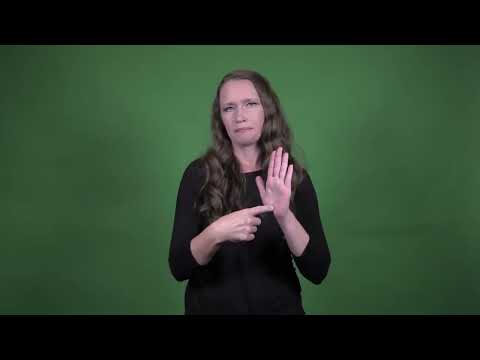
Sign for BILLS in ASL | 💵 ASL Dictionary

Definition: Documents detailing money owed.

Sign for BILLS in ASL

YouTube player

Practice Activities:

To practice the sign for BILLS in ASL, begin by isolating the sign and repeating it slowly in front of a mirror. Focus on the non-dominant hand acting as a flat surface like a piece of paper, while the dominant hand mimics writing across it with the index finger. Do this multiple times to build muscle memory and ensure clarity.

Once comfortable, try using the sign for BILLS in ASL in short phrases. Say sentences like: “I need to pay my bills,” or “My bills are expensive.” Sign these slowly while ensuring each part of the sentence is correct, particularly the transition into and out of the sign for BILLS. Record yourself and play it back to check facial expressions and fluidity.

Practice identifying and signing common types of bills, such as electricity, water, or internet. Fingerspell the type of bill first, then follow it with the sign for BILLS in ASL. For example, fingerspell “G-A-S,” then sign BILLS. This helps reinforce vocabulary building and improves fingerspelling skills.

Storytelling activities can include creating a short narrative about receiving bills in the mail and how you pay them. Add signs for concepts like WORK, EARN, MONEY, BANK, COMPUTER (if paying online), and STRESS to build fluency. This encourages the use of the sign in a more natural, flowing context.

Work with a partner and take turns signing phrases involving everyday life and finances. One partner can describe a scenario using bills, while the other responds with a related sentence. This gives both practice in understanding and producing the sign for BILLS in ASL and builds comprehension in dialogue.

Finally, try a role-play activity where you act as a customer paying bills at the post office or using a phone to get bill help. These situational practices help deepen understanding of the vocabulary and reinforce signing in real-world interactions.

Cultural Context:

In the Deaf community, the concept and sign for BILLS in ASL is closely connected to daily life and financial independence. BILLS refer to regular payments like rent, utilities, or subscriptions, and the sign for BILLS in ASL makes communicating about finances clear and accessible among signers.

Understanding the sign for BILLS in ASL is essential when discussing money matters, especially in settings like schools, banks, or when budgeting at home. It helps bridge communication gaps, allowing Deaf individuals to express concerns about due dates, amounts, or the need for assistance with comprehension of written bills .

Language in the Deaf community isn’t just about vocabulary—it reflects cultural experiences. The sign for BILLS in ASL is often used in conversations about adult responsibilities, making it a common term in everyday discussions. It connects signers through shared experiences, especially when navigating the challenges of independent living.

For many Deaf adults, learning how to manage bills is a key step into adulthood. Using the sign for BILLS in ASL in social and educational environments encourages open discussions about affordability, saving, and the cost of living. Financial literacy workshops and community events often incorporate signs like BILLS to ensure everyone understands the topic clearly .

In informal settings, the sign for BILLS in ASL might be used casually with friends when discussing paychecks, budgeting, or even frustrations over unexpected expenses. Humor and shared sighs over increasing bills create a sense of belonging among Deaf individuals who experience similar financial challenges.

In classrooms, teaching the sign for BILLS in ASL helps Deaf and hard-of-hearing students gain essential life skills. From mock budgeting activities to real-life assignments on paying bills, educators use it as part of life-skills training. It ensures students are fully equipped to handle adult responsibilities later on.

Deaf professionals also rely on the sign for BILLS in ASL during work meetings, especially in finance, customer service, or business settings. Whether talking about invoices, expenses, or loans, this sign enables clear and accurate communication. It provides Deaf employees and clients with greater autonomy and confidence in financial matters .

Technology and the digital age have changed how bills are managed. With apps, emails, and e-payments, the sign for BILLS in ASL blends traditional and modern contexts. Deaf people use it when talking about paper or electronic bills alike, showing how this sign evolves with technology.

Many interpreters and service providers also use the sign for BILLS in ASL in healthcare,

Extended Definition:

The sign for bills in ASL is useful when discussing household expenses, payments, or financial responsibilities. In American Sign Language, understanding how to express this concept helps improve daily communication, especially when budgeting or paying for services. Whether you’re referring to utility bills, rent, or credit card statements, this sign is practical and commonly used by ASL users.

To sign bills in ASL, the dominant hand often mimics the gesture of writing or handling paper, depending on the context. The motion may vary slightly between signers, but the overall idea is understood across various regions. It’s a visual way to show you’re discussing paper or digital invoices that require payment.

Bills in ASL are also a part of broader finance-related vocabulary. Learning signs that connect to money management, such as bank, paycheck, or cost, can enhance your understanding of the sign for bills in ASL. When used in complete sentences, this sign helps provide clarity in conversations about financial obligations.

It’s common to use this sign during discussions about monthly planning or when telling someone they need to pay their bills. Whether you’re at home, in a business setting, or handling finances with a partner, knowing the sign for bills in ASL makes communication more accessible. It can also help reduce misunderstandings when discussing money-related topics.

Some signers combine the sign for bills with facial expressions to show urgency or concern about overdue payments. Non-manual signals play a key role when using the sign for bills in ASL, helping to express emotions and intent. This added layer of communication reflects the language’s richness and depth.

Children and adults learning ASL benefit from practicing this sign within real-life scenarios. Signing bills in context, like talking about rent due dates or electricity costs, allows learners to retain the vocabulary. Over time, it builds a stronger foundation in everyday ASL conversations.

You might also see variations of this sign when people are talking about specific types of bills, such as medical bills or cell phone bills. These differences depend on personal signing style or regional variation, but they all relate back to the main concept. Recognizing these variations helps you understand a wide range of signing styles.

Interpreters often use the sign for bills in ASL during meetings, customer service interactions, or educational sessions related to personal finance. Its use makes important topics more accessible to the Deaf community. Inclusion of these keywords in everyday conversation supports equal access to essential information.

Whether you’re practicing alone or with a community, understanding how to sign bills in ASL

Synonyms: invoices, statements, charges, fees, expenses

Educational resources: Find related learning materials in our course bank!

Want more? Check out some of our popular learning activities on the homepage!

Need to look up a sign? Use our highly rated dictionary: https://aslinteractive.com/best-asl-dictionary/

Follow us on tiktok: https://www.tiktok.com/@aslinteractive. More social media links at the bottom of this page!

Long-tail Keywords: what is the sign for bills in ASL, how do you sign bills in ASL, sign language for bills

Categories:

tags: money, finance, budgeting, expenses, payments

Parameters

*Handshape*:

The handshape for the sign for BILLS in ASL begins with an open flat hand, palm facing the body, representing a sheet of paper or a bill. The dominant hand, using the tip of the index finger, touches the upward-facing palm near the base and then moves slightly downward, mimicking the motion of reading or referencing a document.

This motion mirrors the idea of receiving or showing a bill. The sign for BILLS in ASL uses clear, purposeful finger placement to convey financial documents such as invoices or statements.

*Palm Orientation*:

The palm orientation for the sign for BILLS in ASL typically involves the non-dominant hand held upright, palm facing the signer, as if representing a sheet of paper. The dominant hand uses a flat hand or an index finger to swipe downward or tap near the base of the non-dominant hand, simulating the motion of reading or paying a bill.

In the sign for BILLS in ASL, the palm of the dominant hand usually faces inward or slightly downward as it moves. The positioning conveys the concept of documents or statements being checked or received . This palm orientation is essential to effectively communicate the meaning behind the sign for BILLS in ASL.

*Location*:

The sign for BILLS in ASL is generally produced in the neutral space in front of the chest. This location allows for clear visibility of the motion that mimics handing over or receiving paper, such as a statement or invoice. The palm-up orientation and natural movement are key components.

Maintaining the sign near the center of the torso helps keep it distinct. This placement ensures the sign for BILLS in ASL can be easily recognized within the context of financial discussions or daily transactions .

*Movement*:

To produce the sign for BILLS in ASL, use your non-dominant hand in a flat position, palm facing you, as if representing a sheet of paper. With your dominant hand in an “L” shape, tap the tip of the thumb under the palm twice, mimicking the action of checking or paying a bill.

The movement resembles pulling out or reviewing a statement. The sign for BILLS in ASL visually illustrates handling financial papers, like invoices or charges . Keep the motion concise and rhythm steady to convey clarity in the meaning.

*Non-Manual Signals*:

The Sign for BILLS in ASL typically includes focused, slightly furrowed brows and a serious or neutral facial expression to match the concept of receiving or paying expenses. Slight head nods may accompany the motion for emphasis, especially when indicating multiple bills or ongoing responsibility.

When expressing the Sign for BILLS in ASL, avoid smiling or overly relaxed facial cues, as this can conflict with the financial or practical nature of the term. Maintain direct eye contact when signing in a conversational context.

*Prosody, Dominant/Non-Dominant Hand*:

The sign for BILLS in ASL uses the dominant hand in an index finger shape, while the non-dominant hand is held flat, palm facing up. The dominant index finger “writes” or taps down near the base of the non-dominant palm, mimicking the action of marking or reviewing paper details.

To clearly express the sign for BILLS in ASL, maintain consistent palm orientation and a deliberate tapping motion to reflect the concept. Facial expressions can reinforce the idea of finances or responsibility related to bills .

Tips for Beginners:

When learning the sign for BILLS in ASL, one helpful tip is to associate the sign with the idea of receiving a bill or invoice. This sign typically involves mimicking the motion of handing over or presenting a document. Be sure to keep your movements clear and deliberate so your meaning is easily understood. Beginners may find it useful to practice in front of a mirror to ensure clarity.

The sign for BILLS in ASL requires accuracy in finger positioning and facial expressions. It’s essential to pay attention to the direction of your hands and how you incorporate the concept of money or paperwork. One common pitfall is signing too quickly or too stiffly, which can confuse viewers. Practice slowly at first and then build up speed as your confidence grows.

Using facial expressions can add context to the sign for BILLS in ASL. For example, a frustrated expression might convey that the bills are overwhelming, while a neutral look keeps the message simple. Don’t underestimate how facial grammar supports the meaning in ASL. Make sure your expressions match your message to keep communication natural.

Practice relating the sign to real-world contexts, like discussing rent, utilities, or unexpected expenses. This not only strengthens your signing fluency but helps reinforce vocabulary related to the sign for BILLS in ASL. The more you practice using the sign in meaningful ways, the easier it becomes to recall when needed.

To reinforce memory, incorporate flashcards or ASL video resources that focus on money-related vocabulary including the sign for BILLS in ASL. Watching how native signers use the sign in sentences can guide you to natural usage. Consistency and exposure are key—integrate this sign into everyday practice and everyday conversations about life expenses.

sign for BILLS in ASL, ASL sign for BILLS, how to sign BILLS in American Sign Language, learn the sign for BILLS in ASL, BILLS sign language ASL, American Sign Language BILLS sign

Connections to Other topics:

The sign for BILLS in ASL is closely related to financial and transactional vocabulary. It connects directly with signs like MONEY, PAY, BANK, and DOLLAR, often used in similar contexts involving debts, expenses, or financial obligations. This makes it especially useful in everyday conversations about budgeting, rent, utilities, and taxes.

In compound signs, the sign for BILLS in ASL may be combined with specific categories such as ELECTRIC, GAS, or PHONE to describe specific types of bills. For example, pairing the sign for ELECTRIC with BILLS creates a contextualized reference to an electric bill. This kind of compounding adds specificity and allows more fluent and efficient communication in topics related to finance.

The sign also overlaps in usage with the concept of DOCUMENT or PAPER, especially when discussing paperwork or mail related to billing. This makes signs like PAPER and LETTER relevant when using the sign for BILLS in ASL, especially when explaining where or how the bill is delivered, such as through mail or email.

Contextually, the sign is often used in scenarios involving budgeting or financial planning. It naturally complements phrases like MONTHLY BILLS or TOO MANY BILLS, where it’s important to indicate recurring or burdensome financial obligations. This provides learners with realistic applications that help reinforce the meaning through functional usage.

Learners can benefit from comparing this sign with CREDIT, DEBT, or LOAN to understand nuanced differences in financial vocabulary. For example, knowing how to modify or incorporate the sign for BILLS in ASL in discussions about student loans or rent increases can enhance thematic fluency.

Additionally, the sign can be integrated into storytelling or visual narratives about real-life situations, such as managing personal finances or dealing with overdue payments . Practicing these contextual scenes helps reinforce not only vocabulary but also expressive clarity in ASL conversations.

Summary:

The sign for BILLS in ASL typically incorporates the concept of paper and documentation. It is usually expressed by mimicking the act of pulling or flipping through paper, often executed with a dominant hand brushing the non-dominant palm. This movement evokes looking through or referring to a physical stack of paperwork or financial documents.

This sign shares semantic proximity with signs for INVOICE, RECEIPT, STATEMENT, and PAY. Context determines which meaning is intended. If someone is discussing their monthly expenses or utilities, the sign most likely refers specifically to financial bills.

Grammatically, the sign for BILLS in ASL can function as a noun. It can easily be pluralized through contextual use or repeated motion. For instance, a signer might use facial expressions or repetition to signify multiple bills or the burden of many debts.

The cultural significance of the sign for BILLS in ASL aligns with broader American culture surrounding finance. Bills represent obligations, independence, and adulthood. Within the Deaf community, this sign is vital for everyday conversations about housing, utilities, or budgeting.

From a linguistic perspective, this sign is iconic and associative. The palm represents paper or a ledger, and the brushing motion evokes scanning, reviewing, or dealing with paper forms. The gestural nature of the sign helps to ground its meaning intuitively.

Applied linguistics shows that signs like the sign for BILLS in ASL often become quickly absorbed into everyday discourse because of their visual transparency. New learners grasp such signs more swiftly if they already have a conceptual schema of what bills mean.

Instructionally, the sign for BILLS in ASL is typically introduced in financial or adult life vocabulary clusters. Lessons on money, rent, taxes, and employment often include this sign. Its high utility underscores its early introduction in many ASL courses.

The sign has multiple variants depending on the region and signing community. Some users might fingerspell B-I-L-L in more formal or legal contexts. Other signers use lexicalized versions or combine signs like PAY + PAPER to express a complex idea.

When teaching the sign for BILLS in ASL, educators emphasize the use of facial expressions to reinforce meaning. For instance, scrunched eyebrows or a stressed look can effectively communicate anxiety or frustration. Subtle non-manual signals can deepen interpretation.

The sign is also tied to themes of economic justice, access, and stress within Deaf culture. BILLS are not just documents but symbols of financial challenges or independence. The sign invites dialogue around poverty, access to resources, and financial planning.

Related signs include RENT, GAS, ELECTRICITY, and INTERNET. These allow learners to contextualize the sign for BILLS in ASL in broader financial conversations. ASL enables specificity; a signer can say what kind of bill they’re referencing with precision.

In storytelling, the sign appears frequently in narratives involving adulthood or conflict. Characters may reference “paying off the bills” or “getting more bills than expected.” Drama and humor alike often pivot around the pressures of unexpected statements.

Lexical borrowing may occur in more specific contexts. For example, many financial institutions may prompt the fingerspelled form, especially dealing with official documents. The sign for BILLS in ASL remains standard across most dialects, but adaptation does happen.

Some Deaf entrepreneurs and creators even develop gesture-heavy content, such as TikToks or skits, using the sign for BILLS in ASL. The sign offers expressivity central to comedic or dramatic effect. These visual strategies engage both Deaf and hearing audiences.

Signed discourse around budgeting or fiscal responsibility depends heavily on this sign. Financial literacy classes taught in ASL position the sign for BILLS in ASL as foundational vocabulary. Understanding financial context directly impacts daily life.

The evolution of the sign has followed technological advances. As bills shift from paper to electronic statements, some signers creatively adapt motions to simulate scrolling or tapping. Still, the traditional brushing motion over the palm remains dominant.

This adaptability reflects ASL’s fluid visual grammar. Signs are not static; cultural and technological shifts invite reimagined movements. As such, the sign for BILLS in ASL represents more than just a paper document—it nods to technological evolution.

The linguistic form is straightforward but highly contextual. For instance, in conjunction with signs like MONTH or DUE, it conveys precise meaning. A signer may sign LAST-MONTH + BILLS + LATE to indicate overdue payments.

In interpreter training, this sign is often paired with time-related signs to convey deadlines. This mimics real-life interpreting situations such as billing departments, social services, or customer service phone calls. Nuanced pacing and emotion matter greatly.

The palm orientation and location of movement are vital. It typically occurs in the neutral space right in front of the body or near the nondominant hand. Misplacement or incorrect motion can confuse it with RECEIPT or LIST.

Some ASL

Want more? Check out some of our popular learning activities!

ASL Interactive Resources

ASLInteractive YouTube Channel

Follow us on tiktok: @aslinteractive.com

Follow us on Instagram: aslinteractive

Facebook page: aslinteractive

Facebook group: aslinteractive

LInkedIn: ASL Interactive LLC

Twitter: @ASL_interactive

*Some information on this page is AI-generated. AI can make mistakes. Please check the information.

Sign for BILLS in ASL

Responses