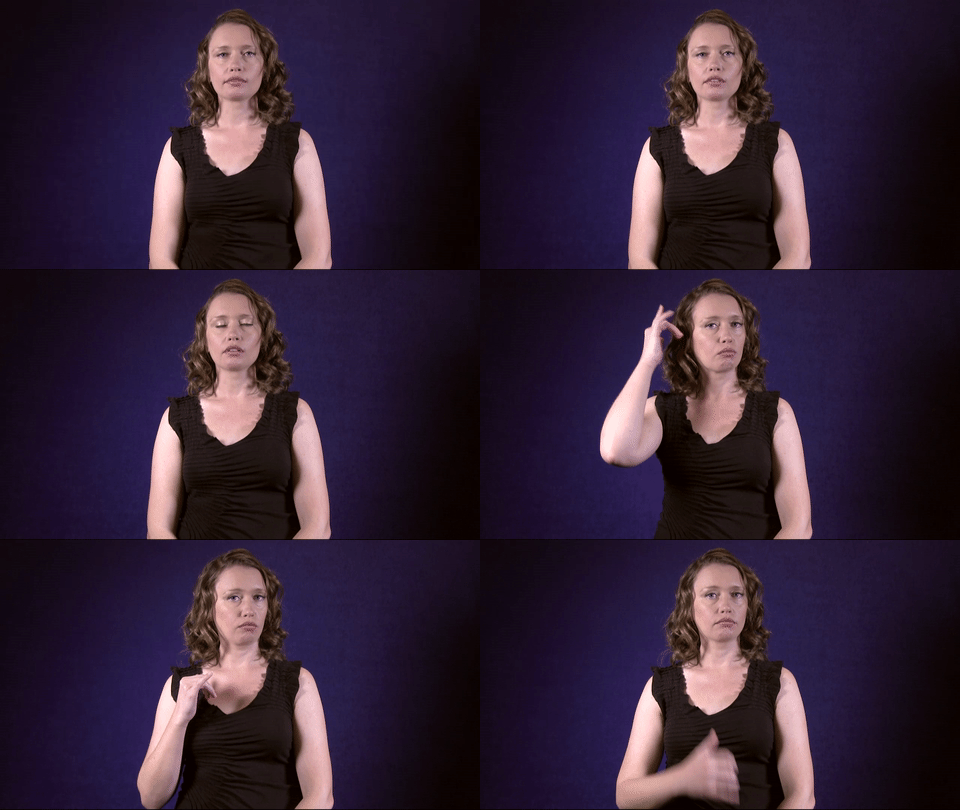
Definition: A person with blonde hair.
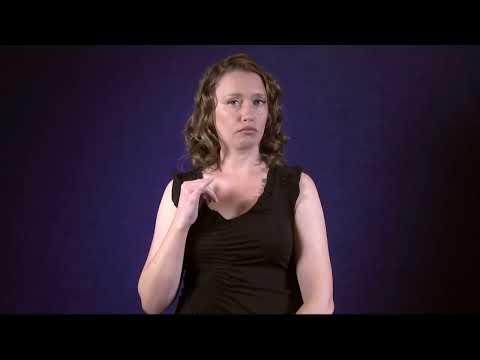
Sign for BLONDE in ASL

Practice Activities:
To build fluency and confidence, start by practicing the sign for BLONDE in ASL in front of a mirror. Focus on the handshape and movement near the hair and make sure your facial expression is relaxed and natural. Repeat the sign multiple times to build muscle memory.
Try using the sign for BLONDE in ASL in isolation with different hand orientations to get a feel for clarity and accuracy. Once you feel comfortable, pair the sign with descriptive signs like HAIR, SHORT, LONG, CURLY, or STRAIGHT to form basic visual phrases. For example, you can sign LONG BLONDE HAIR or BLONDE CURLY HAIR to reinforce concept combinations.
Create a set of flashcards with photos of people having different hair colors, including blonde. Use these to identify the hair color using the correct ASL sign. Pause after each card and sign a phrase like “That person is BLONDE” or “She has BLONDE hair.” This visual association helps reinforce meaning.
Work with a partner and describe people in your life or celebrities, incorporating the sign for BLONDE in ASL when appropriate. Take turns guessing who is being described. This activity builds context and helps learners recall vocabulary organically.
As a storytelling prompt, describe a character with distinct hair features. For example, create a story about a BLONDE girl who lives in a colorful forest and encounters different animals. Include visual details to use other signs and enrich the story.
When watching ASL videos or clips showing people, pause them and describe the individuals using the sign for BLONDE in ASL if it applies. This adds real-world connection and strengthens receptive skills. Daily exposure and regular use are key to mastering this descriptive sign effectively.
Cultural Context:
In American Sign Language, physical traits like hair color are often described with signs that reflect visual characteristics. The sign for BLONDE in ASL is one such example, combining elements of visual representation and cultural context.
The sign for BLONDE in ASL can vary slightly depending on region and the interpreter’s preference. Some variations emphasize the light, yellowish tone associated with blonde hair, while others incorporate gestures near the head to indicate hair and color. Understanding this sign involves more than just memorizing a movement—it requires appreciating how ASL conveys physical appearance through visual cues.
In Deaf culture, physical descriptions using signs are often direct but not offensive. Signing someone is BLONDE in ASL is typically just a way to identify or describe, especially in storytelling or character reference. Since ASL is a visual language, these types of signs play a functional role that helps create clear mental images for those in the conversation.
ASL expressions of identity, including hair color, are important in building context. The sign for BLONDE in ASL is frequently used when introducing people, describing characters in stories, or clarifying someone’s appearance. It serves a practical function in both casual discussions and educational settings.
When learning the sign for BLONDE in ASL, it’s helpful to understand that the Deaf community values clarity and relevance. Signing something like hair color is not superficial; it’s a way to create accurate representation. This enhances communication and ensures that all parties share the same understanding of who or what is being described.
The sign for BLONDE in ASL highlights the descriptive power of the language. It’s a perfect example of how ASL bridges communication by using natural, relatable imagery to describe common traits. For Deaf and hard-of-hearing individuals, these signs are useful in everyday conversations, classroom settings, and social interactions.
Using the sign for BLONDE in ASL during introductions or storytelling allows for richer, more detailed narratives. In stories passed down in the Deaf community, descriptive signs ensure all visual details are represented. This helps maintain the storytelling tradition while making the content accessible to all members of the community.
Hair color signs, including the one for BLONDE in ASL, can also be important when distinguishing between people in a group. Rather than relying solely on names, signers might use attributes like hair length, style, or color to identify someone clearly. This is a normal and useful part of cultural and linguistic functioning in ASL.
Not only does the sign for BLONDE in
Extended Definition:
The sign for BLONDE in ASL is a descriptive sign that visually conveys the concept of light-colored or yellow hair. In American Sign Language, physical characteristics such as hair color often have unique signs based on visual cues. To perform the sign for BLONDE in ASL, one typical version involves using the dominant hand in the letter Y shape, bringing it down from the head in a motion that suggests the hair’s length and lightness.
This motion is made near the head to indicate that the sign refers to hair. The placement and movement help distinguish it from signs for other colors or features. The use of the Y handshape in this sign connects with the color yellow, which is often associated with the word blonde.
Variations might exist in different regions or among individual signers. While one version uses a Y handshape brushing near the hairline, others may simply use the sign for yellow to suggest the idea of blonde. Both versions are accepted depending on the context and how clear the communication needs to be.
In casual conversation, signers might shorten the full sign or combine it with other descriptors like long hair or curly hair. When fingerspelling, BLONDE can also be spelled out if clarity is needed, especially when referring to a specific person or object, like a wig or a pet with light-colored fur.
It’s important to note that ASL is a visual language, relying heavily on context, facial expressions, and classifiers. The sign for BLONDE in ASL often works best when paired with non-manual signals to show emotion, tone, or even to distinguish between reference points in a sentence. For instance, when talking about more than one person with blonde hair, signers may use directional cues and space in front of the body to set each person apart visually.
The sign is commonly used in everyday conversation. Words like BLONDE are useful when describing someone’s appearance, telling stories, giving directions, or even in educational settings. It’s especially relevant in introductions or descriptions when someone’s hair color is a notable feature.
Learners of ASL should practice the sign for BLONDE along with other color and appearance signs to build fluency and comfort in real situations. Watching videos, practicing in the mirror, or joining Deaf social groups can help reinforce proper usage and develop natural signing habits. Consistent exposure will make it easier to remember handshapes, placements, and subtle movement variations.
In Deaf culture, physical traits like hair color can be part of a
Synonyms: blond, fair-haired, golden-haired, light-haired, flaxen
Educational resources: Find related learning materials in our course bank!
Want more? Check out some of our popular learning activities on the homepage!
Need to look up a sign? Use our highly rated dictionary: https://aslinteractive.com/best-asl-dictionary/
Follow us on tiktok: https://www.tiktok.com/@aslinteractive. More social media links at the bottom of this page!
Long-tail Keywords: what is the sign for blonde in asl, how to sign blonde in american sign language, how do you sign blonde in asl
Categories:
tags: Colors, Appearance, Describing People, Language Learning, Hair Colors
Parameters
*Handshape*:
The handshape used in the sign for blonde in ASL typically involves a modified “Y” handshape , where the thumb and pinky are extended while the middle three fingers are held down. This handshape is used in a downward and twisting motion near the head, mimicking hair.
When producing the sign for blonde in ASL, the hand starts near the top of the head and twists slightly as it moves downward, referencing the texture or appearance of blonde hair. The motion highlights both color and location for clarity.
*Palm Orientation*:
The palm orientation for the sign for BLONDE in ASL typically begins with the dominant hand forming the letter “Y” near the top or side of the head. The palm faces inward toward the head initially and then turns slightly outward as the hand moves downward through or away from the hair.
This movement reflects the idea of hair color, emphasizing the blond shade. When performing the sign for BLONDE in ASL, maintaining the correct palm facing inward at the start helps clarify the meaning.
*Location*:
The sign for BLONDE in ASL is produced near the side of the head, typically close to the forehead or temple area. This location corresponds with where hair naturally grows, reinforcing the meaning related to hair color.
When signing the sign for BLONDE in ASL, the movement begins at the side of the head and often moves slightly outward or downward, depending on the variation used. Keeping the location consistent helps clearly communicate the concept.
*Movement*:
The sign for blonde in ASL starts with the dominant hand forming the letter “Y” handshape. Place the “Y” at the side of your head, close to the hairline.
Make a small downward and outward movement, twisting the wrist slightly as the hand moves away from the head. This motion mimics the idea of hair texture or color removal, helping clarify the sign for blonde in ASL within a conversation.
*Non-Manual Signals*:
When performing the sign for blonde in ASL, the facial expression should remain neutral or slightly inquisitive, reflecting the descriptive nature of the sign. Eyebrows can be slightly raised, especially in a questioning or conversational context, to show attentiveness or curiosity.
The non-manual signals in the sign for blonde in ASL are minimal but important. Maintain steady eye contact and a calm demeanor to match the adjective’s natural tone. Avoid exaggerated facial movements, as the focus should remain on the specific hand motion near the hair.
*Prosody, Dominant/Non-Dominant Hand*:
The sign for blonde in ASL uses the dominant hand in a modified “Y” handshape, which moves downward in front of the face while twisting slightly, indicating the concept of light or clear-colored hair. The non-dominant hand is not used in this sign.
When performing the sign for blonde in ASL, ensure fluid motion and facial expressions to emphasize meaning. This sign can vary slightly by region, but the dominant hand consistently performs the primary movement.
Tips for Beginners:
When learning the sign for BLONDE in ASL, one of the most important tips is to keep your orientation and movement deliberate and natural. This sign typically involves the dominant hand forming a modified “Y” handshape, brushing downwards or through part of the hair near the head. Make sure your wrist is relaxed and that your facial expression matches the context—emphasizing appearance or discussing a person, for example.
A common pitfall with the sign for BLONDE in ASL is blending it incorrectly with signs for similar concepts like “yellow” or “hair.” These signs share handshapes or locations, so it’s easy to confuse them without focused practice. To avoid this, isolate the movement for BLONDE and rehearse it in front of a mirror until the motion becomes second nature.
Finger and hand placement matters a lot in this sign. Some learners accidentally perform the motion too far from the hair or make the motion too large, which affects clarity. Keep your motion concise and localized near the area of the hair to maintain accuracy. Also, remember the sign can sometimes vary slightly by region, so pay attention to how your instructor or the Deaf community signs it.
In real conversations, signing fluidly is more useful than signing quickly. Don’t rush the sign for BLONDE in ASL—clarity always trumps speed. Practice it in full sentences to grow more comfortable identifying and describing hair color in natural interactions.
Finally, watching native signers and joining Deaf events will sharpen your eye for detail. Seeing the sign for BLONDE in ASL used in different conversational contexts will help reinforce your understanding and usage. The more you expose yourself to real-life signing, the more confident you’ll become.
Connections to Other topics:
The sign for BLONDE in ASL is closely related to signs that describe physical characteristics such as HAIR, COLOR, and other descriptors like REDHEAD or BRUNETTE. In many contexts, the sign will incorporate size or movement to indicate hair type or length, which means understanding the classifiers used for hair is useful before diving into appearance-focused signs. Learners often benefit from grouping vocabulary into themes, and physical description signs like the sign for BLONDE in ASL fit naturally into education around self-introductions, people descriptions, and storytelling.
This sign connects well with compound descriptions that combine attributes. For example, the sign for BLONDE in ASL can be paired with signs like CURLY or STRAIGHT to create more specific expressions, such as “blonde curly hair.” It’s common in ASL to combine multiple signs into smooth transitions when offering a description, making facial expressions and slight modulations essential in conveying meaning clearly.
There’s also an important cultural aspect to consider when using the sign for BLONDE in ASL. Descriptive signs must be respectful and rely on observational, not judgmental, aspects. It’s often used in narratives when identifying someone or retelling personal stories, which makes this sign functionally helpful in conversational ASL. It can also be combined with GENDER signs or age indicators like BOY or GIRL, paired with YOUNG or OLD, to refer to someone with precision.
Another connection is to signs that use letter-handshapes, such as using a “Y” in a swooping motion to indicate hair color changes like in the sign for BLONDE in ASL. Related signs often share this modification pattern, so recognizing the influence of initialized signs and classifiers in descriptions is helpful. This makes the sign for BLONDE in ASL a bridge to learning richer, more descriptive ASL narratives.
Summary:
The sign for BLONDE in ASL incorporates both a descriptive approach and an aesthetic association. Typically, the sign is produced using the dominant hand in a modified “Y” handshape, brushing downward across the side of the head, near the hairline. This motion mimics the color and flow of blond hair, tying visual appearance directly to the sign.
Facial expression plays a subtle but important role in conveying meaning when using the sign for BLONDE in ASL. ASL relies heavily on context and facial cues, which support signed information to avoid ambiguity. A neutral expression often suffices when simply stating hair color.
Variations exist based on region or individual signer preference. Some signers use a twisting motion as the “Y” hand moves downward, suggesting a curly or flowing texture. Signers may also emphasize or alter movement slightly to indicate emphasis or distinctive qualities of blond hair.
The sign for BLONDE in ASL belongs to a broader family of hair color descriptors. Related signs include BROWN, BLACK, RED for redheads, and GREY. These signs often involve a central location near the head or hair and incorporate distinct handshapes or movements to differentiate.
Descriptive signs like BLONDE operate within a grammatically rich context in ASL. When describing someone, you might combine the sign for GIRL or BOY before using the sign for BLONDE. The adjective typically follows the noun in ASL structure, so you’d sign “GIRL BLONDE” rather than the English word order.
The use of the sign for BLONDE in ASL highlights how ASL leans heavily on visual and conceptual cues. Unlike spoken languages, which rely on sound and phonetics, ASL is a spatial and visual language where colors and physical traits are often shown through metaphor or iconic signs.
Linguistically, the sign for BLONDE emphasizes how signed languages encode physical traits using location, movement, and handshape. The placement of the sign near the hair area on the head is deliberate, a form of iconicity that represents “blonde” not just as a label but as a concept tied to hair color and texture.
Applied linguistics helps us understand how signs like BLONDE are learned and acquired, especially among Deaf children or second-language learners of ASL. Signs for colors and physical appearance are typically among the first learned, reflecting their everyday use and centrality in descriptive communication.
In Deaf culture, describing someone as BLONDE is a neutral attribute. However, cultural perceptions in the hearing world—such as stereotypes linked to blond hair—may or may not transfer into Deaf communicative norms. This shows the importance of culturally grounded understanding when using descriptive signs.
Signers should be cautious not to rely on stereotypes or judgments when describing someone as BLONDE in ASL. In ASL, the goal is often precision and clarity, not assumption or cultural bias. Therefore, signing BLONDE is part of a respectful and observational way to describe someone’s appearance.
Many ASL signs for physical traits can be expanded to show intensity or variation. By modifying the sign for BLONDE slightly—such as repeating it or changing the speed—signers may indicate hair that is strikingly blond or bleached. These modifications offer dynamic, expressive possibility within the language.
In nuanced conversations, the sign for BLONDE can be paired with classifiers or descriptive role shifting. For example, you might use a classifier to indicate long flowing blond hair after signing BLONDE. ASL’s spatial grammar allows for vivid storytelling and layered description.
Finger-spelling is another route for identifying hair color when specificity is needed. For instance, one might fingerspell PLATINUM or DIRTY to indicate shades such as platinum blonde or dirty blonde before signing BLONDE. This layering enriches potential description.
Cognitively, the sign for BLONDE aligns with visual recognition patterns in Deaf individuals. Deaf signers may note subtle variations in hair tone and texture more readily since ASL primes users to observe visual detail. This creates a deeper, more intuitive connection between language and perception.
From a pedagogical perspective, teachers of ASL may introduce BLONDE during beginner modules on personal description or physical traits. It often appears alongside signs for age, height, and other features. This contextual learning framework helps retain meaning and use.
Technological advances now allow digital avatars and AI platforms to generate ASL signs, and the sign for BLONDE is among those incorporated into signing dictionaries and facial recognition software. Yet, nuances like facial expressions may still be better conveyed by human signers.
Socially, using the sign for BLONDE can facilitate friendly conversation, descriptive talk, or even storytelling. For example, narratives involving friends or celebrities often use hair color as a distinguishing trait. It helps establish character identity within visual dialogue.
The sign for BLONDE also intersects with fashion and personal expression. In ASL conversation, hair color changes are
Want more? Check out some of our popular learning activities!
ASL Interactive Resources
ASLInteractive YouTube Channel
Follow us on tiktok: @aslinteractive.com
Follow us on Instagram: aslinteractive
Facebook page: aslinteractive
Facebook group: aslinteractive
LInkedIn: ASL Interactive LLC
Twitter: @ASL_interactive
*Some information on this page is AI-generated. AI can make mistakes. Please check the information.


Responses