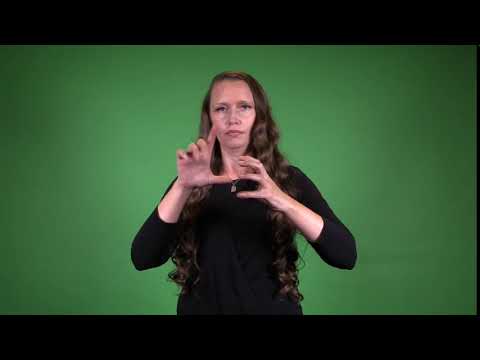
Definition: A gel-like mass of blood that forms when blood cells, proteins, and platelets stick together
Sign for BLOOD CLOT in ASL

Practice Activities:
Begin by practicing the sign for BLOOD CLOT in ASL in isolation in front of a mirror. Focus on your handshape, movement, and facial expression. Repetition is key here—aim for slow and deliberate motions to build muscle memory before picking up speed.
Try creating a list of medical-related vocabulary and add the sign for BLOOD CLOT in ASL to it. Sign each word one at a time, then create short phrases like “doctor found blood clot” or “blood clot in leg” to help connect vocabulary. Practice these out loud and in sign, even if you’re studying alone.
Tell a simple patient story using signs like HOSPITAL, PAIN, LEG, MEDICINE, and the sign for BLOOD CLOT in ASL. This narrative can be short, like describing someone who went to the emergency room with leg pain and discovered they had a clot. Practicing this kind of storytelling helps reinforce meaning and usage.
If you’re practicing with a partner, try signing dialogues where one person plays the role of a patient and the other plays a healthcare provider. Use the sign for BLOOD CLOT in ASL within clear ASL sentence structures. For example, the patient might sign “I HAVE PAIN LEG” and the provider might sign “YOU MAY HAVE BLOOD CLOT.”
Use flashcards with different symptom signs and alternately flash the sign for BLOOD CLOT in ASL. Try speed rounds where you sign a medical scenario under 30 seconds. This helps increase fluency and quick recall in medical ASL vocabulary.
Record yourself signing health-related news stories or health warnings that mention clots. Watching and self-correcting your use of the sign for BLOOD CLOT in ASL builds confidence and improves clarity for real-life use cases.
Cultural Context:
Understanding the sign for blood clot in ASL involves more than just knowing how to form the sign. In Deaf culture, conversations about health and the body are common and important, especially when shared in American Sign Language. The sign for blood clot in ASL allows Deaf individuals to discuss critical medical conditions clearly and accurately.
ASL has signs for many detailed medical terms, and the sign for blood clot in ASL is useful in both everyday dialogue and in medical settings. Whether visiting a doctor or learning about health in an educational environment, knowing how to use this sign helps ensure clear communication. It also supports health literacy within the Deaf community.
The sign for blood clot in ASL is typically used to describe conditions such as deep vein thrombosis or strokes. These serious health concerns require urgent medical attention, and having a recognized sign for them increases health access for ASL users. Interpreters and medical professionals who know this sign can provide more inclusive care.
In the cultural context of the Deaf community, discussing health openly in ASL strengthens community bonds. Teaching terms like the sign for blood clot in ASL to both Deaf individuals and ASL learners supports shared understanding. It empowers people to talk about and respond to health emergencies confidently.
When engaging in health education, workshops, or emergency training targeted toward Deaf individuals, the sign for blood clot in ASL plays a vital role. Organizations offering accessible health information in ASL include this sign to help raise awareness. This helps bridge communication gaps between medical staff and Deaf patients.
Social media platforms and Youtube videos often feature the sign for blood clot in ASL to support learning. Such resources help standardize the sign and keep it consistent across regions. It also allows those learning the sign to reference multiple examples and get accustomed to using it in conversation.
Parents, educators, and ASL interpreters often teach signs like the sign for blood clot in ASL as part of a broader vocabulary related to anatomy and health. Including such signs in early educational materials introduces essential healthcare language. It prepares students to handle conversations about safety and self-care.
In the Deaf and Hard of Hearing communities, health advocacy groups often promote the importance of knowing medical signs. The sign for blood clot in ASL is one of many that ensures equitable health communication. Its presence in ASL dictionaries and learning platforms is invaluable.
By increasing awareness and usage of the sign for blood clot in ASL, the community becomes better equipped to navigate medical discussions. It reflects the richness and adaptability of ASL in covering
Extended Definition:
The sign for blood clot in ASL is a medical-related sign that combines concepts for “blood” and “clot” using American Sign Language. This sign allows Deaf and hard-of-hearing individuals to communicate about health issues, especially those related to circulation, injuries, or clotting disorders like deep vein thrombosis or pulmonary embolism.
To sign blood, you typically use the sign for red by brushing the index finger down your lips, followed by a motion that shows flowing or dripping, representing blood. To add clot, the sign mimics constriction or blockage. The combination represents a clot or blockage in the bloodstream and is easily understood within the context of a medical or emergency conversation.
Understanding the sign for blood clot in ASL is important for medical professionals, caregivers, interpreters, and ASL learners. Whether you are working in healthcare, supporting a loved one, or learning ASL for general communication, knowing this sign helps bridge vital communication gaps. It can be especially useful in doctor visits, labs, emergency rooms, and wellness-related conversations.
This ASL sign also helps raise awareness about the seriousness of a blood clot and how to discuss potential symptoms like swelling, pain, or shortness of breath. Using the accurate and clear sign for this condition helps ensure timely communication and intervention. In ASL, visual clarity is key, and this sign captures the seriousness of the condition effectively.
For students of ASL, the sign for blood clot in ASL is a valuable addition to your vocabulary list. It not only teaches how to communicate about health but also expands knowledge of compound signs. Many signs in ASL are created by combining simpler ideas—this is a perfect example of how complex medical terms are visually expressed.
In everyday conversations, you may not use this term often unless talking about injuries, medications like blood thinners, or news stories related to health. Still, having this sign in your toolkit means you’re prepared to communicate clearly and quickly when situations demand it.
Parents teaching their children ASL, adults learning ASL for work, or interpreters prepping for a healthcare environment all benefit from mastering this sign. Practice the movements slowly at first, focusing on making each part of the sign clearly defined. Clarity is essential not just for comprehension but also for conveying potentially urgent information.
The sign for blood clot in ASL promotes accessible medical vocabulary across all age groups and proficiency levels. Whether used in educational materials, video tutorials , or health presentations, this sign makes complex topics more
Synonyms: thrombus, embolism, coagulation, clot, plug
Educational resources: Find related learning materials in our course bank!
Want more? Check out some of our popular learning activities on the homepage!
Need to look up a sign? Use our highly rated dictionary: https://aslinteractive.com/best-asl-dictionary/
Follow us on tiktok: https://www.tiktok.com/@aslinteractive. More social media links at the bottom of this page!
Long-tail Keywords: what is the sign for blood clot in ASL, how do you sign blood clot in ASL, blood clot in American Sign Language
Categories:
tags: science, medical, health, anatomy, blood
Parameters
*Handshape*:
The handshape for the sign for BLOOD CLOT in ASL starts with the dominant hand in the 1-handshape, where the index finger is extended and the rest are closed. This hand moves from the nose or lower lip area, indicating the source of blood.
Next, the non-dominant hand forms a loose claw or C-handshape, while the dominant hand transitions into a curved claw-like shape and moves into it, representing the clot formation. This shift in handshape helps convey the meaning behind the sign for BLOOD CLOT in ASL .
*Palm Orientation*:
In the sign for BLOOD CLOT in ASL, the palm orientation varies slightly between the two parts of the sign. For the “blood” portion, the dominant hand is usually palm inward as it mimics a drop of blood moving downward, often over the nondominant index finger. When transitioning to “clot,” the dominant hand takes on a claw or grabbing shape, with the palm orientation generally facing inward or slightly down to show accumulation. The contrast in palm direction helps convey the medical nature of the sign for BLOOD CLOT in ASL .
*Location*:
The sign for BLOOD CLOT in ASL is produced in the neutral space in front of the torso, typically at mid-chest level. The dominant hand starts near the mouth or chin to show the concept of “blood,” then moves downward and forward into the chest area. This central area allows the signer to then indicate the “clot” portion, emphasizing the obstruction visually and spatially.
Maintaining this mid-body location allows for clarity when illustrating the transition from flowing blood to a blockage, reinforcing the concept behind the sign for BLOOD CLOT in ASL. This space supports both handshape and movement articulation effectively.
*Movement*:
To show the sign for blood clot in ASL, start by forming your non-dominant hand in a flat palm facing upward to represent the bloodstream. With your dominant hand, use a slightly curved “5” handshape to show the motion of blood by brushing it along the palm of the non-dominant hand in a short, smooth motion.
Then quickly transition the dominant hand into a claw shape and make a small grabbing or clenching motion over the flat palm, showing the idea of something thickening or clumping. This illustrates the concept of a clot forming in the bloodstream, effectively conveying the sign for blood clot in ASL .
*Non-Manual Signals*:
When using the sign for BLOOD CLOT in ASL, the signer’s face often shows concern or seriousness to reflect the potential medical urgency of a blood clot. Eyebrows may be slightly furrowed and the mouth relaxed or slightly pursed, indicating the severity of the condition being discussed.
Facial expressions help convey that the sign for BLOOD CLOT in ASL relates to a serious health issue. Maintaining focused eye contact during the sign supports clear communication and adds emotional depth to the meaning.
*Prosody, Dominant/Non-Dominant Hand*:
The sign for BLOOD CLOT in ASL uses both hands to express different concepts. The dominant hand, in an open 5-handshape, moves down from the nose to the chin, resembling the path of blood. The non-dominant hand, held in a loose C-shape, then closes slightly as if clumping, representing a clot. This visual metaphor clearly conveys the idea behind the sign for BLOOD CLOT in ASL .
Proper use of prosody, including timing and tension, enhances clarity. The contrast between fluid movement for blood and the abrupt closing for the clot is key in the sign for BLOOD CLOT in ASL. Maintain facial expression to support medical or serious tone.
Tips for Beginners:
When learning the sign for BLOOD CLOT in ASL, it’s essential to understand how to clearly show both components—”blood” and “clot.” Begin by practicing the sign for “blood,” which involves a downward motion from under the nose using the dominant index finger, similar to the motion for “red,” followed by fingers fluttering downward to indicate dripping. Pair this with a visual and tactile sign representing “clot” by showing built-up or congealed material, often represented by bringing both hands together, fingers wiggling slightly and then closing into fists.
A common beginner mistake is rushing through the movement, which can lead to confusion or sloppiness. Ensure you execute each part of the sign for BLOOD CLOT in ASL with deliberate and clear handshapes. The fluid motion for “blood” should contrast sharply with the more constrained, tighter movement for “clot.” Practice these transitions slowly and build speed only after your handshapes are clean.
Pay attention to non-manual signals like facial expression. Your face should convey concern or urgency, depending on the context, since a blood clot is often a serious medical issue. This adds depth to your communication and reinforces your message visually, as is customary in ASL.
For the best results, practice the sign in a mirror or record yourself. This will help you notice unclear transitions and correct your hand positions. Repetition is key, so incorporate the sign into daily practice or while discussing medical topics in ASL.
Consistency and precision are crucial when using the sign for BLOOD CLOT in ASL. Don’t forget to watch fluent signers and sign language videos to see the sign used naturally. This can provide you with variations and context, helping you understand how native users incorporate the phrase into conversation.
Connections to Other topics:
The sign for BLOOD CLOT in ASL connects closely with medical and anatomical vocabulary widely used in both casual and professional contexts. It borrows from the sign for BLOOD, which typically involves tracing a path down the chin with a red-colored dominant handshape, referencing the natural flow of blood. This base sign is then modified or combined with signs like BLOCK or CLUMP to illustrate the idea of blood flow being obstructed or thickened, forming a clot.
This compound structure shows how the sign for BLOOD CLOT in ASL shares clear connections with other bodily function signs such as STROKE, HEART ATTACK, and CIRCULATORY SYSTEM. These signs often involve either the heart area or movements mimicking flow and interruption, offering a visual metaphor for what’s happening inside the body. The use of classifier handshapes to show clumping or blockage also links this to broader topics like health conditions and emergency-related signs.
In terms of realistic usage, someone might combine the sign for BLOOD with a classifier showing a clot forming to depict conditions like deep vein thrombosis or pulmonary embolism. Understanding how the sign for BLOOD CLOT in ASL functions in phrases provides insight into ASL’s use of spatial mapping and movement to illustrate medical scenarios. This helps learners become more fluent in visualizing and conveying internal processes.
Additionally, the sign connects to educational contexts in ASL, especially when describing biology or first aid concepts. Medical professionals and interpreters often need to use the sign for BLOOD CLOT in ASL alongside other signs like MEDICINE, INJECTION, or EMERGENCY ROOM to clarify procedures and symptoms. These compound uses reinforce the sign’s importance within broader conversations about health and safety.
Summary:
The sign for BLOOD CLOT in ASL combines two concepts: BLOOD and CLOT, each signed in sequence to convey the full medical term. BLOOD is typically signed by touching the lower lip with the index finger of the dominant hand (to represent red or blood) and then moving a downward motion with red-colored facial markers, signaling the essence of blood. CLOT is conveyed by using a sign suggesting the gathering or thickening of fluid, often shown with fingertips coming together to portray coagulation.
In fluent ASL, these two components are blended smoothly, but the concepts remain distinct. This respects ASL grammar, where compound medical terms are often expressed through sequential conceptual signs rather than by compressing the term into one gesture. The accuracy of facial expression and movement plays a role in clearly depicting BLOOD CLOT.
When signing BLOOD CLOT, it’s important to convey the seriousness of the medical condition. The face often takes on a tense or concerned expression to match the gravity of the situation being described. This non-manual signal helps contextualize the condition.
The sign for BLOOD CLOT in ASL is used primarily in medical settings, conversations about health, or in educational interpretations discussing bodily functions. It also appears in news reports, community health forums, and doctor’s appointments where interpreters are required to ensure health information access.
Linguistically, BLOOD and CLOT are two separate morphemes in ASL. This shows ASL’s capacity for agglutination—where multiple meaningful units are combined to express complex ideas. Rather than creating entirely new signs, existing signs are repurposed intelligently to build specialized vocabulary.
The sign for BLOOD is deeply rooted in the physiological concept and often taps into the iconographic tradition. Because blood is universally recognized and often associated with danger, injury, or life force, the sign pulls a lot of emotional weight behind it even in medical contexts. That subtext can influence how it’s received during a conversation.
CLOT, on the other hand, may be more specialized and less common in general lexicons, but when it’s used, the clustering of the fingers visually mimics the action of particles binding together. This visual metaphoric quality is common in ASL, which relies heavily on spatial and iconic representation.
From an applied linguistics perspective, the sign for BLOOD CLOT in ASL demonstrates the expressiveness of compound signs in medical discourse. Because ASL doesn’t follow English linguistic structures, these sign constructions show the adaptability of lexical components built for direct meaning rather than strict verbal translation.
Health and medical interpreters learn to use signs like BLOOD CLOT with care given the term’s serious health implications—such as strokes, deep vein thrombosis, pulmonary embolism, or cardiovascular emergencies. Signs must be precise and competently delivered for comprehension in urgent contexts.
In Deaf culture, having clear signs for health conditions like BLOOD CLOT is crucial for autonomy and healthcare equality. Miscommunication in medical settings can be life-threatening, so understanding the adequate sign production and recognition of this term is vital.
There are also related signs that give contextual flavor when using the term, such as STROKE, EMERGENCY, DOCTOR, and PAIN. These may appear next to the sign for BLOOD CLOT in sentence structures, depending on whether someone is describing symptoms or retelling a medical event.
Some users and interpreters may fingerspell “CLOT” if no specific sign for CLOT is known or preferred in their regional dialect. This fingerspelling shows how bilingualism in ASL often adapts to fill term gaps with FS (fingerspelling). So, the full sign might become BLOOD with FS-CLOT.
Regional variation plays a role. Not all ASL communities may have an established sign for CLOT. In some areas, classifiers might also be employed to show the thickening or blocking of blood flow using spatial arrangements, such as movement halts or directional flow changes.
Facial grammar also figures significantly. An interpreter might raise eyebrows when asking a question involving BLOOD CLOT or furrow brows to indicate something serious is wrong. The face, brows, and mouth shapes are integral parts of sign production in ASL.
Grammatically in ASL, if someone is explaining symptoms or a diagnosis involving BLOOD CLOT, the topic-comment structure is employed. For example, the topic might be BLOOD CLOT and the comment could be LOCATION:LEG, SYMPTOM:PAIN. The structure enhances clarity and aligns with ASL sentence norms.
The sign for BLOOD CLOT in ASL touches on broader themes about how terminology in healthcare is navigated in non-spoken languages. It reveals how ASL accommodates growing modern health vocabularies by attaching visuals to abstract clinical concepts.
Medical interpreting in ASL must account not just for word accuracy but also for conceptual understanding. For instance, in explaining what a BLOOD CLOT does, classifiers may show the flow of blood and
Want more? Check out some of our popular learning activities!
ASL Interactive Resources
ASLInteractive YouTube Channel
Follow us on tiktok: @aslinteractive.com
Follow us on Instagram: aslinteractive
Facebook page: aslinteractive
Facebook group: aslinteractive
LInkedIn: ASL Interactive LLC
Twitter: @ASL_interactive
*Some information on this page is AI-generated. AI can make mistakes. Please check the information.


Responses