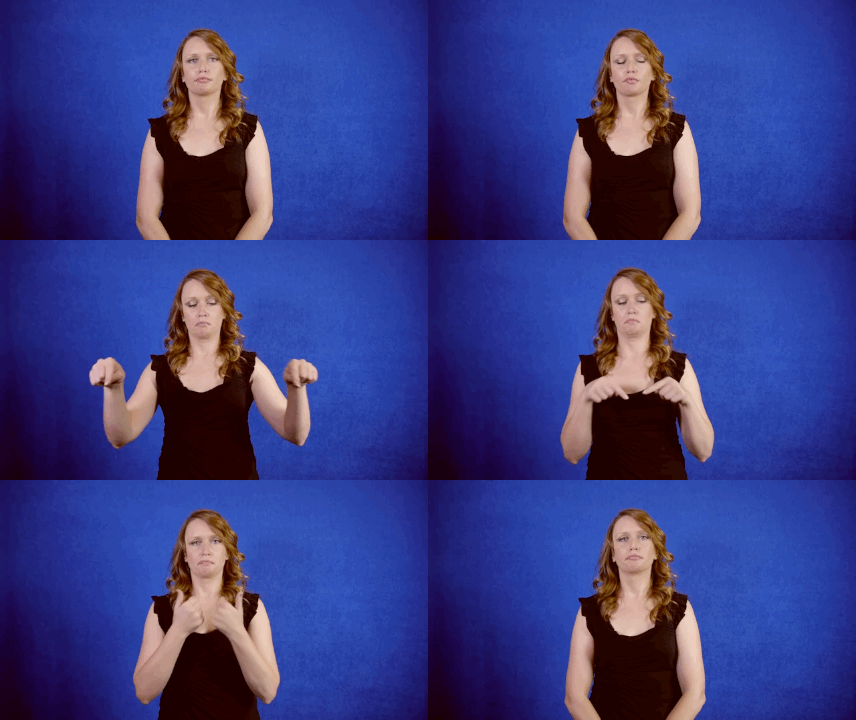
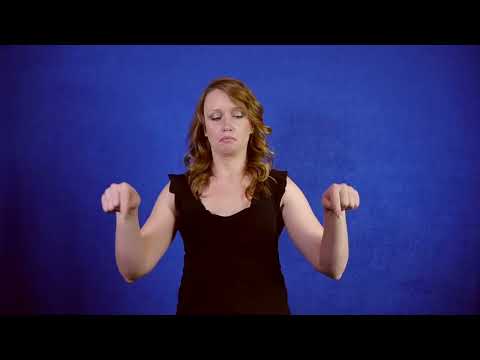
Definition: Games played on a flat surface.
Sign for BOARD GAMES in ASL

Practice Activities:
To practice the sign for BOARD GAMES in ASL, begin by isolating the components of the sign. Practice each part separately before combining them fluently. Use a mirror to watch your hands and facial expressions, checking your accuracy and clarity. Repeat the sign slowly, then increase speed while maintaining form.
Once you’re comfortable with the sign for BOARD GAMES in ASL, create flashcards for common board games like MONOPOLY (fingerspelled), CHESS, or CHECKERS. Sign the name of the game following the BOARD GAMES sign to build vocabulary combinations. Try signing phrases like “I love board games,” “Do you want to play board games?” or “Board games are fun with friends.”
For storytelling practice, create a short narrative about a time you played board games with family or friends. Use the sign for BOARD GAMES in ASL throughout your story along with descriptive classifiers to represent game pieces or the board setup. Practice telling your story to a partner or record yourself to assess your clarity and fluency.
Pair up with another learner and play charades where one person signs a sentence using BOARD GAMES in ASL, and the other guesses the matching scenario. You could sign “We always play board games during holidays” or “My favorite board game is new.” This builds sign recognition and understanding.
Use role-play scenarios where you invite someone to a game night, describe the rules of a board game, or express excitement about a new game. Include the sign for BOARD GAMES in ASL naturally during conversation. Use emojis like to associate emotions with signs as you practice.
Finish each session by summarizing what you did using ASL, incorporating the sign for BOARD GAMES in ASL at least twice to reinforce retention. Consistent repetition and contextualization will help ensure mastery.
Cultural Context:
In Deaf culture, board games hold a special place as a fun and inclusive way to bring people together. The sign for BOARD GAMES in ASL reflects the hands-on, visual nature of the games themselves, which aligns perfectly with the visual language of American Sign Language.
Board games like Monopoly, Scrabble, and Uno are popular in many Deaf households, classrooms, and community centers. The ASL sign for BOARD GAMES helps communicate about game night events, strategies, and preferences clearly and quickly.
Using the sign for BOARD GAMES in ASL allows for smooth interaction during gatherings, especially in mixed-age groups or among friends who prefer different learning styles. Because ASL relies on visual cues, it enhances the way instructions and rules for games are explained, making board games more accessible.
In social settings, using ASL signs like BOARD GAMES supports inclusivity and provides a direct way for Deaf and hard-of-hearing individuals to engage in shared entertainment. Games often serve as icebreakers and strengthen bonds in group settings that may otherwise be difficult to navigate without spoken language.
The sign for BOARD GAMES in ASL uses natural hand movements that imply a board and the interactive play that happens on it. This gesture captures the essence of sitting around a table with others, strategizing, and enjoying competition or collaboration.
Historically, Deaf clubs often organized board game nights as a way to socialize and connect with the broader Deaf community. These games served not just for fun but also as safe, welcoming spaces where sign language could flow freely without barriers.
The accessibility of board games in the Deaf community also extends to educational environments. Teachers use the sign for BOARD GAMES in ASL to introduce tactile learning and foster group collaboration in classrooms, supporting both language development and critical thinking.
Games that involve visual memory, sequencing, or puzzle-solving are especially popular and effective among ASL users. The sign for BOARD GAMES in ASL often comes up in these contexts to talk about which games are favorites or to invite others to play and learn together.
Using the correct sign for BOARD GAMES in ASL ensures clarity and improves communication effectiveness, particularly during fast-paced gameplay. It helps players quickly identify what’s being discussed and keeps the flow of the game enjoyable for everyone involved.
Whether it’s an informal gathering at home, a Deaf event, or a classroom activity, board games connect people through shared experiences. The ASL sign for BOARD GAMES ties directly into those experiences, helping bridge communication and encourage meaningful interaction through play.
Extended Definition:
The sign for board games in ASL refers to the visual-gestural way American Sign Language users express the popular tabletop pastime. Board games include traditional games like chess, checkers, and Monopoly, played by individuals or groups using a game board, pieces, and rules. In ASL, conveying the concept includes more than just a direct sign—it often uses classifiers and context to show game types and interaction among players.
When signing board games in ASL, signers typically combine the sign for game or play with visual markers indicating a flat surface. This is often followed by signs that hint at the specific type of board game, like card movements or figurine placements. Facial expressions and hand movements help specify whether the sign for board games refers to a competitive game, a family-style interaction, or classic strategy games.
The sign for board games in ASL may not be a single established sign but rather a signed phrase. Signers often fingerspell the specific game title after giving the base sign for board games. Over time, repeated exposure to certain game names might lead to more standardized signs for those specific games, but the general category still relies on descriptive signing.
ASL allows visual storytelling, which is useful when explaining how a game works. To describe playing a board game, a signer might use role shifting, body movement, and spatial placement on an imaginary board. These features make it easier to express the dynamics of multiplayer turns, game boards, dice rolling, or piece movement.
Children and adults alike enjoy board games, making the ability to sign them important in many educational and recreational settings. Teachers in deaf classrooms sometimes use the sign for board games in ASL during leisure time instructions. It creates a bridge between structured play and language immersion, especially when explaining rules or setting up teams through sign.
As new board games are released, the deaf community continues to adapt and develop signs to describe gameplay. The flexibility of ASL supports this type of evolution. What matters most is clarity and shared understanding among signers when using the sign for board games in ASL during conversation or play.
Context determines how detailed the signing needs to be. For casual mentions, a short phrase may suffice. In more detailed situations, especially in gameplay, signers may elaborate using classifiers and directional signs to show pieces being moved, strategy being employed, or winners being declared.
Online videos and ASL tutorials now show multiple ways to express the sign for board games in ASL, depending on the version of the game shown or the
Synonyms: tabletop games, parlor games, family games, strategy games, card and board games
Educational resources: Find related learning materials in our course bank!
Want more? Check out some of our popular learning activities on the homepage!
Need to look up a sign? Use our highly rated dictionary: https://aslinteractive.com/best-asl-dictionary/
Follow us on tiktok: https://www.tiktok.com/@aslinteractive. More social media links at the bottom of this page!
Long-tail Keywords: what is the sign for board games in ASL, how do you sign board games in ASL, ASL sign for board games
Categories:
tags: Board Games, Activities, Games, Leisure, Interactions, Strategy
Parameters
*Handshape*:
The handshape in the sign for BOARD GAMES in ASL uses flat B hands for the concept of “board.” Both hands are in the flat B handshape with fingers together and extended, palms facing each other or downward, depending on the style. This part emphasizes the idea of a flat surface, like a game board.
To express “games,” the sign uses A handshapes. Both hands form the letter A with knuckles touching or tapping together in front of the chest. This movement mimics competition or interaction and completes the sign for BOARD GAMES in ASL .
*Palm Orientation*:
For the sign for BOARD GAMES in ASL, the palm orientation plays an important role in clarity. When signing BOARD, both hands (typically in flat B-handshapes) face downward and come together side by side, palms generally facing each other or down toward the surface below.
For the GAMES portion, both hands form A-handshapes with thumbs extended. Knuckles tap each other twice with palms facing each other. The consistent inward-facing palms in the sign for BOARD GAMES in ASL help convey the idea clearly and effectively.
*Location*:
The location for the sign for BOARD GAMES in ASL typically takes place in the neutral space in front of the torso. Both hands are used and positioned in a way that mimics placing or interacting with game pieces on a surface, suggesting a tabletop where board games would be played.
This central signing space helps convey the visual concept of the sign for BOARD GAMES in ASL while keeping the gestures clear and visible. The hands remain at chest to upper waist level, which is a common location for many signs involving shared activities.
*Movement*:
The sign for BOARD GAMES in ASL typically starts with the sign for BOARD, made by holding both flat hands in front of the body, palms facing each other, and moving them apart horizontally as if outlining the shape of a board. Then for GAMES, form both hands into the “A” handshape and tap the knuckles of both hands together twice.
Repeating this sequence captures the idea of interaction on a surface, as seen in many board games. The sign for BOARD GAMES in ASL visually emphasizes both the playing surface and the competitive interaction. This movement represents the combination of the concepts, making it a clear and expressive sign.
*Non-Manual Signals*:
Facial expression plays a key role in the sign for BOARD GAMES in ASL. Maintain a neutral or slightly inquisitive facial expression, with raised eyebrows if asking about types of board games or offering options. Slight head tilts or nods can add emphasis or indicate a social, recreational tone.
Mouthing the word “board” or “games” lightly may accompany the sign, though it’s not required. The non-manual signals help convey the concept clearly, emphasizing that the sign refers to entertainment rather than academic or institutional boards. ♟️
*Prosody, Dominant/Non-Dominant Hand*:
The dominant hand and non-dominant hand in the sign for BOARD GAMES in ASL vary slightly based on context. For BOARD, both flat hands (B-handshapes) are held in front of the body, palms facing down, and move outward to indicate a flat surface. For GAMES, both hands form A-handshapes and come together at the knuckles twice in a firm, tapping motion.
In the sign for BOARD GAMES in ASL, coordination between both hands is essential, showing the flat nature of a board, followed by a competitive or playful interaction. The dominant hand typically leads in clarity and motion, especially during the GAME portion, while the non-dominant hand mirrors or supports.
Tips for Beginners:
When learning the sign for BOARD GAMES in ASL, it’s helpful to break it into its component parts. The sign typically begins with the sign for “board”, often expressed by using flat, palm-down hands that mimic a rectangular shape or surface. Then the sign for “games” is made by forming two “A” handshapes and tapping the knuckles together twice. Practicing both signs separately before combining them will help build muscle memory and improve fluidity.
One helpful tip is to maintain clear handshapes throughout the sign. Beginners sometimes blur the “A” handshape or forget to maintain palm orientation, which can change the meaning or make your sign unclear. Be sure your hands are well-formed and face each other directly when tapping the knuckles together. Keep your movements deliberate and rhythmic—not too fast—so that others can easily understand you.
Facial expressions are also important. Even though BOARD GAMES is a neutral term, using an engaged facial expression will make your signing more natural and expressive. If you’re excited about board games or referring to a specific one, you can add that context with your eyebrows or body language without needing additional signs.
Another common mistake is signing too small or locking your elbows. Try to keep your hands at a comfortable mid-chest level and move with relaxed but precise motion. Over-restricting your gestures can make the sign harder to recognize.
To get comfortable with the sign for BOARD GAMES in ASL, try incorporating it into casual practice. Use it while talking about game nights, asking someone if they like playing board games, or naming specific games. Watching native signers can also help you observe natural speed and variation. By practicing regularly and paying attention to detail, you’ll gain confidence in using the sign for BOARD GAMES in ASL effectively.
Connections to Other topics:
The sign for BOARD GAMES in ASL connects closely with other recreational and leisure-related signs. It often involves compounding the sign for BOARD (typically represented by a flat surface, sometimes mimicking a rectangular board) with the sign for GAMES (which usually uses both fists bumping together as a gesture of competitive interaction). This compounding reflects ASL’s rich morphology and how context shapes meaning in visual language.
This sign relates to broader categories like PLAY, SPORTS, and FUN. For example, the sign PLAY uses the Y-handshape shaking side to side and may be included when discussing general entertainment along with board games. These connections help learners understand how various leisure-time activities are categorized and compared within ASL, promoting more fluid and natural communication.
ASL often uses classifiers and context to distinguish between types of games. In discussions about strategy games, group activities, or individual play, classifiers can show the setup of pieces on a board or mimicking movement, deepening the meaning of the sign for BOARD GAMES in ASL. This helps align with visual-spatial thinking common in ASL discourse.
Common derived terms from the sign for BOARD GAMES in ASL include compound signs like FAMILY GAME NIGHT or COMPETITION, often relying on sequencing and facial expressions to enhance clarity. Time markers and locatives are also incorporated when narrating when and where the games take place, anchoring the events in space and time.
Children’s language development can also be supported using the sign for BOARD GAMES in ASL, as games often teach turn-taking, rules, and social skills. Educators and interpreters can link this sign to other educational signs like LEARN, THINK, and COUNT when games have an academic or developmental purpose. This makes it easier for young signers and second-language ASL users to grasp both recreational and instructional contexts.
Summary:
The sign for BOARD GAMES in ASL combines two concepts: the noun “board” and the general sign for “games.” To sign “board,” you can use flat hands held in front of you, palms facing down, and outline a rectangular shape, mimicking the surface of a game board. This shows the visual-spatial aspect of the object, which is core to how ASL conveys concrete nouns.
The sign for “games” typically involves two A-handshapes with knuckles tapping together, signed twice. This represents friendly competition or challenge between two or more people. When used together, the signs for “board” and “games” effectively convey the activity known as board games.
Some signers choose to fingerspell BOARD GAMES for clarity, especially if they are speaking to individuals unfamiliar with a specific variation of the sign. This is common in more formal settings or when discussing unusual or lesser-known games where fingerspelling provides better understanding.
The sign for BOARD GAMES in ASL reflects the cultural significance of shared play and strategy. Board games foster social interaction, which is a strong cultural value in both Deaf and hearing communities. Using this sign in group conversations often carries a tone of community bonding.
ASL often visually depicts concepts rather than using one-to-one English translations. The sign for BOARD GAMES in ASL demonstrates this trait by using shape-based classifiers for “board.” This anchors the meaning visually, helping ASL stay rooted in its 3D modality.
Board games and their signs can vary depending on the specific type being discussed, like chess, Monopoly, or checkers. A signer might establish the general BOARD GAMES category and then further describe the type of game visually or through fingerspelling.
In discussions about family, education, or community events, the sign for BOARD GAMES in ASL often appears. These contexts show how language and activity are integrated into everyday life and reflect shared values like inclusiveness and interactivity.
Some teachers use the sign for BOARD GAMES in ASL when designing educational content that helps Deaf students strengthen abstract reasoning. This proves how deeply signs are connected to pedagogical goals and child development in the Deaf community.
Grammatically, this expression follows the standard ASL noun structure: general to specific. A conversation might begin with the sign BOARD GAMES and then narrow to signs for Game NIGHT, favorite games, or specific movements and rules.
In terms of semantic mapping, the sign for BOARD GAMES in ASL sits within a network of signs that include FUN, PLAY, COMPETITION, and THINK. This interconnected meaning system enriches ASL’s expressivity and aligns with the cognitive frameworks often studied in applied linguistics.
From a linguistic perspective, using classifiers with the sign for BOARD GAMES in ASL allows a signer to describe diverse aspects of gameplay. Actions like rolling dice, moving pieces, or setting up a grid can all be represented with spatial language.
Culturally, board games are linked to group gatherings, holidays, and education in both Deaf and hearing families. The sign for BOARD GAMES in ASL thus operates not only linguistically but socially, as a symbol of collective engagement.
In Deaf culture, visual and tactile engagement are primary. The tactile and visual nature of many physical board games makes them naturally compatible with this culture, increasing the relevance of the sign for BOARD GAMES in ASL.
Because of ASL’s reliance on visual forms, some signs for individual games evolve into customized signs. A group might invent or agree upon a specific sign for a popular board game. However, BOARD GAMES remains a consistent umbrella concept sign.
The space in front of the body is used in ASL to organize conversation topics. When sharing experiences or planning an event involving games, one might place the sign for BOARD GAMES in a conceptual location visually before anchoring additional ideas around it.
Board games are often used in language learning and social skills development in both Deaf and hearing education. The sign for BOARD GAMES in ASL is commonly linked to themes of problem-solving, teamwork, and turn-taking.
Metaphorically, board games can reflect life lessons, strategy, and chance. Using the sign for BOARD GAMES in ASL in storytelling or reflective conversations adds symbolism, maturity, and humor, depending on the context.
Variation exists regionally within the use of the sign for BOARD GAMES in ASL. Some Deaf communities prefer fingerspelling for greater formality, while others innovate hybrid signs that combine classifiers and loan signs from English or international gestures.
The use of this sign in children’s programming or classroom settings helps Deaf youth see themselves represented in ordinary experiences. Signing BOARD GAMES affirms that social play is universal, not limited by hearing ability.
Within academic ASL analysis, some linguists study how signs like BOARD GAMES use iconicity, where the handshapes and movements physically resemble the objects or actions they represent. This characteristic underscores ASL’s descriptive power.
The conversational use of the
Want more? Check out some of our popular learning activities!
ASL Interactive Resources
ASLInteractive YouTube Channel
Follow us on tiktok: @aslinteractive.com
Follow us on Instagram: aslinteractive
Facebook page: aslinteractive
Facebook group: aslinteractive
LInkedIn: ASL Interactive LLC
Twitter: @ASL_interactive
*Some information on this page is AI-generated. AI can make mistakes. Please check the information.


Responses