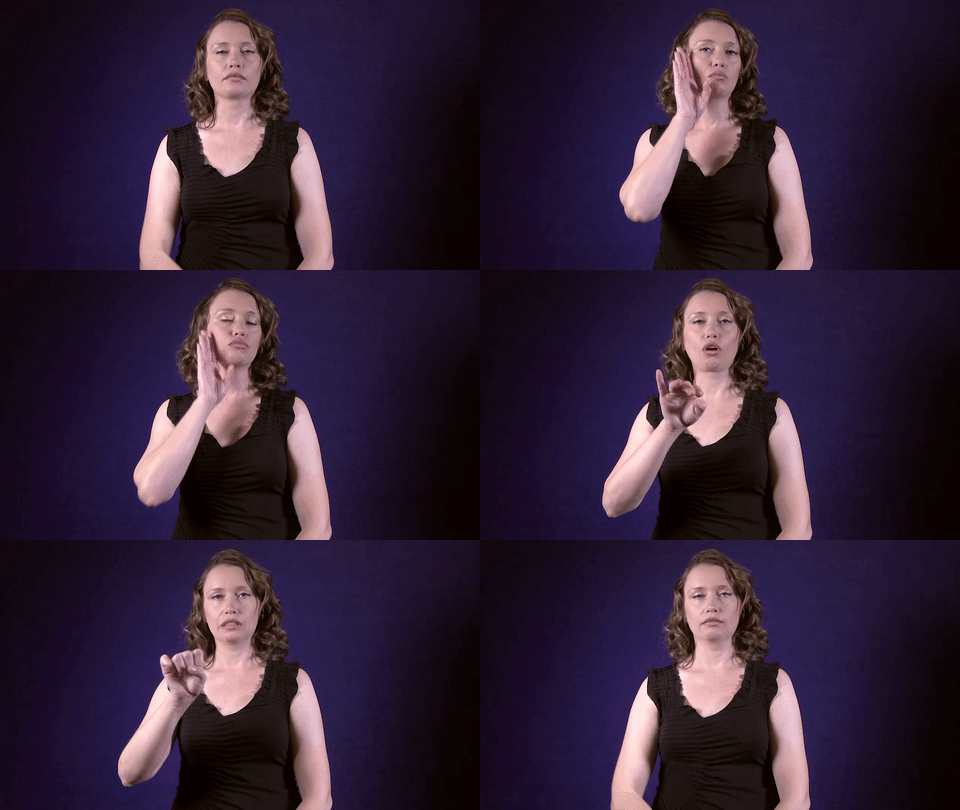
Definition: A chocolate dessert.
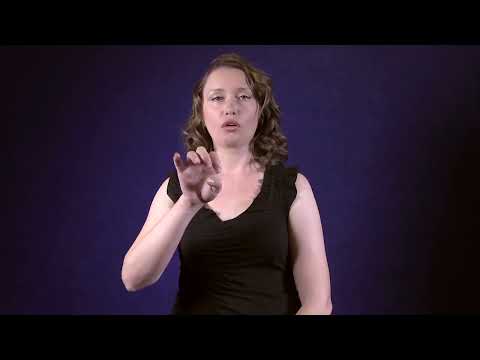
Sign for BROWNIES in ASL

Practice Activities:
Start practicing the sign for BROWNIES in ASL by first isolating the movement a few times in front of a mirror. Watch your handshape and facial expressions to make sure they match what you’ve learned. Repeat the sign slowly, then speed up once it feels natural. Say the word aloud as you sign to strengthen your memory.
Create some flashcards showing the word âbrowniesâ and pictures of brownies. Show the card, and then sign the word. You can also do the reverse: see the sign and then point to the correct image or write the word. This helps build recognition and recall quickly.
Add context by signing full sentences using the sign for BROWNIES in ASL. For instance, try making up short sentences like âI love browniesâ or âMy mom makes the best brownies.â Practice signing these to a partner or in a video recording for self-review.
Tell a short story about baking or eating brownies. Include signs for ingredients like chocolate, sugar, and butter. Sign details about where and when the event happened. Use facial expressions to show emotions like happiness, excitement, or surprise when talking about the brownies.
Use role-play to enhance your fluency. One partner asks, âDo you want a treat?â and the other signs âYes, I want brownies.â Switch roles back and forth. This reinforces receptive skills and expressive clarity using the sign for BROWNIES in ASL.
Take part in a guessing game where a friend pretends to eat something, and you guess what it is. When you think it’s brownies, use the sign and explain why. These types of games help make learning the sign for BROWNIES in ASL fun and interactive while reinforcing food-related vocabulary.
Cultural Context:
In American Sign Language, food signs often carry cultural meanings beyond their literal translation. The sign for brownies in ASL is not just about a sweet treatâit connects to shared experiences in American culture, especially in social gatherings, school events, and family traditions. Brownies are popular in potlucks, bake sales, and school fundraisers, making their presence familiar and comforting.
Understanding the cultural context of the sign for brownies in ASL means recognizing how often this dessert appears in everyday American life. Whether it’s a parent baking with a child or someone bringing a tray of brownies to a community event, this simple dessert holds nostalgic value. In Deaf culture, signing foods like brownies helps strengthen shared social bonds and fosters inclusion in both informal gatherings and structured group events.
The sign for brownies in ASL often gets brought up in classrooms where Deaf students discuss favorite foods or describe recipes. It’s common in basic ASL instruction because food signs are among the first vocabulary words taught. Teachers frequently include the sign for brownies in ASL lessons due to its familiarity and ease of visual representation.
In Deaf community potlucks or sign language clubs, the sign for brownies in ASL is used to ask if someone brought dessert or to comment on what someone is eating. Since food plays an integral role in community events, knowing this sign adds to meaningful conversations and social reciprocity. Brownies are sometimes shared in these events as symbols of hospitality or friendship.
The cultural relevance of the sign for brownies in ASL also connects to childhood memories and family recipes. Sharing how a grandmother used to bake brownies or how someone learned the recipe in school brings people closer across generations and cultures. This emotional connection deepens the importance of understanding and using the sign correctly.
Pop culture references also reinforce the widespread recognition of brownies, and deaf signers include references to desserts like brownies through ASL storytelling. The sign for brownies in ASL becomes part of jokes, anecdotes, or narratives shared among friends and family. These personal stories give richness and texture to how signs are understood and remembered.
In diverse communities, celebrating different interpretations of the sign for brownies in ASL highlights regional or personal variations. Some might associate brownies with boxed mixes while others think of gluten-free versions or recipes passed down for generations. This variation is reflected in how signs might be customized slightly depending on the community or signer.
Whether at a birthday party or a casual family night, the sign for brownies in ASL captures more than just a dessert. It taps into a deeper cultural themeâ
Extended Definition:
The sign for brownies in ASL is a fun and useful sign to know, especially if you’re discussing favorite desserts or learning how to describe food in American Sign Language. This sign is often used in classrooms, cooking demonstrations, or casual conversations where someone is sharing about sweet treats or recipes. By including this sign in your ASL vocabulary, you’re expanding your ability to talk about food preferences and cultural favorites through signing.
To perform the sign for brownies in ASL, many signers use the sign for brown along with a classifier or descriptive gesture to suggest the square or thick nature of a brownie. Because ASL is a visual language, facial expressions and hand shapes help communicate the richness and texture of the dessert. Some signers might mouth the word brownies as they sign, which is a common feature in ASL to help with lip reading and context.
Context matters when using the sign for brownies in ASL. In a classroom, a teacher might use it during a cooking lesson or during story time when talking about food. At home, parents might use it to ask their children if they want brownies after dinner. This sign can also be helpful in social settings like potlucks or bake sales, where discussing different baked treats is common.
Variations in the sign for brownies in ASL can exist depending on region or individual preference. Some communities may include additional descriptive signs to show if the brownies contain nuts, frosting, or are part of a bigger dish like brownie sundaes. It’s also possible to combine the sign with adjectives like delicious, chocolate, or warm to enhance the visual storytelling.
Using the sign in full sentences helps learners develop fluidity in American Sign Language. For example, you might want to sign something like I love brownies or She made brownies yesterday. Incorporating facial expressions, mouthing, and body shifts can help give your signed sentences more meaning and emotion when using the sign for brownies in ASL.
Teaching this sign to kids and beginner signers is a fun way to keep them engaged while expanding their food vocabulary. Visual aids, like photos of brownies or real-life brownies during a hands-on activity, reinforce memory and help with understanding. Through repeated use and practice in natural conversations, the sign for brownies in ASL becomes more automatic and expressive.
Because brownies are a classic dessert in many cultures, including this sign in your ASL dictionary is a great way to bridge language with everyday life. This common food reference allows users to express their likes, share experiences, and connect with others over
Synonyms: chocolate squares, baked chocolate bars, chocolate treats, fudgy cakes, dessert bars
Educational resources: Find related learning materials in our course bank!
Want more? Check out some of our popular learning activities on the homepage!
Need to look up a sign? Use our highly rated dictionary: https://aslinteractive.com/best-asl-dictionary/
Follow us on tiktok: https://www.tiktok.com/@aslinteractive. More social media links at the bottom of this page!
Long-tail Keywords: what is the ASL sign for brownies, how to sign brownies in ASL, how do you say brownies in American Sign Language
Categories:
tags: Desserts, Food, Baking, Snacks, Sweet Treats
Parameters
*Handshape*:
The handshape used in the sign for BROWNIES in ASL typically involves a modified bent-B or claw handshape. Both hands form this bent shape, resembling a scooping or grabbing motion, reflecting the texture or form of brownies. â
This motion helps convey the visual and conceptual essence of a brownie dessert. When using the sign for BROWNIES in ASL, the handshape helps visually represent the foodâs thickness and shape, making the sign intuitive and clear.
*Palm Orientation*:
The palm orientation for the sign for BROWNIES in ASL typically involves a movement that starts similarly to the sign for BROWN, with the dominant hand in a âBâ handshape. The palm faces in toward the cheek while brushing downward along the side of the face.
After the initial BROWN motion, fingers wiggle or tap into the palm of the opposite hand, which faces upward, to resemble a sweet or baked item. This helps clarify the sign for BROWNIES in ASL. Palm orientation may vary depending on regional usage. â
*Location*:
The location for the sign for BROWNIES in ASL is typically in the neutral space in front of the body, slightly below the chin and in front of the chest. This area allows for clear visibility and easy movement, especially if the sign includes a combination of gestures such as the sign for BROWN followed by a movement that imitates a baked square.
Since the sign for BROWNIES in ASL often incorporates elements referencing texture or food shape, keeping the sign within this central space helps emphasize meaning. This location ensures that any descriptive aspects related to the appearance or form of brownies are captured naturally.
*Movement*:
To sign the word brownies in ASL, start by forming the letter “B” with your dominant hand. Move the “B” handshape across your cheek, similar to the sign for “brown,” and then follow by miming the action of cutting or serving a small piece, like you’re gesturing a square with your fingertips. This shows the shape and portion size typically associated with a brownie.
The sign for BROWNIES in ASL combines visual elements representing both the color and the dessert itself. The movement clearly distinguishes it from the general term “brown” by adding a second motion that helps identify the food item. This descriptive component makes the sign for BROWNIES in ASL easily recognizable in context. ïž
*Non-Manual Signals*:
When using the sign for BROWNIES in ASL, non-manual signals include a slight smile or neutral facial expression to show that the topic is a regular food item and not being emphasized in an extreme way. Eye gaze should be directed toward the hand movement or the person you are communicating with.
Facial expressions remain casual, matching the context of discussing desserts. This sign for BROWNIES in ASL may include slight raised eyebrows when asking if someone wants one or if it’s used in a question.
*Prosody, Dominant/Non-Dominant Hand*:
The sign for BROWNIES in ASL typically uses the fingerspelled word B-R-O-W-N-I-E-S with the dominant hand. Each letter is formed clearly and fluidly, slightly out in front of the torso to maintain visibility. The non-dominant hand is not used during the fingerspelling process.
When discussing something sweet or referencing a dessert like the sign for BROWNIES in ASL, contextual facial expressions such as a smile or head nod âșïž often accompany the sign to reinforce meaning. Maintain consistent palm orientation for clarity.
Tips for Beginners:
When learning the sign for BROWNIES in ASL, it’s important to understand that itâs often based on a combination of the sign for BROWN followed by a representation of a dessert or something indicating the food. In many cases, people fingerspell “BROWNIE” to be clear, especially in casual or culinary contexts. Practice fingerspelling slowly and clearly, making sure each letter stands apart to avoid confusion.
A common challenge when using the sign for BROWNIES in ASL is rushing the fingerspelling. Beginners sometimes blend letters, especially “O,” “W,” and “N” due to hand fatigue or nervousness. Pausing slightly between each letter can really help. Using a mirror to monitor your handshape can also improve your clarity.
Additionally, facial expressions matter. Like with many food signs, expressing a positive or excited expression when signing about brownies can add nuance and context. Donât just spell the wordâconnect your emotion to it for better communication. Smiling while signing desserts like brownies helps express enjoyment or craving.
To reduce stress or stiffness in your hand, warm up with small stretching exercises before fingerspelling. This can increase flexibility and make your signing smoother and more relaxed. Letter transitions will feel more natural over time, so be patient with yourself.
Another option for some may involve combining the sign for BROWN with a generalized sign for CAKE or DESSERT. Though not universal, it can work in informal settings if clarified beforehand. However, the clearest method remains fingerspelling, especially when talking about types of food.
Overall, mastering the sign for BROWNIES in ASL takes repetition, visual feedback, and perhaps using other food signs to enhance clarity. With consistent practice and attention to form, youâll improve your ability to sign naturally in everyday situations involving food. Try incorporating the sign for BROWNIES in ASL during food-related conversations to build fluency faster.
Connections to Other topics:
The sign for BROWNIES in ASL is closely connected to the sign for BROWN, which often serves as the root concept. BROWN is typically signed using the dominant hand in the letter “B” shape, brushing down the cheek. For BROWNIES, many signers will either adapt the BROWN sign to indicate a dessert context or fingerspell B-R-O-W-N-I-E-S to be more precise, especially when clarity is needed for food-related discussions.
The sign for BROWNIES in ASL connects well with other dessert or food-related signs such as CAKE, COOKIE, and CHOCOLATE. When discussing sweet treats in ASL, signers often draw from common classifiers to indicate shape and size, using a flat hand to mimic a tray of brownies or describing cutting and serving actions. This visual-spatial representation enhances understanding and allows for more expressive storytelling or dialogue, especially in casual or social contexts.
In compound signs or derived descriptions, BROWNIES often shows up with signs like EAT, LIKE, or BAKE, forming natural combinations that enrich dialogue. For example, BAKE + BROWNIES can be used to express “baking brownies,” while EAT + BROWNIES is common in conversations about favorite foods or parties. This chaining of related signs is a key part of ASL grammar and discourse, offering learners a way to build fluency by linking signs through context.
The sign for BROWNIES in ASL also brings opportunities to explore classifiers, particularly in contexts like discussing serving, cutting, or sharing brownies. Signers may use a flat “B” or “C” handshape over a flat palm to indicate the action of cutting squares. These classifier constructions add a visual richness to the conversation, reinforcing ASL’s visual-gestural modality and helping learners grasp abstract ideas in concrete ways.
Summary:
The sign for BROWNIES in ASL is typically created by first signing the color BROWN, then indicating the concept of a dessert or cake depending on context. This approach combines descriptive signing with potential mouthing or classifiers, especially when specificity is needed. Because brownies are a specific baked item, some signers may opt to fingerspell the word, particularly in formal or technical signing settings.
Fingerspelling is a natural and common alternative when a sign doesn’t have a widely accepted mainstream version. Many food brands, specialty desserts, or culturally specific terms are expressed this way. So in contexts like a bake sale, cafĂ© menu, or cooking instruction, the sign for BROWNIES in ASL may be fingerspelled in full to avoid confusion with other baked goods.
When choosing between fingerspelling and signing descriptively, signers often consider familiarity and the need for precision. ASL is flexible and adaptive, allowing multiple interpretations based on context. Using a descriptive sequence like BROWN plus CAKE or SWEET can help clarify the meaning for casual conversations.
The cultural appeal of brownies in American society cannot be overstated. Often associated with childhood, school events, and homemade treats, brownies represent comfort and home. The linguistic representation of this food in ASL reflects both its popularity and its embeddedness in social experiences.
BROWN, as a base sign, uses the dominant hand in a “B” handshape brushing down the side of the face. This root sign is important not just for brownies but for expressing any item categorized by its color. It’s an essential piece of ASL vocabulary that appears in many contexts beyond food.
To expand, if a signer wanted to differentiate BROWNIES from something like CHOCOLATE CAKE, they’d likely incorporate size classifiers or descriptions of shape. For example, indicating a square shape with both hands can suggest the form of a brownie. These classifiers enrich the communication and carry nuanced meanings.
The sign for BROWNIES in ASL can shift based on region or personal preference. Some communities create more colloquial signs over time, almost like slang. These signsâthough not formalâare meaningful within specific signing groups or environments.
The act of fingerspelling the word may be slightly adapted depending on pace and audience. Kids or beginning ASL learners, for instance, may fingerspell slower and with more exaggerated letters. Fluent signers often blend fingerspelled elements smoothly into sentences without interruption to flow.
In terms of grammatical structure, the sign for BROWNIES in ASL fits primarily as a noun but can serve in compound signs or classifiers that act as verbs or descriptors. For instance, one might say EAT BROWNIES or BAKE BROWNIES, modifying the surrounding verbs but keeping the base noun consistent.
Classifiers can also show quantity and texture. You can use flat handshapes to represent multiple brownie pieces or use gestures to show gooey consistency. These choices communicate more than just what something isâthey describe how it feels and looks.
Describing food through signing brings in sensory language, even though ASL is visual and spatial. The thick, dense texture of brownies is something signers may portray using repeated tapping motions or layered shapes. This shows how ASL isn’t just about vocabulary but about embodied expression.
From an applied linguistics view, the sign for BROWNIES in ASL demonstrates borrowing and adaptation from English. Since brownie is an English-origin term without a direct gesture-based sign, ASL makes use of transliteration strategies to ensure it fits within the natural flow of conversation.
Deaf culture often emphasizes food at community events and gatherings, where items like brownies are staples. So understanding the sign for BROWNIES in ASL isn’t just practicalâit’s socially and culturally valuable. Community interactions often include references to potlucks, school bake sales, or cafĂ© menus.
Signs for specific food items can develop over time if used frequently in a community. Emojis like or might even show up in digital Deaf communications alongside ASL videos, expressing related foods like brownies. This intersection reflects the evolving visual culture of the Deaf community.
Compared to spoken English, where adjectives like chewy or fudgy can be layered quickly, ASL often uses spatial contrast and facial expressions for the same nuance. You could show a dry brownie vs a moist one using contrasting facial cues and signing techniques. The sign for BROWNIES in ASL serves as the anchor but is only part of the communication.
Some signers may create signs combining elements of cake, chocolate, and shape description to avoid extensive fingerspelling. In doing so, they draw from other semantic domains while maintaining intelligibility. These signs showcase the compositional creativity of ASL grammars.
The educational aspect of learning dessert-specific signs like BROWNIES can make language acquisition more engaging. Children in ASL immersion classrooms may learn food signs as part of lunch conversations or storytelling. Incorporating treats into language lessons helps with memory and vocabulary building.
Divergence occurs across dialect
Want more? Check out some of our popular learning activities!
ASL Interactive Resources
ASLInteractive YouTube Channel
Follow us on tiktok: @aslinteractive.com
Follow us on Instagram: aslinteractive
Facebook page: aslinteractive
Facebook group: aslinteractive
LInkedIn: ASL Interactive LLC
Twitter: @ASL_interactive
*Some information on this page is AI-generated. AI can make mistakes. Please check the information.


Responses