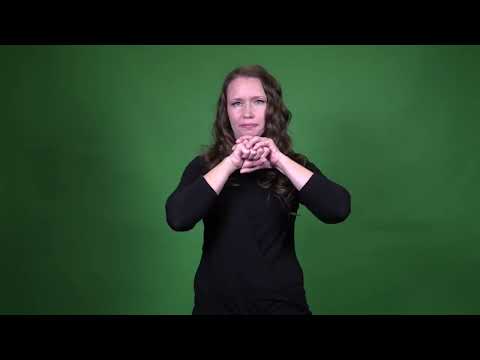
Definition: A player who catches the ball in baseball.
Sign for CATCHER in ASL

Practice Activities:
To begin practicing the sign for CATCHER in ASL, try signing it repeatedly while watching yourself in a mirror. Focus on the precision of handshape and movement, maintaining fluid transitions. Practice fingerspelling related baseball terms like PITCHER, BATTER, and BALL to build context and fluency.
Use the sign in simple sentence structures to reinforce meaning. You might sign phrases like “BASEBALL TEAM HAVE GOOD CATCHER” or “CATCHER CATCH BALL ALWAYS.” These types of practice sentences help learners understand how the sign for CATCHER in ASL fits naturally into conversation. Repeating these with slight variations keeps practice dynamic.
Create flashcards with players’ roles so that you can name each using the correct ASL sign. Shuffle and draw cards to sign them quickly and accurately. Mix in signs for sports, actions, and positions to keep your receptive skills sharp. Practicing with a partner can help simulate a real conversation using sports-related vocabulary.
Storytelling exercises are also great for memory and fluency. Try describing a scene at a baseball game. Start with the position of the catcher, what they’re doing, and include reactions from other players. Use signs for THROW, CATCH, RUN, and OUT to build your narrative around the sign for CATCHER in ASL.
Role-playing can be engaging for learners. Take turns playing various roles—one person acts as the commentator, the other signs the corresponding roles. When it’s time to bring in the catcher, use the proper sign and relate it to what’s happening in the game.
Set a timer and see how many times you can correctly use the sign for CATCHER in ASL in a one-minute improvised story. Building speed and confidence makes signs easier to recall during conversation.
Cultural Context:
In American Sign Language, the sign for catcher in ASL connects deeply with sports culture in Deaf communities. Whether it’s amateur baseball, little league, or professional games, the role of a catcher is recognized and valued both on and off the field. The sign for catcher in ASL reflects more than just a position—it ties into shared experiences and identity.
Deaf athletes and fans alike use the sign for catcher in ASL during games, in storytelling, and when reminiscing about past tournaments. Baseball is popular in many Deaf schools and communities, and learning the sign for specific positions like catcher is part of engaging with the sport fully. It’s not just a literal sign—it brings people into a larger cultural narrative.
Many Deaf students first learn the sign for catcher in ASL while playing sports at school or participating in community events. Coaches, teammates, and fans use ASL to communicate game strategies, and the catcher plays a central role in this process. Knowing the accurate sign for catcher in ASL helps improve communication on the field.
The sign for catcher in ASL may vary slightly across regions or age groups, but the concept remains the same: a person crouched behind home plate, ready to receive the ball. This image is universal in baseball, and Deaf communities have visually adapted it into sign language. The movement and handshape are intuitive to those familiar with the game.
Understanding the sign for catcher in ASL also promotes inclusion and access. Interpreters at sporting events use it to make commentary and game action understandable to Deaf viewers. When everyone knows and uses the sign fluently, it strengthens community ties and enhances the experience for all.
Beyond sports, the sign for catcher in ASL can be used in storytelling and educational content. For example, when discussing career options or explaining sports roles to children, this sign allows clear and engaging communication. It ensures that Deaf children see themselves represented in the sports world.
Using the sign for catcher in ASL in media and online content encourages visibility for Deaf athletes. Social media platforms, vlogs, and interviews often include this sign when featuring Deaf baseball players or coaches. Consistent use and teaching of this sign can help preserve and standardize it for future generations.
Sign language artists and performers sometimes incorporate the sign for catcher in ASL into their routines to highlight sports culture or individual stories. This fusion of language and expression reflects the dynamic nature of ASL and how deeply it is tied to cultural experience. Whether in a national league or a local community game
Extended Definition:
The sign for catcher in ASL is a visually descriptive sign that mimics the actions of catching something, usually referencing the role of a catcher in baseball or softball. This sign is made by combining elements that show protective gear and the catching motion, clearly identifying the role of the player in context.
When signing the term, people often include a gesture that represents a face mask or mitt, especially when indicating a catcher from a sports team. The sign for catcher in ASL can also be adapted depending on the situation, such as referencing catching physical objects, animals, or referring to someone who performs catching as a task or role.
In American Sign Language, sports terms like catcher are typically shown using classifiers or descriptive signs to represent the player’s position and role on the field. The visual-spatial nature of ASL allows signers to show the location or position of the catcher in relation to other players, like the pitcher or batter.
The sign for catcher in ASL may differ slightly depending on regional sign variations or the age of the signer. Some Deaf communities add specific details to make the sign more clear, especially when used in storytelling, sports commentary, or classroom settings. These differences still maintain the overall concept of the role, while tailoring the sign to the needs of the conversation.
If you’re teaching children or beginner signers, the sign for catcher in ASL can be taught alongside other positions like pitcher and batter to help build sports-related vocabulary. Showing the actions of the catcher while signing can improve understanding and memory, making the term easier to recall during conversation or games.
Because ASL is a visual language, the sign for catcher captures both the protective gear and the act of catching. This makes the meaning clear even without spoken words. People using the sign in conversations can also follow up with fingerspelling or additional signs if they need to clarify the context, like maybe it’s someone catching fish rather than playing sports.
In Deaf sports leagues or events with interpreters, using the correct sign for catcher in ASL helps ensure smooth communication. It identifies the position quickly, so everyone involved understands the play or discussion. It’s especially helpful when interpreting sports broadcasts or coaching Deaf athletes.
In educational videos or ASL dictionaries, showing multiple angles and using slow motion can help learners understand how to make the sign for catcher in ASL correctly. Watching native signers use it in real-time conversations can also enhance understanding of how the sign flows naturally within ASL grammar.
Whether you’re a student, parent, teacher
Synonyms: receiver, fielder, backstop, back catcher, baseball catcher
Educational resources: Find related learning materials in our course bank!
Want more? Check out some of our popular learning activities on the homepage!
Need to look up a sign? Use our highly rated dictionary: https://aslinteractive.com/best-asl-dictionary/
Follow us on tiktok: https://www.tiktok.com/@aslinteractive. More social media links at the bottom of this page!
Long-tail Keywords: what is the sign for catcher in ASL, how to sign catcher in American Sign Language, how do you sign catcher in ASL
Categories:
tags: sports, baseball, activities, people, clothing
Parameters
*Handshape*:
The handshape for the sign for CATCHER in ASL typically uses both hands in a modified “C” shape, held near the face to mimic the shape of a catcher’s mitt. The dominant and non-dominant hands curve inward, forming a space that symbolizes catching a ball.
This visual representation aligns with the role of a catcher in baseball. The sign for CATCHER in ASL clearly conveys the specific function of catching using these curved handshapes.
*Palm Orientation*:
The palm orientation for the sign for CATCHER in ASL typically involves both hands in a cupped or C-handshape, facing each other with palms angled slightly inward. This mimics the action of catching something, such as a ball.
In the sign for CATCHER in ASL, the hands often face the midline of the body, reinforcing the visual representation of a catcher catching with both hands. The orientation remains stable throughout the short motion to clearly convey the concept.
*Location*:
The sign for CATCHER in ASL is typically produced in the area just in front of the chest. This location mimics where a baseball catcher would hold their glove to catch a pitch, offering a visual and spatial representation of the role. The signer usually positions both hands in front of the torso to depict this action clearly.
When using the sign for CATCHER in ASL, maintaining the movement within the central chest area is important, as it helps to accurately convey the context of catching in a sport like baseball ⚾. The sign’s location supports the iconic representation of the baseball position, making it both clear and recognizable.
*Movement*:
To show the sign for CATCHER in ASL, begin by forming both hands into bent “5” handshapes, resembling the position of a catcher’s mitt. Bring both hands up in front of your face, palms facing inward as if bracing for a ball.
The movement mimics someone catching something—hands come together slightly, almost like clapping but with space between, then hold the pose briefly. The sign for CATCHER in ASL can be followed by the sign for “person” to clarify the role.
*Non-Manual Signals*:
When demonstrating the sign for CATCHER in ASL, the signer typically adopts a focused or intent facial expression, reflecting the alert posture of a catcher in a game. Slight eye squinting and head tilts may be used to simulate concentration or readiness.
Eyebrows may be slightly furrowed to show determination or intensity, enhancing the meaning of the sign for CATCHER in ASL . The mouth may stay neutral or slightly open, as if in the act of focusing or actively watching movement.
*Prosody, Dominant/Non-Dominant Hand*:
The sign for CATCHER in ASL uses both hands to resemble catching, followed by a person indicator. The dominant hand typically forms a modified “C” or flat hand, mimicking the action of catching a ball into the non-dominant hand, which is slightly curved like a mitt.
After the catching motion, both hands move downward in a parallel manner to show the person classifier. The non-dominant hand supports the visual concept of the position while the dominant hand leads the action. The sign for CATCHER in ASL captures both the physical act and the role in a baseball context. ⚾
Tips for Beginners:
When learning the sign for CATCHER in ASL, it’s helpful to understand that this concept is best conveyed through a combination of classifiers and role-shifting. Think of how a baseball catcher positions themselves with their glove open, ready to receive the ball. Mimicking this stance visually and expressively helps communicate the meaning clearly. Use a bent “5” handshape to show the glove, and make sure your body posture supports the role.
Beginners should also consider using facial expressions and eye gaze in coordination with the hand movements. These elements help show the seriousness or intensity of a catcher in action. If you’re trying to describe a catcher catching a fastball or positioning behind the batter, those facial cues can make your signing more vivid and context-specific.
A mistake many learners make when practicing the sign for CATCHER in ASL is using too generic of a motion. Remember, ASL is a visual language, and generic movements can lose the specific meaning of context-centered roles like a baseball catcher. If you’re simply showing a general catching motion, you might not be clear enough. Instead, visualize the sport and the mechanics of catching in context.
Practice in front of a mirror and try recording yourself to see how well your role-shifting and classifier use match the image of a real-life catcher. Adding final touches like simulating the motion of squatting or tracking a ball’s path helps reinforce clarity. Don’t forget to fingerspell “C-A-T-C-H-E-R” if needed for clarification or when first introducing the term in a conversation.
Using the sign for CATCHER in ASL consistently in sports-related contexts and with clear visual storytelling will build fluency. Keeping your movements intentional and your expressions aligned with your signs will support more accurate and effective communication.
Connections to Other topics:
The sign for CATCHER in ASL is closely related to the broader category of baseball signs. It often builds off the sign for BASEBALL and incorporates a classifier or mime-like element to represent the action of catching behind home plate. This shows how ASL can combine sports-related context and physical representation to indicate specific roles or actions within a sport.
This sign also connects to job titles and characters in other contexts, such as GOALIE in soccer or RECEIVER in football, where similar physical gestures and classifiers are used to represent catching or blocking. Learning the sign for CATCHER in ASL can help users understand how ASL uses iconicity and spatial representation to express roles that involve actions or specialized duties .
Additionally, the sign for CATCHER can be a building block for compound signs when describing positions or stories. For example, a sentence using the signs for BASEBALL + CATCHER + GAME would clearly contextualize the discussion around a sporting event and a specific person’s role in it. This teaches learners how to chain signs and use context to reinforce meaning.
Understanding the sign for CATCHER in ASL also encourages learning more about how classifiers function in the language. Many signs for positions in sports use classifier handshapes, offering a pathway into more advanced ASL topics like role-shifting and constructed action. These foundations help learners create more fluent and accurate narratives.
The sign for CATCHER in ASL also brings up related vocabulary like MITT, BALL, THROW, and STRIKEOUT. These signs often appear together when discussing games or sports, making thematic vocabulary acquisition essential. Through sports-related discussions, learners can also practice sequencing and storytelling, which are key aspects of ASL skill development .
Summary:
The sign for CATCHER in ASL draws from both the concept of sports and role-based identification in sign language. Typically associated with baseball, this sign combines the idea of “catching” with a classifier or iconic movement that portrays the role. It often uses a bent-5 or claw hand facing upward, mimicking the motion of a baseball being caught with a mitt in front of the body.
This sign visually embodies the act of catching the ball, which is central to the position of a catcher in baseball. The hands may mimic the snapping shut of a glove while facing forward, suggesting the readiness of the catcher to receive pitches. The motion helps viewers understand that the role is not passive, but involves readiness and reflex.
In ASL, role-based signs like the sign for CATCHER in ASL often pair a base action with directional or spatial alignment. Commonly, a person-affix classifier may be added, like the AGENT marker, to show someone who habitually performs the act. In this case, signing CATCH and then adding the AGENT marker finalizes the noun into CATCHER.
When used grammatically within ASL structure, the sign for CATCHER in ASL would often follow topic-comment syntax. For example, in a sentence like BASEBALL CATCHER GOOD, the topic is established first. This reflects ASL’s visual-spatial structure, which allows for highly efficient storytelling and communication.
The cultural association between baseball and American identity provides a rich background for the sign for CATCHER in ASL. Baseball is a deeply rooted part of American culture, and its lexicon has naturally integrated into ASL’s evolving vocabulary. The visibility of sports in Deaf schools and recreational leagues reinforces familiarity with this sign.
The sign for CATCHER in ASL is understood widely among sports fans in the Deaf community, especially those involved in Deaf sports leagues. These contexts often create more nuanced or regional variations in how the sign is executed. The portrayal may shift from a literal glove-catch movement to more fluid gestures symbolizing the unique style of a team or region.
Variation can also be observed depending on whether someone is formally trained in interpreting or simply signing colloquially. Some people may fingerspell CATCHER when discussing professional positions or specific individuals by name. This practice honors the specificity of the role in professional sports contexts like Major League Baseball.
The sign for CATCHER in ASL illustrates how ASL utilizes iconicity—that is, the resemblance between sign and referent. The handshape and motion closely mimic the physical action performed by a real-life catcher. This iconic relationship aids memory retention, acquisition by learners, and quick identification.
From a linguistic standpoint, the sign serves as an example of how compound signs can appear in classifiers and agentive constructions. The base sign CATCH is enriched with movement, direction, and an agent suffix. This demonstrates ASL’s morphology, where meaning is layered through space, movement, and handshape.
ASL does not use affixes in the same way spoken English does, but the agent marker functions similarly. This non-manual signal can include posture shifts, facial grammar, or the use of classifiers to mark professional roles. Therefore, the sign for CATCHER in ASL is inherently tied to the linguistic structure of the language.
In conversations related to sports, narratives about team roles, strategies, and personal talents frequently include the sign for CATCHER in ASL. Deaf sports teams use this vocabulary daily, whether on the field or in coaching settings. Instructional dialogues may contrast roles like PITCHER, CATCHER, and BATTER, each with its own defined sign.
Linking the sign to broader applied linguistics, learners studying ASL from sports contexts can observe how signs emerge organically from community needs. This bottom-up approach enriches the vocabulary in authentic and useful ways. It shows how sign languages evolve in tandem with cultural interests and daily activities.
Using the sign for CATCHER in ASL also opens discussions about classifiers, since the hand’s position and shape act as instruments of meaning. A single handshape can serve multiple signs depending on motion and location. This closely ties linguistics with embodiment theory in ASL, which influences how meaning is constructed bodily.
Furthermore, it provides insight into how signs are not merely translations of English words but represent distinct concepts bound to actions and roles. The sign for CATCHER in ASL isn’t just a translation of an occupation—it’s a visual identity based on behavior, purpose, and spatial expectation.
In the classroom, using the sign for CATCHER in ASL can also promote thematic vocabulary learning. When taught alongside related terms like BASEBALL, GLOVE, PITCHER, and BAT, it forms a structured lexicon related to a specific theme. This boosts semantic mapping and enhances learner engagement.
From a sociolinguistic view, this sign serves community identity functions. Fans and players in Deaf sports leagues use signs like this to establish
Want more? Check out some of our popular learning activities!
ASL Interactive Resources
ASLInteractive YouTube Channel
Follow us on tiktok: @aslinteractive.com
Follow us on Instagram: aslinteractive
Facebook page: aslinteractive
Facebook group: aslinteractive
LInkedIn: ASL Interactive LLC
Twitter: @ASL_interactive
*Some information on this page is AI-generated. AI can make mistakes. Please check the information.


Responses