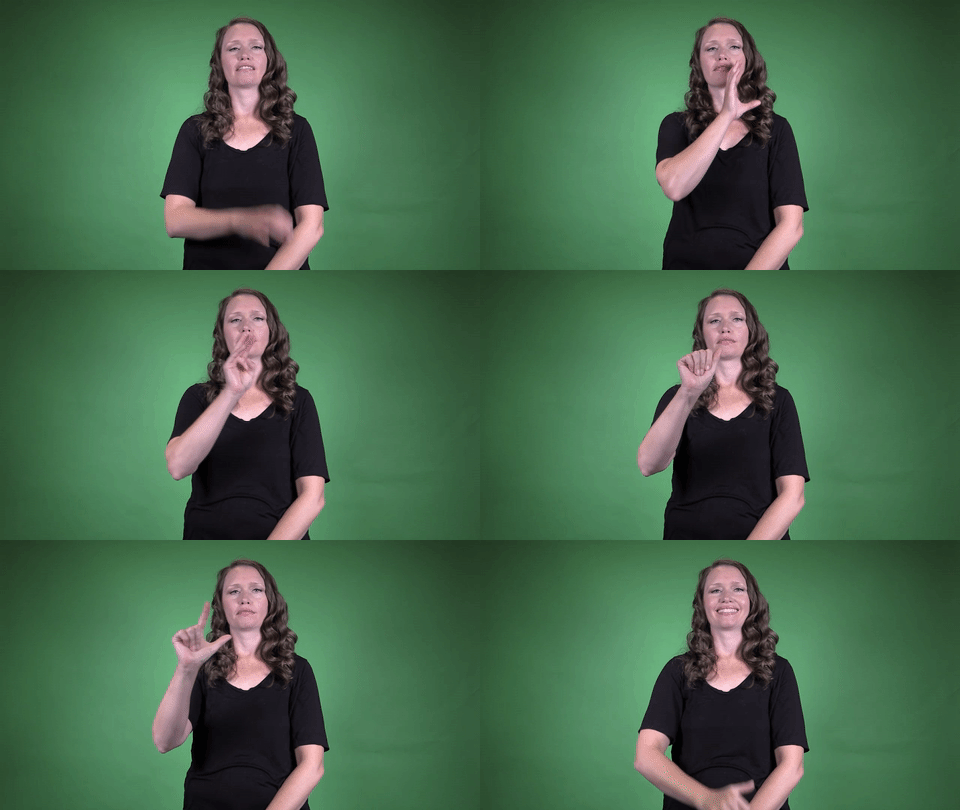
Sign for CHANDLER MALL in ASL | 🏬 ASL Dictionary

Definition: A shopping mall in Chandler.

Sign for CHANDLER MALL in ASL

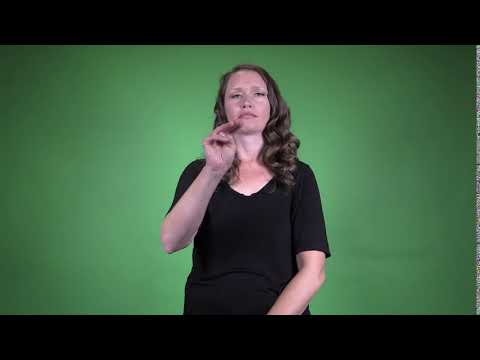
YouTube player

Practice Activities:

Begin by practicing the sign for CHANDLER MALL in ASL in isolation. Stand in front of a mirror and fingerspell “CHANDLER” clearly and smoothly, then follow up with the commonly used sign for “MALL,” such as making an “M” handshape and moving it in a small horizontal circle to represent shopping. Repeat multiple times to build muscle memory.

Next, practice incorporating the sign for CHANDLER MALL in ASL into simple sentences. Try signing phrases like “I went to CHANDLER MALL yesterday,” “CHANDLER MALL is very big,” or “Do you want to go to CHANDLER MALL with me?” Focus on your facial expressions and use appropriate non-manual signals to indicate past or future tense.

Create storytelling prompts that use the sign for CHANDLER MALL in ASL. For example, tell a short story about a shopping experience, a birthday party at the mall, or meeting a friend there. Include signs for stores, restaurants, and emotions to make the story more engaging and realistic. This will help reinforce fluency and context.

Do a partner activity where one person describes a pretend schedule or weekend plan using CHANDLER MALL as one of the key locations. The other person should interpret or respond appropriately, showing comprehension. Swap roles to practice both receptive and expressive skills.

Record yourself signing about CHANDLER MALL: what it looks like, what stores are there, and what people usually do. Watching your video later helps with self-correction and confidence building.

Use flashcards or apps to drill the fingerspelling of CHANDLER, aiming for speed and clarity. Then mix in flashcards with signs for places, so you can build phrases like “go to CHANDLER MALL,” “shop at CHANDLER MALL,” and more. Practice often to retain accuracy and fluidity.

Cultural Context:

The sign for Chandler Mall in ASL has become a recognizable regional sign among Deaf locals and visitors who frequent the East Valley area of Arizona. Chandler Mall, officially known as Chandler Fashion Center, is one of the largest malls in the Phoenix metropolitan area and a popular hotspot for shopping, dining, and socializing.

In ASL, place names like Chandler Mall are often fingerspelled first before a localized or initialized sign is developed by the community. The sign for Chandler Mall in ASL may vary depending on context and who is using it, but generally includes a combination of initialized handshapes and location-based gestures associated with Chandler or the mall itself.

With Chandler Mall being a major landmark in the city of Chandler, Deaf residents and ASL users frequently use the sign for Chandler Mall in ASL in everyday conversations. Whether meeting friends at the food court or attending seasonal events, this sign helps Deaf individuals quickly communicate about plans and locations.

The cultural significance of malls in Deaf communities is often tied to their roles as gathering spaces for social interaction. The sign for Chandler Mall in ASL represents more than just a shopping destination—it symbolizes a place where Deaf culture is shared, stories are exchanged, and ASL flourishes in real-time, face-to-face communication.

Students learning ASL in Arizona or interpreters working in the region may encounter the sign for Chandler Mall in ASL during real-world interactions. Knowing the regional signs like this one can help bridge communication and foster more authentic dialogues with Deaf individuals who are locals.

Over time, the sign for Chandler Mall in ASL may evolve based on how ASL users in the area adapt it for efficiency or uniqueness. It’s not uncommon for regional signs to develop organically and spread through regular use at Deaf events, community meetups, or interpreted public functions held at the mall.

Learning and using the correct sign for Chandler Mall in ASL can also show respect for the local Deaf community. It demonstrates cultural awareness and an understanding of how geography and daily life shape sign language vocabulary.

When documenting vocabulary for learners, capturing signs like the sign for Chandler Mall in ASL helps preserve culturally rich aspects of regional ASL that might not appear in traditional textbooks. It’s also useful for tourists or new residents in Chandler who are navigating cultural and communicative norms in ASL.

The visual-gestural nature of ASL makes it perfect for describing spatial places like malls, and the sign for Chandler Mall in ASL often includes cues related to the mall’s layout, architecture,

Extended Definition:

The sign for CHANDLER MALL in ASL is a proper noun sign used to refer to the shopping center located in Chandler, Arizona. Since it is a specific place, its sign is usually a combination of initialized location signs and sometimes classifiers to reference the mall aspect.

There isn’t a universally established sign for CHANDLER MALL in ASL, so the sign may vary depending on the region and local Deaf community. In many cases, signers will fingerspell *Chandler* first and then follow with the general ASL sign for *mall*. This approach helps ensure clarity, especially for audiences unfamiliar with the location.

When using the sign for CHANDLER MALL in ASL, it’s important to include contextual clues to indicate that you’re referring to that specific shopping center. Once *Chandler* is fingerspelled initially during a conversation, some signers may then use a shortened or initialized sign in repeated references throughout the same dialogue.

The general sign for *mall* in ASL typically resembles compound signs for shopping and building. It may combine the signs for *shop* followed by the sign for *place* or *area*, or it may use the classifier for a large building or commercial structure. Including these classifiers helps visually establish the idea of a physical space or complex of stores.

For local Deaf communities in Arizona, the sign for CHANDLER MALL in ASL might evolve into a more specific abbreviation, especially among regular visitors or residents. This kind of adaptive signing is common in ASL, particularly for place names that are frequently referenced in conversation.

Using facial expressions and spatial referencing while signing CHANDLER MALL in ASL adds clarity and richness to the message. You can use directional signs or map the mall’s location in your signing space to indicate proximity to Phoenix or other identifiable landmarks that are commonly understood.

Some signers might use an initialized *C* on the dominant hand to refer back to *Chandler*, followed by a two-handed general classifier to suggest the structure of a mall. These custom identifiers should only be used after first introducing the full name for clarity.

When teaching or learning the sign for CHANDLER MALL in ASL, it’s helpful to practice both the fingerspelling and the corresponding general signs. You can use video models, peer conversations, or in-person walkthroughs to reinforce recognition and fluency.

Keep in mind that signs for specific locations, like the sign for CHANDLER MALL in ASL, are influenced by local

Synonyms: Chandler Fashion Center, Chandler shopping mall, Chandler retail center, Chandler commercial complex, Chandler mall shopping

Educational resources: Find related learning materials in our course bank!

Want more? Check out some of our popular learning activities on the homepage!

Need to look up a sign? Use our highly rated dictionary: https://aslinteractive.com/best-asl-dictionary/

Follow us on tiktok: https://www.tiktok.com/@aslinteractive. More social media links at the bottom of this page!

Long-tail Keywords: what is the sign for Chandler Mall in ASL, how do you sign Chandler Mall in ASL, ASL sign for Chandler Mall

Categories:

tags: Chandler, mall, Arizona landmarks, facilities and other locations/needs, cities

Parameters

*Handshape*:

The handshape for the Sign for CHANDLER MALL in ASL typically begins with using the dominant hand in the fingerspelling handshape, starting with the letter C, followed by sequentially forming each letter in CHANDLER. For MALL, the handshape continues by fingerspelling M-A-L-L.

Since the Sign for CHANDLER MALL in ASL is based on fingerspelling, each handshape changes slightly to reflect each individual letter. Clear, deliberate hand positioning and fluid transitions between letters are key for readability.

*Palm Orientation*:

For the sign for CHANDLER MALL in ASL, the palm orientation during the fingerspelling of CHANDLER is typically upright with the palm facing outward, away from the signer. Each letter is formed clearly, moving from the dominant hand’s starting position near the shoulder or mid-torso.

After fingerspelling CHANDLER, the sign for MALL often uses a flat handshape with both palms facing down, brushing past each other in a parallel motion. This shows the concept of multiple stores or a shopping area. The palm orientation plays a key role in visually distinguishing the sign for CHANDLER MALL in ASL. ️

*Location*:

The sign for CHANDLER MALL in ASL typically starts at the neutral space in front of the body, around chest level. Since CHANDLER is a proper noun and not a standard sign, it is fingerspelled slightly below shoulder height, maintaining comfortable hand positioning .

After fingerspelling CHANDLER, the MALL part of the sign is performed in the same signing space. This area allows for clear visibility and flow between the fingerspelled and conceptual parts of the Sign for CHANDLER MALL in ASL.

*Movement*:

The Sign for CHANDLER MALL in ASL typically involves fingerspelling both “CHANDLER” and “MALL.” Start with your dominant hand in the standard fingerspelling position, smoothly spelling C-H-A-N-D-L-E-R, keeping your hand steady and clear in front of your dominant shoulder. Then transition directly into spelling M-A-L-L without dropping your hand position.

The Sign for CHANDLER MALL in ASL is often used when referring to this specific location. Make sure your handshapes are precise and your fingerspelling pace is consistent and smooth, allowing the viewer to understand each letter. You can pair this with signs like SHOPPING or STORE to give context during a conversation.

*Non-Manual Signals*:

When showing the sign for CHANDLER MALL in ASL, raise your eyebrows slightly and keep eye contact to indicate you’re specifying a proper noun or named location. A slight lean forward with an inquisitive or neutral facial expression suggests you’re identifying or referencing a known place. The sign for CHANDLER MALL in ASL often uses fingerspelling, so maintain a steady head and focused gaze on the dominant hand for clarity ✋. Use a natural but focused demeanor to emphasize you’re discussing a specific mall.

*Prosody, Dominant/Non-Dominant Hand*:

The sign for CHANDLER MALL in ASL typically begins by fingerspelling CHANDLER using the dominant hand while the non-dominant hand remains still. Each letter is clearly articulated in a standard fingerspelling position near the shoulder or upper chest area. After that, the sign for MALL can be expressed using both hands in flat-B shapes, palms facing downward, brushing past each other to represent walking or shopping movement. ️

When signing the phrase sign for CHANDLER MALL in ASL, maintain eye contact and appropriate prosody to emphasize the place name. Be sure to pause slightly between the fingerspelled portion and the sign for MALL to help the viewer process the layered information.

Tips for Beginners:

The sign for CHANDLER MALL in ASL typically involves fingerspelling “CHANDLER” followed by the standard sign for “mall,” which is often shown by forming both hands into flat “B” handshapes and moving them forward in a parallel motion to represent walking through a mall. Since CHANDLER is a proper noun, fingerspelling is appropriate and often expected when referring to specific place names like in the sign for CHANDLER MALL in ASL.

For beginners, focus on becoming comfortable with fingerspelling clearly and at a moderate pace. Often, new signers try to go too fast, which causes confusion and unclear handshapes. Practice spelling “CHANDLER” slowly at first, then pick up speed only when your handshapes are distinct and fluid.

Common pitfalls include sloppy letter transitions, especially between D, L, and E. These letters can easily lose definition if rushed or signed without proper hand positioning. Use a mirror to watch your fingerspelling or record yourself to pinpoint areas needing improvement. Also, make sure your palm orientation stays consistent throughout.

Facial expressions are not as crucial for fingerspelling but are useful when signing the context. When signing “mall” after fingerspelling “CHANDLER,” use body position or directional movement to emphasize that it’s a place. This adds depth and clarity to the sign for CHANDLER MALL in ASL.

Take time to observe fluent signers. Watch videos featuring specific locations like malls or cities, so you can see repeated use of fingerspelling blended with conceptual signs. This will help build your confidence and contextual understanding.

Don’t be afraid to ask others if your fingerspelling is understood, especially for place names. Accuracy is more important than speed early on. With consistent practice, you’ll be able to use the sign for CHANDLER MALL in ASL smoothly and confidently in conversations.

Connections to Other topics:

The sign for CHANDLER MALL in ASL often involves a combination of fingerspelling the proper noun “Chandler” followed by the sign for “mall,” which is commonly expressed by the sign for “store” done in a repeated circular motion to show a collection of shops. This is an example of how ASL incorporates both fingerspelling and conceptual signs to represent real-world locations. Many place names, especially cities or branded areas, are fingerspelled first and then paired with a classifier or general concept like “MALL” to clarify context .

The structure of the sign for CHANDLER MALL in ASL allows learners to explore how location-based signs are constructed. It draws connections to other signs such as “shopping center,” “plaza,” or “mall” — all of which share the STORE root. The incorporation of directional verbs like “go-to” or spatial referencing helps show movement in a mall, offering a more immersive narrative when describing events or locations.

Learners can also compare this structure to other compound signs like “NEW YORK CITY” or “DISNEYLAND,” where a place name is fingerspelled and then paired with an identifying feature. In storytelling using ASL, this format helps build clear pictures by setting the scene before adding action. This becomes especially useful in conversations about activities, events, or giving directions.

The sign for CHANDLER MALL in ASL also provides a great opportunity to explore the wider topic of naming conventions in ASL. Many town or local names do not have standard signs, requiring the signer to spell them out first. However, if the location becomes frequently referenced in a Deaf community, it may develop a lexicalized sign over time and evolve naturally .

Understanding the sign for CHANDLER MALL in ASL deepens insight into how abstract concepts and physical places come together through a mix of manual spelling and semantic accuracy. This approach underscores the flexible yet systematic nature of ASL, making it a powerful tool for both everyday conversation and formal communication.

Summary:

The sign for CHANDLER MALL in ASL is typically constructed by fingerspelling CHANDLER followed by the sign for MALL. Since CHANDLER is a proper noun and a geographic name, it is not given a standalone unique sign unless commonly abbreviated or initialized within local Deaf communities.

CHANDLER is fingerspelled using each letter: C-H-A-N-D-L-E-R. Clarity, precision, and fluent hand transitions are important in this fingerspelling to ensure the signer properly communicates the name. It’s often used for place-names or names of individuals.

After fingerspelling CHANDLER, the next part is the sign for MALL. MALL can be signed with a compound or initialized sign, frequently interpreted as a version of STORE or a movement involving shopping signs. Some signers may use both hands in the STORE sign motioning as if gesturing towards multiple shops in a hallway, conveying the mall concept.

There isn’t a standardized sign for every specific mall around the U.S., so location names like CHANDLER tend to stay fingerspelled. However, if a particular mall becomes culturally relevant, local signs may develop to speed communication. This can happen especially in tight-knit signing communities where frequent mention of a place invites abbreviation or creative adaptation.

The sign for CHANDLER MALL in ASL emphasizes how ASL treats named landmarks and proper locations. The use of fingerspelling shows ASL’s flexibility in absorbing place names by representing them letter-by-letter, preserving their English equivalents. Over time and with social use, rhythmic or shortened versions might evolve.

In grammatical usage, fingerspelling CHANDLER followed by the concept of MALL respects ASL syntax: location marking can occur before or after related topic signs. One might establish CHANDLER MALL by fingerspelling it, holding a locus, and then referencing this by direction or indexing throughout the interaction.

From an applied linguistics view, this sign illustrates the bilingual nature of ASL users. Since many proper nouns originate in English, signers integrate them through fingerspelling, reinforcing bilingual competence and cross-linguistic transfer. This strategy helps maintain authenticity of names while aligning them with the ASL structure.

The cultural relevance of CHANDLER MALL to the local Deaf population can influence whether an initialized or abbreviated sign emerges. If Deaf events frequently occur there, signers may develop shortcuts. This phenomenon supports the dynamic, evolving nature of ASL.

The fingerspelling CHANDLER serves as a referent anchor. If CHANDLER MALL is mentioned repeatedly in a conversation, signers often shorten or assign a classifier location to reduce the need to fingerspell every instance. This ties into the broader theme of efficient communication in ASL.

Signed conversations about locations often use indexing and classifiers to spatially arrange information. After establishing CHANDLER MALL via fingerspelling and a retail sign, a signer can push that location to the right or left in signing space and reference it through pointing or gaze shifts. This spatial grammar technique increases clarity and visual structure.

There are signs related to MALL, such as SHOPPING, STORE, or CENTER. These can adapt depending on context. For example, if discussing shopping at CHANDLER MALL, a signer might follow CHANDLER MALL with repeated SHOPPING motions or signs that depict browsing or carrying goods.

CHANDLER MALL may also be localized differently depending on region or community familiarity. Older Deaf signers might fingerspell the entire phrase each time, while younger signers from Arizona might abbreviate it, possibly saying “C-M” or using classifier gestures to replace store references. This reveals patterns in regional ASL use.

The sign for CHANDLER MALL in ASL underscores the importance of sociolinguistic input. When naming public locations, repeated exposure and community frequency heavily influence whether a unique sign emerges. Until then, fingerspelling dominates new or less salient names within the Deaf lexicon.

Across Deaf community contexts, accessibility to CHANDLER MALL plays a role in how the sign grows. If it houses an inclusive job fair, Deaf event, or related gathering, its significance increases. Signers are more likely to establish shorthand for locations of frequent social importance.

There’s a rich linguistic element involved in using fingerspelling for CHANDLER. Timing, pacing, and fluency matter—an unsigned or fumbled handshape can distort the name. ASL learners often practice such sequences to improve their receptive and expressive skills.

The sign for MALL often shows environmental awareness. Signers may use movement or size classifiers to describe the mall’s layout after naming it. For CHANDLER MALL, signers might air-map its structure, size, or key stores after initial naming, indicating strong visual-spatial linguistic behavior in ASL.

CHANDLER MALL also connects to larger semantic fields in ASL such as COMMERCIAL, LEISURE, or YOUTH CULTURE. As a

Want more? Check out some of our popular learning activities!

ASL Interactive Resources

ASLInteractive YouTube Channel

Follow us on tiktok: @aslinteractive.com

Follow us on Instagram: aslinteractive

Facebook page: aslinteractive

Facebook group: aslinteractive

LInkedIn: ASL Interactive LLC

Twitter: @ASL_interactive

*Some information on this page is AI-generated. AI can make mistakes. Please check the information.

Sign for CHANDLER MALL in ASL

Responses