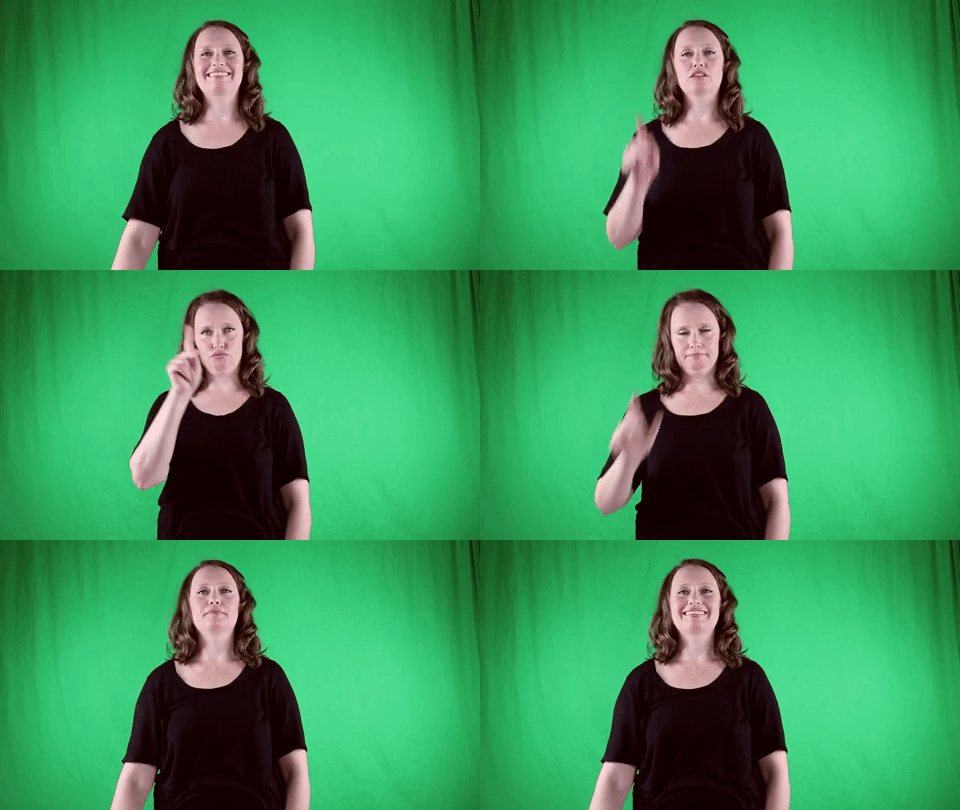
Sign for CIRCLE K in ASL | 🏪 ASL Dictionary

Definition: A convenience store chain.

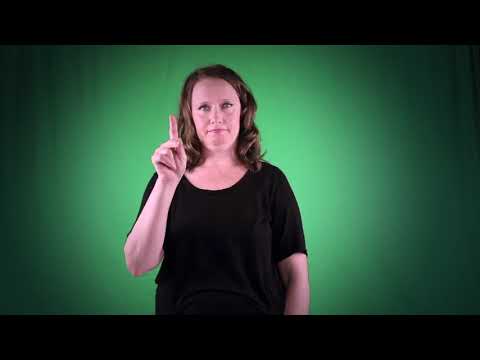
Sign for CIRCLE K in ASL

YouTube player

Practice Activities:

To practice the sign for CIRCLE K in ASL, begin by focusing on fingerspelling. Start slowly by fingerspelling each letter of C-I-R-C-L-E and then K. Repeat this process multiple times a day to strengthen muscle memory and spelling fluency. Use a mirror to self-check accuracy and handshape clarity.

Once you’ve built confidence with individual letters, move into practicing in context. Try spelling the sign for CIRCLE K in ASL while pretending to give directions to a local convenience store. For example, you might sign, “YOU SEE GAS STATION, NEXT TO CIRCLE K” or “I WORK AT CIRCLE K NEAR SCHOOL.” This builds both location vocabulary and realistic application.

Practice with a partner by taking turns naming a list of local businesses and fingerspelling each one. Whenever the sign for CIRCLE K in ASL comes up, add it into a sentence to build context. You can even quiz each other by showing signs for different stores and seeing who can guess and sign back the appropriate shop.

Use storytelling prompts like, “Tell about a time you went to CIRCLE K” or “Describe a road trip where you stopped at different gas stations including CIRCLE K.” These will allow you to embed the sign fluidly into natural language practice.

To make things more fun, create a scavenger hunt where learners must go around the classroom using signs to ask for various items found at CIRCLE K, such as “CHIPS WHERE?” or “CANDY FIND.” Tie each item back to the context of the sign for CIRCLE K in ASL to reinforce its correct fingerspelled formation and setting.

A great solo activity is to record yourself signing a short paragraph that includes the sign for CIRCLE K in ASL multiple times. Then, watch it back and assess your timing, clarity, and smoothness.

Cultural Context:

In American Sign Language (ASL), brand names and places often require specific signs that reflect their cultural relevance and frequency of use. The sign for CIRCLE K in ASL is notable due to the store’s widespread presence across the United States and other regions where ASL users live and work. Because CIRCLE K is a familiar convenience store brand, having a consistent and recognizable sign helps Deaf and hard-of-hearing individuals refer to it easily during daily conversations.

The sign for CIRCLE K in ASL may vary slightly depending on region, but it often incorporates fingerspelling combined with a cultural sign that reflects the logo or storefront. Since ASL is a visual language, signs are sometimes created to mirror how something looks or feels in the community. The visual branding of a store like CIRCLE K becomes an important part of how the sign is developed and taught among signers.

ASL community members often adapt signs to represent logos, making them more visual and intuitive. The sign for CIRCLE K in ASL might include elements that suggest the circular logo or the prominent red color scheme of the store. When a business becomes a part of everyday life, like buying snacks or gas at CIRCLE K, the need for a shorthand sign becomes culturally significant.

Deaf culture places importance on visual representation and accessibility. The development of the sign for CIRCLE K in ASL is part of how the community ensures inclusion in all parts of daily life, including brands and businesses. When a sign becomes widely accepted among Deaf users, it shows how language naturally evolves to fit the social and economic environment.

Some signs for businesses are regionally recognized and may not yet be standardized across all ASL users. However, through consistent exposure and use, the sign for CIRCLE K in ASL is becoming more commonly understood nationwide. Social media, vlogs, and ASL-based education platforms help spread these signs quickly among Deaf users.

In ASL classrooms and community centers, teaching signs for popular stores like CIRCLE K can help learners talk about real-life routines. Discussing where to meet or where someone was can often involve referencing a nearby CIRCLE K. That means having a clear and recognizable sign for CIRCLE K in ASL strengthens basic conversation skills around location and activity.

For many in the Deaf community, being able to sign the names of common businesses fosters independence and clarity in communication. The sign for CIRCLE K in ASL supports that freedom by allowing people to share details of their day quickly and visually.

Extended Definition:

The sign for Circle K in ASL refers to the specific way this convenience store brand is expressed using American Sign Language. As a brand name, Circle K might not have a standardized sign in all communities, and often, fingerspelling is used to spell out the name. However, some ASL users may develop a commonly accepted sign that combines a circular motion with a “K” handshape.

Most often, people sign Circle K in ASL by first making a circular motion with their dominant hand, typically using the index finger to mimic a circle shape. Then they follow up with the ASL letter “K,” formed by extending the middle and index fingers with the thumb positioned in the middle. This two-part gesture captures the visual and phonetic aspects of the name.

When signing brand names like Circle K, regional variations and personal adaptations are common. Some Deaf individuals might fingerspell the entire name—C-I-R-C-L-E-K—especially in more formal or unfamiliar settings. Others might abbreviate it using just the “C” and “K” handshapes in sequence after drawing an implied circle.

ASL learners should focus on clarity and accuracy when using the sign for Circle K in ASL. Whether using a modified gesture or fingerspelling it out, clear hand movements and consistent facial expressions will help ensure understanding. Since Circle K is a proper noun and a widely recognized brand, it’s important to ask within the Deaf community if a preferred or localized version of the sign is used in your area.

Visual context also plays a key role. If the conversation revolves around a recent visit to a Circle K or an event held at one, additional context may reduce the need to fingerspell the full name. Slight abbreviations of the sign might become acceptable in fast or casual conversation.

Fingerspelling C-I-R-C-L-E-K is the most universally understood method, particularly in educational settings or among people unfamiliar with informal signs. If using a specific gesture to represent Circle K in ASL, always ensure it’s accompanied by context or explained when necessary.

Deaf culture places high importance on clarity and visual language, so beginners should not assume that the letter “K” alone or a random gesture is enough. In situations where a visual representation of a physical store circle is used, pairing that with the appropriate fingerspelled or initialized sign helps avoid confusion. The sign for Circle K in ASL can vary slightly depending on the familiarity and usage among local signers.

Circle K, as a sign

Synonyms: Convenience store, Gas station, Quick stop, Corner store, Mini-mart

Educational resources: Find related learning materials in our course bank!

Want more? Check out some of our popular learning activities on the homepage!

Need to look up a sign? Use our highly rated dictionary: https://aslinteractive.com/best-asl-dictionary/

Follow us on tiktok: https://www.tiktok.com/@aslinteractive. More social media links at the bottom of this page!

Long-tail Keywords: what is the sign for Circle K in ASL, how do you sign Circle K in ASL, ASL sign for Circle K

Categories:

tags: Brands, Facilities and other locations/needs, Arizona landmarks, Transportation, Everyday activities

Parameters

*Handshape*:

The handshape for the Sign for CIRCLE K in ASL involves two distinct movements using fingerspelling. Begin with the dominant hand forming the letter “C” by curving the fingers and thumb into a half-circle. Then transition smoothly into the letter “K” by extending the middle and index fingers while the thumb touches the middle finger’s base.

Since the Sign for CIRCLE K in ASL is based on its initials, it’s crucial that each letter is clearly formed and precise. The fingerspelling emphasizes the brand name using standard ASL letter handshapes, making it easily recognizable within deaf and signing communities.

*Palm Orientation*:

For the sign for CIRCLE K in ASL, the palm orientation follows the standard pattern used in fingerspelling. The dominant hand is used, and the palm generally faces outward toward the viewer during each letter’s formation. For “C” and “K,” the palm remains slightly angled to maintain clarity and visibility.

Since the sign for CIRCLE K in ASL involves fingerspelling, accurate palm orientation is crucial for readability. Maintaining stable, outward-facing palms throughout the sign supports fluent handshapes and helps ensure each letter is properly understood.

*Location*:

The sign for CIRCLE K in asl is typically fingerspelled, so the location of the sign is important for clarity. The sign is formed in the neutral space directly in front of the upper chest, allowing good visibility for each handshape. Both hands stay in mid-air without touching the body, which keeps the focus on the clear articulation of the individual letters.

Because the sign for CIRCLE K in asl involves fingerspelling, it’s essential to maintain steady eye contact and a consistent hand height. This placement ensures that the letters are easily readable and keeps the signing area within the viewer’s natural line of sight.

*Movement*:

The sign for CIRCLE K in ASL is typically done by fingerspelling each letter: C-I-R-C-L-E and then the letter K. Hold your dominant hand in front of your torso and use smooth, clear movements to spell the word “CIRCLE” followed by forming the letter “K” with your dominant hand.

For clarity, keep your hand steady and slightly away from your body when spelling out the sign for CIRCLE K in ASL. Make sure each letter is distinct, especially the curved “C” and the “K” handshape, which resembles a peace sign with the thumb touching the middle finger. ✨

*Non-Manual Signals*:

When signing the Sign for CIRCLE K in ASL, maintain a neutral yet alert facial expression to match the formality of fingerspelling brand names. Eyes should focus on the dominant hand, showing clarity and accuracy, especially when spelling out each letter smoothly.

Slight eyebrow raise can indicate the importance of the name while keeping lips neutral. Consistency in pace ensures the Sign for CIRCLE K in ASL is easily understood and professionally presented.

*Prosody, Dominant/Non-Dominant Hand*:

To produce the sign for CIRCLE K in ASL, both hands are used to fingerspell the letters. The dominant hand performs the letters C, I, R, C, L, E one at a time in standard fingerspelling position, followed by the letter K. The non-dominant hand remains neutral, typically down at the side or supporting if needed.

Because the sign for CIRCLE K in ASL involves fingerspelling, clarity and pacing are vital. The dominant hand should stay within the viewer’s signing space , and each letter must be distinct to ensure proper understanding. This sign is especially common in regional contexts or when referencing specific convenience store brands.

Tips for Beginners:

When learning the sign for CIRCLE K in ASL, remember that both parts of the name are typically fingerspelled. Since CIRCLE K is a brand and proper noun, this means you’ll spell out each letter using clear, precise handshapes. Make sure to keep your elbow comfortable and your hand at shoulder or chest height while signing.

One beginner mistake is rushing through the fingerspelling. Take your time to make sure each letter is distinct—especially the transition between “E” and “K”, which can be tripped over. Practice slowly at first, and speed up only as your clarity improves. Keep your hand steady; bouncing or moving too much can make the sign hard to understand.

For the sign for CIRCLE K in ASL, facial expression isn’t necessary since it’s a neutral noun, but maintaining eye contact is still key when signing to someone. This helps them focus on your handshapes and improves communication. If the person you’re signing to seems confused, don’t be afraid to repeat more slowly.

A helpful tip is to practice fingerspelling common brand names like this in front of a mirror. It builds confidence and helps you catch unclear letters. You can also record yourself and watch the playback to spot inconsistencies in your hand shapes or flow.

Join a local or online ASL practice group where you can use terms like the sign for CIRCLE K in ASL in context. The more you recognize and repeat brand-based fingerspelling, the easier it becomes to recall on the spot. Add variety by including location-based phrases such as “I am going to CIRCLE K” to simulate real-life conversations .

With repetition, steady hands, and slower pacing, any beginner can master the sign for CIRCLE K in ASL with clarity and confidence.

Connections to Other topics:

The sign for CIRCLE K in ASL typically involves fingerspelling, as “Circle K” refers to a brand name and is not a general noun or concept with a standard lexical sign. Fingerspelling brand names is common practice in ASL, particularly for businesses or proper nouns that do not have officially adopted signs. This connects to a broader understanding of how ASL handles proper nouns using the manual alphabet as a default strategy.

Fingerspelling in the sign for CIRCLE K in ASL highlights the need for clarity, speed control, and consistent handshapes, all fundamental to effective ASL communication. Mastery of fingerspelling can support recognition of other common store names, like CVS or 7-Eleven, which are also expressed by spelling each letter. This strengthens one’s ability to talk about locations, directions, or everyday errands when these stores are referenced.

Understanding how compound signs work in ASL helps to place the sign for CIRCLE K in ASL within the context of location-related conversation. For instance, signs for “store,” “gas station,” and “near” can be combined with CIRCLE K through sentence structure to share information. A signer might say STORE FS-CIRCLE K CLOSE-TO ME to express that a Circle K store is nearby, using sentence elements to build up meaning naturally in ASL grammar.

Brand names like Circle K are also useful when teaching receptive skills, especially in fast-paced or context-rich narratives. In stories or dialogues, a signer might refer back to a location such as CIRCLE K, reinforcing the viewer’s attention through repetition and connection to shared experiences. This builds stronger memory links in the mind of the learner.

The sign for CIRCLE K in ASL also opens the door to examining register and appropriateness in sign choices. In casual conversation, Deaf signers might create initialized or shorthand versions of well-known brands, which differ from formal or interpreter-driven settings that rely more heavily on fingerspelling for clarity.

Summary:

The sign for CIRCLE K in ASL is typically done using fingerspelling. Since “Circle K” is a proper noun representing a brand name, it is fingerspelled as C-I-R-C-L-E and then K. This direct fingerspelling method is the most accurate way to convey the name, maintaining its brand identity clearly within the Deaf community.

Fingerspelling keeps the integrity of brand names intact. Many businesses and proper nouns retain their uniqueness and clarity in ASL by being fingerspelled. This approach is especially crucial when a widely recognized logo or trademark is involved, such as the red-and-white logo of Circle K.

The sign for Circle K in ASL doesn’t involve iconic or symbolic handshapes but relies entirely on accurate letter formation. When fingerspelling, be sure to maintain fluid and steady hand movements. The letters C-I-R-C-L-E are spelled out, and then the letter K is held briefly at the end with a slight pause, marking the end of the name.

There’s also a cultural familiarity with Circle K as a convenience store across many regions in the United States and globally. Because many Deaf individuals frequent such stores, the fingerspelled version becomes a familiar and quick reference. As a result, the sign for CIRCLE K in ASL evolves into a linguistic shorthand among fluent signers who are accustomed to the brand.

In conversational contexts, if CIRCLE K is a recurring part of a dialogue, the person may fingerspell it the first time, then create a shorthand classifier or initialized sign to refer back to it. For example, a signer might use a modified handshape or reference point on the signing space to reference Circle K later in the conversation. However, these shortcuts are understood only with established context.

Linguistically, fingerspelling plays a key role in integrating English vocabulary into ASL. The sign for CIRCLE K in ASL exemplifies this interface, showing how ASL borrows selectively while maintaining its grammatical and expressive structure. Instead of translation, fingerspelling provides a transliteration of the original term into an accessible visual format.

The coordinate use of fingerspelling for brand names allows for shared understanding across Deaf communities, even when the signings may differ slightly by region. The sign for CIRCLE K in ASL stays relatively universal due to its reliance on the standard ASL alphabet. This uniformity enhances clarity and prevents semantic confusion.

Context influences how the sign for CIRCLE K in ASL is used. If someone is giving directions, the store may be described by location in space using classifiers. A signer might fingerspell it once, then point in space to reference the shop’s location repeatedly throughout the discourse.

The rhythm and clarity of fingerspelling affect how well the sign is understood. When fingerspelling CIRCLE, each letter should be clearly formed, with particular attention to R, which tends to be reduced in fluent signing. The K at the end also requires clean articulation so that it’s not mistaken for H or P.

In ASL grammar, role shifting and spatial referencing often accompany fingerspelling to describe an experience or scene. For example, telling a story involving Circle K might include a depiction of walking into the store via spatial alignment while also spelling out the name. These visual aspects accompany the sign to enrich comprehension and narrative flow.

The sign for CIRCLE K in ASL is part of a broader pattern where corporate names without a commonly used symbol sign are fingerspelled by default. Unless a particular store or brand has established iconic signs within local Deaf communities, fingerspelling remains the most accurate method. Circle K has not developed a universal iconic sign, hence its fingerspelled format.

Brand recognition plays a strong role in how names are adopted into casual ASL usage. The fingerspelled sign for CIRCLE K in ASL reflects the brand’s visibility and relevance. Over time, Deaf signers may develop community-specific shorthand signs, but these are informal and not standardized across all ASL speakers.

The use of such fingerspelled company names highlights how ASL accommodates external linguistic elements while preserving the visual-spatial modality of the language. This contributes to a deeper understanding in applied linguistics on how borrowing and neologisms function in signed languages. ASL abstracts the essence of external vocabularies and represents them within its visual grammar.

In terms of sign placement, fingerspelling is typically done just below shoulder height and slightly out front. This provides optimal view for the receiver and keeps the hand within the signer’s natural signing space. For the sign for CIRCLE K in ASL, maintaining orientation and speed ensures intelligibility.

Fingerspelled brand names such as Circle K demonstrate how ASL users rely on visual memory and word shape. Experienced signers don’t see each letter in isolation but perceive them as a whole word shape. This parallels reading in spoken languages, offering insight into cross-modal literacy skills.

Understanding the sign for CIRCLE K in ASL also involves

Want more? Check out some of our popular learning activities!

ASL Interactive Resources

ASLInteractive YouTube Channel

Follow us on tiktok: @aslinteractive.com

Follow us on Instagram: aslinteractive

Facebook page: aslinteractive

Facebook group: aslinteractive

LInkedIn: ASL Interactive LLC

Twitter: @ASL_interactive

*Some information on this page is AI-generated. AI can make mistakes. Please check the information.

Sign for CIRCLE K in ASL

Responses