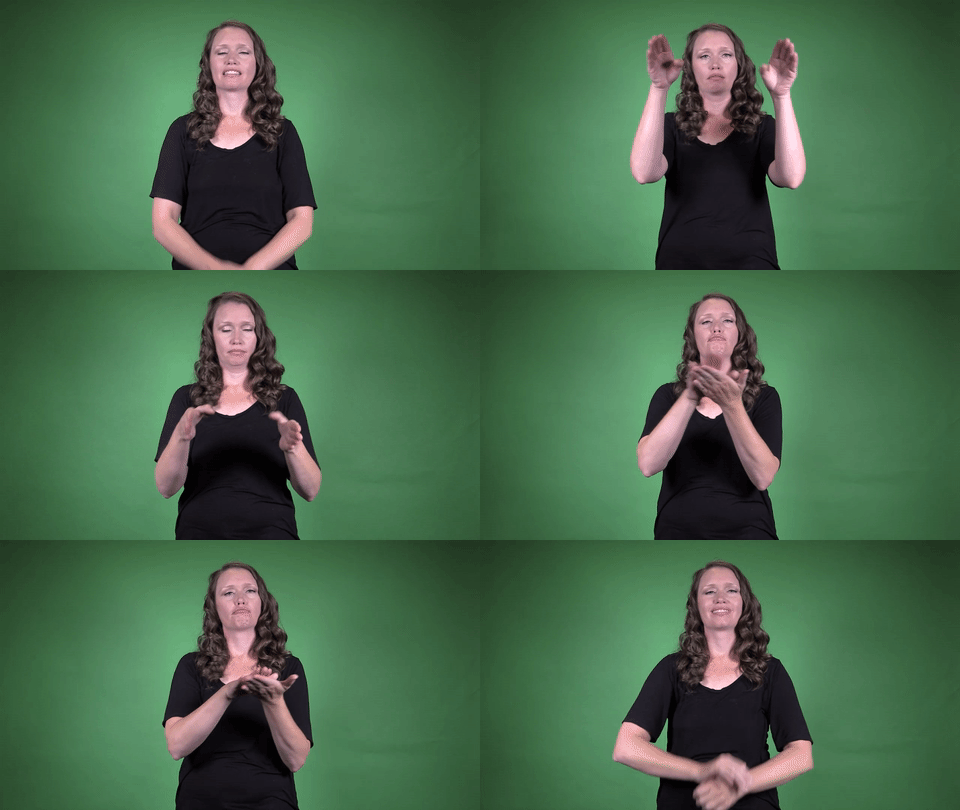
Definition: To clean the house.
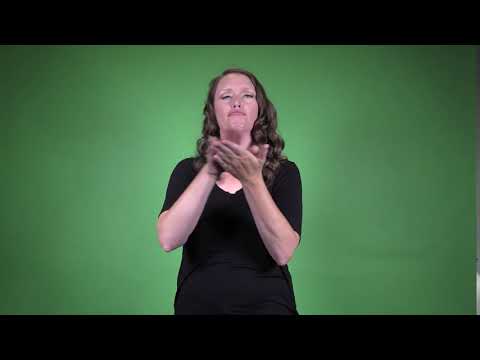
Sign for CLEAN HOUSE in ASL

Practice Activities:
To practice the sign for CLEAN HOUSE in ASL, start by isolating each concept. Practice the sign for CLEAN by sweeping your dominant hand flat across your non-dominant palm, as if wiping a surface clean. Then practice the sign for HOUSE by forming flat hands and outlining the roof and walls of a house shape in the air. Repeat each sign slowly, then more quickly, until the movement feels natural.
Once you’re confident signing CLEAN and HOUSE individually, practice combining them smoothly. Sign CLEAN followed immediately by HOUSE, maintaining clear handshapes and fluid movement. Use a mirror to self-check accuracy or record yourself and compare it to model videos.
Try signing short phrases like “I CLEAN HOUSE every weekend” or “CLEAN HOUSE today?” to incorporate the sign in sentences. These sentences build fluency and help with understanding sentence structure in ASL. As you grow more comfortable, increase the complexity of your sentences.
For a storytelling prompt, describe a day in your life that involves chores. Include details like who helps CLEAN HOUSE, what areas are cleaned, or how often you do it. Use signs you already know and sign new vocabulary as fingerspelling if needed. This helps reinforce the functional use of the sign for CLEAN HOUSE in ASL through context.
With a partner, take turns miming messy rooms, then sign your response using the sign for CLEAN HOUSE in ASL along with relevant descriptive signs. You can also play a game where your partner signs an activity and you reply “CLEAN HOUSE” if it occurs before or after.
Use daily opportunities to sign in real-time. If you’re about to do chores, say it in ASL. Practicing the sign for CLEAN HOUSE in ASL during actual routines helps reinforce memory and builds real-world usage.
Cultural Context:
In Deaf culture, the sign for CLEAN HOUSE in ASL carries meaning beyond its literal actions. When someone signs CLEAN HOUSE in ASL, it may reflect routines, values, or even community pride related to keeping living spaces tidy. Cleanliness often symbolizes order and respect in both personal and shared environments, especially in social gatherings.
In the Deaf community, visual clarity extends into the home. Signing CLEAN HOUSE in ASL can sometimes be part of broader conversations about creating safe, accessible, and welcoming spaces for Deaf individuals. Maintaining a clean house ensures that visual lines stay open for effective communication, which is a crucial aspect of Deaf culture.
The concept of a clean house isn’t just about dusting or vacuuming—it’s part of showing consideration for others. When members of the community come over, having a clean and organized space shows hospitality. The sign for CLEAN HOUSE in ASL can also come up in social exchanges where respect and thoughtfulness are at the center.
When you’re using the sign for CLEAN HOUSE in ASL during storytelling or casual conversation, it can often reflect emotional or spiritual cleansing as well. In some cultural contexts, people sign CLEAN HOUSE to talk about starting fresh or letting go of emotional baggage, not just straightening up the living room.
In family life, the sign for CLEAN HOUSE in ASL might be used in setting expectations or routines for children. It plays a role in teaching responsibility from a very young age in Deaf households. Parents often include signs like CLEAN HOUSE as part of daily visual routines that help structure the day.
Community events and homelife traditions often blend in the Deaf world. Preparations for family get-togethers or hosting Deaf events often involve the sign for CLEAN HOUSE in ASL as a way to plan and discuss readiness. It’s a practical sign with deep layers of relational and community meaning.
In storytelling settings, especially those passed down in culturally Deaf spaces, the sign for CLEAN HOUSE in ASL can show transition or change. A character cleaning their house may be symbolic of renewal or preparation for something new, making the sign not just literal but metaphorical. These stories offer layered meanings that are deeply understood within the community.
Social media posts, vlogs, and ASL storytelling videos frequently feature everyday signs like CLEAN HOUSE to reflect daily life. It’s a useful and common phrase with rich cultural ties, especially when preserving traditions through visual language. Signing CLEAN HOUSE in ASL is simple, but what it represents culturally is thoughtful and layered.
The sign for CLEAN HOUSE in AS
Extended Definition:
The sign for clean house in ASL combines two separate signs: clean and house. To fully understand the phrase, it’s important to look at each sign individually and understand how they work together to express a complete idea in American Sign Language.
The sign for clean is often formed by wiping one flat hand across the palm of the other, suggesting the motion of wiping a surface. This gesture visually represents the act of cleaning or making something neat. It’s a natural and visually descriptive way to communicate cleanliness in ASL.
The sign for house is typically formed by outlining the shape of a house with both hands, starting from the roof and moving down the sides. This iconic sign makes it clear that you’re referring to a dwelling or building. Once you know the sign for house, you can describe different types of homes or talk about things that happen in or around the house.
When you put the signs clean and house together, you’re expressing the concept of cleaning the house or having a clean home. The context and sentence structure in ASL can change how the sign for clean house is interpreted. For example, a directional motion or facial expression can indicate whether you’re cleaning your own house or someone else’s.
Facial expressions and non-manual signals are important when signing phrases like clean house. They add emotional context and show whether you’re asking a question, making a statement, or giving a command. Without these expressions, the message can become vague or confusing.
ASL grammar does not follow English word order. So, while in English we might say “I cleaned the house,” an ASL user could sign “house me clean,” with body language indicating the time frame. This is why learning the individual signs isn’t enough—you also need to understand ASL structure to use phrases like sign for clean house in ASL accurately.
This phrase is useful in conversations about chores, cleanliness, housing, or daily routines. Whether you’re telling a friend that your place is tidy or asking someone to clean their space, the sign for clean house in ASL makes communication clear and visual. It allows Deaf and hard-of-hearing individuals to express daily activities naturally and effectively.
Knowing this phrase can also be helpful in educational settings, social work, and caregiving environments. It provides a respectful and inclusive way to talk about maintaining a space. Mastering everyday phrases like this one expands your vocabulary and boosts fluency in ASL.
When learning the sign for clean house in ASL, it helps to observe fluent signers or watch video demonstrations
Synonyms: tidy up, organize the house, declutter, straighten up, clean up the home
Educational resources: Find related learning materials in our course bank!
Want more? Check out some of our popular learning activities on the homepage!
Need to look up a sign? Use our highly rated dictionary: https://aslinteractive.com/best-asl-dictionary/
Follow us on tiktok: https://www.tiktok.com/@aslinteractive. More social media links at the bottom of this page!
Long-tail Keywords: what is the sign for clean house in asl, how do you sign clean house in asl, asl sign for clean house
Categories:
tags: chores, activities, housing, everyday activities, verbs
Parameters
*Handshape*:
The handshape for the sign for CLEAN HOUSE in ASL uses a flat hand, typically the dominant hand, with fingers together and extended. This hand moves across the palm of the non-dominant flat hand, mimicking a wiping motion, which represents the concept of cleaning.
For HOUSE, both hands form flat “B” handshapes with fingers together, outlining the shape of a house in the air. The sign for CLEAN HOUSE in ASL uses these precise handshapes to clearly convey the meaning.
*Palm Orientation*:
For the sign for CLEAN HOUSE in ASL, the palm orientation for “clean” involves both hands in flat B-handshapes with the non-dominant hand palm-up and still, while the dominant hand starts palm-down and swipes across the non-dominant palm. The movement is smooth and deliberate, suggesting wiping or cleaning.
For the “house” portion of the sign for CLEAN HOUSE in ASL, both hands are in flat B-handshapes, palms facing each other. The hands start at the fingertips and move downward and outward to outline a house shape, with palms consistently facing inward during the gesture.
*Location*:
The location for the sign for CLEAN HOUSE in ASL uses two distinct placements. For CLEAN, the dominant hand brushes across the palm of the non-dominant hand, both positioned in front of the torso, around chest level. The action mimics a wiping motion, symbolizing cleanliness or wiping down a surface.
For HOUSE, the location moves slightly forward and outward from the chest. Both hands form flat palms and meet at the fingertips, then separate downward in parallel vertical lines, resembling the outline of a house. The full sign for CLEAN HOUSE in ASL stays in the front of the upper torso within a comfortable signing space.
*Movement*:
To perform the sign for CLEAN HOUSE in ASL, begin by holding your non-dominant hand flat, palm facing up. Then, with your dominant hand also flat and palm-down, brush it across the non-dominant palm in a sweeping motion from heel to fingertips, repeating this once or twice.
Next, sign HOUSE by forming both hands into flat B-handshapes and using them to outline the shape of a house. Start by bringing the fingertips together at an angle to show the roof, then move both hands downward and apart to outline the walls. The sign for CLEAN HOUSE in ASL includes two distinct actions that clearly represent the concepts combined.
*Non-Manual Signals*:
When signing the Sign for CLEAN HOUSE in ASL, maintain a neutral and pleasant facial expression, suggesting tidiness and order. A slight smile can enhance the meaning, especially when referring to a clean, welcoming environment.
Keep your eyebrows relaxed and your head in a natural position to avoid adding unintended meaning. Non-manual signals help clearly convey the literal concept of the Sign for CLEAN HOUSE in ASL without implying figurative messages.
*Prosody, Dominant/Non-Dominant Hand*:
The sign for CLEAN HOUSE in ASL uses both hands. For CLEAN, the non-dominant hand is held flat and horizontal, palm up, while the dominant hand also stays flat but palm down, swiping across the non-dominant hand in a smooth, straight motion. For HOUSE, both hands form flat shapes and outline the roof and walls of a house in a peaked, then downward motion.
When expressing the sign for CLEAN HOUSE in ASL, use fluid movements to show the connected meaning of both individual signs. Maintain clear palm orientations and consistent spacing for accuracy and clarity.
Tips for Beginners:
When learning the sign for CLEAN HOUSE in ASL, it’s helpful to remember that it combines two distinct signs: CLEAN and HOUSE. Start by mastering each of these signs individually so you can create a fluid motion when putting them together. For CLEAN, one hand (usually the dominant hand) brushes across the palm of the other hand in a single, smooth motion. For HOUSE, form both hands into flat B-shapes, then outline the shape of a house by touching fingertips together above your head and then bringing them downward, like the sides of a roof and walls.
Pay close attention to the handshapes and palm orientation. Beginners often either press too hard during the CLEAN sign or don’t maintain clear, straight handshapes for HOUSE. Gentle contact and controlled, deliberate movements are essential. Practicing in front of a mirror can help ensure that your signs are clean and accurate.
When signing the phrase, remember that ASL often follows a topic-comment structure. You can emphasize clarity by pausing slightly between the two signs, especially when first learning. Over time, you’ll be able to fluidly link the movements as you build confidence with using the sign for CLEAN HOUSE in ASL in conversation.
If you’re practicing with a partner or teacher, ask for feedback on your facial expressions and movement size. ASL is very visual, and subtle expressions can help emphasize the meaning. Avoid rushing; slow and deliberate practice helps build muscle memory.
Watching native signers perform the sign for CLEAN HOUSE in ASL can provide helpful benchmarks. It allows you to note subtle elements like finger tension, movement flow, and facial engagement. Use video resources to compare your signing to fluent examples and adjust as you go. Practice regularly, and don’t be discouraged by early mistakes.
Connections to Other topics:
The sign for CLEAN HOUSE in ASL connects deeply with the broader category of household and daily routine vocabulary. Understanding the individual signs for CLEAN and HOUSE helps learners see how ASL builds meaning through combination and context. CLEAN typically involves a wiping motion using a flat dominant hand on the non-dominant palm, which visually mimics the act of cleaning—a great example of ASL’s use of iconicity.
HOUSE is signed by outlining the shape of a house using both hands in a roof-to-wall motion. When combined, the sign for CLEAN HOUSE in ASL is performed as two separate signs in quick succession, reflecting the concept of cleaning one’s home. This is a classic example of a compound concept in ASL, where two signs retain their individual meanings but are used together for efficiency and clarity.
This phrase connects well with other household-focused phrases like WASH DISHES, SWEEP FLOOR, or VACUUM. These signs, like CLEAN HOUSE, reflect tasks in a domestic environment and offer opportunities to describe sequences of action or daily routines. Learners benefit from grouping related signs like these together when building vocabulary in context.
The sign for CLEAN HOUSE in ASL also relates to storytelling and visual description skills in ASL. For example, in narratives involving chores or family life, a signer might use CLEAN HOUSE along with facial expressions and classifiers to enhance meaning and describe the level of effort or the condition of the house. This helps create a vivid, three-dimensional picture using language that’s dynamic and visual.
Additionally, the sign connects with temporal signs such as EVERY DAY, ONCE A WEEK, or BEFORE DINNER for expressing frequency. Learners can say “I CLEAN HOUSE EVERY SATURDAY,” combining time-related signs with action signs for expressive, full ASL sentences. This interaction between nouns, verbs, and time markers is central to mastering the language.
Summary:
The sign for CLEAN HOUSE in ASL is a compound phrase made up of two distinct signs: CLEAN and HOUSE. Each of these signs has its own specific handshape, movement, and meaning, and when combined, they express a broader concept. Signers often use the compound to indicate an action, such as cleaning one’s home or describing the state of tidiness.
To sign CLEAN, you start with your non-dominant hand in a flat position, palm-up. Your dominant hand, also in a flat position, brushes across the top of the non-dominant hand from fingertips toward the wrist in one or two smooth motions. This brushing movement clearly mimics the wiping or sweeping away of dirt, visually representing the act of cleaning.
The sign for HOUSE is created by forming roof and wall shapes with both hands. Place your hands together to form a peak for the roof, then move them downward in parallel lines to represent the walls. HOUSE is an iconic sign, visually representing the structure, and is universally used in ASL to refer to a physical home or residence.
When combined in fluid motion, the sign for CLEAN HOUSE in ASL typically follows ASL grammar and visual logic. A common construction is to sign CLEAN first, immediately followed by HOUSE. ASL sentence structure is not always subject-verb-object, so context decides if it’s used as a statement, command, or descriptive phrase.
The keyword sign for CLEAN HOUSE in ASL may be used to describe the act of doing chores, maintaining your home environment, or emphasizing cleanliness during a visit. Deaf culture places importance on context and clarity, which is evident in how signs like this are layered with meaning beyond literal translation. CLEAN HOUSE may also carry metaphorical meanings depending on the situation.
For example, in some contexts, CLEAN HOUSE in ASL might imply reform or making change, drawing from the idiomatic use in English where “cleaning house” means removing inefficiencies or problematic elements. While ASL avoids English idioms, some borrowed symbolism may transfer through the depiction of complete or thorough cleaning, especially in expressive storytelling.
Grammatically, if someone wants to say “I cleaned the house,” the sentence might be ordered as “HOUSE CLEAN FINISH I” depending on the signer’s dialect or regional variation. The use of FINISH often indicates completed actions. It’s common for verbs in ASL, like CLEAN, to be placed before or after the objects they relate to, depending on emphasis.
Another way the sign for CLEAN HOUSE in ASL is significant is its use as part of daily life communication. It appears in conversations about routines, responsibilities, health, and family expectations. It’s also common in classroom signage or educational settings where chores or behavior expectations are discussed.
There’s a noticeable parallel in how the sign for CLEAN visually represents the action. This makes it particularly accessible to new learners of ASL, as it’s intuitive and easily mimicable. HOUSE, being iconic, is also often one of the first location signs taught in ASL curriculum due to its clarity and cultural relevance.
When analyzed from a linguistic perspective, both signs involved in the phrase have clear handshapes from the B-handshape family. They use spatial referencing, direction, and repeated motion to add clarity. Compound signs like this do not always fuse morphologically, but when used in rapid, expressive signing, they show a cohesion similar to phrasal verbs in spoken language.
Culturally, keeping a clean home is a value many share, and the sign for CLEAN HOUSE in ASL encapsulates that cultural concept neatly. For many in the Deaf community, being able to express home upkeep contributes to deeper social engagement, family discussion, and organizing group living spaces. Language is the bridge to shared responsibility.
From an applied linguistics standpoint, the sign for CLEAN HOUSE in ASL shows how signs can be composed to express complex realities. It also helps language educators understand how compound ideas are structured in hands-on language learning. Learners often gain insights into ASL syntax and classifier use through signs like this that mimic real-world actions.
ASL tends to avoid over-abstracting its verbs or nouns. CLEAN HOUSE remains a transparent sign. However, the frequency of its usage in conversation also allows for compression. Fast signers might reduce the sign to a shortened version, especially when the concept is pre-established in the discussion or visual context.
In casual conversations, CLEAN HOUSE can also refer to someone’s mental state in metaphor or metaphorical space. For instance, it could imply emotional cleaning or restructuring during storytelling or poetry. This extension of meaning is often found in expressive ASL storytelling and performance art.
There are regional variations in how CLEAN and HOUSE are signed. While the dominant structure remains the same, locals may differ in palm orientation or repetition of movement. However, because this phrase is so foundational, these variances rarely lead to communication breakdowns.
The sign for CLEAN HOUSE in ASL can also be adapted with facial expressions for emphasis. For example
Want more? Check out some of our popular learning activities!
ASL Interactive Resources
ASLInteractive YouTube Channel
Follow us on tiktok: @aslinteractive.com
Follow us on Instagram: aslinteractive
Facebook page: aslinteractive
Facebook group: aslinteractive
LInkedIn: ASL Interactive LLC
Twitter: @ASL_interactive
*Some information on this page is AI-generated. AI can make mistakes. Please check the information.


Responses